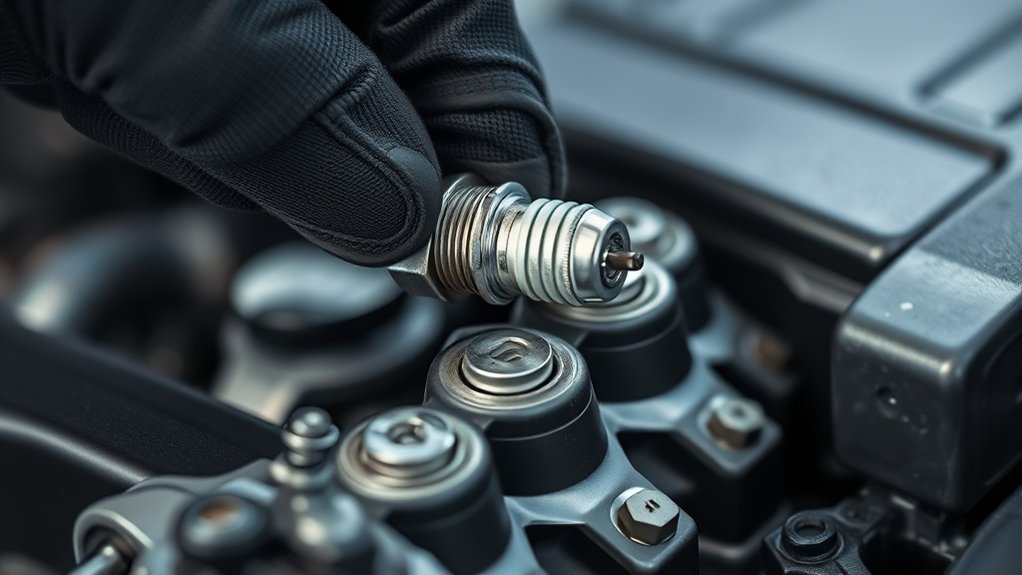
Do You Have to Gap Spark Plugs Properly?
Many drivers find themselves frustrated with engine misfires, poor fuel economy, or rough running, often wondering if their spark plugs are the culprit. You’re not alone—keeping spark plugs properly gapped can seem tricky, but it’s a simple step that makes a big difference.
Yes, you need to gap spark plugs properly to guarantee your engine runs smoothly, efficiently, and reliably. Even if the plugs come pre-gapped, shipping and handling can shift the gap out of specification.
Using the correct gap according to your vehicle manufacturer helps prevent misfires, improve fuel economy, and protect your engine.
Careful, gentle adjustment with the right tools is essential to avoid damage. Keep going to learn how to gap your spark plugs safely and effectively.
Key Takeaways
- Proper gapping ensures optimal spark voltage and engine performance.
- If the gap is off, your engine might misfire or run rough. This can even lead to damage over time.
- Checking and adjusting the gap helps prevent ignition issues and can boost fuel efficiency.
- Many spark plugs come pre-gapped, but it’s a good idea to double-check before installing.
- Always follow the manufacturer’s guidelines, and handle the plugs carefully to make them last longer.
Do Spark Plugs Come Pre-Gapped, or Do You Need to Check?
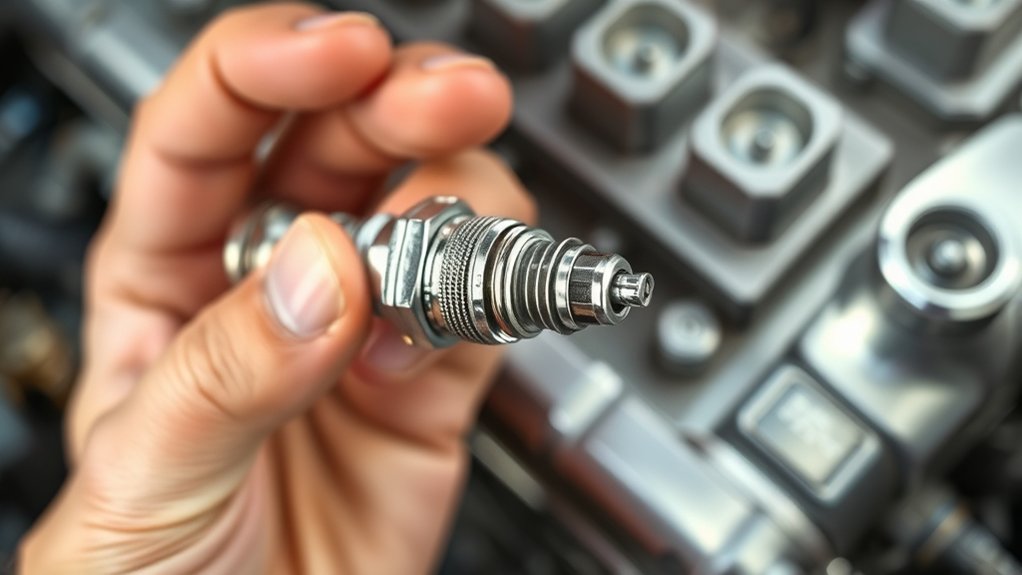
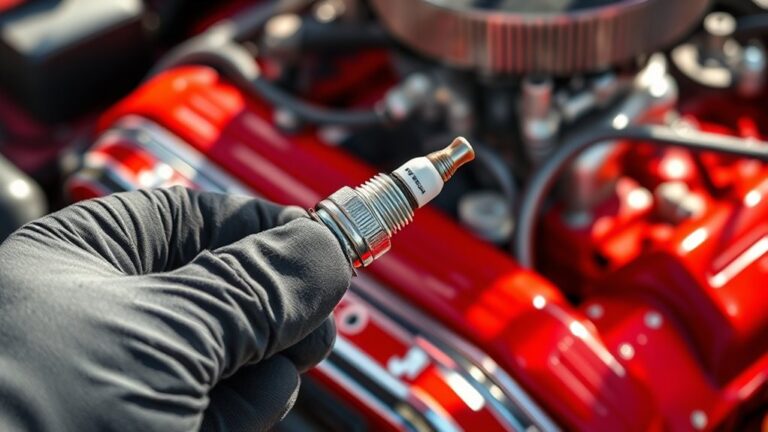
Many modern spark plugs come pre-gapped from the manufacturer, but it’s still important to check the gap before installation. Shipping and storage can sometimes alter the factory-set gap, so verifying it guarantees peak performance.
Even if the box indicates a recommended gap, it’s wise to double-check the gap yourself. Pre-gapped plugs reduce the need for adjustment, but handling or bulk purchases can cause the gap to shift.
When you check the gap, you make sure it matches your vehicle’s specifications, preventing misfires or inefficient combustion. Always take a moment during installation to check the gap, especially if you’ve handled the plugs extensively or bought them in bulk.
Properly gapping your spark plugs ensures they work effectively, keeping your engine running smoothly.
How to Find the Correct Spark Plug Gap for Your Vehicle
To find the correct spark plug gap, start by checking your vehicle’s owner’s manual or the manufacturer’s website for the recommended setting.
Use a feeler gauge or gap tool to measure the existing gap and verify it matches those specifications.
Always double-check the correct gap for your engine to ensure the best performance and fuel efficiency.
Consult Vehicle Manual
Your vehicle’s manual is the most reliable source for finding the correct spark plug gap. It provides specific measurements recommended for your engine, ensuring *best* performance.
The manual’s specifications section or maintenance guidelines usually list the correct gap, tailored to your vehicle’s make and model. Keep in mind, some vehicles with different engine configurations or modifications might have multiple recommended gaps, which are detailed in the manual.
Always check the manual before installing new spark plugs, even if they come pre-gapped or have packaging instructions. Using the right gap from the manual guarantees your engine runs smoothly and efficiently.
Relying on the vehicle manual helps prevent misgapping and potential engine issues down the line.
Use Proper Gapping Tools
Using the right gapping tools is essential for accurately setting your spark plug gap. Choose a precise gap gauge or feeler gauge designed for spark plugs to measure the correct size.
Always verify the recommended gap from your vehicle’s owner’s manual or the spark plug manufacturer’s specifications before gapping. Gapping tools come in various thicknesses, so pick one that matches the specified gap for accuracy.
Carefully adjust the ground electrode by gently bending it with the gapping tool to get the right measurement. Recheck the gap multiple times during adjustment to keep it within the recommended range.
| Gapping Tool Type | Thickness Range | Best For |
|---|---|---|
| Feeler Gauge | 0.02 – 0.10 in | Precise measurements |
| Spark Plug Gauge | Specific sizes | Quick, accurate gaps |
| Adjustable Tool | Customizable | Fine-tuning gaps |
Step-by-Step Guide: How to Gently Gap a Spark Plug Safely
Gapping a spark plug takes a gentle touch and careful attention to avoid damaging the fine wire electrode. Start by using a proper spark plug gapping tool or feeler gauge to measure the current gap accurately.
Carefully bend the ground electrode only, applying minimal force. Avoid using pliers or pressing too hard, as this can crack or weaken the electrode. After making an adjustment, re-measure the gap to ensure it matches the manufacturer’s specifications.
Handle the spark plug carefully to keep dirt or debris out of the gap area before installing. Patience is key; small, gradual bends help maintain the electrode’s integrity while setting the right gap.
This gentle approach ensures your plug gapping is safe and precise.
Why Gapping Your Spark Plugs Properly Matters for Engine Power and Efficiency
Properly gapping spark plugs ensures the electrical spark happens at the right voltage, which is key for top engine performance. The spark gap directly affects how well your engine burns fuel.
When the gap is just right, the spark ignites the air-fuel mixture properly, giving you the best power. An incorrect gap can lead to misfires, which hurt engine performance and overall power.
Keeping the right gap also helps your engine burn fuel efficiently, saving you money at the pump. Plus, it prevents early wear on your spark plugs and possible engine damage caused by improper firing.
Making sure your spark plugs are gapped correctly is crucial for maximum engine efficiency, smooth running, and reliable power. Taking a little time to do it right makes a big difference in how your vehicle performs.
What Are the Risks of Not Gapping or Gapping Incorrectly?
If you don’t gap your spark plugs correctly, your engine can misfire, leading to rough running and poor performance. This can make your car feel sluggish and less responsive.
Improper gaps also reduce fuel efficiency and cause more wear on the plugs. Over time, this can increase the risk of engine damage.
Skipping the step or gapping incorrectly can ultimately harm your engine and lead to costly repairs down the line. Taking the time to do it right is worth it.
Engine Misfires Increase
Have you ever experienced engine hesitation or rough running? That’s often a sign of engine misfires caused by improperly gapped spark plugs. When you don’t gap spark plugs correctly, it results in weak or inconsistent sparks, increasing the chances of misfiring.
Misfires can cause rough idling, loss of power, and poor acceleration. Incorrect gaps prevent proper ignition, leading to frequent engine hesitation.
Repeated misfiring can damage your catalytic converter over time. Consistently improper gapping can also increase fuel consumption and reduce engine efficiency.
Ensuring your spark plugs are properly gapped is key for reliable ignition and smooth engine operation. This helps reduce the risk of costly repairs down the line.
Fuel Efficiency Drops
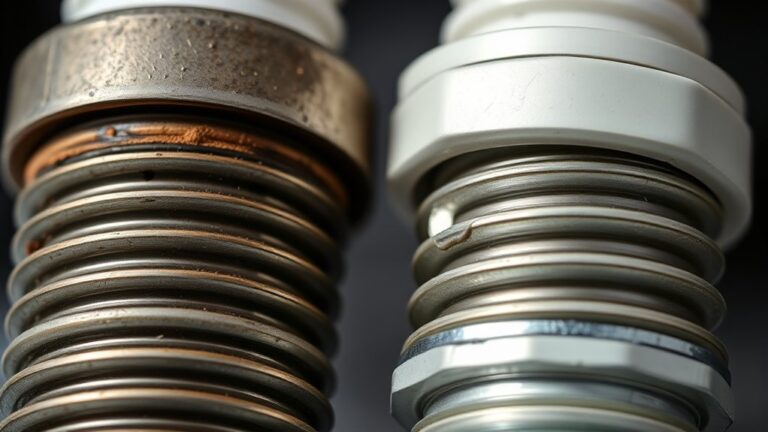
When spark plugs aren’t gapped correctly, your engine has to work harder to ignite the fuel-air mixture. This directly impacts your fuel economy. The gap between the center electrode and ground electrode determines how well the spark ignites the mixture.
If the gap is too small, the spark weakens, leading to incomplete combustion and higher fuel consumption. On the other hand, an excessively large gap causes misfires, making the engine run inefficiently and increasing fuel use.
Incorrect gapping forces your engine to exert more effort, which reduces overall fuel efficiency. Regularly checking and maintaining the correct gap, especially around the center electrode, helps ensure ideal ignition and prevents unnecessary fuel waste.
Properly gapped spark plugs keep your engine running smoothly and efficiently.
Engine Damage Risk
Neglecting proper spark plug gapping can lead to serious engine damage over time. Incorrect gaps cause misfires, which result in incomplete combustion and put extra strain on engine parts.
Gapping a plug too wide or narrow puts abnormal voltage demands on the ignition system, increasing wear and risking damage. Not gapping—or gapping incorrectly—accelerates electrode wear and leads to premature plug failure.
Using the wrong gap can cause engine knocking, rough idling, and higher emissions, all of which threaten internal engine parts. Over time, improper gapping raises the risk of damaging pistons, valves, and other critical components.
- Increased electrode wear and premature plug failure
- Higher chances of engine knocking and misfires
- Damage to pistons, valves, and internal parts
Special Tips for Fine Wire and Modified Engine Spark Plugs
Handling fine wire and modified engine spark plugs requires extra care to avoid damage and ensure peak performance.
Fine wire plugs are more fragile and can easily get damaged if mishandled. Be gentle when gapping them to prevent electrode damage.
Manufacturers like NGK warn against gapping fine wire plugs, as it can void your warranty and cause damage.
For the best results, double-check the gap multiple times, especially in modified engines with higher compression or upgrades.
Accurate gapping is crucial for reliable ignition and maximum performance. Use soft tools and avoid applying too much force.
Proper gapping not only improves efficiency but also reduces the risk of damaging the plug during handling.
Frequently Asked Questions
What Happens if You Don’t Set the Gap on a Spark Plug?
If you don’t set the gap on a spark plug properly, your engine could misfire, run inefficiently, or hesitate during acceleration.
A too-large gap might cause misfiring or failure to ignite the fuel mixture. On the other hand, a too-small gap can produce weak sparks and incomplete combustion.
This can lead to reduced fuel efficiency, increased engine wear, and overall poor engine performance.
Properly gapping your spark plugs helps ensure smooth ignition and the best possible engine operation.
Do Spark Plug Gaps Need to Be Exact?
Yes, spark plug gaps need to be exact. Even a tiny deviation of just 0.001 inches can reduce engine efficiency by up to 10%.
You’ll want to use a proper gauge to measure and set the gap precisely. When gaps are off, your engine might misfire or run rough, wasting fuel and damaging components.
Keeping the gap accurate guarantees ideal ignition, smooth performance, and better fuel economy.
What Happens if I Don’t Gap My Spark Plugs Right?
If you don’t gap your spark plugs right, your engine might misfire, run rough, or lose power. A small gap creates weak sparks that hurt efficiency, so your engine won’t run smoothly.
On the other hand, a large gap can cause misfires and hard starting. You risk damaging your engine and wasting fuel if you ignore proper gapping.
Always check and set the correct gap to ensure smooth engine performance. Doing this helps improve fuel economy and avoids costly repairs.
Conclusion
So, next time you’re replacing your spark plugs, remember that a proper gap isn’t just a minor detail—it’s key to smooth engine performance.
Think about cruising down the road with your engine humming perfectly, all because you took a moment to check and set that tiny gap just right.
Sometimes, it’s the small steps that make the biggest difference, turning a simple maintenance task into a smooth ride.
And don’t forget—gapping your spark plugs properly is essential for keeping your engine running its best.