How Many Miles to Change Spark Plugs?
Many drivers find themselves wondering, “How many miles to change spark plugs?” It’s a common concern, and you’re not alone in feeling unsure about the right timing. Keeping your engine running smoothly depends on knowing when to replace those spark plugs.
You should change your spark plugs every 20,000 to 100,000 miles, depending on the type and your driving habits. Copper plugs often need replacing sooner, around 20,000 to 30,000 miles, while platinum and iridium plugs can last up to 100,000 miles.
Signs like misfires, rough idling, or decreased fuel efficiency mean it’s time for a check. If you want to keep your engine running smoothly, understanding when and how to replace them is key.
Key Takeaways
– Copper spark plugs usually need replacing every 20,000 to 30,000 miles.
They tend to wear out faster, so keep an eye on how your engine runs.
If you notice misfires or rough idling, it’s probably time for a change, no matter how many miles you’ve driven.
– Platinum plugs generally last between 60,000 and 100,000 miles.
They’re more durable and can go longer before needing attention.
Regular inspections can help catch any issues early and keep your engine running smoothly.
– Iridium spark plugs can last up to 75,000 to 100,000 miles with proper maintenance.
Taking good care of them can really extend their lifespan.
But remember, signs of wear like misfires or rough idling mean it’s time to replace them, even if you haven’t hit the mileage mark.
– Following the manufacturer’s recommendations and inspecting your spark plugs regularly is the best way to keep things running efficiently.
This way, you can prevent small problems from turning into bigger, costly repairs.
What Do Spark Plugs Do and Why Do They Matter?
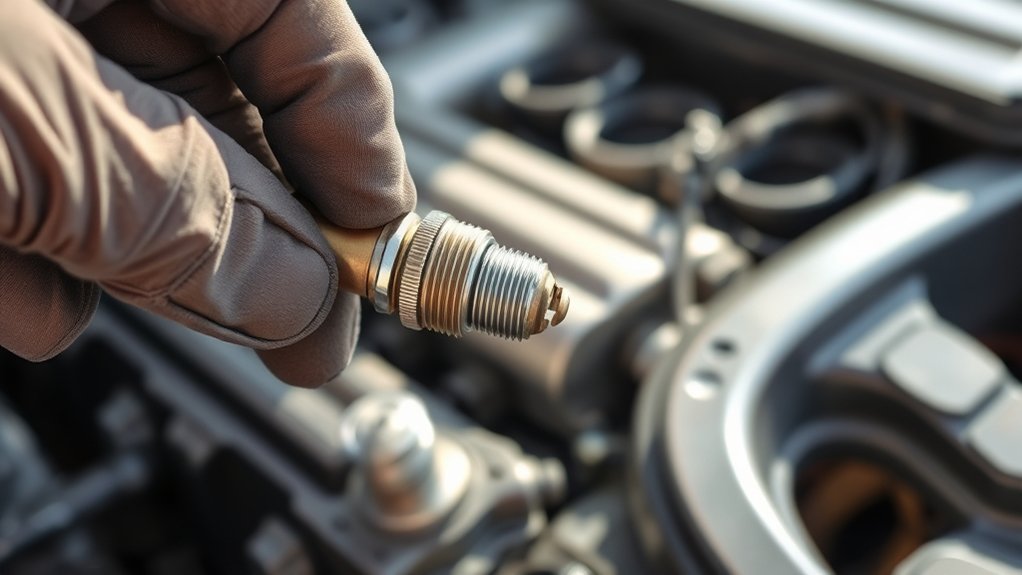
Spark plugs play a crucial role in your vehicle’s engine by igniting the fuel-air mixture in each cylinder. This small explosion creates the power needed to move your car forward.
Properly functioning spark plugs are essential for peak engine performance and fuel efficiency. If they wear out or become damaged, you might notice misfires, rough idling, or decreased fuel economy.
While materials like platinum and iridium can extend the lifespan of spark plugs, they still need replacement over time. Regular maintenance and timely replacement help keep your engine running smoothly and efficiently.
Ignoring these needs can lead to costly repairs and decreased vehicle performance. Understanding the importance of spark plugs helps you stay proactive about their replacement interval and keeps your engine at its best.
How Often Should You Replace Your Spark Plugs Based on Material?
The material of your spark plugs determines how often you’ll need to replace them. Copper plugs usually last around 20,000 to 30,000 miles.
Platinum and iridium options can go much longer. Knowing the right interval based on material helps keep your engine running smoothly.
Copper Plugs Replacement Timeline
Copper spark plugs generally need replacement every 20,000 to 30,000 miles because their high electrical conductivity comes with a shorter lifespan. This recommended timeline helps prevent issues like misfires, rough idling, and decreased engine performance.
Copper plugs are affordable and provide good conductivity, but they wear quickly due to erosion and electrode degradation. If you often drive short trips or navigate stop-and-go traffic, your plugs may need replacing sooner within this range.
Regular inspection is important to catch signs of wear early, such as loss of spark or corrosion, before hitting the mileage limit. Sticking to this replacement timeline ensures your engine maintains ideal performance and fuel efficiency, saving you money on potential repairs down the road.
Platinum Plugs Longevity Tips
Platinum spark plugs are known for their impressive durability, often lasting between 60,000 and 100,000 miles before needing replacement. To get the most out of them, stick to the recommended replacement interval that matches your vehicle’s specs.
Using the correct platinum spark plug type guarantees peak performance and prevents premature wear. Regular inspection is essential, especially if you notice engine performance issues before reaching the expected mileage.
Keep an eye on signs like rough idling or misfires, which could indicate it’s time to check your plugs. Proper maintenance and using high-quality, manufacturer-approved platinum spark plugs help you maximize their lifespan.
Following these longevity tips will help you plan your maintenance schedule wisely and ensure your engine runs smoothly for miles to come.
Iridium Plugs Durability
Because of their exceptional durability, iridium spark plugs typically last between 75,000 and 100,000 miles before needing replacement. Their durability comes from iridium’s high melting point and resistance to wear, making them a long-lasting choice.
Many manufacturers suggest a longer replacement interval for iridium plugs compared to copper or platinum options. Proper installation and avoiding engine overheating can help maximize their lifespan.
Regular inspections are still recommended to ensure optimal engine performance. To sum it up:
- Iridium spark plugs have a longer replacement interval because they’re more durable.
- Their extended lifespan is due to iridium’s resistance to wear and high melting point.
- Proper installation can boost durability and help them last longer.
- Regular inspections help keep your engine running smoothly, even with their long service life.
What Are the Signs That Your Spark Plugs Need Replacing?
If your vehicle is showing signs of trouble, it’s likely your spark plugs are failing. Worn spark plugs often cause rough idling, engine vibrations, and misfires that make driving uncomfortable.
Worn spark plugs cause rough idling, vibrations, misfires, and uncomfortable driving experiences.
You might also notice a big drop in fuel economy, sometimes by 20-30%. That’s a clear sign they’re not firing properly. Difficulty starting your vehicle or not starting at all can also point to worn or fouled spark plugs.
A visual inspection can reveal cracked insulators, eroded electrodes, or carbon buildup—all signs it’s time for a replacement. Plus, the Check Engine light may turn on, alerting you to misfires or other engine issues caused by spark plug failure.
Ignoring these signs can lead to more serious engine problems down the line.
How Do Driving Habits Impact Spark Plug Lifespan?
Your driving habits play a big role in how long your spark plugs last. Frequent short trips stop the engine from reaching the right temperature, which leads to carbon buildup and shortens spark plug life.
Stop-and-go traffic creates vibrations and deposits on the plugs, speeding up wear. Towing heavy loads or driving aggressively pushes the engine hotter, causing faster electrode erosion.
Driving at high RPMs from spirited driving also speeds up spark plug deterioration. Poor cooling system maintenance can lead to overheating, damaging your spark plugs before their time.
To get the most out of your spark plugs, try to avoid these habits. Keep your engine running smoothly by making small adjustments to your driving style and maintenance routine.
What Causes Early Spark Plug Failure and How Can You Prevent It?
Early spark plug failure often happens because of issues like oil leaks, which contaminate the plugs, or using poor-quality fuel that causes carbon buildup.
Installing the wrong or low-quality spark plugs can also speed up wear and reduce their lifespan. Regular maintenance and inspections help catch these problems early and keep your spark plugs running smoothly.
Oil Contamination Causes
Oil contamination in spark plugs often happens when worn valve cover gaskets or piston rings let oil seep into the combustion chamber. This oil can foul the spark plugs, cause misfires, and hurt engine performance.
To avoid early spark plug failure, it’s important to fix the root causes of oil leaks. Regular engine checks and maintenance are key. Keep an eye on these points:
- Check for oil deposits on spark plugs during routine service.
- Replace worn gasket seals quickly to stop oil from seeping in.
- Use high-quality oil to reduce the risk of contamination.
- Address internal engine issues early to prevent fouling and damage.
Poor Fuel Quality Impact
Poor-quality fuel can significantly shorten the life of your spark plugs by causing buildup and deposits that interfere with proper ignition. When you use low-grade fuel, carbon deposits on the electrodes increase, leading to fouling and early failure.
Contaminants in cheap fuel can also cause corrosion and erosion of the electrodes, which reduces your spark plug’s lifespan. Fuels with high ethanol content attract moisture, speeding up deterioration and increasing the risk of misfires.
Impurities and unsuitable additives may lead to overheating and deposit formation, further damaging your spark plugs. To avoid these problems, always choose reputable fuel sources and consider using fuel system cleaners regularly.
These steps help reduce buildup, protect your spark plugs, and extend their service life, keeping your engine running smoothly and efficiently.
Incorrect Installation Risks
Have you ever wondered why your spark plugs fail prematurely despite proper maintenance? Incorrect installation is a common culprit. Over-tightening or under-tightening can crack the spark plug or damage the threads, leading to early failure.
Using the wrong torque during installation can cause poor contact or even damage the spark plug. Improper seating can result in misfires, poor combustion, and electrode wear.
Applying dielectric grease or anti-seize improperly can interfere with heat transfer, increasing the risk of failure. To avoid these issues, pay attention to these key points:
- Follow the correct torque specifications.
- Ensure proper seating of the spark plug.
- Use anti-seize and dielectric grease correctly.
- Inspect and clean components before installation.
This careful approach helps prevent early spark plug damage caused by incorrect installation.
How to Visually Inspect Your Spark Plugs for Wear and Damage
To effectively check your spark plugs, carefully remove each one and look at the ceramic insulator for cracks, chips, or discoloration. These signs can mean the spark plug is damaged.
Next, examine the electrode for excessive wear, erosion, or melting, which means it might not be working properly anymore. Also, check for carbon deposits, oil buildup, or other grime at the tip that can hurt performance.
Look for signs of overheating, like a white, blistered, or cracked insulator. Make sure the spark plug wires and boots are intact and connected well to prevent misfires.
Use this quick guide to interpret what you see:
| Wear Indicator | What to Look For | Action Needed |
|---|---|---|
| Cracks/Chips | Cracked or chipped ceramic insulator | Replace immediately |
| Electrode Wear | Excessive erosion or melting | Consider replacement |
| Deposits & Fouling | Carbon/oil buildup | Clean or replace |
| Overheating Signs | White, blistered insulator | Replace spark plug |
| Connection Integrity | Cracks in wires or boots | Repair or replace |
Why Following Your Car’s Replacement Schedule Saves You Money
Regularly replacing your spark plugs according to your vehicle’s recommended schedule keeps your engine running smoothly and helps you avoid costly repairs down the line. Sticking to the owner’s manual guarantees you don’t miss critical maintenance intervals, saving you money in the long run.
Regular spark plug replacements ensure smooth engine performance and prevent costly repairs over time.
Here are four ways following your schedule benefits you:
- It prevents engine misfires and inefficiency, which can reduce your fuel costs.
- It helps avoid damage from worn or fouled plugs, saving you money on repairs.
- It keeps your engine performing at its best, improving your fuel economy.
- It allows you to catch potential issues early, preventing expensive repairs like catalytic converter replacement.
When Should You Consult a Professional for Spark Plug Maintenance?
Even if you’ve recently replaced your spark plugs, certain signs mean it’s time to see a professional. Persistent misfires, rough idling, or decreased engine performance indicate you should get an expert check.
If warning lights like the Check Engine light come on, a mechanic can diagnose if spark plug issues are the cause. Visual signs like cracked insulators, worn electrodes, or carbon buildup also signal the need for professional help.
Unsure about the right spark plug type or replacement schedule? A mechanic can guide you. Regular diagnostics are important if your vehicle has trouble starting or shows drops in fuel efficiency.
| Symptom | Action Needed | Why It Matters |
|---|---|---|
| Engine misfires | Seek professional evaluation | Restores smooth engine performance |
| Rough idling | Consult a mechanic | Prevents further damage |
| Warning lights (e.g., CEL) | Get diagnostics from a professional | Ensures safety and efficiency |
| Visible damage | Visual inspection by a technician | Prevents breakdowns |
| Starting issues | Regular diagnostics | Maintains engine reliability |
Frequently Asked Questions
How Do I Know if My Spark Plugs Need to Be Replaced?
You’ll know your spark plugs need replacing if your engine misfires, runs rough, or hesitates during acceleration.
Check for visible signs like cracked insulators, eroded electrodes, or carbon buildup.
Notice if your fuel economy drops markedly or if it’s harder to start your vehicle.
Also, pay attention to warning lights like the Check Engine light.
If any of these happen, it’s a good time to replace your spark plugs.
How Much Does It Cost to Replace Spark Plugs in Audi A6?
Replacing spark plugs in your Audi A6 costs between $150 and $300, depending on the type and labor. Think of it as tuning your engine’s heartbeat; high-quality plugs like iridium or platinum are worth the investment.
A professional mechanic typically charges $100 to $200 for the job. To keep your engine singing smoothly, follow the recommended replacement intervals, usually around 60,000 to 100,000 miles.
What Spark Plugs Are Best for Lexus?
For your Lexus, iridium and platinum spark plugs are the best choices because they’re durable and perform well. Iridium plugs can last up to 100,000 miles, while platinum ones usually last between 60,000 and 100,000 miles.
Always check your owner’s manual to confirm the recommended type and replacement interval. Using OEM parts ensures peak performance, and upgrading to high-quality plugs can improve ignition reliability and fuel efficiency.
Do Subarus Have Spark Plugs?
Yes, Subarus have spark plugs, and they’re the heart of your engine’s ignition system. You need to keep an eye on them because they usually last between 60,000 to 100,000 miles, especially if they’re iridium or platinum.
Regular replacement is key to keeping your Subaru running smoothly, saving fuel, and avoiding misfires. Think of it as giving your engine a tune-up—it keeps everything firing on all cylinders.
Conclusion
Maintaining your spark plugs is essential for peak engine performance and fuel efficiency. Did you know that neglecting spark plug replacement can decrease gas mileage by up to 30%? Regular inspections and timely changes, typically every 30,000 to 100,000 miles depending on the material, can save you money and prevent costly repairs.
Stay attentive to signs of wear, follow your car’s schedule, and don’t hesitate to consult a professional. Keeping your spark plugs in good shape helps ensure your engine runs smoothly. Remember, knowing how many miles to change spark plugs is key to keeping your vehicle in top form.