Do Iridium Spark Plugs Need Anti-Seize?
Are you tired of second-guessing whether your iridium spark plugs are installed correctly? Many car enthusiasts and everyday drivers struggle with knowing if they should use anti-seize or not. It’s a common question that can leave you feeling unsure and worried about damaging your engine.
Iridium spark plugs typically don’t need anti-seize because many come pre-coated by the manufacturer to prevent galling and seizing during installation. Applying additional anti-seize isn’t usually necessary and can sometimes cause over-tightening or damage.
However, if your plugs aren’t pre-coated, a small amount of high-temperature anti-seize can help with installation and future removal. To guarantee safe and effective setup, it’s important to follow the manufacturer’s guidance—learn more about the best practices and potential pitfalls below.
Key Takeaways
- Many iridium spark plugs come pre-coated with anti-seize, so you probably don’t need to add any extra.
- Be sure to check the manufacturer’s instructions to see if your specific plugs require anti-seize.
- If your plugs are already coated, applying more anti-seize can actually cause over-tightening and damage.
- If they’re not pre-coated, you can use a small amount of high-temperature anti-seize. Just be cautious and don’t overdo it.
- No matter what, getting the right torque is essential.
- Proper torque helps prevent damage and makes sure your engine runs smoothly.
What Are Iridium Spark Plugs and How Do They Differ?
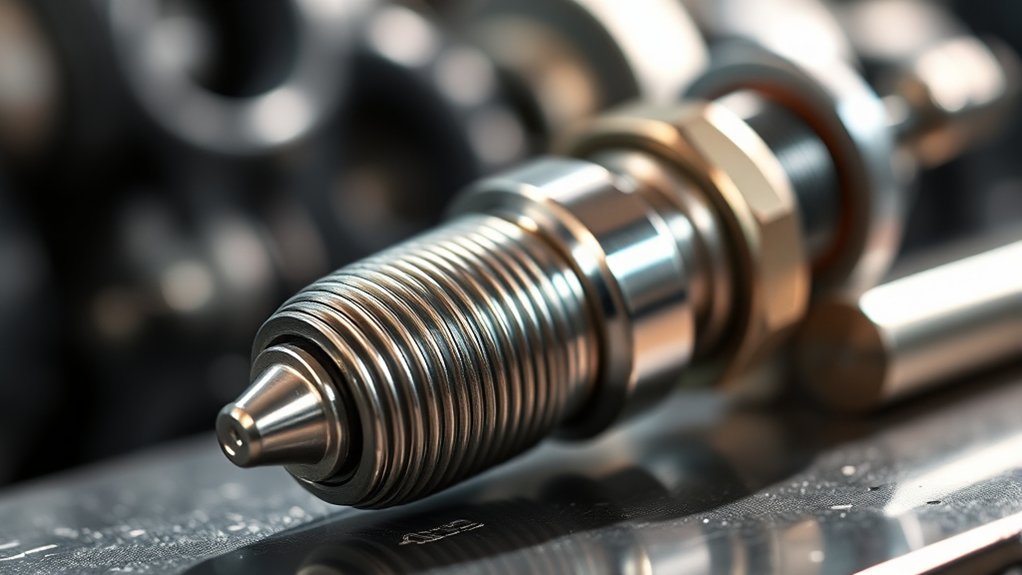
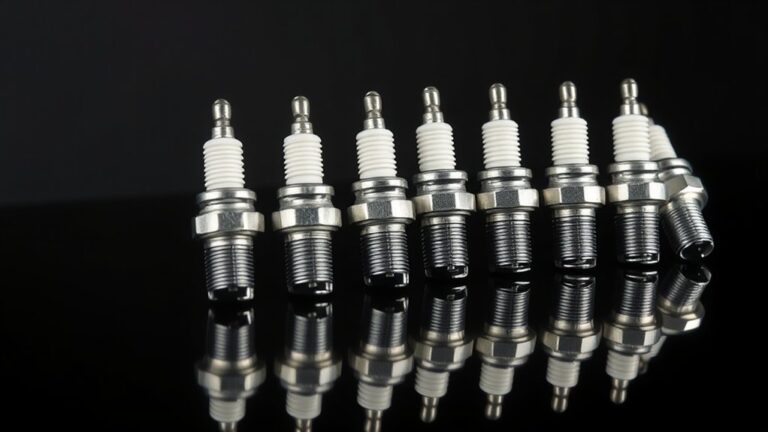
Iridium spark plugs are specialized ignition parts that have a tiny electrode tip made from an iridium alloy. This makes them more durable and resistant to corrosion compared to traditional plugs.
Iridium spark plugs feature a durable iridium tip, enhancing longevity and resistance to corrosion for reliable ignition performance.
The iridium tip allows for a smaller, more precise spark gap, which improves ignition efficiency and fuel economy. Thanks to their high melting point and strength, these plugs last a lot longer—often over 60,000 miles.
They also produce a stronger spark with less voltage, boosting engine performance and responsiveness. Many iridium spark plugs come pre-coated with anti-seize on their threads, helping prevent seizing during installation.
This coating reduces the need for extra lubrication and makes removal easier later on, ensuring a smoother, more reliable installation process.
Why Do Many Iridium Spark Plugs Come Pre-Coated With Anti-Seize?
Many iridium spark plugs come pre-coated with anti-seize to make installation smoother and prevent future issues. This pre-coated layer helps avoid galling and seizing during installation and removal, especially in aluminum cylinder heads.
Manufacturers include anti-seize on iridium spark plugs because their fine electrodes are more prone to sticking without a protective coating. The factory-applied anti-seize ensures consistent torque and easier future removal, reducing the risk of damaging delicate iridium electrodes or threads.
Since the anti-seize is already applied, there’s no need to add more during installation—saving you time and effort. This pre-coating is specifically designed to work effectively out of the box, making the installation process more straightforward and protecting your spark plugs over time.
Should You Use Anti-Seize When Installing Iridium Spark Plugs?
Most iridium spark plugs come with a factory coating of anti-seize, so you usually don’t need to add any more.
Putting extra anti-seize on the plug can cause over-tightening and damage, which can hurt its performance.
It’s generally best to follow the manufacturer’s torque specs and skip the anti-seize for a proper, safe install.
Factory Coating Presence
When installing iridium spark plugs, it’s important to check if they come with a factory coating of anti-seize. Many iridium spark plugs are pre-coated on the threads, which helps prevent galling and makes removal easier.
Look at the packaging or the manufacturer’s instructions to see if your plugs already have this coating. If they do, there’s no need to add extra anti-seize.
Adding more anti-seize on pre-coated plugs isn’t necessary and can actually cause over-torquing. The factory coating is applied intentionally to reduce friction during installation.
Applying additional anti-seize may lead to damage or improper torque, so it’s best to follow the manufacturer’s guidance. Knowing whether your plugs have a factory coating helps you avoid unnecessary steps and potential problems during installation.
Proper Torque Application
Proper torque application is key to making sure your iridium spark plugs work well and last longer. Always follow the manufacturer’s recommended torque settings, whether or not you’ve used anti-seize.
Many iridium spark plugs come pre-coated with anti-seize, so applying more isn’t needed and can actually cause over-tightening. If you do use anti-seize on uncoated plugs, be careful—too much lubrication can lead to over-torquing, damaging the threads or cracking the ceramic.
Remember, getting the torque right is more important than applying anti-seize. Tighten the plugs gently and evenly to the recommended specs.
Proper torque helps prevent thread damage and creates a good seal. This ensures your iridium spark plugs perform well and last longer.
Anti-Seize Risks
Applying anti-seize to iridium spark plugs can actually cause more harm than good. It reduces friction, which can lead you to over-tighten the plug and risk damaging the ceramic or threads.
Many manufacturers, like DENSO, advise against using anti-seize on iridium spark plugs because it can mess with proper torque and sealing. Here are four key risks:
- Over-torquing because of decreased friction
- Higher chance of thread damage
- Poor sealing and electrical performance
- Unnecessary interference with pre-coated iridium spark plugs
Risks of Using Anti-Seize on Iridium Spark Plugs : What You Need to Know
Using anti-seize on iridium spark plugs can pose significant risks because it often reduces friction too much, leading to over-torquing. When you apply anti-seize, it can make it harder to achieve the proper torque, increasing the chance of damaging the ceramic or threads.
Anti-seize compounds with metallic particles may also cause galvanic corrosion between the spark plug and engine components, potentially leading to further issues. If your iridium spark plugs are pre-coated, applying additional anti-seize can interfere with correct sealing and torque application.
Many manufacturers and experts advise against using anti-seize on iridium spark plugs because excessive amounts can compromise installation, performance, and longevity. To avoid these risks, follow the manufacturer’s torque specifications carefully.
How Over-Tightening Spark Plugs Affects Performance and Longevity
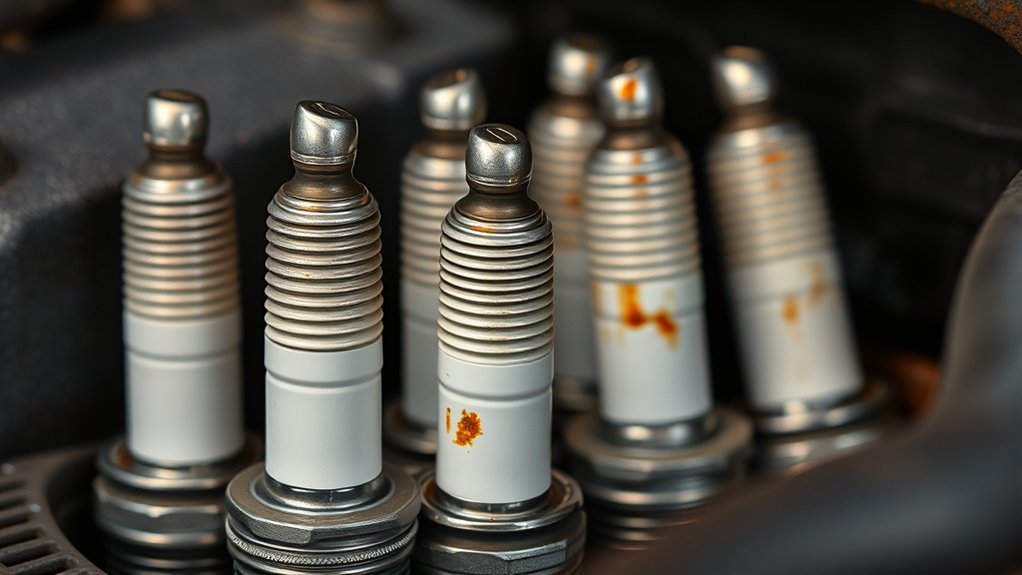
When you over-tighten spark plugs, you risk damaging the threads or cracking the ceramic insulator. This can cause misfires or make future removal really difficult.
Excessive torque also harms the seal, leading to leaks and reduced engine efficiency. Plus, it reduces heat dissipation, which can cause overheating and premature wear.
All these issues can significantly shorten the lifespan of your spark plugs and compromise your engine’s overall performance.
Thread Damage Risks
Over-tightening iridium spark plugs can cause serious thread damage, leading to costly repairs and engine issues. Applying too much torque can strip or deform the threads in aluminum cylinder heads, making removal tricky or causing permanent damage.
Here are four risks you face with over-tightening:
- Thread damage: Weakened or stripped threads make future replacements more difficult.
- Ceramic cracks: Excess torque can crack or break the ceramic insulator, which can cause misfires.
- Metal shell stretching: Over-tightening can weaken the spark plug’s metal shell, risking failure.
- Seal compromise: Too much torque can stretch the shell, allowing gases to escape.
Using the right torque values and anti-seize helps prevent these issues, ensuring your spark plugs last longer and perform better.
Seal Integrity Compromise
Tightening spark plugs beyond the recommended torque can weaken the seal between the plug and the cylinder head. Over-tightening risks damaging the ceramic insulator and deforming the metal shell, which compromises the seal.
Applying too much torque can also crush the gasket or crush washer, leading to oil or coolant leaks around the spark plug. Excessive tightening distorts the threads, making future removal difficult and increasing the risk of cross-threading or thread stripping.
Using anti-seize may help ease installation, but it’s important to follow proper torque specifications. Over-tightening, even with anti-seize, undermines the seal’s effectiveness.
This can lead to engine damage and reduce the lifespan of the spark plug. Proper torque is essential to maintain the seal integrity and ensure reliable engine performance.
Heat Dissipation Issues
Applying too much torque to iridium spark plugs doesn’t just risk damaging the seal. It also hampers heat dissipation. When you over-tighten, the spark plug’s ability to transfer heat away from the combustion chamber decreases. This increases the risk of fouling and pre-ignition.
To avoid these issues:
- Excessive torque can stretch the metal shell, affecting heat transfer.
- Damage to the ceramic insulator impairs heat dissipation, risking misfires.
- Over-tightening can cause thread damage, making future removal harder.
- Proper torque ensures maximum contact, maintaining efficient heat transfer and engine performance.
Using anti-seize can help you reach the correct torque without over-tightening. Remember, following the manufacturer’s specifications directly supports effective heat dissipation and extends spark plug life.
Best Practices for Installing Iridium Spark Plugs Without Anti-Seize
When installing iridium spark plugs that don’t come pre-coated with anti-seize, handle the process carefully to ensure proper seating and performance.
If your iridium spark plugs lack anti-seize, apply a small amount of high-temperature, non-conductive anti-seize on the threads sparingly.
Avoid putting anti-seize on the electrode or tip, as it can mess with spark performance.
Always follow the manufacturer’s recommended torque specs to prevent over-tightening. Keep in mind that anti-seize reduces friction and can cause overtightening if used improperly.
Before installing, make sure to clean the threads thoroughly and check the spark plug gap to maximize performance.
Proper handling during installation helps your iridium spark plugs run smoothly without needing anti-seize.
When Do You Need to Apply Anti-Seize on Iridium Spark Plugs?
You should consider applying anti-seize to iridium spark plugs when they lack a pre-coated thread treatment, especially if you’re working with aluminum cylinder heads. This helps prevent galling and seizing during installation or removal.
Here are four key times to use anti-seize:
Use anti-seize on spark plugs when they’re not pre-coated, in high heat, or for easier removal during maintenance.
- When the iridium spark plugs aren’t pre-coated with anti-seize.
- In high-temperature environments where heat speeds up thread corrosion.
- If you expect to remove the plugs frequently for maintenance or diagnostics.
- When using a torque wrench to ensure precise tightening without damaging threads.
Always follow the manufacturer’s recommendations because too much anti-seize can affect torque readings and thread integrity. Use it sparingly and only when necessary to protect your spark plugs and engine components.
Do Engine Types or Conditions Change Anti-Seize Recommendations?
Different engine types and operating conditions can significantly influence whether you should use anti-seize on spark plugs. For engines with aluminum cylinder heads, a small amount of anti-seize is often recommended to prevent thread galling and seizing during installation or removal.
High-mileage or heavily used engines may also benefit from anti-seize, as it makes future maintenance easier. Vehicles operating in harsh environments or extreme temperatures usually need anti-seize to protect threads from corrosion and heat damage.
Conditions like frequent thermal cycling or exposure to moisture can increase the need for anti-seize to ensure reliable spark plug performance. However, manufacturer guidelines vary—some specify anti-seize for certain engine types, while others recommend against it regardless of engine condition.
Always check your vehicle’s recommendations before applying anti-seize to your spark plugs.
Maintenance Tips for Replacing and Caring for Iridium Spark Plugs
Replacing iridium spark plugs requires careful attention to detail to guarantee peak performance and longevity. First, always check if your iridium spark plugs come pre-coated with anti-seize; additional application is usually unnecessary.
Check if your iridium spark plugs are pre-coated with anti-seize before installation to ensure proper performance.
Second, use a torque wrench to tighten the plugs to the manufacturer’s specified torque. Over-tightening can damage the threads and cause issues later on.
Third, inspect the spark plug threads and clean them with a wire brush or thread cleaner before installation. This helps prevent cross-threading and ensures a proper fit.
Finally, regularly check and gap your iridium spark plugs during maintenance to maximize performance. Avoid applying anti-seize unless explicitly recommended, as it can affect the torque and heat transfer.
Proper care and precision during installation will extend your spark plugs’ lifespan and keep your engine running smoothly.
Frequently Asked Questions
Should I Use Anti-Seize on Iridium Spark Plugs?
You shouldn’t use anti-seize on iridium spark plugs if they come pre-coated, as it can cause over-torquing and damage. When installing new iridium plugs that aren’t pre-coated, a tiny amount of anti-seize might be acceptable.
But only do this if you’re careful with torque. Focus on tightening the plugs to the manufacturer’s specifications because proper torque ensures the best performance and longevity—not anti-seize.
Should You Use Dielectric Grease on Iridium Spark Plugs?
You shouldn’t use dielectric grease on iridium spark plugs. It can interfere with electrical conductivity, which is essential for proper firing.
The threads usually come pre-coated or finished to prevent corrosion, so additional grease isn’t necessary. Instead, focus on following the manufacturer’s torque specifications during installation.
If you’re concerned about corrosion, make sure the threads are clean. But avoid applying dielectric grease on the ceramic insulator or electrode area.
What Kills Spark Plugs Quickly?
Ever wonder what destroys spark plugs fast? You’re likely to cause early failure if you over-tighten them, use the wrong type, or neglect proper installation.
Contaminants like oil or dirt, frequent misfires, and excessive voltage stress also wear them out quickly. Without proper maintenance, corrosion or using incompatible parts can cause them to seize or break during removal, leaving you stranded.
Proper torque, correct plugs, and clean installation are your best defenses.
What Is the Disadvantage of Iridium Spark Plugs?
The main disadvantage of iridium spark plugs is their higher cost compared to traditional plugs. While they last longer and provide better performance, replacing them can be pricey.
Their delicate iridium tip needs careful handling during installation. Using anti-seize can lead to over-tightening and damage.
Since their thin electrode is sensitive, improper torque or mishandling might cause cracks or failure. That makes maintenance a bit more critical.
Conclusion
When installing iridium spark plugs, think of it as planting a delicate seed in your engine’s garden. Using the right approach, whether with or without anti-seize, guarantees a smooth fit and healthy performance.
Picture your engine as a finely tuned orchestra, where each part plays in harmony. Handle your spark plugs with care, avoid over-tightening, and they’ll perform reliably, lighting up your journey like stars guiding your night drive.
Keep them well-maintained, and your engine will thank you. When it comes to iridium spark plugs, applying anti-seize isn’t always necessary, but it can make removal easier later on.