What Size Oil Filter Wrench Do I Need How To Guide
Changing your oil can be a hassle, especially when you’re stuck trying to find the right oil filter wrench size. If you’ve ever struggled to remove or tighten that stubborn filter, you’re not alone. Many people find this part tricky, but with a little know-how, it gets easier.
To find the right oil filter wrench size, measure your filter’s outer diameter with a digital caliper at the widest point, and note any grooves or flutes. Compare your measurements with manufacturer charts or guides from auto parts stores.
Choose a cap, strap, or spider wrench that fits snugly, and consider space constraints. If you keep exploring, you’ll uncover detailed steps and tips to make the process even smoother.
Key Takeaways
- Measure the filter’s outer diameter with a digital caliper at its widest point.
- Use that measurement to find a matching cap wrench size using manufacturer charts.
- Take a look at the grooves or flutes on the filter to see what wrench types will fit best.
- Think about the space you have available and the shape of the filter when choosing between cap, strap, or spider wrenches.
- It’s also a good idea to check your vehicle’s manual or ask an expert to make sure you get the right size.
Why Choosing the Right Oil Filter Wrench Size Matters
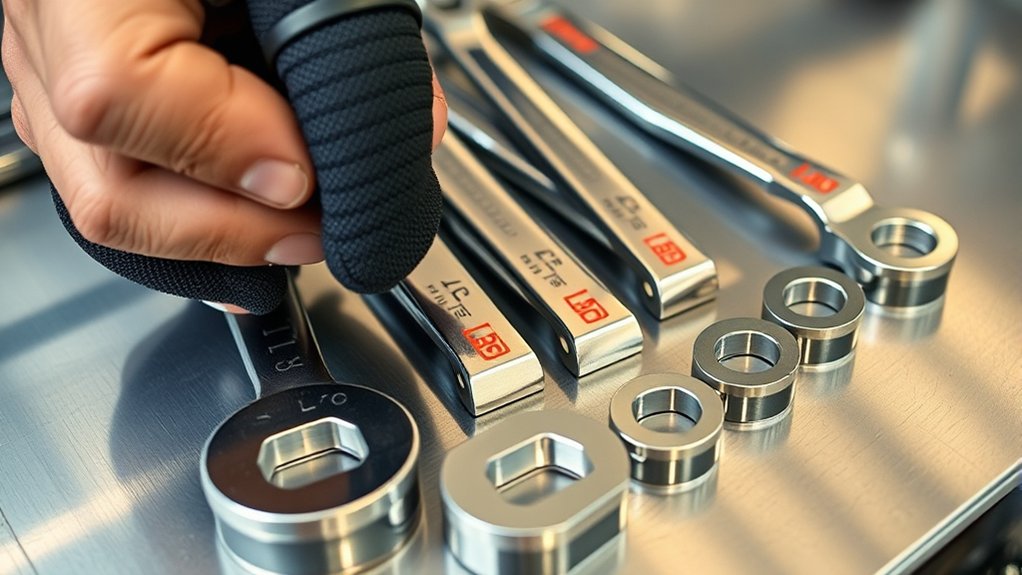
Choosing the right oil filter wrench size is crucial because it directly affects how safely and easily you can remove or install filters. The right size ensures a snug fit, which helps prevent slips that could damage the filter or nearby parts.
Selecting the correct oil filter wrench size ensures a secure fit, making removal safer and easier.
Using an improper size can strip or deform the filter, making future removal tougher and increasing the risk of leaks. Accurate sizing lets you apply the right amount of torque, reducing effort and avoiding over-tightening.
Compatibility matters too, so picking a wrench that matches your filter’s specifications guarantees a proper fit every time. When you use the correct size, you minimize the chance of damage and make oil filter changes smoother and safer.
Proper sizing is key for effective, hassle-free maintenance, making your oil changes quicker and more reliable.
How to Measure Your Oil Filter Accurately
To measure your oil filter accurately, start by using a digital caliper to determine the outer diameter across the flats. This ensures precise sizing, which is crucial for choosing the right wrench size.
Measure the filter diameter at its widest part to confirm it will fit with your wrenches when removing the filter. Record the measurement in millimeters or inches based on your size charts or tool specs.
If needed, count the number of flutes or grooves on the end of the filter. This can help you identify its shape and size more accurately.
Always measure when the filter is cool and dry. Oil or debris can interfere with your measurement and lead to inaccuracies.
Getting the right size prevents slipping and damage during removal, making your maintenance safer and more efficient.
Types of Oil Filter Wrenches and When to Use Them
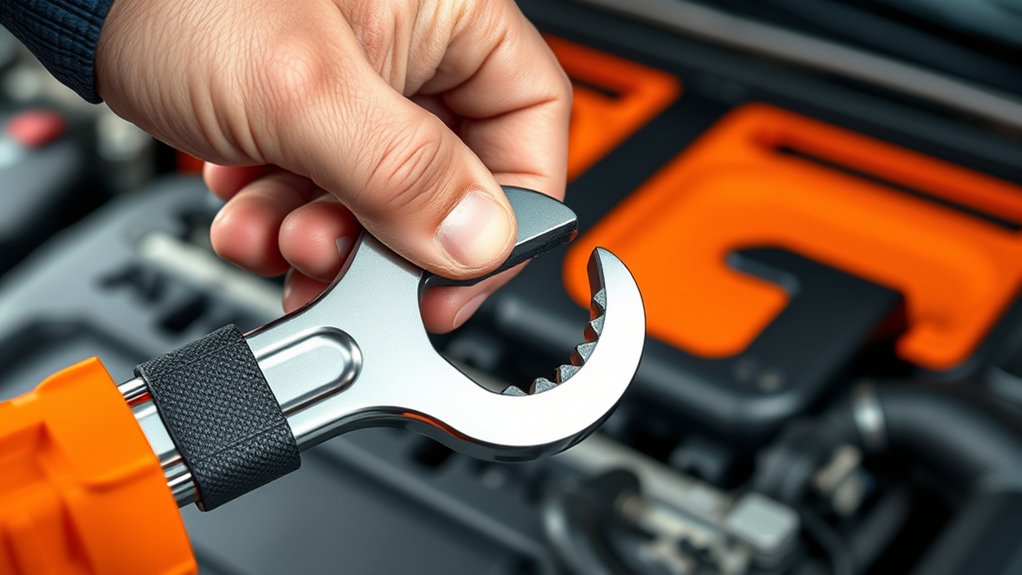
Different types of oil filter wrenches are designed to handle various filter shapes, sizes, and access conditions. Cap wrenches fit spin-on filters with matching diameters, providing a strong grip and minimal slippage.
Strap wrenches are versatile and great for large or odd-sized filters. They’re especially useful when space is tight, but they can slip or deform softer filters if you use too much torque.
Spider wrenches are self-tightening, making them ideal for stuck or tightly secured filters in cramped spaces. Pliers are adjustable and work well for irregular or hard-to-reach filters, but be careful not to damage the filter if you misuse them.
Choosing the right wrench depends on the filter’s shape, size, fit, and the available space around it.
Key Factors to Consider When Selecting Your Wrench Size
When selecting the right oil filter wrench size, the most important step is to measure the outer diameter of your filter accurately. Use a caliper or ruler to determine the filter diameter, which directly influences wrench size.
Check your owner’s manual or the manufacturer’s specs for specific details to make sure everything fits properly. Also, look at the grooves or flutes on the filter cap, as they affect the wrench size needed for a secure fit.
Think about the space around the filter too. Tight spots might mean you need a compact or specialized wrench. Use the table below to help identify what you need:
How to Match Your Measurements With Wrench Sizes Using Charts and Experts
To find the right wrench size, start by measuring your oil filter’s diameter with a caliper or ruler.
Then, use manufacturer charts or ask automotive professionals to confirm your measurements match the recommended wrench sizes.
Cross-check your data to ensure a secure fit that won’t slip or damage the filter.
Using Size Charts Effectively
Using size charts effectively starts with accurately measuring your oil filter’s diameter and noting the number of flutes. This helps ensure you find the right size from the charts.
Cross-reference your measurements with detailed size guides available at auto parts stores or from tool manufacturers for precise matching. When checking size charts, imagine:
- Comparing your filter’s diameter to the listed measurements
- Checking the number of flutes for compatibility
- Matching units like millimeters or inches to avoid discrepancies
- Considering recommended wrench sizes based on your filter diameter
- Picking slightly larger tools for a secure fit without risking damage
Consulting Professional Recommendations
Consulting professional recommendations can make it much easier to choose the right oil filter wrench size. Experts usually rely on size charts from manufacturers that link vehicle models to specific oil filter sizes.
To ensure compatibility, measure the oil filter’s diameter with a caliper and compare it to these charts. Automotive stores and mechanics can help verify your measurements and suggest the correct wrench size based on their experience and official specs.
Using online tools or databases that list vehicle makes, models, and oil filter sizes can make this process even simpler. Cross-referencing your measurements with professional guidelines reduces the risk of damage and ensures a proper fit.
This approach makes removing the oil filter more efficient and gives you confidence in your choice. Relying on expert advice helps you pick the right wrench size accurately and easily.
Common Mistakes to Avoid When Picking an Oil Filter Wrench
Choosing the wrong size oil filter wrench can cause a lot of issues, like damaging the filter threads or making it hard to remove the filter. If the wrench doesn’t fit properly, it might slip or deform the filter, which is the last thing you want.
Always measure your filter’s diameter and double-check the size before buying a wrench. Using tools like pliers or an ill-fitting wrench can damage the filter or crush it during removal.
Common mistakes include picking a wrench without measuring, choosing one that doesn’t match the filter’s design, or ignoring the filter’s material and condition.
Rushing your choice or not considering space limitations can make the job more difficult or risky. Being careful and precise helps prevent damage and makes removing the filter safer and easier.
Tips for Safely Removing and Installing Oil Filters
To guarantee safety and prevent damage when removing and installing oil filters, it’s essential to take proper precautions. First, confirm your oil filter wrench fits properly to avoid slipping or damaging the filter.
When loosening, turn the wrench counterclockwise gently and avoid using excessive force to prevent crushing or deformation. Before installing the new filter, lubricate the gasket with fresh oil to ensure a good seal.
Use a drain pan to catch any spills, and wear gloves to protect your skin from hot, greasy surfaces. After removing the old filter, double-check that the mounting surface is clean and free of debris.
These safety tips help make removal and installation smooth, safe, and effective.
Frequently Asked Questions
How Do I Know What Size Oil Filter Wrench to Get?
You figure out the right oil filter wrench size by measuring the diameter across the filter’s flats with a ruler or calipers.
Check your vehicle’s owner’s manual or look up online guides by entering your car’s details.
If needed, count the grooves on the filter’s end cap.
Match your measurements and filter type with the correct wrench size and style to ensure a proper fit.
This makes your oil change easier and less frustrating.
What Kind of Oil Filter Does a Lexus RX 350 Take?
Your Lexus RX 350 uses a canister-style oil filter, usually a spin-on type. The filter’s diameter is typically around 65mm to 70mm.
Models like the RX330 are compatible with standard Toyota or Lexus filters. To remove or install it, you’ll need a cap wrench of about 64mm or 65mm.
Always double-check your vehicle’s year and engine type to make sure you choose the right filter and wrench size.
How to Remove a VW Jetta Oil Filter?
To remove a VW Jetta oil filter, start by locating it underneath the engine or on the side.
Next, determine its size using a measuring tool or by checking the owner’s manual.
Choose the right wrench, like a cap or strap type, depending on the filter’s shape.
Securely place the wrench on the filter and turn counter-clockwise to loosen it.
Finally, carefully unscrew the filter by hand and remove it.
What Size Oil Filter Does a 2020 Toyota Corolla Take?
The 2020 Toyota Corolla typically uses an oil filter with a diameter of around 65mm. To remove it, you’ll need a cap wrench that fits this size, usually a 64mm or 65mm wrench.
Measure your filter with a caliper if you have aftermarket parts to verify accuracy. Always check the owner’s manual or manufacturer’s specifications to confirm the exact size before purchasing or removing the filter.
Conclusion
Choosing the right oil filter wrench size is your secret weapon for effortless oil changes. Imagine a world where stripping, slipping, or damaging your filter is just a bad dream—your perfect wrench size makes that a reality!
With the right measurements, expert tips, and a little know-how, you’ll conquer oil changes like a pro. Don’t let the wrong wrench turn your garage into chaos—arm yourself with the right size and rule your car maintenance kingdom!
Using the correct oil filter wrench size is key to a smooth, hassle-free oil change. Get it right, and you’ll save time and avoid frustration every time.