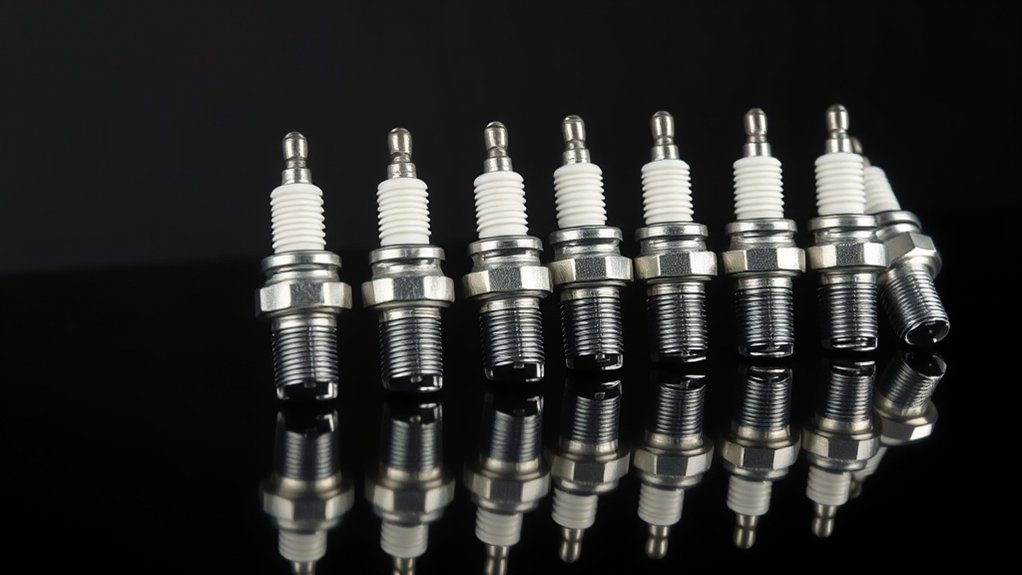
Top 7 Best Spark Plugs for 2026
Are you tired of struggling with engine misfires, poor fuel efficiency, or frequent spark plug replacements? You’re not alone—many drivers find it challenging to choose the right spark plugs that keep their engines running smoothly and reliably.
In 2026, the top spark plugs include models like NGK Iridium IX, Bosch Platinum+4, and Denso Iridium Power, built for durability and improved performance. These plugs use advanced materials like iridium and platinum to extend lifespan, improve fuel efficiency, and guarantee reliable ignition.
Choosing the right one depends on your vehicle’s needs and driving habits. Keep your engine running smoothly by selecting the best fit.
Continue exploring for detailed insights on each option and how to install and maintain them properly.
Key Takeaways
The top spark plugs for 2026 feature advanced iridium and platinum materials, which help them last longer and boost engine performance.
Recommended models include NGK Iridium IX, Bosch Platinum+4, and Denso Iridium Power. These are designed for different types of vehicles, so you can find the perfect fit.
Modern spark plugs improve fuel efficiency, ignition reliability, and smooth engine operation. They’re built with innovative designs to handle higher temperatures and resist deposits.
This means they can go longer between replacements and keep your engine running smoothly. Proper installation, gapping, and regular maintenance are key to getting the most out of these top-rated spark plugs.
How to Choose the Best Spark Plug for Your Car in 2026
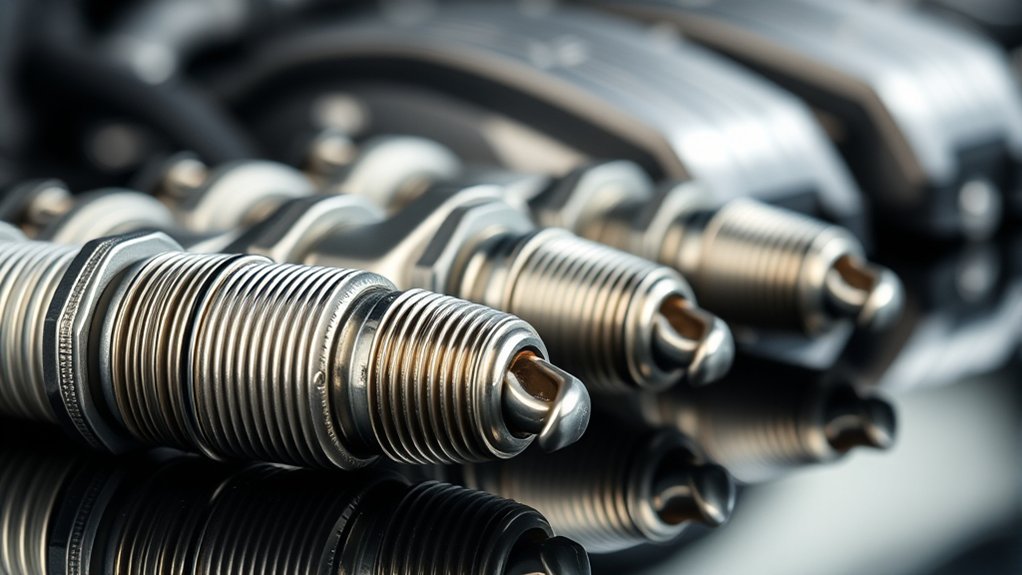
Choosing the best spark plug for your car in 2026 starts with understanding your vehicle’s specific requirements. You need to match the spark plugs’ heat range, thread size, and gasket style to your vehicle specifications, as recommended in your owner’s manual.
Consider the electrode material—copper, platinum, or iridium—based on durability, performance, and cost. Think about your driving habits and engine type to choose the right option.
Properly adjusting the gap according to manufacturer specs is vital for ideal ignition and fuel efficiency. Stick to reputable brands like NGK, Denso, or ACDelco to guarantee quality and compatibility.
Regular inspections and replacements, typically every 30,000 to 100,000 miles, are essential. This helps keep your engine running smoothly and maintain peak performance.
Iridium, Platinum, or Copper? Which Spark Plug Material Is Right for You?
When choosing the right spark plug material for your vehicle, it’s important to consider your driving needs and budget. Iridium spark plugs last up to 100,000 miles, making them great for long-term, high-performance use.
Platinum plugs last around 60,000 miles, offering a good balance of durability and affordability. Copper plugs are the most budget-friendly and deliver excellent conductivity but usually last only 20,000 to 30,000 miles.
Your choice depends on whether you prioritize longevity, performance, or cost.
Top 7 Spark Plugs for 2026: Our Expert Recommendations
As 2026 approaches, choosing the right spark plug can make a big difference in your vehicle’s performance and reliability. Our top 7 spark plugs for 2026 include models like NGK Iridium IX, Bosch Platinum+4, and Denso Iridium Power, known for their durability and performance.
These spark plugs are designed to improve ignition reliability, fuel efficiency, and engine smoothness across different vehicles. Many feature advanced materials like iridium and platinum, which can last up to 100,000 miles or more.
The best choice depends on your engine’s specific needs, whether you’re after high performance or better fuel economy. Proper installation and maintenance of these top-rated spark plugs can boost engine power, reduce misfires, and extend your engine’s lifespan.
How Do You Know When to Replace Your Spark Plugs?
Knowing when to replace your spark plugs is key to keeping your engine running smoothly. Over time, spark plugs wear out, which can cause engine misfires, rough idling, and starting problems. If you notice these issues, it’s a good sign your spark plugs might need attention.
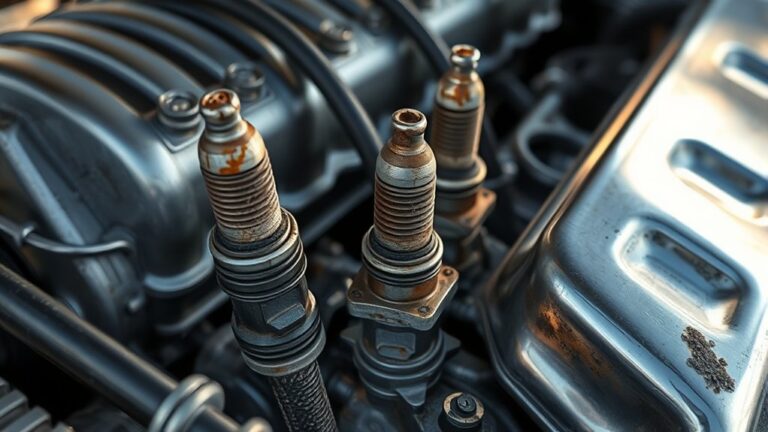
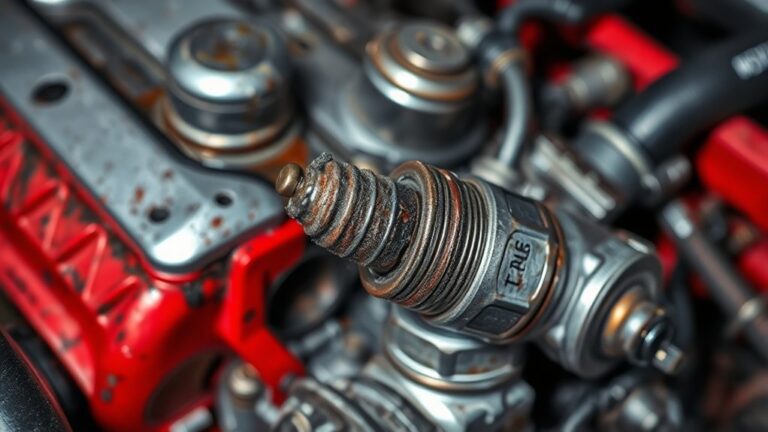
Other signs include reduced fuel efficiency and a drop in engine power. These are clues that your spark plugs could be fouled or worn out. A quick visual check can also help—look for deposits, discoloration, or erosion on the electrodes, which indicate it’s time to replace them.
Most experts recommend changing spark plugs roughly every 30,000 to 100,000 miles. The exact interval depends on your vehicle and the type of spark plugs you have. Pay attention to ongoing problems like trouble during acceleration or decreased performance—that way, you can replace your spark plugs before bigger issues develop.
Spark Plug Maintenance Tips to Keep Your Engine Running Smoothly
To keep your engine running smoothly, make a habit of regularly inspecting and cleaning your spark plugs to prevent deposit buildup.
Always use a gap tool to confirm the electrode gap matches your manufacturer’s specs for peak ignition.
Remember to replace your spark plugs every 30,000 to 60,000 miles or as recommended to maintain engine efficiency.
Regular Inspection Practices
Regular inspection of your spark plugs is essential for maintaining ideal engine performance. By checking your spark plugs every 30,000 miles, you can spot signs of wear, deposits, or fouling that might impair engine function.
Look for visual cues like black carbon buildup, white deposits, or eroded electrodes, which indicate it’s time for cleaning or replacement. Removing and inspecting your spark plugs helps you catch early signs of overheating, fouling, or damage before they cause more serious engine issues.
Regular inspections help you keep your spark plugs in good shape, extend their lifespan, and keep your engine running smoothly. It also supports peak fuel economy and reduces the risk of misfires or rough idling, keeping your vehicle performing reliably on every drive.
Proper Gap Adjustment
Ensuring your spark plugs are properly gapped is crucial for reliable engine performance. The gap affects how consistent the spark is, which is key for efficient combustion.
Use a spark plug gap tool to measure the distance according to your vehicle’s specs, usually between 0.028 and 0.060 inches. Always adjust the gap on a cold spark plug to avoid metal expansion messing up your measurement.
If the gap is too wide or too narrow, it can cause misfires, rough idling, and lower fuel economy. After installing, double-check and fine-tune the gap to ensure optimal ignition timing.
Proper gap adjustment keeps your engine running smoothly and helps extend your spark plugs’ lifespan. It’s a simple step that makes a big difference in performance.
Timely Replacement Schedule
How often should you replace your spark plugs? Most modern spark plugs need replacement every 80,000 to 100,000 miles to keep your engine running smoothly. Sticking to the proper replacement schedule is key to maintaining peak engine performance.
Regular inspection is essential—check for deposit buildup, wear, or misfires, which can signal it’s time for a change. Follow these steps to stay on track:
- Schedule replacements according to the manufacturer’s recommended interval.
- Perform regular inspections to catch early signs of wear.
- Use a torque wrench during installation for the proper fit.
- Check the spark plug gap regularly for maximum performance.
Adhering to this routine helps prevent engine damage and keeps your vehicle running efficiently.
How to Install New Spark Plugs Properly
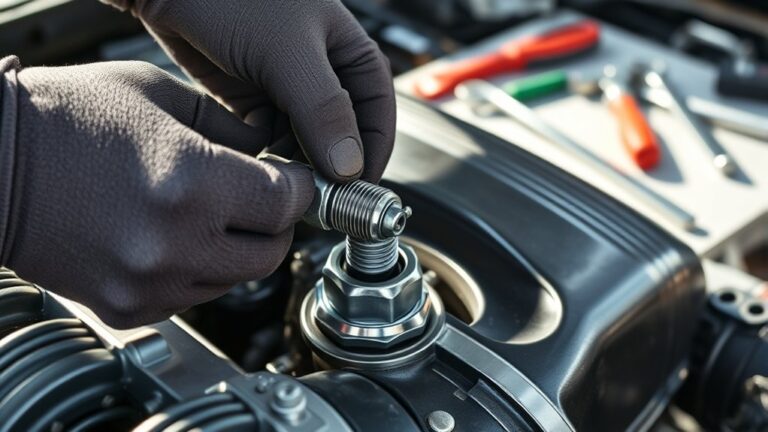
When installing new spark plugs, make sure to properly gap them using a feeler gauge according to your vehicle’s specifications. Hand-tighten the plugs first, then use a torque wrench to tighten them to the recommended setting, ensuring a secure fit.
Finally, double-check that all ignition wires or coils are attached firmly before starting your engine.
Proper Gap Adjustment
Before installing new spark plugs, it’s important to check and set the spark plug gap to the manufacturer’s recommended measurement, usually between 0.028 and 0.060 inches. Getting the gap right is key for a strong spark and proper engine performance.
Use a feeler gauge to carefully measure the electrode gap. If needed, gently bend the side electrode with a non-metallic tool, making sure not to damage the ceramic insulator.
Remember to measure the gap before handling the plug, then adjust it precisely to the recommended size. After making adjustments, re-measure to confirm accuracy.
Handle the spark plug carefully to keep the gap correct during installation. Proper gap adjustment helps improve combustion, fuel efficiency, and engine smoothness.
Correct Torque Application
To guarantee your new spark plugs are installed correctly, it’s essential to tighten them to the manufacturer’s specified torque using a torque wrench. This ensures a proper seal in the combustion chamber, reducing leaks and electrode damage.
Always check your vehicle’s service manual or spark plug manufacturer’s specifications to find the correct torque setting, usually between 13-25 ft-lb. Tightening beyond this can crack the ceramic insulator or strip threads in the cylinder head.
On the other hand, under-tightening can lead to poor electrical contact, misfires, and damage from vibration and heat. Using a torque wrench helps you apply the right amount of force, preventing damage and ensuring your spark plugs work reliably.
Getting the torque right is key to peak engine performance. Proper torque application is crucial for a smooth-running, efficient engine.
FAQs About Spark Plugs in 2026: What You Need to Know
As vehicle technology advances in 2026, understanding the most common questions about spark plugs becomes essential for maintaining top engine performance.
Many FAQs focus on how often to replace spark plugs, with iridium types lasting up to 120,000 miles.
Iridium spark plugs can last up to 120,000 miles, reducing replacement frequency and ensuring optimal engine performance.
You might wonder:
- Which spark plugs last the longest?
- What types are best for specific engines?
- How do I properly gap and install them?
- What signs indicate wear and need for replacement?
These questions help you optimize engine performance and avoid misfires, rough idling, and starting issues caused by worn or faulty spark plugs.
Staying informed on the latest advancements guarantees you select the most reliable brands and technologies, leading to smoother operation and better fuel efficiency in your 2026 vehicle.
Frequently Asked Questions
What Are the Top 5 Spark Plugs?
You should consider NGK Iridium IX, Bosch Platinum+4, Denso Iridium Power, Champion Copper Plus, and NGK V-Power Spark Plugs. These options strike a good balance between durability and performance.
NGK Iridium IX can last up to 120,000 miles, making it a great long-term choice. Bosch offers four ground electrodes, which helps ensure reliable ignition every time.
Denso Iridium Power improves throttle response, giving your engine a quicker, smoother feel. Champion Copper Plus is budget-friendly and dependable, perfect if you want solid sparks without breaking the bank.
Pick the best spark plug based on your engine’s needs and how you drive for the best results.
What Are the Top of the Line Spark Plugs?
Top of the line spark plugs are like the athletes of engine components—built for maximum performance and longevity. You should consider iridium options like NGK’s Iridium IX or Denso’s Iridium Power, which offer up to 120,000 miles of durability.
Platinum plugs, such as Bosch Platinum+4, also deliver reliable ignition and long service life. These premium choices incorporate advanced materials for better heat dissipation and stability, ensuring your engine runs smoothly.
Is Bosch or NGK Better?
You’ll find NGK generally better for reliability and versatility across various vehicle types because of their advanced electrode technology and longer track record.
Bosch offers innovative designs with high-quality materials, which can be great for specific needs like high performance or fuel efficiency.
If you want proven durability and broad compatibility, NGK is a solid choice. But if cutting-edge features appeal to you, Bosch’s advanced engineering might be worth exploring.
Which Is the Best Brand of Spark Plugs?
You’re wondering which brand of spark plugs is the best. While NGK and Denso lead the way thanks to their advanced materials and durability, Motorcraft and AC Delco are great choices for specific vehicle makes, offering a perfect fit.
Iridium and platinum options from reputable brands can last up to 100,000 miles, giving you long-lasting reliability. Ultimately, choosing a well-known brand with positive reviews can improve ignition, reduce misfires, and save you money on repairs.
Conclusion
Choosing the right spark plug in 2026 is like picking the perfect pair of shoes for a journey. You want comfort, durability, and performance.
By understanding your vehicle’s needs and the materials that suit them, you’ll keep your engine running smoothly and efficiently.
Regular maintenance and proper installation are key. Think of it as giving your car a fresh pair of insoles.
Stay informed, and your ride will thank you for miles to come.
When it comes to the top 7 best spark plugs for 2026, making the right choice ensures your engine performs at its best.