How Do You Install a Tonneau Cover With a Bedliner?
Many truck owners want to install a tonneau cover with a bedliner but feel overwhelmed by the process. You’re not alone—this can seem tricky, especially with a bedliner already in place.
Luckily, with a little patience, you can do it yourself and enjoy the benefits of a secure, waterproof cover.
To install a tonneau cover with a bedliner, start by checking if your bedliner type is compatible, like spray-on or rubber mats, which usually work well.
Clean and measure your truck bed, then modify the liner if necessary, creating reliefs or notches for clamps and rails.
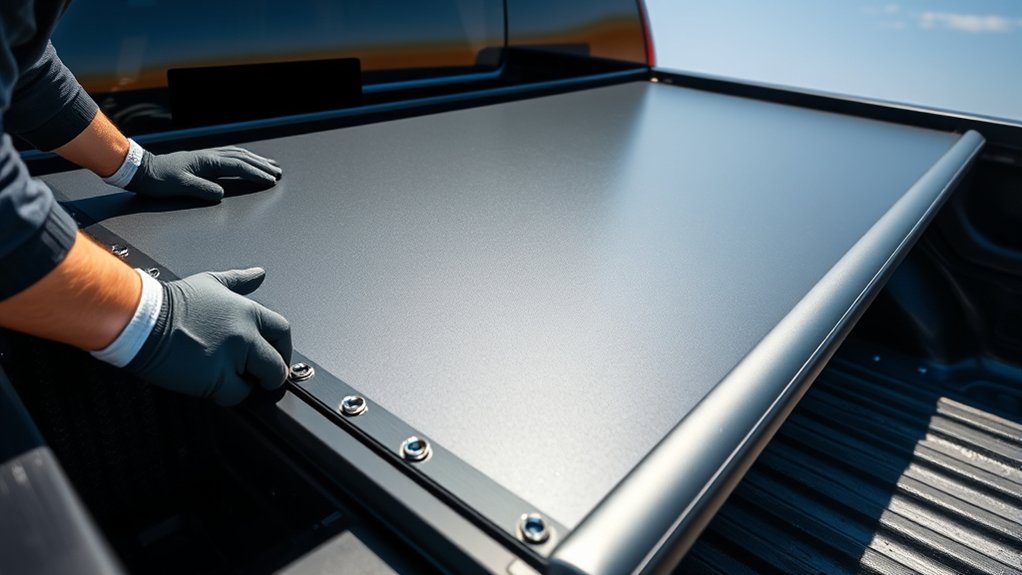
Carefully align the cover, tighten clamps gradually, and guarantee a watertight seal by adjusting as needed.
If you keep these steps in mind, you’ll navigate installation smoothly and get the most out of your setup.
Key Takeaways
- Clean and dry the truck bed and bedliner thoroughly before starting the installation process.
- Check the type of bedliner you have and make any necessary modifications or notches. This helps ensure that clamps and rails can be attached securely.
- Route the drainage tubes properly through the notches or cutouts in the bedliner. This allows water to drain out effectively.
- When aligning the tonneau cover, make sure it’s centered. Gradually tighten the clamps as you go.
- Once everything is in place, test the setup to see if it’s water-tight. Adjust as needed for the best fit.
- Keep an eye on the seals, drainage tubes, and clamps over time. Regular inspections help maintain water resistance.
- Don’t forget to perform periodic maintenance to keep your tonneau cover and bedliner in good shape.
How to Check If Your Bedliner Works With a Tonneau Cover
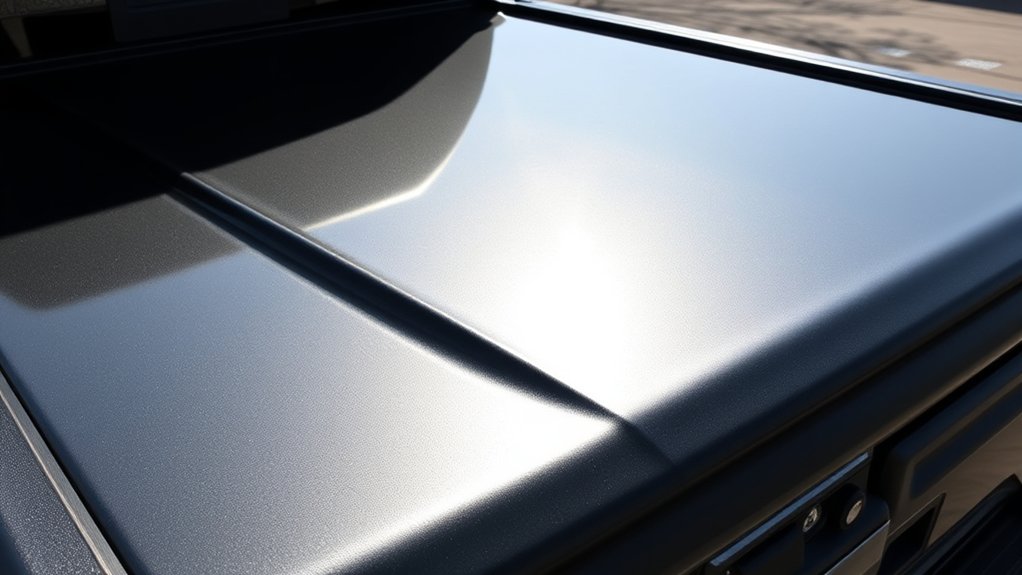
Before installing a tonneau cover, it’s important to check if your bedliner is compatible. Look at whether it’s an under-the-rail, spray-on, or drop-in type.
Most under-the-rail and spray-on bedliners work well with tonneau covers, but you might need to make some tweaks. For example, drop-in bedliners can block clamp attachment points because they’re thicker.
Most bedliner types work with tonneau covers, but thicker drop-in liners may require modifications for proper fit.
You may need to trim or drill to get a proper fit. Notching or cutting reliefs at clamp spots can help secure the cover properly.
If you have an over-the-rail bedliner, be prepared to spend extra time ensuring the cover fits and seals correctly.
Always examine your bedliner’s design and thickness. This will help you see if any adjustments are necessary for a secure, proper installation with clamps.
Understanding Different Bedliner Types and Their Impact on Installation
Different bedliner types can really impact how you install a tonneau cover, so knowing their design and placement is key. A drop-in bedliner adds thickness and often blocks mounting points, which can cause installation issues and might need some modifications.
On the other hand, spray-on bedliners sit flush with the truck bed surface, making for a smoother installation without much interference. Carpet bed liners mainly protect the sides and bottom, so they usually make installing a tonneau cover easier with minimal hassle.
Rubber bed mats only cover the bed floor, so they tend to be highly compatible with most tonneau covers. The most important thing to check is whether the bedliner covers or blocks the bed’s mounting edges and attachment points, as that will directly affect how easily you can install your cover.
Preparing Your Truck Bed: Cleaning, Measuring, and Inspecting
To guarantee a smooth installation of your tonneau cover, start by thoroughly cleaning your truck bed and bedliner to remove dirt, debris, and obstructions that could interfere with mounting. Once clean, measure your truck bed’s length, width, and height, paying close attention to the bedliner’s thickness and any variations in sidewall or rail dimensions.
This will help ensure compatibility and a proper fit. Next, inspect the bedliner for any damage, warping, or areas that might block mounting points or cause misalignment. Take note of features like rails or ridges, as they can affect the cover’s placement and sealing.
Finally, make sure the bed and bedliner are dry and free of loose particles for a tight seal and secure attachment. Proper prep is essential for a seamless installation.
Choosing the Best Tonneau Cover for Your Bedliner Setup
Choosing the right tonneau cover depends on your truck bed’s setup, especially when you have a bedliner installed. Make sure the cover you pick is compatible with your bedliner type—whether it’s spray-on, drop-in, or carpeted.
Hard fold covers usually fit well with spray-on liners, making them a good pick. Drop-in liners might need some modifications or notching for clamp attachment, so look for covers that are easy to install without a lot of adjustments.
Measure your truck bed carefully, including the thickness of your bedliner and the edge profiles. This helps you choose a cover that fits snugly and seals properly.
Check manufacturer specs and reviews from other users. That way, you can find models that work well with your specific bedliner setup. This ensures a secure, snug fit with your tonneau cover.
When and How to Modify Your Bedliner for a Secure Fit
Sometimes, you’ll need to modify your bedliner to ensure the tonneau cover clamps fit securely. Notching or trimming specific areas can help prevent interference.
Just be careful when doing this to protect the liner’s integrity. Always test the fit after making adjustments to make sure the cover attaches properly and stays sealed.
When Modifications Are Necessary
Modifications to your bedliner become necessary when it obstructs the mounting points or rails needed to secure your tonneau cover. If the bedliner covers these critical areas, your clamps won’t grip properly, risking leaks or insecure fitting. To fix this, you should:
- Create reliefs at clamp attachment points to guarantee a secure, leak-proof fit.
- Thin or trim the edges of drop-in or spray-on bedliners to prevent interference with clamp placement.
- Carefully measure and mark areas needing modifications to avoid damaging structural components.
Use appropriate tools like a utility knife or saw, and smooth rough edges afterward. These modifications help affirm your tonneau cover installs firmly and functions correctly without compromising the bedliner’s integrity.
Methods for Notching Liners
Notching your bedliner is important when its coverage blocks access to the bed rail or mounting points needed for your tonneau cover. Notching means carefully cutting or trimming sections of the bedliner to create clearance for clamps and hardware.
To do this effectively, you need to measure and mark precisely to avoid over-cutting or damaging the liner. Use a utility knife or saw to notch the liner at key locations where clamps will attach.
After cutting, smooth the edges with a file or sandpaper to prevent damage or injury during installation. Proper notching ensures a secure fit for your tonneau cover without compromising your bedliner’s protection.
Attaching Rails and Hardware Over Different Bedliner Styles
When attaching rails over different bedliner styles, you’ll want to adjust your approach to avoid causing damage and to ensure everything fits securely.
For spray-on or rubber liners, trimming or notching helps clear the clamp contact points so everything lines up properly.
With drop-in liners, you might need to drill or use specialized hardware to get a solid attachment.
Over-the-rail liners often require some extra adjustments to align the rails correctly without harming the bedliner.
Adapting To Bedliner Types
Different bedliner styles need specific approaches to attaching tonneau cover rails and hardware to ensure a secure fit. Spray-on bedliners usually don’t block mounting points, so you can install clamps directly.
With drop-in bedliners, the thicker bed edge often means you’ll need to trim or notch for clamp attachment points. Over-the-rail liners might require relief cuts to help clamps grip the bed’s lip securely.
When attaching hardware over any bedliner covering the bed’s lip, it’s important to notch or cut reliefs at clamp locations for a proper fit. Use relief cuts or notches to access mounting points on thick or over-the-rail liners.
Consider adding hardware like extension clamps for thicker or covered edges. Always verify clamp placement lines up with the bedliner’s contours and relief cuts.
Securing Without Damage
Securing a tonneau cover without causing damage takes some care, especially when attaching rails over different bedliner styles. It’s important to ensure a snug fit without harming your bedliner.
For spray-on bedliners, you can clamp directly to the bed rails or lip because they usually don’t block the mounting points. Just be sure to tighten the clamps evenly to avoid any damage.
With drop-in liners, you’ll need to notch or cut reliefs at the clamp points. This prevents the liner from obstructing the clamps and helps keep a tight, waterproof seal.
Always tighten clamps gradually and evenly. This reduces the risk of damaging the liner and makes sure your tonneau cover stays securely in place.
Using proper reliefs and careful tightening helps prevent damage and keeps everything secure. Use the table below to see where to place clamps and how to make reliefs for different bedliner styles:
| Bedliner Style | Reliefs Needed | Clamps Placement |
|---|---|---|
| Spray-on | No | Bed rails/lip |
| Drop-in | Yes | Notched areas |
| Other | Consult | Manufacturer |
Routing Drainage Tubes Effectively With a Bedliner
Routing drainage tubes effectively with a bedliner is key to preventing water buildup under your tonneau cover. Good routing allows water to flow freely, avoiding pooling that could damage your truck or cover.
Start by routing the drainage tubes through notches or cutouts in the bedliner. Make sure they hang freely at the bed’s corners for the best water runoff.
Extend the drain tubes to the tailgate or bed corners by drilling holes or using flexible extensions. This prevents water from pooling underneath your truck.
Secure the drainage tubes above the bedliner with zip ties or clips. This keeps them in place and ensures proper drainage.
When working around or through a spray-on liner, notch or cut it carefully. Regularly check and clear the drainage tubes to prevent clogging.
How to Adjust and Align Your Tonneau Cover for a Perfect Seal
To get a perfect seal, start by making sure your tonneau cover is centered and parallel to the bed rails before tightening any clamps. This helps ensure everything lines up correctly from the start.
Gradually tighten the clamps on both sides, checking for even pressure and alignment as you go. Take your time to make small adjustments so everything stays straight.
Finally, test the seal by spraying water over the cover. Make small tweaks until you’re sure there are no gaps or leaks.
Ensuring Proper Cover Alignment
Achieving a proper seal with your tonneau cover requires careful adjustment and alignment. To do this effectively:
- Check that the side rails are level and parallel to the bed rails using a level or measuring tape. Proper alignment helps the cover contact the bedliner evenly.
- Adjust the clamps gradually, loosening and tightening on each side to spread pressure evenly. This prevents gaps or bulges and ensures a tight seal.
- Inspect the cover edges, making sure they’re flush with the bedliner sides. Reposition or relevel the cover if it sags or isn’t aligned, so it seals tightly against the bedliner for maximum protection.
Adjusting for Water Tightness
Ensuring water tightness means making careful adjustments to your tonneau cover’s alignment and tension. First, check that the seals and weather stripping are clean, well-positioned, and compressed against the bed edges for the best waterproofing.
Next, adjust the tension straps or clamps to eliminate gaps or sagging that could let water seep in. Proper alignment along the bed rails is key to maintaining an even contact surface for a snug seal.
Use a garden hose to simulate rain and spot leaks at seams, clamps, or edges. Make further adjustments as needed to fix any leaks you find. Regularly tighten or reposition the cover and seals to account for wear and environmental factors.
Troubleshooting Common Installation Challenges With Bedliners
When installing a tonneau cover over a bedliner, you might run into some challenges because of how the liner is designed, especially if it covers the bed’s lip or edges. To fix this, you’ll want to focus on common issues like clamp fit and alignment.
Trimming or notching the bedliner can create space for clamps and rails, helping the cover attach securely. This makes a big difference in how well everything stays in place.
Making relief cuts at clamp points can also prevent leaks and help the cover sit flush against the bedliner. It’s a simple step that improves the overall fit.
Finally, properly aligning the bedliner before installing the cover is key. It ensures a tight seal and helps avoid misfits down the line.
Tips for Maintaining Your Tonneau Cover and Bedliner Long-Term
Regular maintenance is key to keeping your tonneau cover and bedliner in top shape over the long haul. Start by cleaning both with mild soap and water to prevent dirt buildup that can cause deterioration.
Regularly inspect seals, hinges, and moving parts for wear or damage. Lubricate them as needed to ensure everything moves smoothly.
Keep drainage tubes clear of debris and check that water drains properly. This helps prevent pooling, which could lead to damage over time.
Avoid harsh chemicals or abrasive tools that might harm the materials. When not in use, especially during winter or extended periods, store your cover properly to prolong its lifespan.
Proper maintenance protects against water infiltration and keeps your bedliner and cover looking good and functioning well for years to come.
Removing or Upgrading Your Cover When You Have a Bedliner
Removing or upgrading your tonneau cover with a bedliner requires careful planning to avoid damaging either component. Start by gently detaching clamps or fasteners, making sure to keep the hardware for reinstallation.
Next, thoroughly clean the mounting rails and surrounding areas to ensure a proper fit and seal when installing the new or upgraded cover. Be mindful that the bedliner may need modifications, such as notching or trimming, to fit new hardware or design features.
Use gentle tools during removal to prevent damaging the bedliner’s protective surface. Finally, verify that your new cover is compatible with the existing bedliner type and configuration, making adjustments if needed.
Proper preparation helps ensure a smooth upgrade without risking damage to either the bedliner or cover.
Expert Tips for a Successful Tonneau Cover Installation
To make sure your tonneau cover installation goes smoothly, start by checking if your bedliner is compatible with your cover type, whether it’s spray-on or drop-in. Proper measurement is key—measure your truck bed accurately to choose the right size and see if any modifications are needed.
When attaching clamps, notch or trim your bedliner at the clamp points to ensure a secure fit. Use clamps or hardware designed specifically for your cover model, and tighten them gradually so pressure is even. This helps prevent leaks and guarantees a snug, secure fit.
Here’s a quick visualization:
| Clamps & Hardware | Bedliner Modifications |
|---|---|
| Secure attachment | Notch or trim at points |
| Gradual tightening | Prevents leaks |
Getting accurate measurements and taking your time with installation are essential for a leak-proof, functional tonneau cover.
Frequently Asked Questions
Can You Put a Tonneau Cover on a Truck With a Bed Liner?
Yes, you can put a tonneau cover on a truck with a bed liner. You just need to check what type of bed liner you have—under-the-rail, spray-on, or drop-in.
For drop-in or over-the-rail liners, you might have to trim or notch the liner to fit the clamps and rails properly. Just make sure everything lines up correctly.
Also, remember to route drainage tubes if needed to keep water out and prevent any leaks.
What Are Common Problems With Spray in Bedliners?
Common problems with spray-in bedliners include cracking, peeling, and bubbling over time due to UV exposure and temperature changes. You might also face adhesion issues if the surface wasn’t properly prepared before application.
Furthermore, improper mixing can weaken the liner, and trapped moisture can lead to rust underneath. Over-application or thick layers could cause cracking or bubbling as the material cures and contracts.
Regular maintenance helps prevent these issues.
How Thick Are You Supposed to Spray a Bedliner on a Truck?
You’re supposed to spray a bedliner about 100 mils thick—that’s roughly the thickness of a credit card stack, but for your truck bed.
Too thin, and it won’t protect much. Too thick, and it might crack or peel.
Professional installers usually measure with a mil gauge during application to hit that sweet spot.
Aim for that perfect balance of flexibility and durability, and your bedliner will serve you well.
Is It Hard to Install a Tonneau Bed Cover?
Installing a tonneau cover can be easy or challenging depending on your truck bed’s setup.
If your bedliner covers mounting points or has thick edges, you might need to make some modifications.
Using the right tools, measuring carefully, and following the manufacturer’s instructions will help make the process smoother.
Many covers are designed for quick clamp-on setup, so with proper preparation, it’s manageable even if you have a bedliner.
Conclusion
Think of installing a tonneau cover with a bedliner like fitting a puzzle piece—you need the right match to complete the picture. When you check compatibility, prepare carefully, and follow expert tips, you’re setting yourself up for success.
I once struggled for hours until a quick adjustment made everything click into place. That moment transformed my truck from a hassle to a smooth operation. With patience and the right approach, you’ll have a secure, long-lasting setup.
This setup keeps your gear protected and your truck looking sharp. Installing a tonneau cover with a bedliner might seem tricky at first, but with the proper steps, you’ll get it done right.