How to Keep Jeep Wranglers Reliable After 100K
If you love hitting the trails in your Jeep Wrangler but worry about its reliability after hitting 100K miles, you’re not alone. Many Jeep owners face the challenge of keeping their adventure buddy in top shape as it ages. Staying ahead with proper maintenance and quick fixes is key to enjoying worry-free off-road trips and daily drives.
To keep your Jeep Wrangler reliable after 100K miles, prioritize regular maintenance like oil, fluid, and filter changes. Monitor your suspension, brakes, and electrical systems for wear.
Consider upgrading parts for durability, such as reinforced axles and skid plates.
Address rust and leaks promptly and stay attentive to unusual noises or performance issues.
Consistent care guarantees your Jeep can handle off-road adventures and daily commutes with confidence. Keep exploring how you can extend its life even further.
Key Takeaways
– Perform regular maintenance, like oil changes, fluid replacements, and inspections of belts, hoses, and filters.
Keeping up with these basics helps prevent small problems from turning into big repairs.
Check and replace critical components such as the timing belt, spark plugs, and cooling system.
Doing this regularly can help you avoid unexpected breakdowns on the road.
Inspect for rust, corrosion, and wear on the suspension, undercarriage, and protective parts.
If you spot any issues early, you can address them before they become major repairs.
Upgrade essential parts like axles, suspension, and cooling systems.
These upgrades boost durability, especially on high-mileage vehicles.
Keep an eye out for signs of mechanical issues like unusual noises, vibrations, or overheating.
Address repairs early to keep your Jeep running smoothly mile after mile.
Why Regular Maintenance Is Key to Your Jeep’s Long-Term Reliability
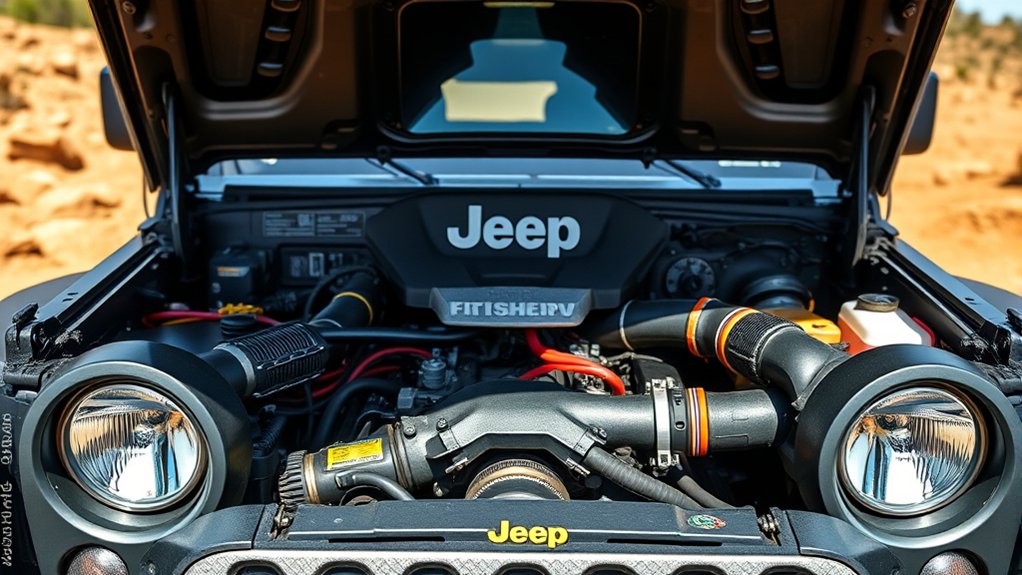
Regular maintenance is essential if you want your Jeep Wrangler to stay reliable after 100,000 miles. Consistently performing regular maintenance helps guarantee long-term reliability by preventing wear and tear on critical components.
Regular oil changes every 3,000 to 5,000 miles keep your engine running smoothly and protect it from premature damage. Routine inspections of belts, hoses, and filters help you catch early signs of deterioration, reducing the risk of costly breakdowns.
Regular oil changes and inspections prevent damage and costly breakdowns, ensuring your Jeep runs smoothly long-term.
Fluid changes, including transmission, coolant, and differential fluids, extend the lifespan of your vehicle’s parts and prevent overheating. Keeping detailed maintenance records and following the manufacturer’s schedule not only preserves your Jeep Wrangler’s performance but also maintains its value over time.
Regular maintenance is your best defense against unexpected issues down the road.
What to Check and Replace After 100K Miles
Wondering what maintenance tasks are essential after your Jeep Wrangler hits the 100,000-mile mark? High-mileage maintenance is crucial to keep your engine running smoothly and ensure safety. You should inspect and replace the timing belt or chain if needed, as it’s vital for engine timing.
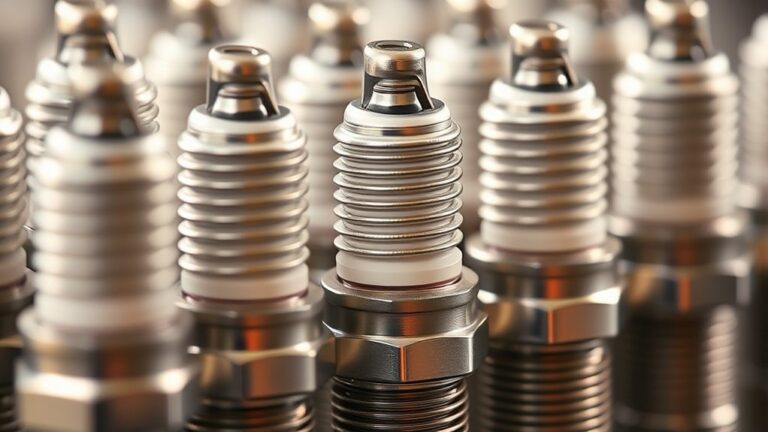
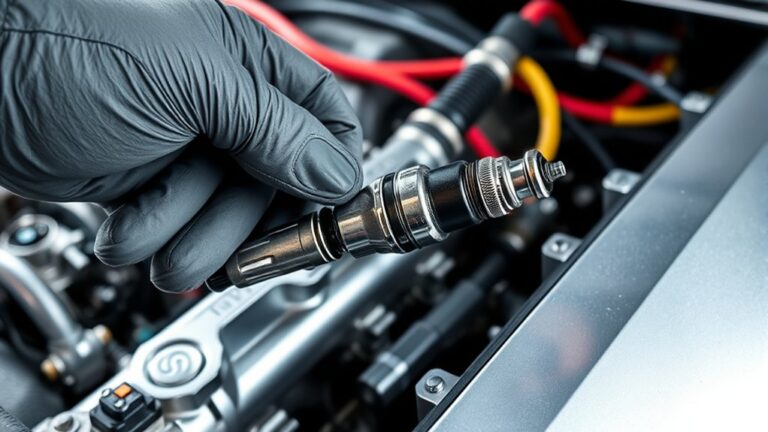
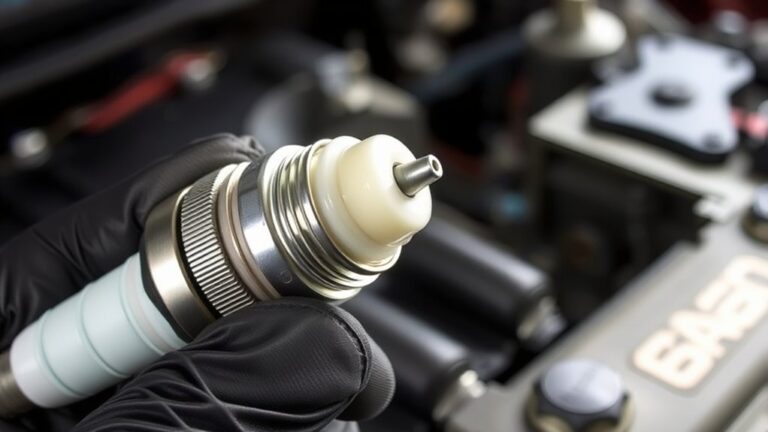
Changing the transmission fluid and filter helps prevent transmission wear and keeps shifting smooth. Replacing spark plugs and inspecting ignition components boost engine performance. Also, flush and replace the coolant to prevent overheating and corrosion.
Don’t forget to check brake pads, rotors, and brake fluid for reliable stopping power. Here’s a quick overview:
| Task | Purpose |
|---|---|
| Timing belt/chain | Maintain engine timing |
| Transmission fluid | Guarantee smooth shifting |
| Coolant flush | Prevent overheating and corrosion |
Preventative Maintenance Tips for Off-Roading and Daily Driving
To keep your Jeep reliable both on and off-road, make sure to regularly check and replace fluid levels. This simple step can prevent bigger problems down the road.
It’s also important to inspect your suspension components, like shocks and bushings, especially after rough terrain. Catching wear early helps avoid more costly repairs later.
Staying on top of these maintenance tasks will help ensure your vehicle stays dependable, no matter where your adventures take you.
Regular Fluid Checks
How often you check and replace your Jeep Wrangler’s fluids can make a big difference in its longevity and performance. Regular fluid checks prevent costly repairs and keep your vehicle running smoothly.
You should inspect your engine oil every 3,000 to 5,000 miles to avoid engine wear. Keep an eye on coolant levels and condition, flushing it around 30,000 miles to prevent overheating.
Check and change transmission fluid and differential fluids at recommended intervals, typically between 30,000 and 60,000 miles. Don’t forget brake fluid—replace it every 2 years to maintain braking efficiency.
After off-road adventures, verify transfer case and power steering fluids, topping them off when needed.
- Bright, clean engine oil
- Coolant with no discoloration
- Smooth, leak-free transfer case
- Clear, bubble-free brake fluid
- Well-lubricated differential gears
Inspect Suspension Components
Regularly inspecting your Jeep Wrangler’s suspension components is key to keeping its ride smooth and safe, especially after off-road adventures or rough daily drives. Check parts like shocks, bushings, and control arms for any signs of wear, cracks, or leaks that could affect off-road performance.
Replace worn suspension parts early to prevent uneven tire wear, poor handling, and extra strain on other systems. During routine maintenance, test for excessive play or looseness in ball joints and tie rods to avoid steering problems or suspension failure.
Use high-quality, heavy-duty replacement parts designed for off-road use to make your suspension last beyond 100,000 miles. Also, perform alignment checks once a year or after off-road trips to keep your suspension geometry proper and tires wearing evenly.
Upgrades for Better Durability and Performance
Upgrading key components can significantly boost your Jeep Wrangler’s durability and performance beyond 100,000 miles. To handle high-mileage and off-road adventures, consider these upgrades:
Enhancing key components boosts Jeep durability and performance beyond 100,000 miles for off-road adventures.
- Reinforced axles for extra strength during tough terrain
- Heavy-duty suspension parts to improve durability and ride comfort
- Upgraded radiators and water pumps to prevent overheating on long drives
- Robust electrical wiring and sensors to cut down on electrical issues
- High-performance synthetic gear oils and coolants to extend component life
These upgrades make your Jeep more reliable and better off-road. They help keep it dependable long after hitting the 100K mark. Focus on strengthening key systems, and you’ll enjoy better performance, fewer breakdowns, and a more resilient vehicle overall.
Signs Your High-Mileage Jeep Needs Repairs or Replacement
If your Jeep starts making unusual noises or vibrations, it’s a clear sign something’s wrong and needs checking.
A noticeable drop in performance or fuel efficiency also indicates potential issues that could lead to bigger problems if ignored.
Keep an eye on these signs to prevent costly repairs and ensure your vehicle stays reliable.
Unusual Noises or Vibrations
Unusual noises or vibrations are clear signals that something’s wrong with your high-mileage Jeep Wrangler. If you hear clunking or grinding when turning, it might be worn CV joints or suspension parts.
Vibrations or shimmying at certain speeds could point to wheel imbalance, worn tires, or issues with the steering linkage or drivetrain. Squealing or squeaking during braking often means worn brake pads or rotor problems that need urgent attention.
A knocking noise from the engine bay could indicate failing motor mounts or internal engine issues. Also, if you notice rattles or buzzing over rough terrain, it might be loose or damaged suspension parts or undercarriage components.
Pay close attention to these signs to prevent further damage and keep your Jeep reliable.
Decreased Vehicle Performance
Decreased vehicle performance in your high-mileage Jeep Wrangler is a clear sign that repairs or replacements might be necessary. You may notice sluggish acceleration, poor throttle response, or a drop in fuel efficiency. These issues often come from worn spark plugs, dirty fuel injectors, or transmission wear.
Unusual noises during acceleration could mean worn CV joints or transmission problems. Coolant leaks or persistent overheating suggest radiator or water pump issues. Regular maintenance like oil changes, brake inspections, and coolant checks can help prevent these problems.
Consider the following:
| Issue | Possible Cause | Action Needed |
|---|---|---|
| Sluggish acceleration | Worn spark plugs, dirty fuel injectors | Replace spark plugs, clean fuel system |
| Overheating | Failing water pump, radiator leaks | Water pump repair, coolant top-up |
| Poor braking | Worn brake pads, rotors | Brake pad and rotor replacement |
| Fuel efficiency decline | Clogged filters, failing sensors | Replace filters, sensor diagnostics |
How Off-Roading and Harsh Conditions Impact Reliability
Off-roading and harsh conditions put a lot of strain on your Jeep Wrangler, speeding up wear on key parts. Mud, water, and debris can damage seals, leading to leaks and water getting inside.
Rough terrain also increases corrosion and rust on the undercarriage and body panels. Off-road conditions stress drivetrain components like transfer cases and differentials, risking early failure.
Water ingress can cause electrical system issues and sensor malfunctions, which hurt vehicle performance. To handle these challenges, proper modifications like skid plates and waterproofing are essential.
Imagine your Jeep crossing rocky trails, splashing through muddy water, with grime building up on suspension parts and rust forming on exposed metal. Protecting these areas keeps your Wrangler reliable and ready for your next adventure.
What to Look for When Buying a High-Mileage Used Jeep Wrangler
When buying a high-mileage used Jeep Wrangler, it’s important to carefully review its maintenance history and overall condition. Look for records of regular oil changes, fluid replacements, and repairs around the 100,000-mile mark.
Check for common issues like oil leaks, suspension wear, transfer case problems, radiator leaks, and electrical sensor failures. These are typical signs of wear and tear you want to catch early.
Pay special attention to the transfer case, differential fluids, and transmission fluid. They give clues about ongoing maintenance and help you estimate future repair costs.
Look for signs of heavy off-road use, such as rust or damaged skid plates, which can indicate rough handling or neglect. It’s a good idea to have a trusted mechanic do a detailed inspection before buying.
Use this table to guide your assessment:
| Key Areas | What to Check | Why It Matters |
|---|---|---|
| Transfer case & fluids | Condition & leaks | Future repair costs |
| Suspension & undercarriage | Wear & rust | Heavy usage signs |
| Electrical sensors | Functionality & corrosion | Reliability concerns |
Frequently Asked Questions
How Reliable Are Jeep Wranglers After 100K Miles?
Jeep Wranglers can stay pretty reliable after hitting 100,000 miles if you keep up with regular maintenance.
Changing the oil, replacing fluids, and doing inspections regularly can help catch problems early before they turn into big issues.
Pay close attention to the suspension, drivetrain, and electrical parts, and fix any problems as soon as they pop up.
Using the right parts recommended by the manufacturer and getting repairs done promptly will help your Wrangler last well beyond 200,000 miles with good care.
Staying consistent with maintenance is the key to keeping your Jeep durable and running smoothly for many miles.
What Is the Jeep Death Shake?
The Jeep Death Shake is that terrifying, stomach-churning wobble in your steering wheel around 45-55 mph, like your Jeep’s trying to tell you it’s had enough.
It’s usually caused by unbalanced or bent tires, worn-out suspension, or loose lug nuts.
To fix it, you’ll want to balance those tires, realign the wheels, and check the suspension parts—because nobody wants their ride to feel like a roller coaster.
What Maintenance Does a Jeep Need After 100K Miles?
After 100,000 miles, you should inspect and replace the timing belt or chain if needed. Also, change the engine oil and filter regularly, and check all fluid levels.
You also need to examine brake components, suspension parts, belts, hoses, and electrical wiring for wear or damage. Addressing these maintenance tasks promptly keeps your Jeep running reliably.
It also helps prevent costly repairs and extends its lifespan beyond the 100K mark. Keeping up with these checks ensures your Jeep stays in good shape for miles to come.
Do Jeeps Last After 100K Miles?
Think of your Jeep as a trusty steed, capable of enduring many battles if cared for properly. Yes, Jeeps can last beyond 100,000 miles, especially when you stay on top of maintenance and address issues early.
With diligent care, many owners enjoy their Wranglers reaching 200,000 miles or more. Keep the engine tuned, fluids fresh, and repairs timely, and your Jeep will continue to serve you faithfully for years to come.
Conclusion
Keeping your Jeep Wrangler reliable after 100K miles takes dedication, regular maintenance, and smart upgrades.
Stay alert to signs of wear and tear, and understand how off-road adventures can impact your vehicle. This way, you can extend its lifespan and keep it performing well.
Are you ready to give your Jeep the care it needs to handle new trails and daily drives? With the right approach, you’ll keep your Wrangler running strong for many more miles to come.