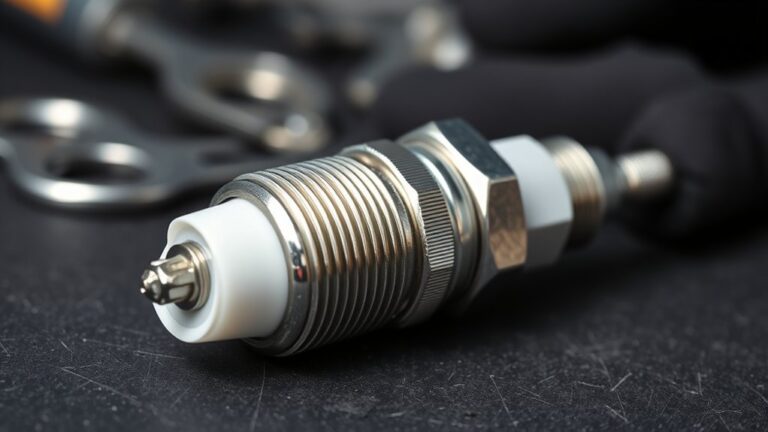
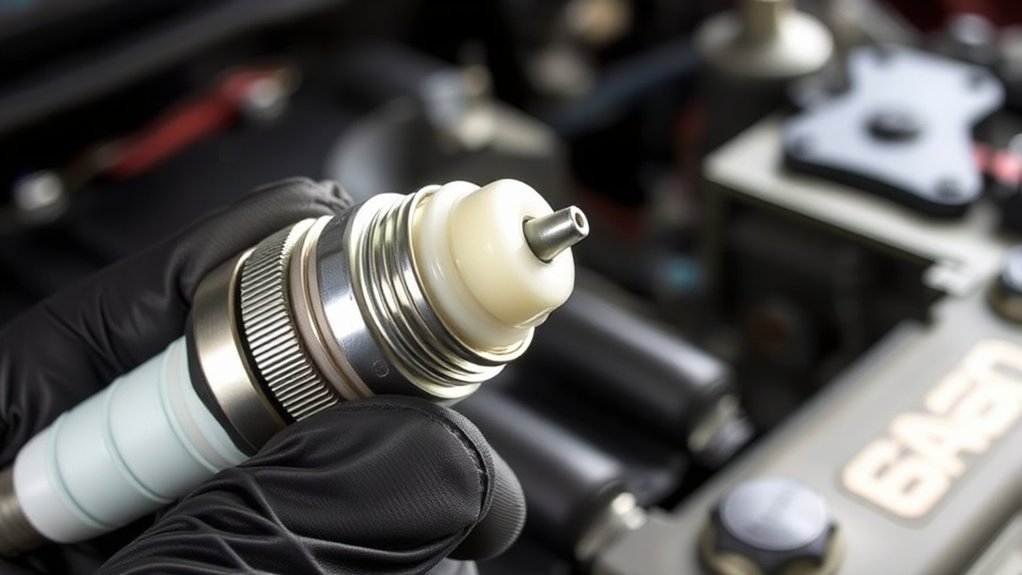
Where to Put Dielectric Grease on Spark Plugs in 7 Essential Steps
Many car owners find themselves struggling with spark plug issues, especially when it comes to preventing moisture and ensuring a solid electrical connection. If you’re tired of misfires or difficulty starting your engine, you’re not alone.
Properly applying dielectric grease on spark plugs can make a big difference, and it’s easier than you might think.
To apply dielectric grease on spark plugs, start by cleaning both the spark plug and the boot to remove dirt and moisture.
Next, take a small amount of grease and spread it evenly inside the inside of the boot, avoiding the electrode and spark gap.
Reinstall the boot securely, ensuring it snaps into place.
Proper application creates a moisture barrier and maintains electrical contact.
If you want to get the details on doing this step-by-step, keep exploring.
Key Takeaways
- Start by cleaning the inside of the spark plug boot and the contact area. You want to make sure there’s no dirt or debris before applying the grease.
- Take a small amount of dielectric grease and spread it evenly inside the boot. Be careful to avoid the electrode and spark gap because you don’t want to interfere with the spark.
- Make sure the grease creates a good moisture barrier but doesn’t disrupt the electrical contact. It’s all about protecting against moisture without interfering with the spark.
- Once the grease is applied, reinstall the boot securely. Listen for it to snap into place so you know it’s fitted properly.
- Every time you remove or install the boot, reapply a bit of grease. This keeps everything protected and ensures a good connection each time.
Why Properly Applying Dielectric Grease Matters for Spark Plugs
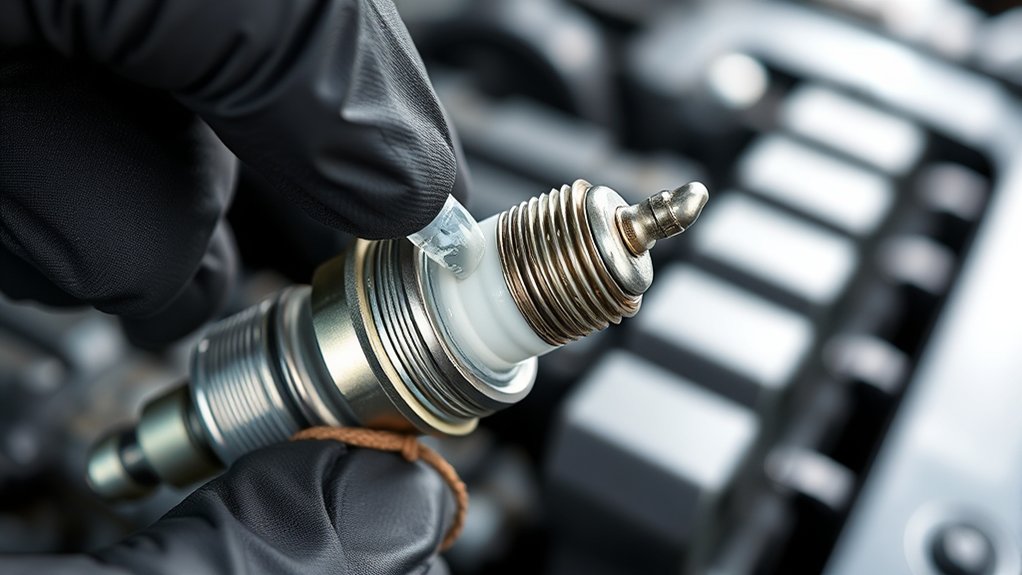
Properly applying dielectric grease on your spark plugs is essential because it helps prevent moisture from entering the ignition system and causing corrosion.
When you use dielectric grease on the spark plug boot, it creates an effective moisture barrier that protects electrical connections from water damage. This layer keeps your ignition components dry, reducing the risk of misfires and corrosion.
Applying the grease to the inside of the boot helps maintain a secure, water-resistant seal without interfering with electrical contact. Just be sure not to put dielectric grease directly on the spark plug electrode or threads, as that can disrupt spark formation.
Proper application improves the seal of ignition connections, prolongs their lifespan, and ensures your engine runs reliably.
Where to Apply Dielectric Grease on Spark Plugs
- Focus on the inside of the spark plug boot.
- Use a small amount of dielectric grease.
- Avoid applying on the electrode or gap.
- Make sure you get even coverage for a good moisture barrier.
Clean and Inspect Spark Plug and Boot Before Applying Dielectric Grease
Before applying dielectric grease, make sure to clean the spark plug and boot to remove dirt and oil.
Check for any signs of wear, corrosion, or cracks, and replace them if needed.
Make sure both surfaces are dry and free of moisture to prevent misfires.
Clean Connection Surfaces
To make sure the dielectric grease works well, you need to clean the spark plug and boot surfaces thoroughly first. Clean connection surfaces help ensure good electrical contact and stop moisture from causing corrosion or misfires.
Before applying dielectric grease, check the spark plug and boot for cracks, damage, or corrosion that could mess up the seal or connection. Use a clean cloth or compressed air to remove dirt, oil, and debris from the contact surfaces.
Proper cleaning helps the grease seal properly without trapping moisture or dirt, keeping the connection reliable. Skipping this step can lead to poor performance or electrical problems.
Focus on making sure the surfaces are clean and free of contaminants for the best results and long-lasting spark plug connections.
Inspect for Damage
Inspecting your spark plug and boot for damage is a crucial step before applying dielectric grease, as any flaws can compromise the connection. Carefully look for cracks, corrosion, or excessive wear on the spark plug, and replace it if needed.
Check the boot for any damage like tears or gaps, which could prevent a proper seal and good electrical contact. Clean the surfaces of the spark plug and boot thoroughly using a wire brush or compressed air to remove dirt, debris, and moisture.
Make sure the inside of the boot is free of old grease, dirt, or corrosion so it fits securely. Do a quick visual check to ensure the boot fits snugly over the spark plug terminal without gaps or damage, which helps ensure peak performance.
How to Apply Dielectric Grease Inside Spark Plug Boots Step-by-Step
Applying dielectric grease inside the spark plug boot is a simple step that helps ensure a moisture-resistant seal and makes installation easier.
Applying dielectric grease inside spark plug boots ensures a moisture seal and easier installation.
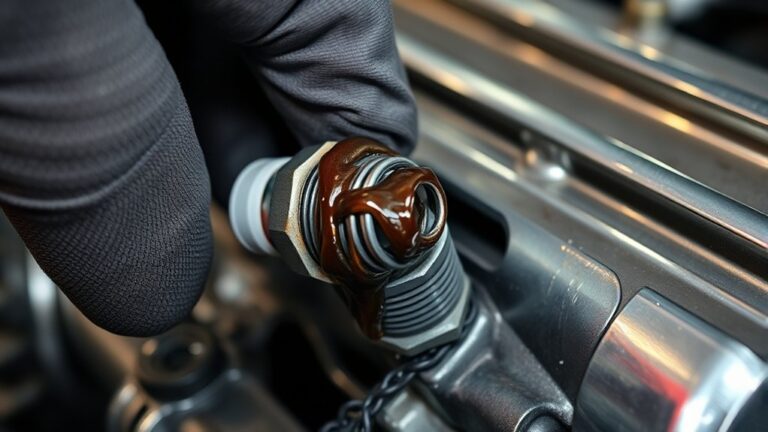
First, make sure the inside of the spark plug boot is clean. Use your finger, a brush, or an applicator to spread a small amount of dielectric grease evenly inside the boot.
Be careful not to get any grease on the metal contact or electrode of the spark plug, since that can interfere with the spark.
Keep the layer thin—just enough to seal out moisture and help with installation.
Spread the grease evenly over the interior surface for the best results.
Use a clean finger or an applicator for precise application.
Avoid overapplying to prevent contamination or mess.
Finally, reinstall the boot until it snaps securely into place.
Common Mistakes to Avoid When Using Dielectric Grease on Spark Plugs
Using dielectric grease improperly can cause more harm than good, so it’s important to be aware of common mistakes. Applying grease directly inside the spark plug gap or on the electrode can disrupt spark formation and lead to misfires.
Using too much grease on the boot or connector can trap moisture and debris, causing corrosion or poor electrical contact. Greasing the spark plug threads instead of the boot may prevent proper torque and damage threads.
Applying dielectric grease to the metal contact surfaces where the spark plug mates can interfere with electrical conduction. Over-application or spreading grease beyond the designated sealing areas risks trapping water or dirt, reducing its protective benefits.
Avoid these mistakes to guarantee ideal spark plug performance and engine health.
When and How to Reapply Dielectric Grease for Optimal Performance
Reapplying dielectric grease at the right times is key to keeping your spark plugs protected and easy to work on. You should do this whenever you remove or install a spark plug boot to keep moisture out and dirt away.
Use a small, even layer inside the boot, but be careful not to get it on the electrode or spark gap. This helps prevent misfires and ensures proper ignition.
It’s also a good idea to apply dielectric grease around the base of the ignition coil or spark plug boot. This seals out water and dirt from the engine bay.
Whenever you clean or inspect the connectors, reapply the grease to keep moisture protection continuous. Follow your manufacturer’s advice, usually during every spark plug change or inspection, for the best performance and longer-lasting ignition system.
FAQs About Using Dielectric Grease on Spark Plugs
Are you wondering where exactly to put dielectric grease on your spark plugs? The key is applying it correctly for maximum performance. You should put dielectric grease inside the spark plug boot to act as a moisture barrier, preventing corrosion and moisture ingress.
This makes removal easier and helps seal out moisture. However, avoid applying dielectric grease directly on the spark plug electrode or inside the combustion chamber, as it can interfere with electrical conduction.
Proper application involves spreading a thin layer inside the boot, but never on contact points that need a clean metal-to-metal connection. The goal is to prevent moisture and corrosion without disrupting electrical transfer.
Frequently Asked Questions
Where Am I Supposed to Put Dielectric Grease on a Spark Plug?
You should put dielectric grease inside the spark plug boot, covering the inside surface that contacts the terminal. Apply a small, even layer to prevent moisture entry and corrosion.
Avoid putting it on the electrode, gap, or threads. Focus on the connection between the coil or wire boot and the spark plug.
Also, apply dielectric grease around the outside of the boot for waterproofing and easier removal later.
Do You Really Need Dielectric Grease for Spark Plugs?
You might wonder if dielectric grease is truly necessary for spark plugs, and the answer isn’t straightforward.
While it doesn’t improve electrical contact, it helps protect against moisture and corrosion, especially around the boot and connector.
If you want to prevent future issues, putting a small amount around the boot can be helpful.
Just remember, don’t apply it directly on the spark plug’s metal parts, or you could cause misfires and engine problems.
Can You Use Too Much Dielectric Grease on Spark Plugs?
Yes, you can use too much dielectric grease on spark plugs. When you overapply, it insulates the connection, causing poor electrical contact and potential misfires.
Excess grease can trap dirt and moisture, which can lead to corrosion. It also reduces friction, risking the boot slipping off or not seating properly.
Stick to a thin, even layer. More isn’t better and can actually harm your ignition system’s reliability.
Where Not to Put Dielectric Grease?
You shouldn’t put dielectric grease inside the spark plug gap, on the electrode or tip, or on the contact points between the plug and ignition coil or wire.
Avoid applying it inside male or female connectors where metal contacts touch, as it can hinder conduction.
Also, never put dielectric grease on the threaded area if it might spread into the combustion chamber, risking contamination and engine issues.
Conclusion
Think of dielectric grease as the guardian of your spark plugs, shielding them from moisture and corrosion. Proper application is like planting seeds of reliability in your engine’s heart.
When you care for these tiny protectors, your vehicle’s performance blooms, running smoother and longer. Remember, each step you take is a stroke in the masterpiece of your car’s health.
Keep nurturing this essential relationship, and your engine will always run with purpose and resilience. Using dielectric grease correctly on spark plugs is key to keeping your engine healthy and performing at its best.