Are Spark Plugs Universal?
Are you tired of guessing which spark plug is right for your vehicle? Many people struggle with finding the perfect fit, leading to engine problems or poor performance. You’re not alone in this; choosing the right spark plug can feel overwhelming.
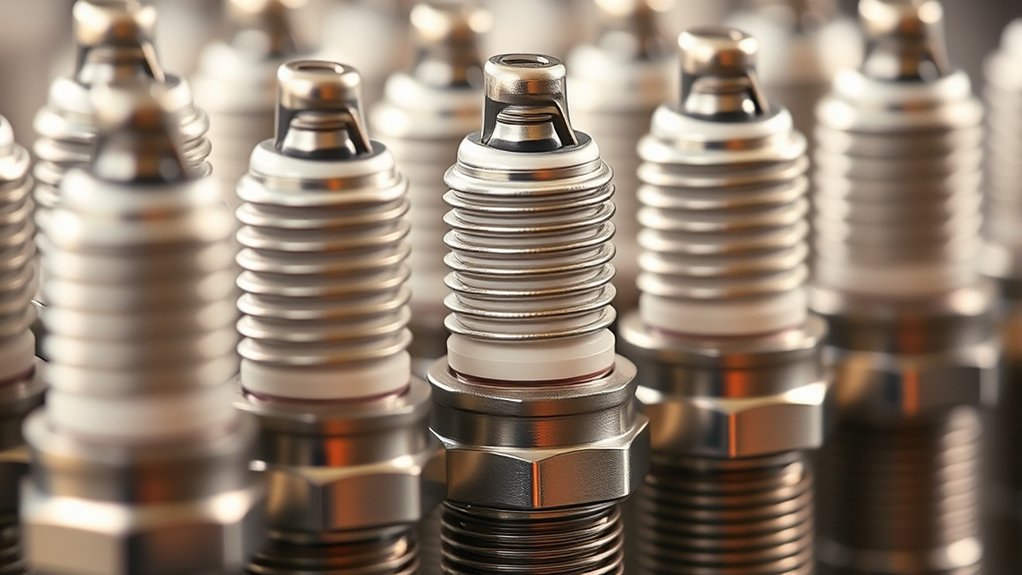
Spark plugs are not universal; they are designed to match your vehicle’s specific engine requirements. Factors like thread size, reach, heat range, and electrode shape must align with your car’s specifications.
Using the wrong spark plug can cause engine misfires, damage, or poor performance. To guarantee you get the right fit, always check OEM recommendations or your owner’s manual.
Keep going to find out more about choosing the perfect spark plug for your vehicle.
Key Takeaways
- Spark plugs are generally not universal; they need to match your engine’s specific requirements.
- The fit depends on thread size, reach, heat range, and electrode shape.
- Using the wrong spark plug can lead to misfires, engine damage, and reduced performance.
- OEM parts are made for particular vehicle models, so they usually fit perfectly.
- Aftermarket plugs might fit, but they should still meet OEM standards to ensure safety and good performance.
Are Spark Plugs Universal or Specific to Your Car?
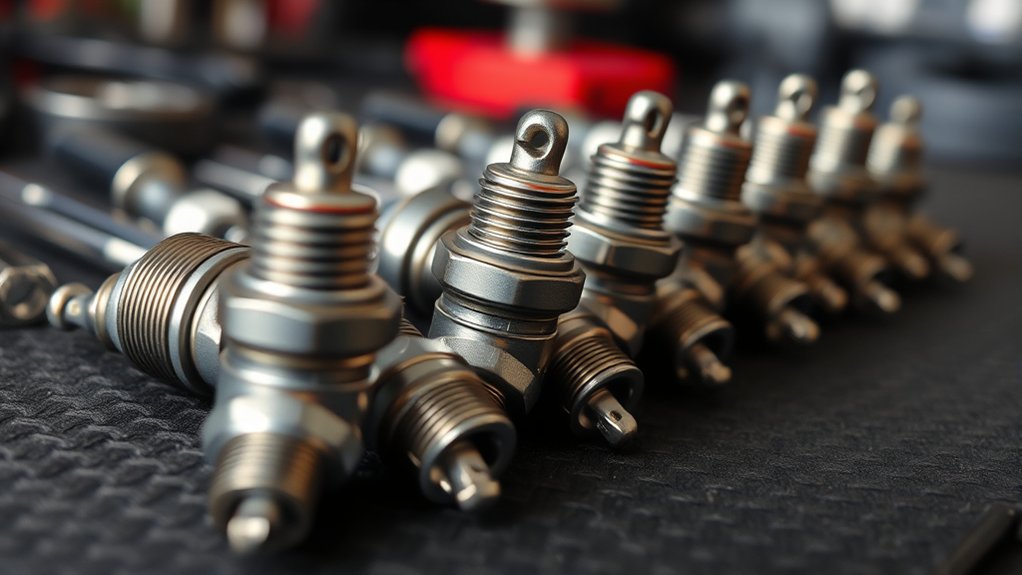
While many people wonder if spark plugs are universal, the truth is they aren’t interchangeable across all vehicles. Each car needs specific spark plugs designed to match its engine’s unique requirements, like thread size, reach, and heat range.
Using the wrong spark plugs can lead to misfires, engine damage, or reduced performance. Your vehicle manufacturer recommends particular spark plug types, often identified by OEM part numbers, to ensure they fit properly.
Variations in electrode shape and gap size also matter for proper fit and function. When you choose spark plugs that match your vehicle’s specifications, you ensure optimal ignition performance and help extend your engine’s lifespan.
Compatibility is key to keeping your vehicle running smoothly and efficiently.
What Factors Determine the Right Spark Plug for Your Vehicle?
To find the right spark plug for your vehicle, you need to consider factors like manufacturer specifications, engine type, and proper fit. Your owner’s manual and OEM recommendations are essential for ensuring compatibility and optimal performance.
The material of the spark plug also plays a role in how long it lasts and how well it works with your engine’s ignition system. Choosing the right one can make a big difference in your vehicle’s efficiency and reliability.
Vehicle Manufacturer Specifications
Have you ever wondered what truly determines the right spark plug for your vehicle? It all comes down to manufacturer specifications, which include thread size, reach, heat range, and electrode design.
Vehicle manufacturers provide detailed recommendations in your owner’s manual or technical service bulletins to guarantee you choose the correct spark plug. Using your vehicle’s VIN can help cross-reference and verify the exact specifications needed.
OEM (Original Equipment Manufacturer) parts are designed to match these original specs, ensuring ideal performance and spark plug compatibility. When selecting aftermarket options, make sure they meet or exceed OEM standards and follow manufacturer recommendations.
This careful adherence guarantees your spark plug fits properly and functions reliably, maintaining your vehicle’s performance and efficiency.
Engine Type Compatibility
Choosing the right spark plug goes beyond matching manufacturer specs; it also depends heavily on your engine type. Your engine’s design influences the spark plug’s materials, heat range, and electrode configuration.
Gasoline, diesel, and hybrid engines all have different requirements to ensure peak performance and durability. For example, modern engines with direct injection or turbocharging often need specialized spark plugs tailored to their specific heat and electrode needs.
Furthermore, the number of cylinders and firing order determine how many and where the spark plugs should be installed. Compatibility depends on these factors:
| Engine Type | Spark Plug Requirements |
|---|---|
| Gasoline | Standard heat range, traditional electrodes |
| Diesel | No spark plugs, different ignition system |
| Hybrid | Specialized, fuel-efficient spark plugs |
Proper Fit and Material
Ensuring the right fit and material for your spark plug is essential because even small mismatches can lead to engine misfires or damage. The proper fit depends on matching the spark plug’s thread size, reach, and seat type to your engine’s specifications.
An incorrect fit can cause leaks or poor contact, which reduces performance. Material choice also matters; copper, platinum, and iridium each offer different durability and performance benefits. You need to select a material that aligns with your engine’s ignition system.
Compatibility with the correct heat range prevents fouling or pre-ignition issues. Always check your vehicle’s owner manual or manufacturer recommendations to make sure you choose spark plugs that meet your engine’s exact specifications for the best performance and longevity.
How Do Different Types of Spark Plugs Compare in Performance?
Different types of spark plugs deliver varying levels of performance based on their materials and design. Copper spark plug types offer excellent conductivity and are budget-friendly, but they have lower durability. Platinum and double platinum options last longer, typically 60,000 to 100,000 miles, and are suitable for modern engines needing durability.
Iridium spark plugs are the most durable, requiring less voltage to spark, making them ideal for high-performance vehicles. Copper plugs excel in heat transfer but wear out faster. Platinum plugs balance performance and longevity.
Iridium plugs provide maximum durability and efficiency. Specialized plugs may boost ignition but offer minimal gains for daily driving. Choosing the right spark plug depends on your engine’s demands for ideal performance and durability.
Can Using the Wrong Spark Plug Damage Your Engine?
Using the wrong spark plug can seriously harm your engine over time. Incompatible spark plugs can cause misfires, leading to incomplete combustion and knocking.
Damage may occur if the heat range isn’t correct, causing overheating or fouling. This can damage pistons, valves, or cylinder walls.
A mismatch can also trigger pre-ignition or fouling, stressing engine parts and reducing performance. Using the wrong spark plug long-term might damage cylinder head threads or electrodes.
This risks costly repairs and can cause engine misfire codes, rough idling, and increased wear on ignition parts. Making sure you use the right spark plugs helps prevent damage and keeps your engine running smoothly.
How Do You Find the Correct Spark Plug for Your Car?
To find the correct spark plug for your car, start by checking your vehicle’s owner manual. It’ll give you details like size, heat range, and electrode type recommended by the manufacturer.
Next, look for a metal tag or label near the radiator or engine bay that lists part numbers or engine details. Using your Vehicle Identification Number (VIN) can also help cross-reference spark plug requirements through manufacturer databases or online tools.
You can also enter your vehicle’s make, model, and engine type into trusted online parts stores or spark plug calculators to find compatible options. Always verify the thread size, reach, and electrode configuration to ensure your spark plug matches the original or recommended parts.
This careful approach helps ensure proper fit and performance for your vehicle.
Are Spark Plug Wires Interchangeable Between Vehicles?
Spark plug wires aren’t universal; they differ in length, connector types, and angles to fit specific engines. Using the wrong wires can lead to misfires, poor performance, and electrical issues.
It’s important to make sure the wires match your vehicle’s specifications. This is key to reliable ignition and keeping your engine running smoothly.
Compatibility Varies by Model
Since spark plug wires are designed for specific engine setups, they aren’t interchangeable between different vehicles. Each one has unique connector types, lengths, and resistance levels that matter.
Using the wrong wires can cause ignition problems, misfires, or interfere with your electronic systems. Modern cars often need exact wiring matches, so universal replacements usually don’t cut it.
To get the best performance, you’ve got to match your spark plug wires to your vehicle’s specs. Compatibility depends on connector types and length, and resistance levels vary between brands and models.
If you don’t use the right ones, it can lead to engine misfires or other issues. Modern wiring designs often require precise matches to work properly.
Proper Fit Ensures Performance
Are spark plug wires truly interchangeable between different vehicles? Not quite. Proper fit is crucial for keeping your engine running smoothly.
Spark plug wires come in different lengths, connector types, and boot angles, all designed for specific engine setups. Using the wrong ones can cause misfires, reduce power, and even damage your ignition system.
Ensuring the correct fit means good electrical contact and prevents loose or mismatched connections. Manufacturers specify wires that match your engine’s firing order, voltage needs, and noise reduction.
When you choose the right spark plug wires, your engine runs more reliably and efficiently. Proper fitment helps maximize performance and keeps your vehicle safe on the road.
What Are the Risks of Installing the Wrong Spark Plug?
Installing the wrong spark plug can cause serious engine problems because it messes up the precise combustion needed for good performance. Using incompatible spark plugs might lead to misfires, hesitation, and rough idling.
It can also cause increased engine wear, fouling, and even internal damage. An incorrect spark plug might overheat or foul, which reduces spark efficiency and overall engine power.
Plus, a wrong spark plug can disrupt ignition timing, leading to less power and worse fuel economy. Be aware of these risks to avoid costly repairs.
- Engine damage from improper fit or overheating
- Increased fouling and wear
- Reduced fuel efficiency
- Potential damage to cylinder head threads
Choosing the right spark plug is essential to keep your engine running smoothly and avoid expensive repairs.
How Often Should You Replace Spark Plugs?
Regularly replacing your spark plugs is essential for keeping your engine running smoothly and avoiding costly repairs.
Most copper spark plugs need replacing every 30,000 to 50,000 miles, while platinum or iridium plugs can last up to 100,000 miles.
Copper spark plugs typically need replacement every 30,000 to 50,000 miles, while platinum or iridium plugs last up to 100,000 miles.
Always check your vehicle’s owner’s manual for the manufacturer’s recommended replacement interval to ensure optimal engine performance.
Signs that it’s time to change your spark plugs include rough idling, misfires, difficulty starting, or lower fuel efficiency.
Regular inspections during routine maintenance can help you spot worn or fouled spark plugs early.
Using the right replacement interval keeps your engine running smoothly, saves fuel, and prevents damage over time.
Don’t ignore these signs—replace your spark plugs as needed to keep your car in top shape.
Can You Change Spark Plugs Yourself? Tips and Precautions
Changing spark plugs yourself can save you some cash, but you’ll need the right tools like a spark plug socket, extension, and torque wrench.
First, always disconnect the negative battery terminal to stay safe. Then, check your vehicle’s manual for the correct plug type and gap.
When installing the new plugs, tighten them properly and start the engine to make sure everything runs smoothly.
Safety Precautions Needed
If you decide to replace your spark plugs yourself, safety should always come first. Taking proper safety precautions helps prevent injuries and ensures correct spark plug installation.
Always disconnect the vehicle’s battery to avoid electrical shocks or short circuits. Make sure the engine is cool to prevent burns and to make removal and installation easier.
Use the right tools, like a spark plug socket and torque wrench, to avoid damaging spark plugs or engine parts. Follow the manufacturer’s specs for spark plug type, gap, and torque to get it right.
Wear gloves and eye protection to shield against debris, dirt, and electrical discharges. Keeping safety in mind makes the process safer and more effective, so your spark plugs work properly.
Proper Tools Required
To successfully replace your spark plugs, having the right tools is essential. The proper tools for the job include a spark plug socket, ratchet wrench, and a torque wrench for accurate installation.
These tools ensure you can remove and install spark plugs correctly without damaging the threads or causing misfires. Always disconnect the negative terminal of the battery to prevent electrical shorts and prioritize safety.
Use the manufacturer-recommended size and type of spark plugs for your vehicle to avoid engine damage. Applying anti-seize compound on the threads can make future replacements easier, but avoid over-tightening to prevent thread damage.
Follow a step-by-step process, including proper gapping and inspecting ignition wires or coils, to ensure a safe and effective spark plug replacement.
Why Use OEM or Manufacturer-Recommended Spark Plugs?
Using OEM or manufacturer-recommended spark plugs guarantees your engine runs smoothly and efficiently because they’re specifically designed to match your vehicle’s unique specifications. These plugs ensure proper compatibility with your engine’s heat range, thread size, and electrode configuration.
By choosing OEM parts, you help maintain your vehicle’s original performance and prevent potential damage from incompatible components. OEM spark plugs are tested and validated by the manufacturer to meet strict standards for durability, heat dissipation, and electrical conductivity.
When you opt for manufacturer-recommended spark plugs, you reduce risks like misfires, engine knocking, and decreased fuel efficiency. Using OEM parts also supports warranty compliance and guarantees the best fit with your ignition system and engine design.
- Perfect fit for your vehicle
- Maintains original performance
- Ensures durability and safety
- Supports warranty requirements
Where Can You Get Expert Advice on Spark Plug Selection?
Getting expert advice on spark plug selection is key to making sure you pick the right parts for your vehicle. You can ask certified auto mechanics at trusted repair shops like Small World Auto Repair for personalized tips.
Automotive service centers such as Firestone or Pep Boys have trained technicians who can recommend the best spark plug type and specs for your car. Dealerships also provide OEM parts and professional guidance to ensure compatibility.
Plus, many online tools let you cross-reference your VIN or registration details for quick, expert-approved options. These sources make it easy to find the right spark plugs with confidence.
Here’s a quick overview:
| Source | What They Offer | Why It’s Useful |
|---|---|---|
| Automotive service centers | Trained technicians for tailored advice | Accurate, personalized recommendations |
| Dealerships | OEM parts and expert guidance | Compatibility assurance |
| Online tools | Cross-referencing vehicle info | Convenient, quick advice |
Frequently Asked Questions
How Do I Know if a Spark Plug Will Fit My Car?
You can figure out if a spark plug fits your car by checking your owner’s manual or looking at the existing spark plug for details like thread size, reach, and heat range.
Using online tools or VIN databases can also help you find compatibility.
It’s a good idea to talk to a trusted mechanic or visit an auto parts store to cross-check OEM numbers.
Making sure these specs match your engine’s requirements will ensure a proper fit and help your car run smoothly.
What Spark Plugs for 06 Sienna?
For your ’06 Sienna, stick with the trusted Denso SK16HR11 or NGK V-Power Iridium spark plugs.
Don’t get fancy or think all plugs are the same—your engine’s delicate balance depends on the right fit.
Match the thread size, reach, and gap precisely, or risk misfiring and engine woes.
Trust the experts, verify compatibility, and enjoy smooth rides without turning your engine into a guessing game.
Does a 2015 GMC Acadia Have Spark Plugs?
Yes, your 2015 GMC Acadia has spark plugs. It usually uses between four and six, depending on the engine type.
These spark plugs are typically made of platinum or iridium, which last longer and give better performance.
Make sure any replacements match the original specs, including thread size, reach, and heat range.
Regularly checking and replacing your spark plugs keeps your engine running smoothly and helps prevent misfires.
What Spark Plug Does a Tecumseh Engine Take?
You’ll need a spark plug compatible with your Tecumseh engine, usually a 10mm or 14mm thread size. Common options include Champion RJ19LM or NGK BPR5ES, but always check your engine’s manual for the exact specs.
Make sure the heat range matches your engine’s needs, like F7RTC or F8RTC. Also, set the gap between 0.020 and 0.030 inches for proper performance.
Always verify your engine’s model number to ensure you get the correct spark plug fit. This way, you’ll keep your engine running smoothly.
Conclusion
Choosing the right spark plug is like tuning into a symphony where each part plays its perfect note. When you match the spark plug to your car’s needs, you guarantee smooth rides and reliable starts.
Think of it as fueling a fire. Using the correct type keeps the flames steady, bright, and safe. So, take the time to select wisely, and your engine will thank you with every turn of the key.
Are spark plugs universal? Not quite. While some may fit multiple vehicles, it’s best to choose the right spark plug for your specific engine. This ensures optimal performance and longevity, keeping your engine running smoothly down the road.