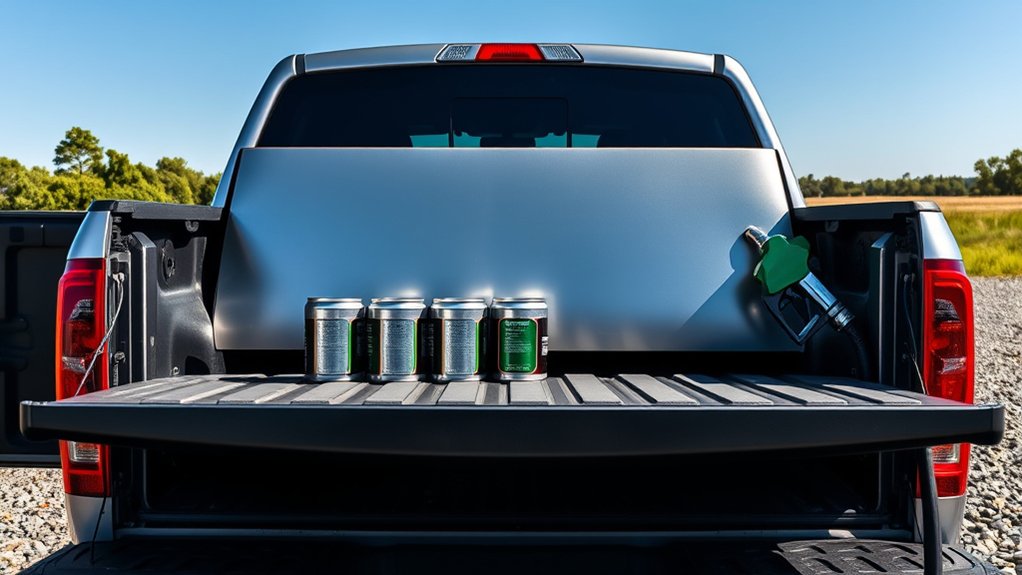
How Much Gas Does a Tonneau Cover Save?
Many truck owners are always looking for ways to save on fuel and boost efficiency.
If you’ve wondered whether a tonneau cover can help, you’re not alone.
A tonneau cover can improve your truck’s fuel efficiency by roughly 2%, which usually means saving about 0.3 miles per gallon.
This small gain comes from reduced wind resistance, especially with rigid, well-fitted covers.
However, soft covers often flap and don’t offer much benefit.
While the fuel savings are modest, they often don’t outweigh the other perks like cargo protection and security.
So, if you want to learn more, keep exploring the details below.
Key Takeaways
- Tonneau covers usually boost fuel efficiency by about 2%. That’s roughly an extra 0.3 MPG on a truck that’s normally around 15 MPG.
- The aerodynamic benefits are pretty minimal. Typically, you’re looking at less than a 2% reduction in wind resistance.
- Soft covers might give you a slight boost of around 2% in MPG, but it really depends on the conditions.
- Keep in mind, adding hard or painted covers can add weight, which could cancel out any fuel savings.
- Overall, the savings are pretty small. Usually, it’s just a few cents saved per gallon over time.
How Do Tonneau Covers Affect Truck Aerodynamics and Fuel Efficiency?
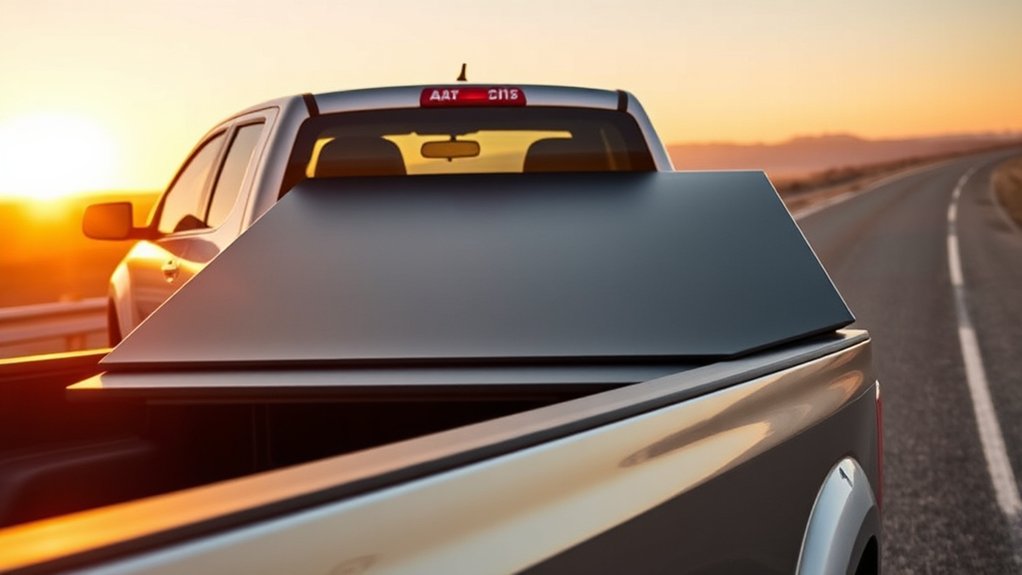
Have you ever wondered how a tonneau cover could impact your truck’s aerodynamics and fuel economy? These covers can reduce the coefficient of drag, helping to cut wind resistance at highway speeds.
Hard covers tend to be more stable and aerodynamic than soft roll-up or folding covers. Soft covers often flap in the wind, which can negate any benefits from reduced drag.
Hard covers offer better stability and aerodynamics than soft roll-up or folding covers.
While wind tunnel tests and real-world driving show only minimal improvements—usually less than 2%—the design and fit of the cover are really important. A well-sealed, rigid tonneau cover maintains shape and reduces drag more effectively.
On the other hand, poorly fitted or flapping soft covers can actually increase wind resistance. This decreases aerodynamic efficiency and can hurt your fuel economy.
What Do Recent Tests Show About Tonneau Covers and MPG?
Recent tests, including those from Consumer Reports, show that tonneau covers usually do more to hurt fuel economy than to help it. Even though some claim they improve aerodynamics, wind tunnel and real-world tests show these covers don’t reduce drag very much.
In fact, the extra weight of a tonneau cover often cancels out any tiny aerodynamic benefits. Studies from the late 1990s onward confirm that reducing drag doesn’t lead to big fuel savings in everyday driving.
Generally, tonneau covers only boost fuel efficiency by about 2%. That’s roughly 0.3 miles per gallon on a truck averaging 15 MPG. Overall, the main benefits are cargo protection and security, not better fuel economy.
How Much Fuel Can You Save With a Tonneau Cover?
While installing a tonneau cover might seem like a simple way to boost your truck’s fuel economy, the actual savings are pretty modest. Typically, a tonneau cover can improve fuel efficiency by about 2%, which is roughly 0.3 MPG if your truck averages 15 MPG.
Soft roll-up or folding covers usually save more gas than heavier, painted covers, which add weight and can cut into those gains. Real-world tests often show that the actual fuel savings are less than 2%, so the main benefit is more about protecting your cargo than saving gas.
Things like cover type, wind conditions, and how you drive all play a role in how much fuel you actually save with a tonneau cover. Overall, the savings tend to be small—just a few cents per gallon over time.
Do Soft Roll-Up or Folding Covers Help Save Gas?
Soft roll-up and folding covers are lightweight, so they don’t add much to your truck’s weight and can improve aerodynamics slightly. They can reduce drag by about 5%, which might boost your fuel economy by around 2%.
However, wind flapping and turbulence can offset these gains. So, real savings really depend on your driving conditions and how you use the cover.
Aerodynamic Benefits of Soft Covers
Soft roll-up and folding tonneau covers can help your truck’s aerodynamics by reducing the drag from an open truck bed. This small change can slightly lower the truck bed’s coefficient of drag, leading to about a 5% reduction in drag at highway speeds.
Because of this, you might see around a 2% boost in fuel economy, or roughly 0.3 MPG if your truck normally gets 15 MPG. Just keep in mind that the actual benefits depend on proper installation and good material quality.
Wind flapping and turbulence caused by soft covers can sometimes cancel out these gains, especially in windy conditions or at high speeds. Overall, soft covers provide modest aerodynamic improvements that can lead to small, gradual fuel savings over time.
Wind Flapping and Drag
Does wind flapping considerably impact the fuel-saving potential of roll-up or folding tonneau covers? Yes, it can. When soft covers flap in the wind, they create turbulence that increases drag, often negating any aerodynamic benefits.
Wind flapping leads to increased wind resistance, making your truck work harder. It also causes turbulence that disrupts smooth airflow over your vehicle. This can reduce or even eliminate gas savings, especially in windy conditions.
Aerodynamic instability from flapping hampers fuel efficiency. Proper installation and secure fastening are crucial to minimize wind flapping. Without these, soft covers may flap excessively, worsening drag and decreasing fuel savings.
Hard covers tend to stay stable, maintaining their small aerodynamic advantage.
Real-World Fuel Impact
While wind flapping and instability can reduce the aerodynamic benefits of soft tonneau covers, their actual impact on fuel savings varies in real-world driving.
Typically, soft covers can increase fuel mileage by around 2%, which is about 0.3 MPG on a truck averaging 15 MPG. Small aerodynamic improvements, like a 5% reduction in drag, can save a little fuel over time.
But wind flapping and improper installation can cancel out these benefits or even make fuel economy worse because of added weight and drag. The overall effect depends on your driving habits, vehicle model, and environmental conditions.
In many cases, soft roll-up or folding covers give modest gas savings, but results can vary a lot depending on how you use and maintain the cover.
Do Hard or Painted Tonneau Covers Improve Fuel Economy?
Hard and painted tonneau covers are often marketed as aerodynamic upgrades that can boost your truck’s fuel efficiency, but the actual benefits are more nuanced. While hard covers do improve aerodynamics compared to soft covers, their weight can cancel out the savings.
Hard covers improve aerodynamics but often offset fuel savings with added weight.
Consider these points:
- You might see around a 2 mpg increase with a well-installed hard cover.
- Heavy-duty painted covers add weight, reducing potential gains.
- The aerodynamic benefits vary based on design and installation.
- Most of the primary advantage is cargo security, not fuel savings.
Ultimately, the fuel economy boost from hard covers is minimal. In fact, their weight and installation factors often negate any real gains, making them more about protection than fuel efficiency.
How Do Wind Conditions Impact Tonneau Cover Benefits?
Wind conditions play a big role in how much you benefit from a tonneau cover, especially when driving in gusty or high-wind areas. Strong winds can cause flapping or turbulence, which cuts into any fuel savings you might see.
Soft covers are especially vulnerable because they tend to flap more, increasing drag and reducing efficiency. Wind tunnel tests show that in high winds, the aerodynamic advantage of tonneau covers drops significantly, especially at higher speeds.
Windy conditions can also cause noise and instability, making it harder to enjoy any potential benefits. Think about how wind affects your driving:
| Wind Condition | Effect on Tonneau Cover Benefits |
|---|---|
| Calm | Maximize aerodynamic benefits |
| Light breeze | Slight reduction, minimal impact |
| Moderate wind | Noticeable decrease in fuel savings |
| Gusty | Significant turbulence, often negating benefits |
| High wind | Little to no aerodynamic advantage |
Are There Any Drawbacks to Using a Tonneau Cover for Fuel Savings?
Although tonneau covers are popular for their cargo protection and security, they can sometimes work against you when it comes to fuel savings. The main drawbacks include:
- The added weight of heavy-duty or painted covers can cancel out any aerodynamic benefits.
- The typical 2% fuel economy increase might be offset by this extra weight.
- Wind conditions and the design of the cover, whether soft or hard, affect whether you actually save fuel.
- Soft covers can flap in windy conditions, which can increase drag and reduce efficiency.
How Can I Test the Effect of a Cover on My Truck’s MPG?
To figure out how a tonneau cover affects your truck’s mpg, start by establishing a baseline. Drive the same route with the same habits and fuel type, and record your miles and gallons used to calculate your current mpg.
After installing the cover, do the same trip under similar conditions and note any changes in fuel economy. Then, remove the cover and run the test again to compare results.
Make sure to keep detailed logs of weather, tire pressure, and load because these external factors can influence mpg. By keeping everything consistent, you’ll get a clear picture of whether the cover helps improve your fuel efficiency.
This method ensures your results are accurate and reliable.
What Do Experts and Consumer Tests Say About Tonneau Covers and Fuel Efficiency?
Experts and consumer tests show mixed results on how tonneau covers affect fuel efficiency. Some early studies suggested they could improve MPG, but recent tests tell a different story.
For example, Consumer Reports’ 2013 tests found that covering the truck bed actually decreased fuel mileage. Earlier aerodynamics-focused studies from the 1990s suggested benefits, but real-world testing showed minimal gains.
Wind tunnel and practical tests reveal that any aerodynamic advantage is tiny. Plus, the added weight from the cover might even reduce fuel efficiency. Overall, experts agree that typical fuel savings are small—around 2 percent—and are often offset by wind noise or extra weight.
In reality, tonneau covers mainly provide cargo protection rather than significant fuel efficiency improvements.
Besides Fuel Savings, What Other Benefits Do Tonneau Covers Provide?
Tonneau covers offer several benefits beyond just saving fuel. They protect your truck bed and cargo from rain, snow, and flying debris, keeping items dry and shielded from exposure.
With a lock, a tonneau cover boosts security by hiding valuables and preventing theft of items that could be stolen if left exposed. It also helps prevent damage to your cargo from weather or accidental impacts.
By concealing your cargo, you reduce the risk of theft and keep your valuables safe. Plus, a tonneau cover improves your truck’s appearance, giving it a neat, streamlined look.
Is Investing in a Tonneau Cover Worth It for Slight Fuel Gains?
While a tonneau cover can boost your truck’s fuel efficiency by around 2%, the actual savings are usually pretty minimal and might not be worth the cost. The small mileage increase—about 0.3 MPG—doesn’t really add up compared to what you spend on the cover.
Keep in mind that the cost of a tonneau cover often exceeds the money you save on gas. Soft covers can cause wind flapping, which can cancel out any aerodynamic benefits. Heavy-duty or painted covers also add weight, reducing potential fuel savings.
Most of the benefits actually focus on cargo protection and security, not fuel efficiency. If saving gas is your main goal, a tonneau cover probably isn’t worth it. The tiny fuel savings may not make up for the initial cost and possible downsides.
Final Tips: Choosing the Right Tonneau Cover for Your Needs
When choosing a tonneau cover, think about your climate and pick one that can handle regional weather conditions.
Prioritize lightweight options for better fuel savings and consider security features if you carry valuable cargo.
Also, weigh the added benefits like improved appearance or security against the cost to find the best fit for your needs.
Match Cover To Climate
Choosing the right cover depends heavily on your regional climate, as each environment presents unique challenges. To get the best protection and make it last longer, match your cover to your climate.
In humid or rainy areas, go for soft covers. They help prevent moisture buildup and rust.
For colder regions, hard covers are more durable against snow and ice.
In windy zones, lightweight covers are better. They flap less and make driving more comfortable.
Hot climates need UV-resistant covers to protect against sun damage and fading.
Prioritize Weight and Security
How do you decide what matters most—weight or security—when selecting a tonneau cover? If security is your top concern, lockable covers give extra protection for your cargo. They’re perfect if you want to prevent theft or keep valuables safe.
But keep in mind that heavier, painted, or hard covers can add a lot of weight. This might reduce fuel efficiency and offset any aerodynamic benefits.
If handling ease and fuel savings matter more to you, lightweight soft roll-up or folding covers are better options.
In the end, you need to balance weight, security, durability, and your vehicle’s compatibility.
If protecting your cargo and preventing theft is your main goal, security features should come first—even if it means sacrificing some fuel savings.
Assess Additional Benefits
To pick the right tonneau cover, look beyond just weight and security. Think about other benefits like weather protection, ease of use, and how it looks. These factors can really impact your fuel savings and overall experience.
For example, check if the cover shields your cargo from rain and snow. This prevents extra weight from water and can improve your truck’s aerodynamics. It’s a simple way to keep things dry and save fuel.
Next, consider how easy it is to open and close. A cover that’s simple to operate saves you time and effort, especially if you’re on the go or working often.
Don’t forget about style. A good-looking tonneau cover can boost your truck’s appearance and make you feel more proud when you’re out on the road.
Finally, look at security features. Protecting valuables is important, especially in high-theft areas. A cover with strong security adds peace of mind.
Balancing these benefits helps you find a tonneau cover that’s efficient, practical, and suits your climate and lifestyle.
Frequently Asked Questions
Do Tonneau Covers Improve Gas Mileage?
Yes, tonneau covers can improve your gas mileage, but the savings are usually minimal. You might see around a 2% boost, which is about 0.3 MPG if your vehicle averages 15 MPG.
Soft covers tend to cause less drag than hard ones, but added weight and wind flapping can offset the benefits. Overall, don’t expect dramatic fuel savings from a tonneau cover.
Which Pickup Truck Saves the Most Gas?
You’ll find that the Ford F-150 and Ram 1500 are among the most fuel-efficient pickups. To save even more gas, try lightweight, soft tonneau covers and keep up good driving habits.
Your truck’s design and weight matter more for fuel economy than just the brand. Choosing a lighter truck and cover, along with responsible driving, will give you the best gas mileage possible.
What Are the Disadvantages of a Tonneau Cover?
You should know that tonneau covers can weigh up to 60 pounds, which can decrease your fuel efficiency. They might flap or make noise in windy conditions, disrupting your drive.
Moreover, soft covers can be a hassle during cleaning, often needing removal. Hard covers are costly and heavy, making installation and handling tougher.
If not fitted properly, they can cause leaks or damage, impacting your truck’s performance.
Do Truck Bed Caps Improve Gas Mileage?
Truck bed caps give only a small boost to your gas mileage, usually around 2% or less. Hard covers are generally more aerodynamic than soft ones, but their added weight can cancel out some of the benefits.
They’re mainly practical accessories that protect cargo and increase security. Don’t expect big fuel savings—your driving habits, vehicle type, and the cover you choose all play a role in any potential gas mileage improvement.
Conclusion
Imagine slapping on a tonneau cover and instantly turning your truck into a sleek, wind-cheating spaceship—cutting fuel bills so drastically, your wallet will do backflips! While the actual savings might be modest, every mile you glide with a cover is a tiny victory against drag and fuel waste.
So, gear up with the right cover and watch your fuel costs shrink faster than a magician’s rabbit. While the savings vary, a tonneau cover can make a noticeable difference in reducing fuel consumption.
In the end, a tonneau cover isn’t just about style — it’s about saving money and making your truck more efficient.