
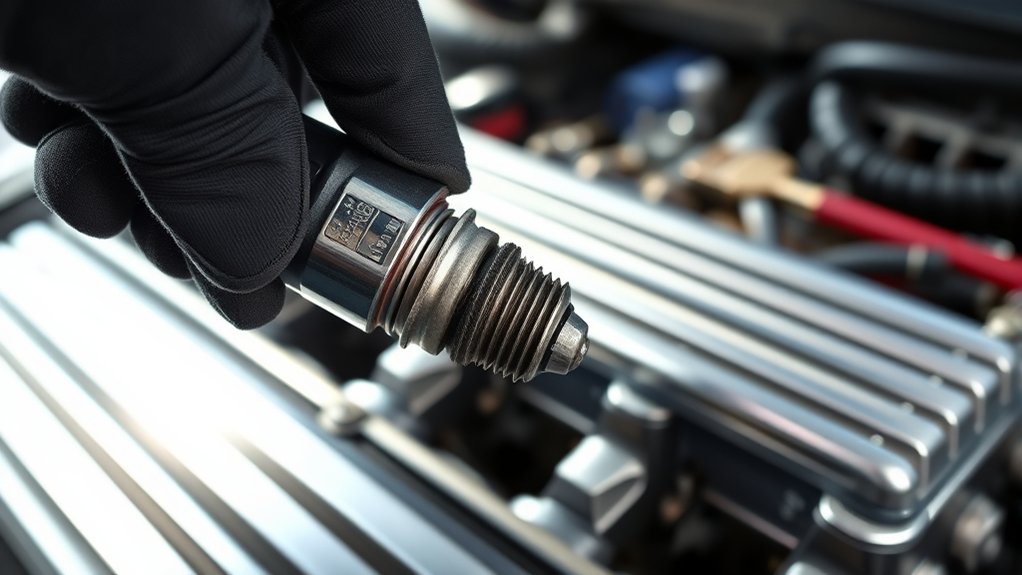
How to Fix Black Spark Plugs Step by Step
Dealing with black spark plugs can be frustrating, especially when you’re trying to keep your engine running smoothly. Many people struggle with fouled plugs, not knowing where to start or how to fix the issue effectively. If you’re tired of rough starts or poor performance, you’re not alone.
To fix black spark plugs step by step, start by diagnosing the cause—usually a rich fuel mixture or oil leak.
Safely remove the plugs using proper tools, inspect for wear or heavy deposits, and clean lightly fouled ones with a wire brush or replace damaged ones.
Carefully gap and reinstall the spark plugs, making sure they’re tightened to the correct torque.
Regular maintenance like tuning your fuel system and checking sensors can help prevent fouling in the future.
Keep going to learn detailed techniques that will help your engine run smoothly and reliably.
Key Takeaways
- First, check for underlying issues like a rich fuel mixture, oil leaks, or faulty sensors before you clean or replace the spark plugs.
- Carefully remove the spark plugs using the right socket. Take a good look at them to see if they’re damaged or heavily fouled.
- Decide whether they just need cleaning or if they should be replaced. Light fouling can often be cleaned, but heavy damage usually means a new plug is best.
- To clean lightly fouled plugs, gently scrub them with a non-abrasive brush. For heavily fouled or damaged plugs, follow the manufacturer’s guidelines for replacement.
- Make sure to adjust your carburetor or fuel injection settings. This helps get the ideal air-fuel ratio and prevents future fouling issues.
- When reinstalling the spark plugs, ensure they’re properly gapped and tightened to the correct torque.
- After everything’s back in place, run some engine tests. This will help you check that combustion is happening properly and your engine is running smoothly.
Diagnose Why Your Spark Plugs Are Black
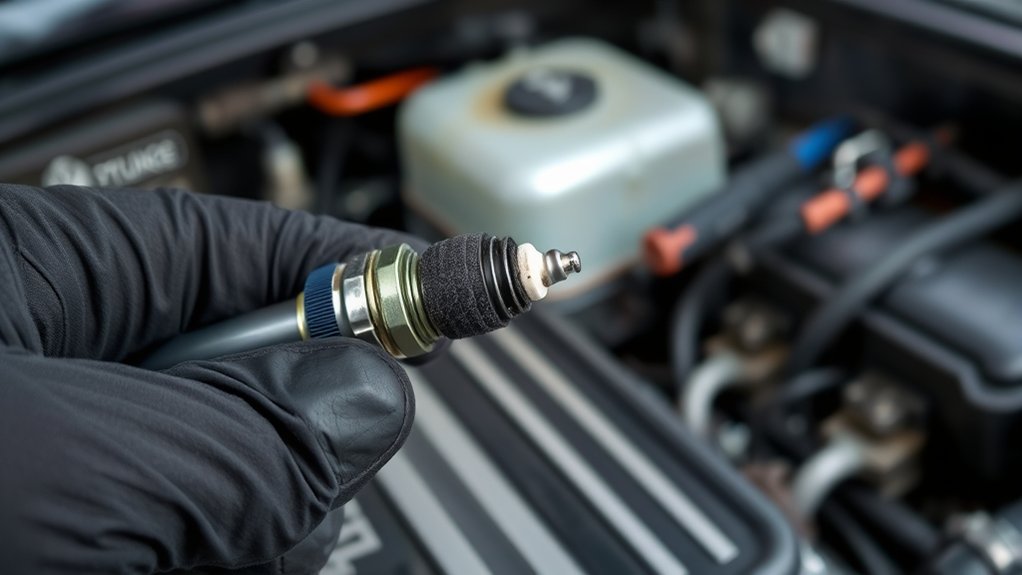
If your spark plugs are black, it’s important to figure out what’s causing it before trying to fix anything. Black deposits on the tips usually mean a rich fuel mixture or incomplete combustion, which can hurt your engine’s performance.
Start by inspecting the spark plugs visually; dry, sooty, or carbon-coated tips are signs of carbon buildup. A heavily carbon-fouled plug often points to issues like faulty fuel injectors, the wrong spark plug heat range, or oil leaks.
Inspect spark plugs for dry, sooty deposits to identify carbon buildup issues like faulty injectors or oil leaks.
Dry, powdery deposits usually indicate carbon deposits rather than oil or fuel flooding. To find out what’s really going on, check engine sensors, fuel systems, and combustion conditions that can cause excess carbon buildup.
Getting the right diagnosis helps you target the root cause and get your engine performing at its best.
Tools Needed to Remove and Inspect Spark Plugs Safely
Before removing and inspecting your spark plugs, gather the essential tools to do so safely and effectively. You’ll need a spark plug socket with a rubber insert to securely grip the plug and prevent damage during removal.
Wear safety gloves and safety glasses to protect your hands and eyes from debris, sharp edges, and accidental sparks. Always disconnect the negative terminal of the battery before starting to avoid electrical hazards.
Make sure the engine is completely cool to prevent burns and avoid damaging the spark plug or cylinder head. When reinstalling the spark plug, use a torque wrench to tighten it to the manufacturer’s specified torque, ensuring proper seating and best performance.
Having these tools ready keeps the process safe, efficient, and effective.
How to Safely Remove and Inspect Black Spark Plugs
Before removing your black spark plugs, make sure the engine is completely cool to avoid burns or damage.
Use a spark plug socket and ratchet wrench to carefully loosen and lift the plug. Always grip the wire boot firmly to avoid damaging the wire.
Once removed, inspect the spark plug for signs of wear or deposits. This will help you decide the next steps for your engine.
Cool Engine Before Work
Wondering why it’s important to let your engine cool down before working on the spark plugs? A cool engine keeps you safe and helps prevent damage. When the engine temperature drops, you’re less likely to get burned or cause mechanical issues.
Wait 1 to 2 hours after turning off the engine to let it cool properly. Always disconnect the negative battery cable first to avoid electrical hazards.
Avoid touching engine parts immediately after shutdown—give it some time until it’s safe. Handling a cool engine reduces the risk of damaging delicate parts or injuring yourself.
Proper Removal Techniques
Once the engine has cooled completely, you can start removing the spark plugs safely. First, disconnect the negative terminal of the battery to ensure engine safety.
When removing a spark plug, grasp the boot firmly and gently twist to detach it. Be careful not to pull on the wire directly to avoid damage.
Use a spark plug socket with a rubber insert and a ratchet wrench. Carefully loosen and pull out the spark plug without harming the ceramic insulator.
After removal, check the spark plug for deposits, cracks, or damage. This helps assess the health of your engine.
Following proper removal techniques helps prevent damage to the spark plug and engine components. Handle the spark plug carefully and avoid forcing it out for a smooth, safe process.
How to Clean Lightly Fouled Spark Plugs
To clean lightly fouled spark plugs effectively, use gentle techniques that won’t damage the porcelain or electrodes.
Spray a small amount of cleaner on the plug before brushing it with a soft wire brush. This helps loosen the deposits without scratching the surface.
Regular cleaning and proper maintenance can prevent future fouling and keep your engine running smoothly.
Gentle Cleaning Techniques
Lightly fouled spark plugs can often be cleaned effectively with gentle techniques that avoid damaging the delicate components. Use a spark plug cleaner or a soft wire brush to gently remove carbon deposits without harming the porcelain or electrode.
For stubborn soot, soak the spark plug in a mixture of carburetor cleaner and warm water for 10-15 minutes. This helps loosen the deposits and makes cleaning easier.
After soaking, carefully use a toothbrush or non-abrasive scrub pad to gently clean the deposits, being cautious around the ceramic insulator. Make sure the spark plug is completely dry before reinstalling to prevent misfires caused by moisture.
Regular inspection and gentle cleaning will keep your spark plugs in good shape and your engine running smoothly.
Using Appropriate Tools
Using the right tools is essential for cleaning lightly fouled spark plugs without causing damage. Start with a spark plug cleaner or a wire brush designed specifically for this purpose to gently remove carbon buildup.
Avoid abrasive materials like sandpaper or steel wool, as these can scratch the ceramic insulator and make fouling worse. For stubborn deposits, apply carburetor cleaner or a specialized spark plug cleaning solution to loosen the buildup before brushing.
To guarantee thorough cleaning, you can heat the spark plug with a propane torch until it glows red, then let it cool. After cleaning, inspect the spark plug carefully for cracks or damage, and verify that the electrode gap is correct before reinstalling.
Appropriate tools help ensure a safe, effective cleaning process.
Preventing Future Fouling
Maintaining your spark plugs and engine can greatly reduce the chances of future fouling. To avoid light fouling down the road, focus on proper engine maintenance and cleaning your spark plugs regularly.
Getting the air-fuel mixture right is key because an overly rich mix causes carbon buildup. Avoid using the choke excessively, as that can lead to light fouling too.
Keep your air filter clean and make sure your fuel injectors are working properly. Regular inspections every 10,000 miles can help catch buildup early before it becomes a problem.
Here are four main tips:
- Use the correct air-fuel mixture
- Clean spark plugs periodically
- Maintain a clean air filter
- Check fuel injectors regularly
Following these simple steps can help prevent future fouling and keep your engine running smoothly.
When to Replace Spark Plugs Instead of Cleaning
While cleaning spark plugs can sometimes bring back their performance, there are clear signs when you should just replace them. If your spark plugs are worn, with widened gaps or eroded electrodes, swapping them out guarantees your engine performs at its best.
Deep deposits, glazed or broken porcelain, and damaged electrodes can’t be effectively cleaned and need replacement. Cracks, chips, or any damage that cleaning can’t fix also mean it’s time for new plugs.
If cleaning methods don’t restore proper spark performance or your plugs foul often, replacing them is the smarter move. Sticking to the manufacturer’s recommended interval, usually between 30,000 and 50,000 miles, helps prevent issues caused by heavily fouled or damaged spark plugs.
Following this schedule helps you avoid costly repairs and keeps your engine running smoothly.
How to Adjust the Air-Fuel Mixture to Prevent Fouling
To prevent black fouling, you need to keep an eye on your fuel delivery and make precise adjustments to your carb settings. Fine-tuning the main jet and idle screws helps you hit that ideal air-fuel ratio of 14.7:1, which promotes cleaner combustion.
After you’ve made your adjustments, check the spark plug color. This will help you confirm that deposits are minimized and that the mixture is just right.
Monitor Fuel Delivery
Ever wonder how to keep your engine running smoothly without fouling your spark plugs? Monitoring fuel delivery is the way to go. To prevent overly rich mixtures that cause fouling, you should:
Adjust the carburetor or fuel injection system to match the manufacturer’s recommended air-fuel ratio, which is around 14.7:1.
Regularly inspect and clean or replace clogged fuel injectors to ensure proper fuel flow. Using engine diagnostics tools like a wideband O2 sensor can help you monitor oxygen levels and fine-tune fuel delivery.
Check sensors and injectors for faults that might cause excessive fuel flow. This can lead to carbon buildup on spark plugs, so staying on top of these checks is key.
Fine-Tune Carb Settings
Fine-tuning your carburetor settings is a simple way to prevent spark plug fouling caused by an overly rich air-fuel mixture.
Start by adjusting the main jet; decreasing its size by one or two steps helps lean out the mixture. Use the carburetor tuning screw to fine-tune the air-fuel mixture—turn clockwise for a leaner mix and counterclockwise for richer settings.
Make sure the idle mixture screw is set for a smooth idle without black soot on the spark plug tip. After making adjustments, perform a high-speed run and then check your spark plug to see if black deposits have decreased.
Always consult the manufacturer’s specifications or a mechanic for precise jet sizes and mixture settings tailored to your engine and riding conditions.
Fix the Root Causes of Black Deposits in Your Engine
Black deposits on spark plugs often come from underlying engine problems that cause too much fuel, oil, or incomplete burning. To fix these root causes, start by inspecting and repairing your fuel injection system to prevent overly rich mixtures.
Next, check and replace your air filter regularly to ensure good airflow and avoid fuel fouling. Adjust your ignition timing according to the manufacturer’s specs, which helps promote complete combustion and stops black deposits.
Also, keep an eye on oil leaks or worn piston rings and valve seals. These can increase oil use and cause carbon buildup. Regular engine diagnostics help catch these issues early.
How to Properly Reinstall and Gap Spark Plugs
Before reinstalling your spark plugs, check and adjust the gap to match your vehicle manufacturer’s specs. Use a gap gauge to measure the spark plug gap, usually between 0.028 and 0.060 inches.
Check and adjust spark plug gaps to match your vehicle’s specs for optimal engine performance.
Gently bend the ground electrode to change the gap, making sure not to touch the center electrode to avoid damage. When reinstalling, hand-tighten the spark plug to prevent cross-threading.
Then, use a torque wrench to tighten it to the proper torque, typically between 13-15 ft-lb. Always clean the spark plug threads and contact area to keep debris out of the combustion chamber.
Finally, double-check the gap and ensure the spark plug is seated correctly for the best engine performance.
Tips to Prevent Black Spark Plugs From Returning
To prevent black spark plugs from returning, it’s important to keep your engine’s combustion process clean and balanced. Regularly check and replace spark plugs every 10,000 miles to avoid black soot buildup.
Maintaining a proper air-fuel mixture is crucial. Make sure your air filter stays clean and your fuel injectors work correctly. Using high-quality fuel and spark plugs with the right heat range can also help reduce fouling.
Address engine issues like oil leaks or sensor malfunctions quickly, since these can cause oil or fuel fouling of spark plugs. Routine engine tune-ups help keep the combustion conditions ideal.
Tips to prevent black spark plugs from returning:
- Inspect and replace spark plugs regularly
- Keep the air filter clean
- Use quality fuel and spark plugs
- Fix engine misfires and sensor problems quickly
How to Monitor and Maintain Spark Plug Health Over Time
Regularly monitoring your spark plugs is key to keeping your engine running smoothly and avoiding fouling issues. Check them every 10,000 to 15,000 miles for black deposits or signs of fouling.
Keep a maintenance log to track when you replace your spark plugs and note any recurring problems. This helps you stay on top of maintenance and catch issues early.
Use a spark plug gap gauge to make sure the electrode spacing matches what the manufacturer recommends. Proper gap settings boost engine performance and efficiency.
After driving at high speeds or experiencing weather changes, take a quick look at your spark plugs. Notice any shifts in appearance and adjust your maintenance routine if necessary.
Address underlying engine problems like a rich fuel mixture or oil leaks promptly. Fixing these issues prevents continued fouling and extends your spark plug’s lifespan.
Regular inspection and maintenance are your best tools for keeping your spark plugs in good shape and your engine running smoothly over time.
Common Mistakes to Avoid When Fixing Black Spark Plugs
When fixing black spark plugs, it’s easy to make mistakes that can worsen the problem or cause extra damage. First, avoid using abrasive tools like wire brushes or sandpaper, as they can crack the porcelain and make fouling worse.
Avoid abrasive tools on spark plugs to prevent cracking and worsening fouling.
Second, don’t forget to check and adjust the engine’s air-fuel mixture. Improper settings can cause fouling to happen again and again. Third, never reuse heavily worn or cracked spark plugs—they can misfire and damage your engine even more.
Finally, don’t forcefully clean or flame-treat spark plugs without knowing what you’re doing. Excessive heat can weaken the ceramic insulator. Also, don’t ignore underlying engine issues like faulty sensors or fuel systems, which lead to black fouling.
Make sure to address the root causes so the problem doesn’t keep coming back and to ensure a proper fix.
Frequently Asked Questions
How Do You Fix Black Spark Plugs?
You fix black spark plugs by first inspecting them for heavy carbon deposits or damage. If they’re still in good shape, clean them with a wire brush or a flame. If not, it’s best to replace them.
Before reinstalling, make sure they’re properly gapped and torqued. Also, look into the root cause, like adjusting the air-fuel mixture or replacing faulty injectors, to stop the fouling from happening again.
Regular maintenance helps keep your engine running smoothly and your spark plugs cleaner for longer.
What Makes a Spark Plug Go Black?
Your spark plug turns black because the engine runs a rich fuel mixture or there’s incomplete combustion. This leads to dry, sooty carbon deposits covering the electrode and insulator.
Excess fuel, oil leaks, or faulty fuel injectors can cause this buildup. Short trips or using a choke also prevent proper combustion, which can lead to blackened plugs.
Using the wrong heat range spark plug can also contribute to carbon buildup.
Does a Black Spark Plug Mean Too Much Fuel?
Yes, a black spark plug means you’re running with too much fuel. For example, if your engine stalls or you notice poor acceleration, it could be due to a rich mixture.
When fuel injectors leak or the oxygen sensor malfunctions, excess fuel floods the combustion chamber. This causes soot deposits on the plug, which can affect performance.
Not only does this reduce your engine’s power, but it also hurts fuel efficiency. If you see blackened plugs, it’s a sign you need to check and fix the underlying issue.
What Causes a Plug to Turn Black?
A spark plug turns black because of an overly rich air-fuel mixture, which causes incomplete combustion. This can happen if your engine runs with a faulty oxygen sensor, a clogged air filter, or leaks oil into the combustion chamber.
Short trips or not warming up the engine enough also prevent proper burning. These issues lead to carbon buildup and soot, turning your spark plug black over time.
Conclusion
Regularly inspecting and maintaining your spark plugs can prevent black deposits that hinder engine performance. For example, if your car runs rough after a long trip, checking your spark plugs might reveal oil or fuel fouling.
By following proper cleaning and replacement techniques, you can make sure your engine runs smoothly and efficiently. Fixing black spark plugs promptly will keep your vehicle in top shape and improve overall performance.
Consistent care saves you money in the long run and helps avoid costly repairs down the line. Paying attention to black spark plugs is key to keeping your engine running at its best.