Does an Oil Change Include the Oil Filter?
Are you tired of feeling unsure whether your car is getting the care it needs? Many people struggle with understanding what’s actually included in an oil change and whether they’re doing enough to keep their engine healthy. You’re not alone; figuring out the right maintenance steps can be confusing.
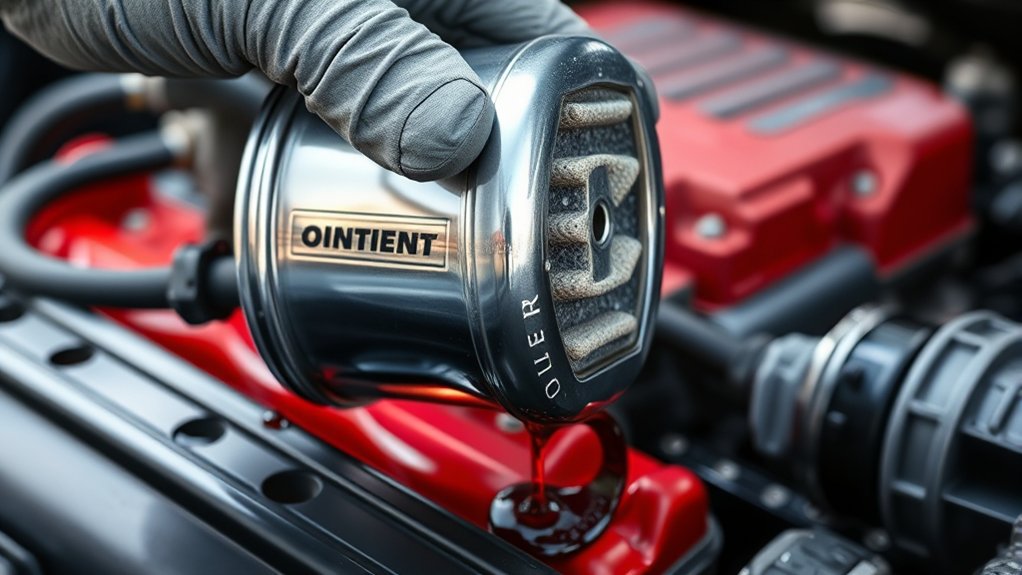
Most oil changes include replacing the oil filter, as it helps keep your engine clean and running smoothly. Many service providers automatically include a new filter in their package, but some vehicles have specific guidelines requiring filter changes at certain intervals.
Using a new filter prevents dirt and debris from circulating, which can cause engine damage.
To make certain you’re following the best practices, keep listening for more tips on maintaining your vehicle’s health.
Key Takeaways
- Most oil changes include replacing the oil filter, and it’s often part of the service package and quoted price.
- Vehicle manufacturer guidelines usually recommend changing the filter whenever you get an oil change.
- Regular filter replacement is really important for keeping your engine running smoothly and avoiding damage from dirt and debris.
- If you’re doing it yourself, you’ll need the right tools, some skills, and a proper way to dispose of the old filter safely.
- Keep in mind, not all service providers automatically include the filter. It’s a good idea to double-check if it’s part of the oil change service.
Does an Oil Change Include a New Oil Filter?
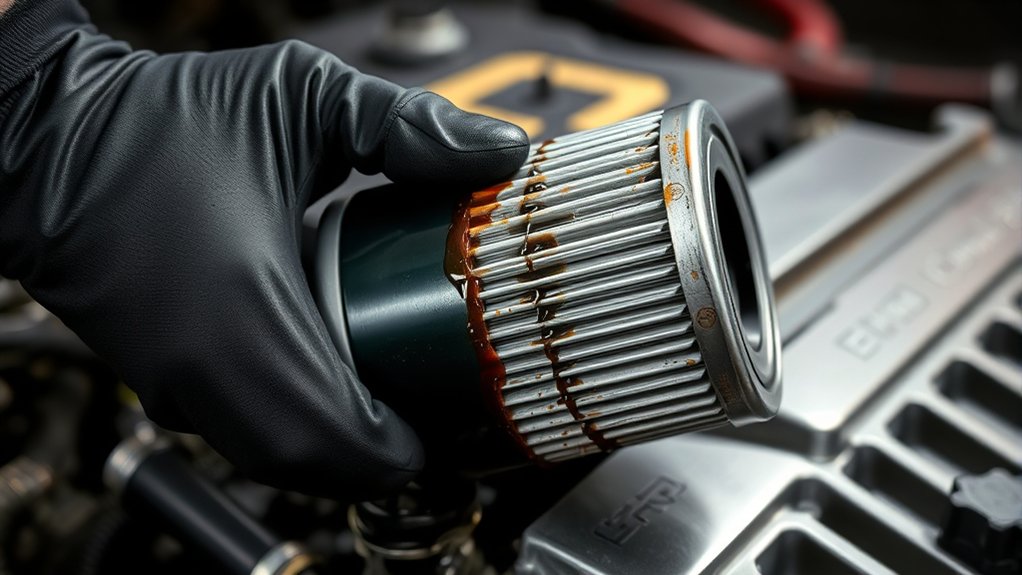
Does an oil change typically include a new oil filter? In most cases, yes. When you get an oil change, many service providers include replacing the oil filter to protect your engine.
Most oil changes include replacing the oil filter to keep your engine clean and running smoothly.
The oil filter cleans contaminants from the oil, so installing a new one helps keep your engine clean and running smoothly. Often, the cost of a new oil filter is included in the oil change package and clearly outlined in the service quote.
Some vehicles, per manufacturer guidelines, require replacing the oil filter with every oil change to maximize engine longevity. However, it’s important to check with your service provider, as some may offer oil changes without a new filter to save money.
Always verify what’s included before your appointment.
Why You Should Always Replace the Oil Filter During an Oil Change
Replacing the oil filter during an oil change keeps your engine running smoothly by removing dirt and debris that can cause wear.
An old or clogged filter can let contaminants circulate, leading to potential damage and reduced efficiency.
For just a small cost, changing the filter helps protect your engine and extend its lifespan.
Protects Engine Efficiency
To keep your engine running smoothly and efficiently, it’s essential to change the oil filter along with the oil. The oil filter plays a vital role in maintaining engine efficiency by removing dirt, debris, and contaminants from the oil.
When you replace the filter regularly, it prevents old, clogged filters from circulating dirt that can cause engine wear or damage. Since oil filters typically last for the same mileage as the oil, changing the filter guarantees maximum filtration.
An old or clogged filter can bypass filtration, allowing unfiltered oil and contaminants to circulate, which hampers engine performance. Regularly replacing the oil filter helps preserve oil quality, keeps your engine clean, and guarantees it runs at peak efficiency.
Ultimately, this prolongs your engine’s lifespan and keeps it running smoothly.
Prevents Contaminant Circulation
Since the oil filter gets clogged over time, it can’t effectively trap dirt and debris anymore, letting contaminants circulate through your engine.
An old or dirty filter might allow unfiltered oil to bypass, which can introduce harmful particles into engine parts.
Changing the oil filter during an oil change helps remove contaminants and debris from the engine, stopping them from mixing with fresh oil.
A new filter keeps filtration at its best, reducing the chances of buildup that can cause engine wear.
Using a fresh filter also prevents old oil and debris from mixing with new oil, helping keep your engine cleaner.
Regularly swapping out the oil filter along with the oil is key to stopping contaminant circulation and keeping your engine healthy.
How Do You Know if Your Oil Filter Needs Replacing?
You can tell if your oil filter needs replacing by paying attention to the oil’s clarity and color. It should be clear and amber.
Notice any changes in engine performance, like misfires or strange noises. These could be signs of a clogged filter.
You should also inspect the filter during regular maintenance. If it looks dirty or damaged, it’s probably time to replace it.
Oil Clarity and Color
How can you tell if your oil filter needs replacing just by looking at the oil? The oil quality is a clear indicator. If your oil appears clear and amber-colored, it signals good oil quality and that the filter is likely working well.
But if the oil looks dark and dirty, it could mean the filter is clogged or overdue for a change. Gritty oil with visible particles shows the filter isn’t trapping debris effectively anymore.
If your oil suddenly turns very dark or looks contaminated, it’s a sign the filter may have failed. Regularly checking oil clarity during oil changes helps you see if the filter is doing its job.
Clean, translucent oil means your filter is working fine, while murky or thick oil suggests clogging or failure that needs attention.
Engine Performance Changes
A clogged or dirty oil filter can significantly affect your engine’s performance by blocking the flow of oil. Since oil is crucial for lubricating and protecting engine parts, any restriction can cause problems.
If the oil filter isn’t working properly, you might notice lower oil pressure readings or warning lights on your dashboard. These signs suggest that your engine isn’t getting the proper lubrication it needs.
You might also experience engine misfires, rough idling, or reduced acceleration. These are common signs that your oil filter could be blocked or no longer effective.
Additionally, an increase in engine temperature or strange noises might mean contaminants aren’t being filtered out properly. Regularly checking and replacing your oil filter during scheduled maintenance can help prevent these issues.
Pay attention to these signs to keep your engine running smoothly and protect it from unnecessary wear and tear.
Visual Filter Inspection
Inspecting your oil filter visually is an easy way to see if it needs replacing. Look for signs of clogging, dirt buildup, or discoloration during the inspection.
A dirty or dark filter shows it’s trapped a lot of debris and should be replaced. Some filters have transparent casings, so you can see dirt inside without removing them completely.
When you change your oil, technicians often check the used filter for excessive dirt or damage. If it looks clogged or dirty upon inspection, it’s best to replace it.
This helps keep your engine protected and running smoothly, preventing damage caused by poor filtration.
How Often Should You Change the Oil Filter?
Since the oil filter plays a crucial role in keeping your engine clean and running smoothly, it’s important to change it regularly. Usually, you should replace the oil filter during your oil change every 5,000 to 7,500 miles, matching your oil change interval.
Some vehicles with longer oil change intervals may need filter changes less often, but regular replacement is still necessary. Changing the filter helps prevent dirt, debris, and sludge buildup that can clog it and reduce its effectiveness.
Using a new oil filter each time ensures clean oil circulation, which helps prolong engine life and maintain peak performance. Neglecting to change the filter can harm your engine’s health, so stick to the recommended intervals for the best results.
Do Different Vehicles Have Specific Oil Filter Guidelines?
Different vehicles often have specific guidelines on when to replace the oil filter, which can vary quite a bit based on the manufacturer’s recommendations. Some carmakers suggest changing the oil filter every time you do an oil change, while others, like Honda, recommend replacing it every other oil change.
The type of engine and oil you use also affects the oil filter schedule. High-performance or water-thin oils might need more frequent changes. Vehicle age, mileage, and driving conditions all play a role in these guidelines.
To make sure you’re following the right maintenance plan, it’s best to check your vehicle’s owner manual. That manual gives the most accurate, vehicle-specific instructions for oil filter replacement, helping you keep your engine healthy and running smoothly.
Can You Change the Oil Filter Yourself?
You can change the oil filter yourself if you have the right tools and basic mechanical skills.
Make sure to follow proper techniques when removing the old filter and installing the new one to prevent leaks.
Always verify you’re using the correct filter for your vehicle and dispose of used oil responsibly.
Necessary Tools and Equipment
Changing the oil filter yourself requires a few essential tools to do the job safely and effectively. First, you’ll need a socket wrench or filter wrench to remove the old filter without damage. A drain pan is vital for catching residual oil and preventing spills.
Gloves and rags help keep your hands clean and prevent contamination. Some vehicles, especially those with cartridge filters, might need special tools or adapters to access the filter properly.
| Necessary Tools | Purpose |
|---|---|
| Socket/Filter Wrench | Remove and install the oil filter |
| Drain Pan | Catch residual oil to avoid mess |
| Gloves & Rags | Maintain cleanliness and safety |
Proper Replacement Techniques
Replacing the oil filter yourself involves a straightforward process that starts with draining the old oil, which helps prevent spills and makes removal easier. Next, use a filter wrench to remove the old oil filter, turning it counterclockwise.
Before installing the new oil filter, lubricate its rubber gasket with a bit of fresh oil. This guarantees a proper seal and helps prevent leaks.
Check your vehicle’s manufacturer specifications to select the correct filter size and type. Then, securely tighten the new oil filter to avoid future issues.
After installation, dispose of the used oil and old filter responsibly at a recycling center. Finally, reset the oil change indicator and check for leaks to confirm everything’s correctly installed.
Which Oil Filter Is Best for Your Car?
Choosing the right oil filter for your car depends on knowing its specific make, model, and engine needs. High-quality filters have better filtration media, more capacity for dirt, and sturdy construction to keep your engine protected.
OEM filters are made to meet or go beyond your vehicle’s specs, making them a reliable choice. Some include advanced features like synthetic media or anti-drainback valves, which boost performance and last longer.
Picking the correct oil filter means focusing on quality and compatibility to keep your engine running smoothly.
| Quality Level | Key Feature | Benefit |
|---|---|---|
| Standard | Basic filtration | Cost-effective, basic protection |
| Premium | Synthetic media, anti-drainback | Better filtration, longer-lasting |
| OEM | Designed for your vehicle | Perfect fit, optimal performance |
Does Oil Type Affect Filter Replacement?
Although the type of oil you use—synthetic or conventional—can influence how often you need to change your oil, it doesn’t directly affect when you should replace your oil filter. Whether you choose synthetic oils or traditional ones, most manufacturers recommend replacing the oil filter at every oil change to protect your engine.
Synthetic oils often last longer and reduce contaminants, but they still don’t eliminate the need for a new oil filter. Using higher-quality oils may extend the filter’s lifespan slightly, but the standard practice remains the same. This helps keep your engine clean and running smoothly.
The oil filter captures contaminants, regardless of oil type. Regular filter replacement prevents engine damage. Oil type influences dirt buildup, but filter changes are still essential.
Signs Your Oil Filter Is Clogged or Failing?
A clogged or failing oil filter can quickly lead to engine problems, often showing itself through noticeable signs. One common sign is low oil pressure, which might turn on warning lights or make your engine run less smoothly.
You may also notice increased engine noise, like knocking or ticking sounds, because the engine isn’t getting enough lubrication. When the oil filter is blocked, oil flow to engine parts gets restricted, causing overheating and faster wear.
Additionally, the oil may look darker or more contaminated than usual when you do an oil change. If your engine stalls or misfires shortly after an oil change, it could mean the oil filter isn’t working properly.
Recognizing these signs early can help prevent serious engine damage and keep your vehicle running smoothly.
How Much Does a New Oil Filter Cost? Is It Worth It?
A new oil filter usually costs between $5 and $20, depending on your vehicle’s make and the quality of the filter. Higher-performance or OEM filters tend to be pricier but offer better filtration and durability, making them worth the extra cash.
When you think about the cost, remember that regularly changing the oil filter is a smart, cost-effective move. It’s much cheaper than risking engine damage caused by contaminated oil. Most mechanics recommend changing the filter every time you get an oil change to keep your engine protected.
Investing in a good quality oil filter can help extend your engine’s lifespan. Cheaper filters might save you money upfront but could compromise the filtration process. Ultimately, the small extra cost for a good filter is a smart investment in your vehicle’s long-term health.
When Can You Skip Replacing the Oil Filter?
You might consider skipping replacing the oil filter during certain intervals if your vehicle has already accumulated significant dirt and debris from long-term use.
In high-mileage vehicles, the filter’s capacity to trap contaminants can become compromised, making further replacement less critical.
However, generally, it’s recommended to replace the filter with each oil change because worn filters can circulate debris, risking engine damage.
Some manufacturers, like Honda, suggest changing the filter every other oil change, especially if the vehicle isn’t driven in harsh conditions.
Some manufacturers recommend changing the filter every other oil change, especially in mild driving conditions.
While reusing a filter may seem convenient or cost-effective, it’s usually better to replace it regularly to maintain peak engine health.
Neglecting to replace the filter can lead to increased wear and costly repairs over time.
What Do Car Manufacturers Recommend About Oil and Filter Changes?
Car manufacturers generally recommend replacing the oil filter with each oil change to keep your engine running smoothly and protected.
Always check your owner’s manual for specific intervals for oil and filter changes. Many brands, like Honda, suggest changing the filter every other oil change, depending on driving conditions.
Some manufacturers specify mileage or time-based intervals, often aligning with the oil change schedule. Modern vehicles with tighter engine tolerances need more frequent filter replacements to keep filtration efficient.
Not following these recommendations can reduce engine protection and performance. Remember, your owner’s manual is the best resource for understanding your vehicle’s unique maintenance needs, helping your engine stay clean and well-lubricated.
- Follow manufacturer-specific intervals
- Consult your owner’s manual regularly
- Adjust for driving conditions
Frequently Asked Questions
Does an Oil Filter Come With an Oil Change?
Yes, most oil change services include replacing the oil filter along with the engine oil. When you get an oil change, the mechanic typically swaps out the old, clogged filter for a new one, which helps keep your engine clean and running smoothly.
However, it’s a good idea to check with your service provider beforehand. Some places might charge extra or skip the filter, which could impact your vehicle’s performance.
How Much Is an Oil Change for a Genesis GV80?
Picture your Genesis GV80 as an essential engine heart, needing fresh blood to beat strong. An oil change costs between $150 and $250, depending on service choices.
Many shops include the oil filter, but you should double-check. Opting for synthetic oil or high-performance filters might increase the price.
Regular maintenance keeps your vehicle’s heartbeat steady, ensuring smooth rides and longevity—just like a healthy heart keeps you moving.
Do Subarus Need Oil Changes?
Yes, Subarus need regular oil changes to keep their engines running smoothly. You should change the oil every 6,000 to 7,500 miles with conventional oil or up to 15,000 miles with synthetic oil, as recommended in your owner’s manual.
It’s also vital to replace the oil filter with each oil change to prevent contaminants from damaging your engine. For turbocharged models, more frequent changes may be necessary.
How Much Is an Oil Change for a Nissan Armada?
An oil change for your Nissan Armada usually costs between $70 and $120, depending on where you go. Most places include both the oil and the oil filter replacement.
If you decide to go with synthetic oil, be prepared to pay more—sometimes over $100. Dealerships and quick lube shops often have package deals that can save you money.
These deals make it easier and more affordable to keep your vehicle running smoothly.
Conclusion
Skipping an oil filter change might save you a few dollars today, but neglecting it can lead to engine wear and costly repairs tomorrow. Just as fresh oil keeps your engine running smoothly, a new filter guarantees those clean oils do their job. Think of it as the unsung hero of your car’s maintenance—sometimes overlooked, yet essential for longevity.
Many people wonder if an oil change includes the oil filter. The answer is often yes, but it depends on the shop or service package. It’s usually recommended to replace the filter whenever you get an oil change to ensure optimal performance.
Investing in both oil and filter replacements keeps your engine healthy and your wallet happier in the long run. Remember, when you change the oil, don’t skip the filter—it’s a small step that makes a big difference.