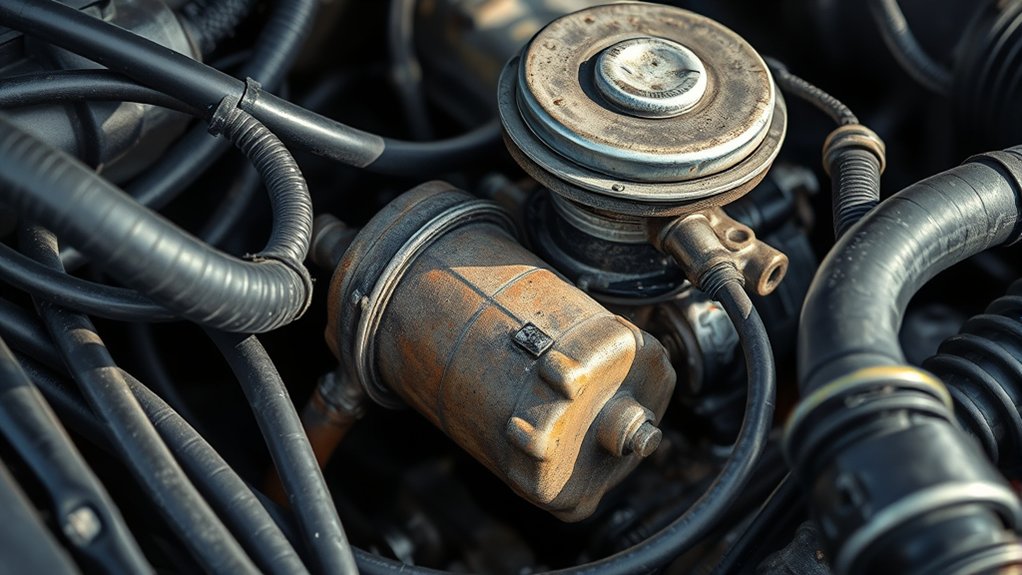
Does a Bad Fuel Pump Cause Engine Misfire?
Are you tired of your engine misfiring or hesitating at the worst times? Many drivers struggle with these issues, often feeling frustrated because they don’t know what’s causing the problem. One common culprit is a bad fuel pump, which can be tricky to detect but is crucial for smooth engine performance.
Yes, a bad fuel pump can cause engine misfires because it disrupts the consistent flow of fuel needed for smooth combustion. When the pump fails or delivers inconsistent pressure, your engine may hesitate, sputter, or stall, especially under load or acceleration.
This can affect specific cylinders or the entire engine. If you’re experiencing these symptoms, understanding how fuel pressure affects performance can help you identify if the fuel pump is the culprit. Keep exploring to find out more.
Key Takeaways
- Yes, a bad fuel pump can cause engine misfires because it delivers fuel inconsistently.
- When the fuel pressure fluctuates due to a faulty pump, it messes with proper combustion. This often leads to misfires.
- You might notice rough idling, hesitation, or sputtering, which are common signs of misfire issues caused by a bad fuel pump.
- Insufficient fuel pressure prevents the fuel from atomizing properly, especially during acceleration. This increases the chances of engine misfires.
- Addressing fuel pump problems quickly is important. It helps prevent further engine damage caused by persistent misfiring.
How Does a Fuel Pump Affect Engine Performance and Cause Misfires?
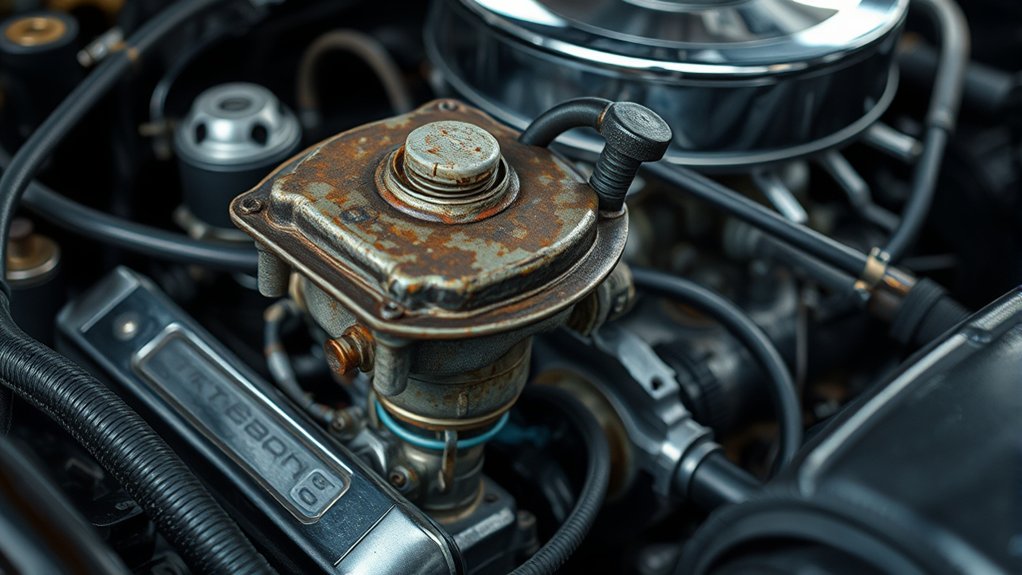
A fuel pump plays a crucial role in delivering the right amount of fuel to your engine at the correct pressure, which directly impacts engine performance. When your fuel pump malfunctions, it can cause inconsistent fuel delivery, leading to engine misfires.
If the pump isn’t providing enough pressure, cylinders may not receive enough fuel. This can cause misfires during acceleration or under load. A failing fuel pump might also produce fluctuating fuel flow, leading to irregular engine operation and rough running.
Severe failure can even cause engine stalling and complete fuel supply interruption. While fuel pump issues rarely cause a misfire in a specific cylinder, they contribute to overall hesitation and rough performance. That’s why maintaining proper fuel pressure is key to smooth engine function.
Can a Failing Fuel Pump Cause a Specific Cylinder to Misfire?
A failing fuel pump usually causes overall engine issues rather than a misfire in just one cylinder. If fuel delivery to a specific injector varies, it might cause a localized misfire, but the fuel pump itself isn’t usually the cause.
Problems with injectors, spark plugs, or coils are more likely to cause a cylinder-specific misfire. So, if you’re experiencing a misfire in one cylinder, it’s worth checking these components first.
Fuel Delivery to Cylinder
While a failing fuel pump can cause overall engine performance issues, it rarely causes a misfire isolated to just one cylinder. The fuel pump’s main job is to supply fuel evenly to all cylinders through the fuel injectors.
If the pump weakens, fuel delivery drops across the engine, leading to hesitation, rough idling, or stalling. But it usually doesn’t target just one cylinder. A misfire in a specific cylinder is more likely caused by ignition problems, faulty fuel injectors, or compression issues.
Even if the fuel pump is struggling, it’s unlikely to cause a misfire in just one cylinder without affecting the others. To diagnose such a misfire, you should check the fuel injectors and ignition system. A failing fuel pump isn’t typically the root cause in this case.
Injector Performance Variations
Even if you notice a misfire in a specific cylinder, a failing fuel pump is unlikely to be the cause. A malfunctioning fuel pump usually impacts overall fuel pressure, affecting multiple cylinders, not just one. Variations in injector performance or ignition issues are more likely culprits for a specific cylinder misfire.
Low fuel pressure from a weak pump can cause rough idling, but it rarely targets a single cylinder. Problems with the fuel injector, like clogging or failure, can cause inconsistent fuel delivery to that specific cylinder.
To understand this better, consider the following:
| Fuel Pressure Impact | Injector Performance Role |
|---|---|
| Uniform across all cylinders | Affects specific cylinders if faulty |
| Low pressure causes rough running | Clogs cause misfire in one cylinder |
| Irregular pressure leads to misfire | Injector failure directly impacts fuel delivery |
| Overall engine hesitation | Precise injector function is essential |
Signs Your Fuel Pump Is Causing Engine Misfires
Engine misfires caused by a failing fuel pump often show up through signs you can easily notice while driving. If your engine misfires, especially when you’re accelerating or under load, it could be because the fuel pump isn’t delivering fuel consistently.
You might feel rough idling, hesitation, or sputtering as the engine struggles to run smoothly. A sudden loss of power or difficulty keeping the engine RPMs steady are also common clues that the fuel pump isn’t providing enough pressure.
Persistent misfires, along with engine stuttering or fluctuating RPMs, often point to fuel supply issues from a failing pump. You might also hear strange noises coming from the fuel tank, which can be linked to problems with the fuel pump and engine misfires.
How to Diagnose Fuel Pump Problems Leading to Misfires
To accurately diagnose fuel pump problems that may cause engine misfires, start by checking the fuel pressure with a gauge attached to the fuel rail. Compare the reading to the manufacturer’s specs; low pressure suggests the fuel pump might be failing.
Next, test the electrical supply to the pump by checking the voltage and relay operation. Faulty wiring or relay issues can lead to inconsistent fuel delivery. Listen for the fuel pump’s noise when you turn on the ignition; no sound or unusual noises indicate a problem.
You can also pinch the vacuum line to the fuel pressure regulator and watch for pressure changes. If there’s no change, it could point to leaks or a faulty regulator that’s mimicking fuel pump issues. Lastly, perform resistance tests on wiring and internal components to find electrical issues that could cause misfires.
The Impact of Fuel Pressure on Cylinder Combustion
Maintaining stable fuel pressure is crucial for efficient engine combustion. When pressure drops or fluctuates, the fuel spray can become inconsistent, causing rough running or misfires.
Ensuring the right fuel pressure helps your engine run smoothly and perform at its best. It’s all about keeping things steady so your engine can fire properly and deliver optimal power.
Fuel Pressure Stability
How stable is your vehicle’s fuel pressure during operation? If it fluctuates, your engine’s performance can suffer. Consistent fuel pressure is key for proper fuel delivery to the injectors, making sure each cylinder gets the right amount for combustion.
When the fuel pump fails, it often causes pressure drops or surges that disrupt this balance. This instability can lead to uneven fuel atomization, which causes misfires and rough running.
To prevent these issues, you should check your fuel pressure regularly. Key points to remember include:
- Fluctuations in fuel pressure directly affect engine smoothness.
- A failing fuel pump can’t maintain stable pressure, risking misfire.
- Proper regulation prevents lean or rich conditions that can damage components.
Keeping your fuel pressure stable helps your engine run smoothly and reduces the chance of misfires.
Proper Combustion Efficiency
Proper combustion efficiency depends a lot on maintaining consistent fuel pressure. Fluctuations can upset the delicate balance needed for good fuel atomization.
When fuel pressure drops, fuel injectors can’t deliver the right amount at the right time, leading to incomplete combustion. This often causes engine misfire, rough running, and less power.
Keeping the fuel pressure steady ensures efficient atomization, which helps prevent lean mixtures and reduces emissions. Fluctuations in pressure can lower engine performance and even cause long-term damage to engine parts.
To understand this better, consider these effects:
| Effect of Fuel Pressure | Result in Engine Performance |
|---|---|
| Adequate fuel pressure | Smooth combustion, no misfire |
| Low fuel pressure | Engine misfire, rough run |
| Excessive fuel pressure | Rich mixture, poor efficiency |
| Fluctuating pressure | Unstable engine operation |
| Consistent pressure | Ideal combustion, power |
Common Causes of Fuel Pump Failure That Lead to Misfires
Fuel pump failure often comes from internal wear, electrical problems, or contamination, all of which can cause inconsistent fuel delivery and lead to engine misfires. When the pressure regulation fails, it causes fluctuating fuel pressure, disrupting combustion.
Here are some common causes:
- Internal wear: Over time, parts inside the pump break down, making it hard to keep steady pressure.
- Electrical issues: Faulty wiring or relays can cause the pump to work intermittently, messing up fuel flow.
- Contamination: Dirt or debris can clog filters or strainers, restricting fuel flow and creating lean conditions that lead to misfires.
Running low on fuel or being in dirty environments speeds up these problems, increasing the chances of engine misfires due to pressure irregularities.
Other Fuel System Issues That Can Mimic Fuel Pump Misfire Symptoms
While fuel pump issues are a common cause of engine misfires, other problems in the fuel system can cause similar symptoms. For example, clogged fuel injectors or filters can restrict fuel flow, leading to rough idling and hesitation.
A malfunctioning fuel pressure regulator can cause inconsistent fuel pressure, resulting in engine misfire or hesitation. External leaks in fuel lines or vacuum hoses can disrupt proper fuel delivery and cause engine roughness.
Contaminated fuel can also affect injector performance and mimic fuel pump failure symptoms. Additionally, electrical issues like faulty wiring or relay failures can intermittently cut off the fuel supply, leading to misfires.
Risks of Ignoring Fuel Pump Problems That Cause Misfires
Ignoring fuel pump problems that cause misfires can lead to serious engine damage and costly repairs. A faulty fuel pump disrupts fuel delivery, increasing the risk of engine misfire and further damage. If left unchecked, you might experience:
- Engine Damage: Running your car with a bad fuel pump causes a lean mixture that can damage spark plugs and sensors.
- Overheated Catalytic Converter: Misfires can send unburned fuel into the converter, leading to overheating and expensive repairs.
- Poor Performance and Failure: Ignoring these issues can cause decreased power, higher emissions, and eventually engine failure.
Fixing fuel pump problems early helps prevent these risks, keeping your engine running smoothly and safely. Ignoring warning signs only makes things worse and leads to higher repair costs.
When to Replace Your Fuel Pump Before It Causes Engine Misfires
Recognizing the signs of impending fuel pump failure allows you to replace it before engine misfires occur. If you notice hesitation, loss of power, or engine stuttering, it’s a sign the fuel pump may be nearing failure.
Engine hesitation at high speeds or difficulty starting are also warning signs that shouldn’t be overlooked. Using fuel pressure gauges to check for proper fuel pressure can help you determine if the fuel pump is maintaining adequate fuel flow.
Replacing the fuel pump early prevents engine misfires, stalling, and potential damage to other components like the catalytic converter. Taking proactive action when symptoms first appear can save you from costly repairs and ensure your engine runs smoothly without misfiring caused by a failing fuel pump.
Frequently Asked Questions
How Does a Car Act When a Fuel Pump Is Going Out?
When your fuel pump is going out, you’ll notice your car struggles to start, or it might crank but not run smoothly.
You could feel hesitation or rough idling, especially during acceleration.
Expect engine surges or fluctuating RPMs, and listen for a whining noise from the fuel tank area.
These signs point to inconsistent fuel delivery, causing your engine to act up and lose power unexpectedly.
Can a Failing Fuel Pump Cause Random Misfire?
A failing fuel pump can definitely cause a random misfire, and about 20% of engine misfires are linked to fuel delivery issues. When your pump struggles, it disrupts consistent fuel flow, leading to engine hesitation or sputtering.
You might notice some cylinders aren’t getting enough fuel, causing uneven combustion. If your engine misfires unpredictably, it’s worth having your fuel pressure checked to see if the pump’s the culprit.
What Could Be Mistaken for a Bad Fuel Pump?
You might mistake faulty ignition coils or spark plugs for a bad fuel pump because they cause similar engine misfire symptoms.
Clogged fuel injectors or a dirty air filter can also mimic fuel pump issues by reducing engine performance.
Sensor malfunctions like with oxygen or airflow sensors, and electrical problems such as a failing crankshaft sensor, can lead to hesitation and misfires, making them easy to confuse with fuel pump failures.
How Much Will It Cost to Fix a Fuel Pump?
Fixing a fuel pump is like repairing a crucial bridge in your car’s journey. It’ll cost between $400 and $1,000, depending on your vehicle’s make and model.
In-tank pumps might be cheaper at first, around $150 to $300, but labor costs can add up. Upgrading to a higher-quality pump costs more upfront but tends to last longer.
Complex setups or extra parts can bump up your repair bill, so expect some variation.
Conclusion
If your engine keeps misfiring, don’t ignore what your fuel pump might be telling you. A failing pump can cause more than just rough running — it might leave you stranded unexpectedly.
Regular checks and timely replacements can save you from bigger headaches down the road. Keep an eye on your fuel system to prevent issues from worsening.
Remember, an ounce of prevention is worth a pound of cure. Stay vigilant, and don’t let a bad fuel pump cause engine misfire or turn into costly repairs.