Can Diesel Fuel Explode?
Many people worry about the safety risks associated with diesel fuel, especially when it comes to fires or explosions. If you handle diesel regularly, you’re not alone in wanting to understand how to stay safe.
Diesel fuel can explode under specific conditions, but it’s less volatile than gasoline. You’re at risk if diesel vapors build up in confined spaces or if heated beyond its flash point, which causes vapors to ignite easily.
Sparks, static electricity, or heat can trigger explosions if proper safety measures aren’t in place.
To stay safe, understanding how diesel ignites and how to prevent accidents is key — keep going to learn more about keeping hazards at bay.
Key Takeaways
- Diesel fuel itself is less volatile and less likely to explode compared to gasoline. However, its vapors can still be explosive under certain conditions.
- When diesel is heated or spilled, vapors can form. These vapors can mix with air within specific concentration ranges, creating the potential for an explosion.
- An explosion might happen if these vapors ignite in a confined space. Static electricity, sparks, or open flames are common ignition sources.
- Proper storage is key. Keeping diesel below its flash point and ensuring good ventilation helps prevent vapor buildup.
- This reduces the risk of an explosion. Diesel fires are usually extinguished with foam or dry powder.
- Spontaneous explosions are unlikely unless there’s an ignition source present.
Is Diesel Flammable or Explosive?
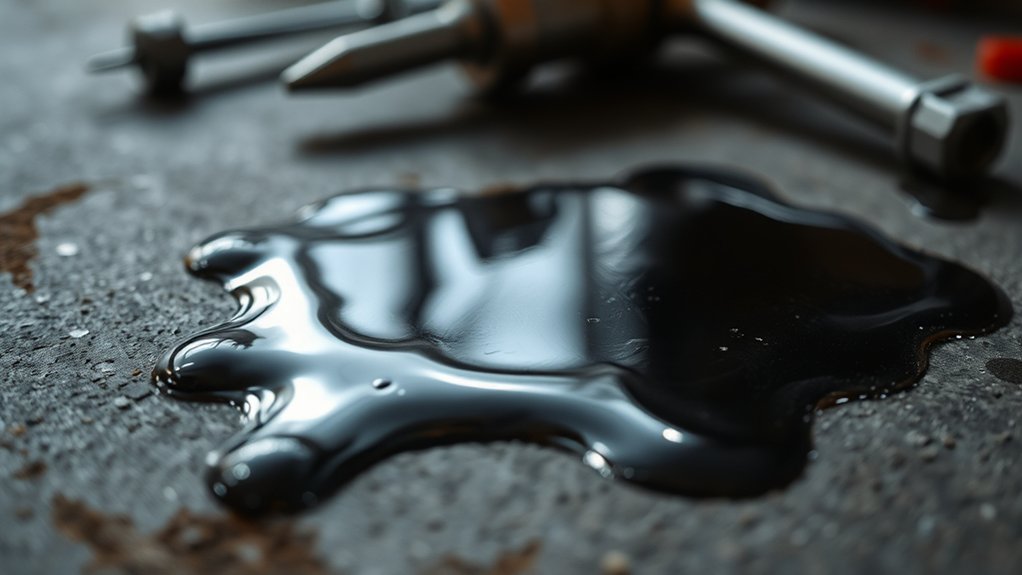
Is diesel fuel truly flammable or explosive? Diesel is classified as flammable, but it’s not as volatile as gasoline. Its flash point usually ranges from 52°C to 93°C, meaning it becomes flammable when heated to or above this temperature.
Diesel vapours can form explosive mixtures with air if they reach the flammable range, which is between 0.6% and 8.0% vapour concentration. While diesel itself doesn’t spontaneously ignite at room temperature, improper storage, handling, or ventilation can cause vapours to build up and reach explosive levels.
Good storage practices and proper ventilation are essential to prevent vapour buildup. Remember, diesel’s lower volatility makes it less likely to explode, but safety measures are still crucial to avoid dangerous situations involving flammable vapours.
How Is Diesel’s Flash Point Determined and Why Does It Matter?
You can find out diesel’s flash point using open-cup or closed-cup testing methods. These tests determine the lowest temperature at which vapors ignite.
This measurement helps classify diesel as either flammable or combustible. It’s important because it guides how diesel should be stored and handled safely.
Knowing the flash point is crucial for preventing fires and making sure safety regulations are followed.
Methods of Flash Point Testing
Determining the flash point of diesel involves specific testing methods that reveal the minimum temperature at which its vapors can ignite. During flash point testing, you can use either the open-cup or closed-cup method.
The open-cup method exposes the liquid to outside air, allowing vapors to escape. This usually produces a lower flash point compared to other methods. The closed-cup method, on the other hand, seals the sample, making it more accurate for flammable liquids and closer to the ignition temperature.
These testing methods help classify diesel’s flammability, guiding safe storage and handling practices. The differences in testing impact the measured flash point, which can range from about 37.8°C to over 93°C, depending on the formulation and method used.
Impact on Safety Classification
The way diesel’s flash point is measured directly influences how it’s classified for safety purposes. If the flash point is at or below 60°C, diesel is considered flammable, which means it needs stricter safety handling and special storage containers.
The flash point shows the temperature at which vapours form a flammable mixture that can ignite if there’s an ignition source nearby. Knowing this helps determine diesel’s fire classification, guiding safety protocols during transport, storage, and use.
Accurate testing methods, like open-cup or closed-cup tests, ensure compliance with regulations and help assess risks. Variations in the measured flash point, shown in Safety Data Sheets, impact safety measures and precautions.
Properly managing diesel’s flammability risk prevents fires or explosions by making sure safety measures are appropriate for its flammability level.
Can Diesel Explode? Conditions That Lead to a Detonation
Although diesel fuel is less volatile than gasoline, it can still explode under certain conditions. Diesel vapors become explosive when they reach their flash point or form an explosive mix with air.
To understand the risks, consider these factors:
- Accumulation of diesel vapors in confined spaces increases the chance of reaching explosive levels.
- Heating diesel to or beyond its flash point creates vapor clouds that can ignite.
- Compressing diesel vapors into a vapor-air mixture within flammable limits can lead to detonation.
- An ignition source, such as static electricity or sparks, can ignite these vapors if storage conditions are poor or ventilation is inadequate.
Maintaining proper storage and handling helps minimize the risk of a diesel explosion.
What Causes Diesel to Ignite and Explode in Real Life?
You need to understand that diesel can ignite if its vapors mix with air in the right concentration, especially in confined spaces. Sparks, heat, or static electricity can then trigger an explosion, so proper storage is essential.
Always make sure your storage areas are well-ventilated and free of leaks or static buildup. This helps prevent accidents and keeps everyone safe.
Vapor-Air Mixture Risks
Have you ever wondered what causes diesel to ignite and explode in real-life scenarios? The key factor is the vapor-air mixture. When diesel vapor mixes with air within its flammable concentration range of 0.6% to 7.5%, it forms an explosive mixture.
Several conditions increase the risk:
- Heating diesel above its flash point creates more diesel vapor.
- Releasing diesel as mist under pressure spreads flammable vapors.
- Confined spaces trap vapor-air mixtures, raising the vapor-air ratio.
- An ignition source like a spark or open flame ignites the vapor-air mixture, leading to an explosion.
Understanding these risks highlights the importance of controlling vapor concentrations and avoiding ignition sources in environments with diesel vapors.
Proper Storage Precautions
Proper storage precautions are essential to prevent diesel from igniting and exploding in real-life situations. Using sealed, well-ventilated containers helps minimize vapour buildup, which reduces the explosion risk.
Overfilling tanks or using unapproved containers can cause leaks and increase vapour concentration, raising the chance of vapour ignition. Keep storage temperatures below diesel’s flash point of around 55°C to prevent accidental ignition.
Be cautious of heat sources, static electricity, or sparks near storage areas, as they can trigger vapour ignition and lead to explosions. Maintaining proper storage practices, ensuring adequate ventilation, and avoiding static buildup are critical steps to safely contain diesel and prevent dangerous incidents in any environment.
How Do Storage and Handling Prevent Diesel Explosions?
To prevent diesel explosions, careful storage and handling are essential. Proper storage minimizes oxygen exposure, which reduces vapor formation and the risk of an explosion. Adequate ventilation in storage areas helps prevent the buildup of flammable vapors.
Regular inspections of tanks and containers are important. They help identify leaks, corrosion, or damage so repairs can be made on time. Containment measures like spill barriers also help stop accidental releases from igniting.
Filling tanks completely limits the air space, decreasing the amount of oxygen available and reducing vapor accumulation. These steps work together to keep diesel safe and lower explosion hazards.
Here are four key practices:
- Store diesel in approved, sealed containers.
- Ensure proper ventilation in storage areas.
- Conduct routine inspections for leaks and damage.
- Use containment measures during handling.
Following these steps helps keep diesel safe and minimizes explosion risks.
How to Spot Diesel Leaks and Fire Hazards
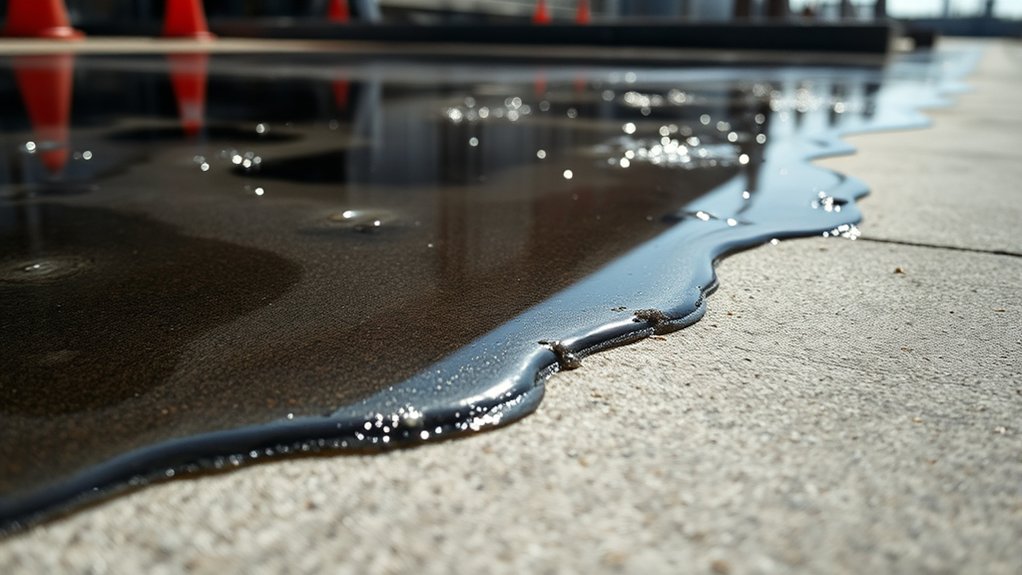
Detecting diesel leaks early is key for safety and protecting the environment. Keep an eye out for wet spots, oily stains, puddles, or corrosion around your fuel tank and equipment.
An oily smell or visible fumes can also mean diesel is leaking. Cracks or damage to containers, along with stains, are warning signs to watch for.
Diesel spills on surfaces like concrete can create fire hazards, especially if sparks or open flames are nearby. Leaks near hot surfaces or electrical equipment are especially risky.
This is because vapour ignition can happen easily. Remember, diesel’s flash point is relatively low, so spills can be explosive if not cleaned up quickly.
Regular inspections and prompt cleanup of spills are essential. They help prevent fires and environmental damage, keeping your fuel tank and surroundings safe.
What Are the Best Ways to Respond to Diesel Fires and Reduce Risks
When a diesel fire happens, quick and smart action is key to minimizing damage and keeping yourself safe. To respond properly and reduce risks, follow these steps:
Use the right fire extinguishers—foam, dry powder, or CO₂—to put out diesel fires. Avoid water, as it can spread the flames.
Make sure the area is well-ventilated and remove any sources of ignition. Diesel’s fuel has a flash point, so preventing sparks is crucial.
If the fire gets out of control or involves a large amount, evacuate immediately and call emergency services right away.
Protect yourself from toxic fumes by covering your mouth and nose with a mask or cloth. Wear protective gear like gloves and goggles for added safety.
Responding properly can limit the damage and stop the fire from spreading or reigniting.
Frequently Asked Questions
Is Diesel Flammable or Explosive?
Diesel fuel is flammable, not explosive under normal conditions. You need to be cautious because its vapours can ignite if they reach the right concentration and are exposed to a spark or heat.
While it’s less volatile than gasoline, heating, compressing, or misting diesel in confined spaces can increase explosion risks. Proper handling, storage, and ventilation are key to preventing dangerous situations involving diesel vapours.
What Can Cause a Diesel Tank to Explode?
A diesel tank can explode if vapors reach their flammable range and meet an ignition source. You’re at risk if you overfill, improperly vent, or create static sparks during transfer.
Heating diesel above 55°C or sealing residual vapors can build pressure or ignite. Even small leaks near sparks or hot surfaces can trigger a powerful explosion.
Is It Safe to Store Diesel Fuel at Home?
Storing diesel fuel at home can be safe if you follow proper guidelines. Keep it in approved, sealed containers and away from heat, flames, and ignition sources.
Store it in well-ventilated areas, preferably outdoors or in designated cabinets. Regularly check for leaks, label containers clearly, and follow local regulations.
At What Point Does Diesel Combust?
Diesel combusts when its vapour reaches a certain concentration in the air, between 0.6% and 7.5%. It also needs to be heated to at least its flash point, which is about 52°C to 96°C.
Interestingly, diesel won’t spontaneously ignite at room temperature. But if you heat it enough or apply high pressure, it’s ready to flare up.
Conclusion
Understanding diesel’s flammability helps you stay safe, especially when handling or storing it.
For example, a small leak near a heat source could ignite if not addressed quickly, leading to a dangerous fire.
Always keep an eye out for leaks, practice proper storage, and know how to respond fast.
Staying vigilant and informed reduces the risk of explosion or fire, protecting yourself and others.
Since diesel fuel can ignite under certain conditions, safety starts with awareness and proactive measures.