
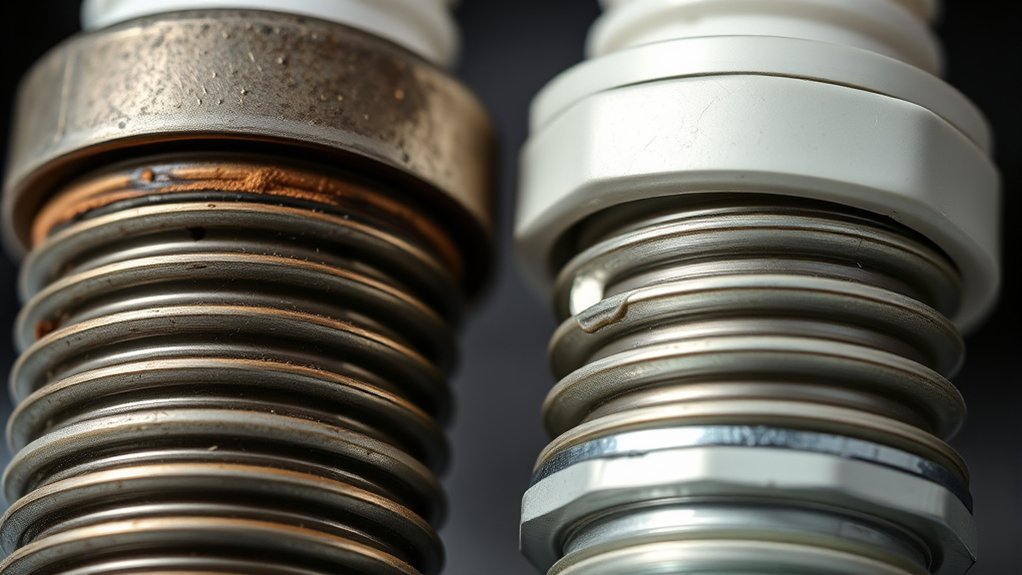
How to Tell If My Spark Plugs Are Old or New
Many car owners find themselves unsure about when to replace their spark plugs. It’s a common problem—knowing whether those small components are still good or need to be swapped out. Don’t worry, you’re not alone; checking your spark plugs is easier than you think.
To tell if your spark plugs are old or new, start by removing one and inspecting the electrodes for erosion, cracks, or heavy deposits like carbon or oil buildup.
Check the color—light tan means good, while black soot or white spots suggest overheating or wear.
Measure the electrode gap with a feeler gauge. An incorrect gap can cause misfires and engine trouble.
If you notice signs of wear, deposits, or your engine runs rough, your spark plugs might need replacing.
Keep going to learn more about maintaining peak performance.
Key Takeaways
- Remove the spark plug and take a good look at it. Check for erosion, deposits, cracks, or any discoloration. These signs can tell you if it’s old or worn out.
- Next, test the electrode gap. If it’s too wide, that’s usually a sign the plug is past its prime. It’s a good idea to compare it to the manufacturer’s recommended gap.
- Look for heavy carbon build-up, fouling, or corrosion on the electrode and insulator surface. These issues can cause your engine to run poorly.
- Measure the electrical resistance with a multimeter. If the resistance is high, it could mean the spark plug is aging or damaged.
- Pay attention to how your engine behaves. Misfires, rough idling, or lower fuel efficiency might be signs that your spark plugs need replacing.
How to Quickly Check If Your Spark Plugs Are Worn or New
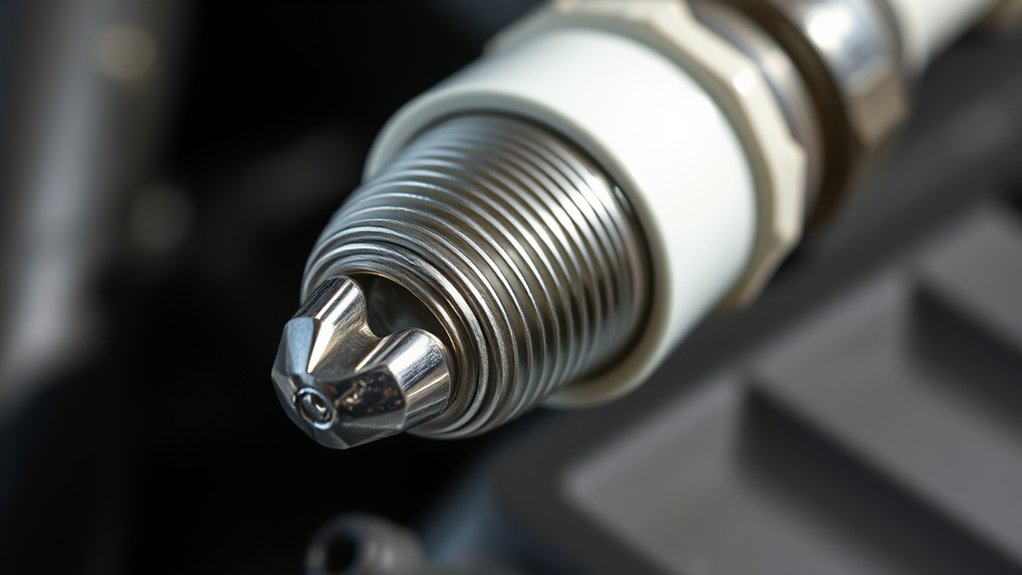
Wondering how to tell if your spark plugs are worn or still new? First, remove a spark plug and look at the electrode closely. Check for erosion, rounded edges, or heavy deposits, which mean wear.
Next, look at the color. Healthy spark plugs usually have a light tan or grayish-tan deposit. Worn ones often look black, oily, or heavily carboned. Measure the electrode gap with a feeler gauge; if it’s larger than the manufacturer’s specs, the spark plug is probably old or worn out.
Also, look for visible damage like cracks in the ceramic insulator or melted electrodes. These signs mean the plug is no longer functional. Comparing your spark plug to a new one helps. Worn plugs tend to have dull, eroded metal parts and more fouling.
What Deposits and Colors Reveal About Your Spark Plug Condition
The color and type of deposits on your spark plug can tell you a lot about its condition.
Oily residues often mean oil leaks, while black soot indicates a rich fuel mixture.
Heavy carbon buildup can point to an old or contaminated plug that needs attention.
Deposit Colors Indicate Performance
Have you ever noticed different colors and deposits on your spark plug tip? These deposit colors can tell you a lot about how your engine is performing.
Light tan or grayish deposits usually mean your spark plug is healthy and working properly. But if you see black, dry soot deposits, it’s often a sign of carbon buildup caused by a rich fuel mixture or incomplete combustion, which can hurt performance.
Oily, black deposits suggest oil leaks into the combustion chamber, which can negatively impact efficiency. Dark, heavily carbonized deposits often indicate extended idling or a dirty air filter, making combustion less effective.
Bright white or blistered deposits show overheating or the wrong heat range, risking damage to your spark plug and engine. Recognizing these deposit colors helps you assess your spark plug’s condition and keep your engine running smoothly.
Oily Residue Signifies Leaks
Oily residue on your spark plugs is a clear sign of oil leaking into the combustion chamber. When you see oil deposits, especially black and greasy fouling, it means oil is seeping past worn piston rings or valve guides.
This fouling can mess with spark plug function, causing misfires and rough idling. Recognizing these deposits helps you figure out what’s really going on with your engine.
| Deposit Color | Significance |
|---|---|
| Black, greasy | Oil fouling from internal leaks in piston rings or valve guides |
| Dry or white | Normal or indicating other issues, not oil-related |
These oil deposits make ignition less effective, which reduces engine performance. Fixing the internal leaks should be your first step before replacing spark plugs to get your engine running smoothly again.
Carbon Buildup Affects Combustion
Carbon buildup on spark plugs is a common sign of incomplete combustion, often caused by a rich fuel mixture or driving at low speeds. You’ll notice dull, black deposits on the insulator and electrode tips, which can reduce spark plug efficiency.
Excessive carbon buildup can lead to engine misfires, rough idling, and overall reduced performance. The black, dry soot shows there’s too much carbon, while oily deposits suggest oil contamination making fouling worse.
Light tan or grayish deposits usually mean your spark plugs are in good shape. When carbon deposits build up too much, they block proper ignition, causing misfires and engine issues.
Regular inspection and cleaning help keep combustion running smoothly and improve engine performance.
How to Spot Old or Worn Spark Plugs by Sight
You can tell if your spark plugs are worn just by looking at them. Check for rounded or eroded electrodes, dark deposits, or cracks on the insulator.
These signs mean it’s probably time to replace your spark plugs. A quick visual check can save you from potential engine trouble down the road.
Visual Signs of Wear
To identify if your spark plugs are worn out, start by inspecting the electrodes. Worn spark plugs often show rounded, eroded electrodes instead of sharp, well-defined edges.
Look for dull, corroded metal surfaces rather than shiny, clean metal. This indicates age and wear. The tips may also have dark, carbon deposits or soot, signaling fouling or excessive use.
Check the ceramic insulator for cracks or chips, as damage here suggests the plug isn’t functioning properly. Discoloration, like brown or white spots on the metal shell, can also point to overheating and aging.
These visual signs—erosion, corrosion, deposits, and discoloration—are clear indicators that your spark plugs are old or worn and should be replaced.
Deposits and Discoloration
Dark, black deposits or soot on the electrodes and insulator tip are common signs that your spark plug is old or worn. These deposits show carbon buildup from incomplete combustion, which can hurt performance.
Discoloration on the ceramic insulator, especially brown or yellow stains, also signals age-related deterioration. If you see bright, shiny metal parts and well-defined electrodes, your spark plug is probably new or well-maintained.
On the other hand, oily or greasy deposits suggest oil fouling, often found in worn or damaged plugs. Light tan or grayish deposits generally indicate a healthy, relatively new spark plug.
Pay close attention to these deposits and colors, as they give you visual clues about your spark plug’s condition. They can help you decide if it’s time for a replacement.
How to Measure Spark Plug Gaps and Detect Damage at Home
Measuring your spark plug gaps accurately is key to keeping your engine running smoothly, and it’s something you can easily do at home. First, grab a spark plug gap gauge or feeler gauge to check the electrode gap.
Insert the gauge between the center and ground electrodes and compare the measurement to your vehicle’s recommended spark plug gap. If it’s off, gently bend the ground electrode to get it right.
While you’re inspecting, look out for damage like cracked ceramic insulators, broken electrodes, or lots of carbon buildup. Also, check for signs of erosion or wear, such as rounded or flattened electrodes, which can hurt performance.
Use a flashlight to carefully examine the insulator and electrodes for cracks, chips, or discoloration. These can be signs of damage that might need attention.
Signs in Engine Performance That Indicate Spark Plug Wear
If your engine misfires, hesitates during acceleration, or runs rough at idle, your spark plugs might be worn out. You’ll also notice a drop in fuel efficiency and possibly increased vibrations or knocking sounds.
These signs point to spark plug issues that could be affecting your engine’s performance. If you notice any of these, it’s a good idea to check your spark plugs and replace them if needed.
Engine Misfires and Hesitation
Engine misfires and hesitation are clear signs that your spark plugs might be worn out. When spark plugs are old or fouled, they fail to ignite the fuel-air mixture properly, leading to engine misfires.
You might notice the engine sputtering or jerking, especially during acceleration. Hesitation is another common symptom, as worn spark plugs struggle to produce a strong, timely spark, causing your vehicle to hesitate or stall under load.
Irregular engine performance, like sputtering or rough running, often points to worn spark plugs. Visual signs, such as eroded electrodes or carbon buildup on the spark plug tips, can confirm they’re nearing the end of their lifespan.
Addressing these issues early can restore smooth operation and prevent further engine trouble.
Rough Idling and Vibrations
Rough idling and vibrations are common signs that your spark plugs might be wearing out. When spark plugs have worn electrodes or get carbon deposits, they mess up the proper spark timing and cause inconsistent combustion.
This can lead to engine vibrations and a rough idle. You might also notice misfires during idle, which suggest your spark plugs aren’t firing evenly because of age or buildup.
Excessive vibrations and roughness at idle often point to worn or misgapped spark plugs. Regularly check your spark plugs for signs of wear or deposits to see if they’re causing these issues.
Keep an eye out for rough idling, engine vibrations, misfires during idle, carbon deposits on plugs, or eroded and misgapped spark plugs.
Decreased Fuel Efficiency
Decreased fuel efficiency is a common sign that your spark plugs might be wearing out. When spark plugs become worn, they cause incomplete combustion, which can cut your fuel economy by 20-30%.
You might also notice engine misfires, rough idling, or sluggish acceleration. These symptoms indicate poor spark quality. Excessive carbon buildup can weaken sparks, leading to higher fuel consumption and lower engine performance.
Persistent hesitation or stalling during acceleration is another sign. It suggests old or fouled spark plugs are disrupting the fuel and air mixture, impacting how your engine runs.
| Symptom | Cause/Effect |
|---|---|
| Reduced fuel economy | Worn spark plugs cause inefficient combustion |
| Engine misfires | Poor spark quality leads to incomplete burn |
| Rough idling | Foul plugs cause inconsistent sparks |
| Sluggish acceleration | Ignition issues impair engine response |
| Increased fuel consumption | Weak sparks require more fuel for power |
When to Replace Your Spark Plugs and How to Do It
Knowing when to replace your spark plugs is key to keeping your engine running smoothly. Check your vehicle’s maintenance schedule—usually, copper spark plugs should be replaced every 25,000 to 30,000 miles, while iridium or platinum ones can last up to 100,000 miles.
Keep an eye out for signs like misfires, rough idling, or trouble starting, which mean it might be time to swap them out. Also, do a visual inspection for worn electrodes, black soot, cracks, or corrosion on the plugs.
Use a spark plug gap gauge to measure the electrode gap and see if it matches your manufacturer’s specs. If the gap is wider than it should be, that’s a sign of wear.
Tools and Techniques for Inspecting Spark Plugs at Home
When inspecting your spark plugs at home, having the right tools makes the process much easier and more accurate. You’ll need a spark plug socket and ratchet to safely remove the plugs.
Use a feeler gauge to check the electrode gap, making sure it matches your vehicle’s specifications. Examine the ceramic insulator for cracks, chips, or discoloration that could signal damage or age.
Look for carbon deposits, soot, or oil fouling on the tip and threads. These signs suggest fouling or contamination. A multimeter helps test the resistance of the spark plug’s electrode, revealing internal damage or wear.
These essential tools make your inspection smoother, helping you figure out if your spark plugs are old or new and whether they need replacing.
| Tool | Purpose |
|---|---|
| Spark plug socket | Safely remove and install spark plugs |
| Feeler gauge | Measure electrode gap accurately |
| Multimeter | Test electrical resistance of spark plug components |
When to Seek Professional Spark Plug Inspection and Diagnosis
If your engine misfires, stalls, or runs roughly even after replacing the spark plugs, it’s time to get a professional inspection. Worn-out spark plugs need expert diagnosis to figure out if they’re causing the problems.
You should also seek help if the check engine light comes on, since a mechanic can identify whether worn spark plugs are the issue. Visual signs like cracked ceramic insulators or heavy carbon buildup also mean you should get it checked out.
Persistent poor fuel efficiency or sluggish acceleration despite regular maintenance suggests the spark plugs might need attention. Regular diagnostics are especially important if your vehicle has high mileage and is past the recommended replacement interval.
Don’t wait too long—getting a professional evaluation helps keep your engine running smoothly and efficiently.
How Old Spark Plugs Affect Your Engine’s Efficiency and Power
As your spark plugs age, they become less effective at igniting the fuel-air mixture. This can directly reduce your engine’s efficiency and power. Worn plugs develop eroded electrodes and carbon deposits, leading to weaker sparks.
This causes misfires, rough idling, and difficulty starting, which affects engine responsiveness. Over time, these issues can also cause ignition timing problems, further lowering engine performance.
Replacing old spark plugs restores proper combustion, improving both fuel efficiency and engine power. The table below shows how worn plugs impact your vehicle:
| Effect | Cause | Result |
|---|---|---|
| Reduced engine power | Eroded electrodes | Weaker sparks |
| Poor fuel efficiency | Carbon deposits | Misfires |
| Rough idling | Deposits and wear | Engine hesitation |
| Ignition issues | Damage buildup | Performance decline |
Tips to Extend Spark Plug Life and Maintain Peak Performance
Regularly maintaining your spark plugs can significantly extend their lifespan and help your engine perform at its best.
Regular spark plug maintenance extends lifespan and boosts engine performance.
To keep your spark plugs in good shape, check them regularly for signs of wear like eroded electrodes, carbon buildup, or cracks.
Follow the manufacturer’s recommended replacement schedule, usually every 25,000 to 100,000 miles, to avoid premature wear.
When installing new spark plugs, make sure to use the proper gap and torque to ensure optimal combustion.
Keeping your air filter clean and maintaining the right fuel mixture can also reduce fouling and prolong spark plug life.
Periodically run engine diagnostics and do visual checks—replace your spark plugs as soon as you notice signs of wear or deposits.
Taking these simple steps helps your spark plugs last longer and keeps your engine running efficiently.
Common Symptoms That Signal You Need New Spark Plugs
Worn or old spark plugs often show clear signs that it’s time to replace them. If your engine misfires, runs rough, or hesitates during acceleration, your spark plugs might be failing.
You might also notice a drop in fuel efficiency—up to 20-30%. That’s a strong sign your spark plugs need some attention. Difficulty starting your vehicle or persistent failure to start can also indicate worn plugs.
Visible deposits like black soot or carbon buildup on the spark plug tips suggest they’re nearing the end of their lifespan. You may also see warning lights, such as the Check Engine light, activate on your dashboard.
Recognizing these symptoms early can help prevent further engine problems and keep your vehicle running smoothly.
Questions to Ask Your Mechanic About Spark Plug Maintenance
When you take your vehicle to the mechanic for spark plug inspection or replacement, it’s important to ask the right questions to ensure your engine runs smoothly. Knowing the condition of your spark plugs helps prevent performance issues and saves you money.
Here are some key questions to ask:
- How many miles have my spark plugs been in use, and is that within the recommended interval?
- During inspection, do the spark plugs show signs of wear like eroded electrodes, carbon deposits, or cracks?
- Are the spark plug gaps correctly set according to the manufacturer’s specifications?
- Has the mechanic tested the electrical resistance and overall functionality of the spark plugs?
- Could worn spark plugs be causing symptoms like rough idling, misfires, or poor fuel efficiency?
Asking these questions helps you understand if your spark plugs need attention.
Frequently Asked Questions
Can You Tell if Spark Plugs Are Old?
Yes, you can tell if your spark plugs are old by inspecting them closely. Look for rounded or eroded electrodes, heavy carbon buildup, or oil deposits.
Check for cracks or chips in the ceramic insulator, and note any discoloration or excessive deposits. These signs often mean the plugs are worn out.
If your engine misfires, idles roughly, or fuel efficiency drops, those are good indicators your spark plugs need replacing.
What Spark Plug Does a Tecumseh Engine Take?
Your Tecumseh engine typically takes spark plugs like Champion RC12YC or RC14YC, depending on the model. Check the engine’s manual or label to confirm the exact type and size, usually between 10mm and 14mm thread.
Using the correct spark plug guarantees your engine runs smoothly, starts reliably, and maintains fuel efficiency. Always match the recommended heat range and specifications for peak performance.
How Long Do Spark Plugs Last in a Subaru Crosstrek?
Spark plugs in your Subaru Crosstrek usually last between 60,000 and 100,000 miles. You’ll want to check them around 60,000 miles for wear or fouling, especially if you notice misfires, rough idling, or decreased fuel efficiency.
Iridium and platinum plugs tend to last longer, often over 90,000 miles. Following the manufacturer’s recommended replacement schedule helps keep your engine running smoothly and prevents potential damage.
What Spark Plugs Are Best for Lexus?
For your Lexus, iridium or platinum spark plugs are the best choice because they last longer and boost performance.
Check your owner’s manual to confirm the recommended type, which is usually double platinum or iridium.
Avoid copper plugs since they wear out faster and can negatively affect engine efficiency.
Make sure to inspect and replace your spark plugs regularly, about every 60,000 to 100,000 miles, to keep your Lexus running smoothly.
Conclusion
Regularly checking your spark plugs can save you time and money by catching engine issues early. It’s a simple habit that can prevent bigger problems down the road.
Some people think inspecting or replacing spark plugs is complicated, but you can do quick at-home tests and look for signs of wear. This way, you stay ahead of potential problems.
Don’t wait until your engine performance drops. Proactive maintenance keeps everything running smoothly and efficiently.
Remember, investing a little effort now can extend your spark plug’s life. Checking if your spark plugs are old or new helps ensure your vehicle stays reliable for years to come.