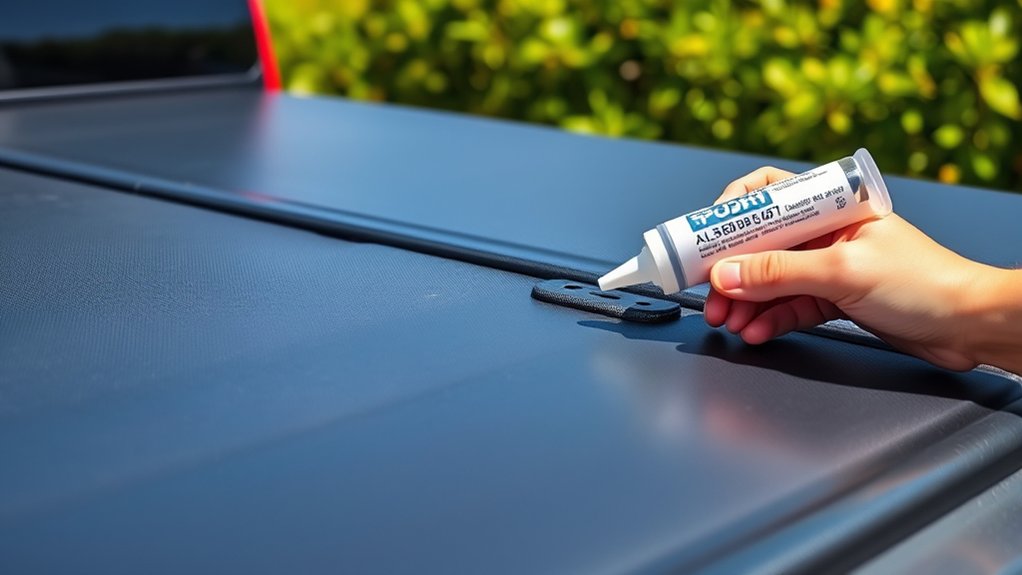
How to Stop Your Tonneau Cover From Leaking With Simple Steps
Dealing with a leaking tonneau cover can be really frustrating, especially when you’re just trying to keep your gear dry. You’re not alone—many truck owners struggle with leaks after heavy rain or even washing their vehicle.
Luckily, fixing this problem is simpler than you might think.
To stop your tonneau cover from leaking, start by inspecting for visible cracks, tears, or gaps in the seals and seams after rain or washing.
Clean and replace damaged seals, applying silicone lubricant to keep them flexible.
Check your cover’s alignment and tension, tightening clamps as needed for a snug fit.
Keep drainage tubes clear and sealed.
Proper maintenance and storage can prevent future leaks—if you want a complete guide, there’s more to investigate.
Key Takeaways
- Regularly check the seals and edges for any cracks, tears, or misalignments. If you notice any damage, replace or reseal them to keep your cover watertight.
- Clean the seals with silicone and apply a lubricant to keep them flexible. This helps prevent leaks by ensuring the seals stay in good condition.
- Make sure your cover is properly tensioned and tightly secured. This reduces gaps where water could sneak in.
- Don’t forget to clear out drainage tubes and channels. Blocked drainage can cause water to pool and find its way inside.
- When you’re not using the cover, store it in a dry, cool place. Regularly maintain the seals and drainage systems to keep everything functioning perfectly.
How to Spot Leaks in Your Tonneau Cover
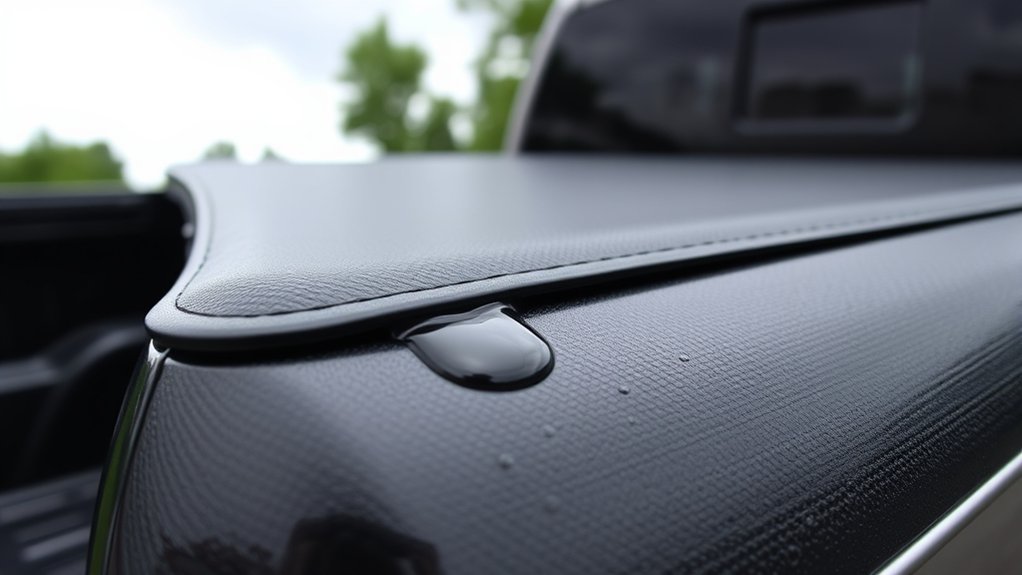
To effectively identify leaks in your tonneau cover, start by inspecting the truck bed after it rains or you’ve washed your vehicle. Look for water stains, damp spots, or rust that might indicate water has gotten in.
Next, run a garden hose over the cover and watch underneath for drips or any water entry points. Pay close attention to the edges, seams, and corners for cracks, gaps, or damaged seals.
Run a garden hose over the cover, inspecting edges and seams for cracks, gaps, or damaged seals.
Check if the seals are misaligned or if there’s uneven sealant, as these can let water seep inside. Also, be on the lookout for musty odors or mold, which suggest trapped moisture.
Spotting these issues early helps you determine whether seals or other parts need fixing, keeping your cover watertight.
Common Causes of Cover Leaks and How to Check Them
Leaks often happen when the cover material gets tears or punctures that break the waterproof barrier. To check for leaks, look at the seals around the edges and seams for cracks, brittleness, or gaps.
Misalignment of the cover or fastening system can also let water in, so make sure everything lines up correctly. Blocked or damaged drainage tubes and channels stop water from draining properly, leading to pooling and seepage inside the bed.
Gaps between the cover and truck bed, especially at the edges, can cause leaks if they aren’t sealed tightly. Regular inspections help catch damage or seal deterioration early so you can fix it before bigger issues develop.
Addressing these problems quickly ensures your tonneau cover keeps water out and protects your truck bed effectively.
Inspect and Replace Damaged Seals to Stop Leaks
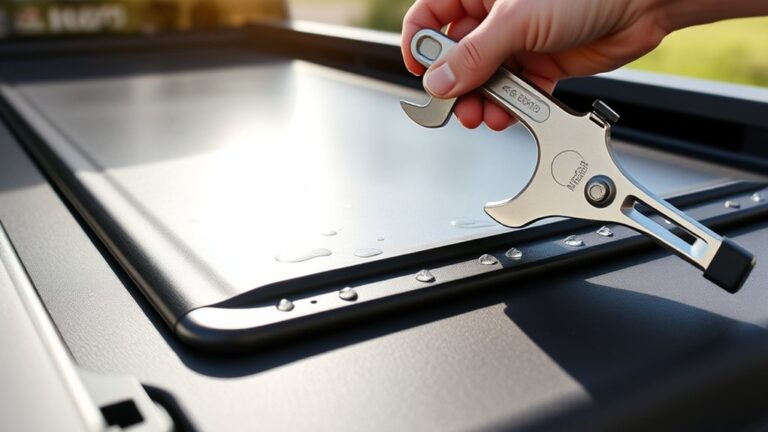
Regularly inspecting the rubber seals along your tonneau cover’s edges is essential to prevent water from seeping inside. Check for cracks, tears, or signs of deterioration, and replace any damaged seals immediately.
Regularly inspect and replace damaged seals to keep your tonneau cover watertight.
To do this, carefully remove the old seals, making sure you don’t damage the surrounding area. Clean the area and the new seals with mild soap and water to keep them flexible and ensure a waterproof fit.
During seal installation, press them firmly into place. Apply adhesive sealant or weatherproof tape around the edges to reinforce the waterproof barrier.
After replacing the seals, test their effectiveness by spraying water over the cover. If you notice water seeping underneath, double-check the seals’ installation and replace any that aren’t sealing properly.
How to Clean and Maintain Your Cover for Waterproofing
Keeping your tonneau cover and seals clean is key to maintaining its waterproof capabilities. Regularly wash the cover and rubber seals with mild soap and water to remove dirt, grime, and debris that can weaken waterproofing.
Use a soft cloth to gently clean the seals, keeping them flexible and crack-free. To help preserve their elasticity, apply a silicone lubricant periodically—this helps prevent water from seeping through gaps.
Don’t forget to clear drainage tubes and channels regularly to prevent blockages that cause water buildup. Making sure the cover is properly tensioned and aligned reduces gaps and boosts waterproofing.
Proper maintenance of seals and drainage systems keeps your tonneau cover watertight and prevents leaks. It also extends the lifespan and effectiveness of your cover.
Tension and Adjust Your Cover to Prevent Future Leaks
Start by loosening the clamps or fasteners, then pull the cover tight to remove any slack.
Gradually tighten the clamps, checking for even tension across the whole cover.
Use adjustable rails or tensioners to fine-tune the fit and press the edges firmly against the truck bed.
This will help guarantee a good seal and prevent future leaks.
Proper Tension Adjustment Techniques
Achieving the right tension on your tonneau cover is key to preventing leaks and ensuring a secure fit. Start by loosening the clamps or fasteners, then pull the cover tight across the bed before reclamping.
Use adjustable tensioners or rails to distribute tension evenly. This helps prevent sagging and water pooling. Gradually tighten the tensioners until the cover sits snugly, without overstretching.
A properly tensioned cover creates a secure seal that stops water from seeping in. Remember to check the tension regularly, especially after temperature changes, because vinyl covers can expand or contract.
Test the adjustment by spraying water over the cover. If leaks still happen, make further tension adjustments until the fit is perfect. Proper tension guarantees a leak-proof, secure tonneau cover.
Ensuring Even Cover Tension
Have you ever noticed water leaking in despite adjusting your tonneau cover? Ensuring even tension is key to preventing future leaks. Use adjustable tensioners or rails to fine-tune the tautness, creating a proper alignment across the entire cover.
A snug fit means the cover sits flat and firm against the bed, eliminating gaps that allow water seepage. Regularly check and adjust tension, especially after temperature fluctuations cause vinyl or fabric covers to expand or contract.
Tighten gradually, testing with water spray to confirm a waterproof seal. Remember, over-tightening can damage the material. Focus on maintaining even tension across the surface for a consistent, secure fit that keeps your truck bed dry and leak-free.
Patch Small Tears or Replace the Cover When Needed
When you notice small tears or punctures in your tonneau cover, addressing them promptly can prevent further damage and leaks. Inspect the area carefully.
If the tears are minor, use a repair kit with an adhesive patch and sealant to patch the damage. Cut the patch slightly larger than the tear for full coverage, then press out bubbles or wrinkles for a secure bond.
Properly sealed small tears can stop water seepage and prevent damage seals from worsening. However, if the tears are larger than 6 inches or the cover shows extensive damage, replacing the entire cover is often the best option.
Replacing ensures a reliable, watertight seal, saving you time and money in the long run.
Long-Term Leak Prevention and Storage Tips
To prevent leaks over the long term, store your tonneau cover in a dry, cool place and make sure it’s completely dry before putting it away.
Regularly inspect and clean the seals and fasteners to keep them in good shape. Consider using protective covers during storage to give them extra protection.
Avoid exposing the cover to direct sunlight or extreme temperatures, as these can weaken materials and seals over time.
Proper Storage Practices
Proper storage is essential for preventing leaks and prolonging the life of your tonneau cover. When you’re not using it, store it in a dry, cool place to prevent moisture buildup and seal deterioration.
Make sure the cover is completely dry before putting it away. This helps avoid mold, mildew, and damage that can weaken the seal.
Use protective covers or cases to shield it from harsh weather during long-term storage. Avoid exposing it to direct sunlight, which can make the material brittle and fade.
Regularly check your stored cover for signs of damage or moisture, and fix any issues right away. Proper storage helps keep your cover in good condition and maintains its seal performance over time.
This way, your tonneau cover stays leak-free and durable for years to come.
Regular Seal Inspections
Regularly inspecting the rubber seals on your tonneau cover helps ensure they stay watertight over time. Check for signs of wear, damage, or cracks, and replace any damaged seals right away to keep the waterproof barrier intact.
Clean the seals with a mild soap and water solution to remove dirt and debris, which can make them lose flexibility and effectiveness. Also, look for areas where the seal has pulled away from the cover or bed and reseal or reattach those sections to prevent leaks.
Applying a silicone-based lubricant every few months keeps the seals supple and helps them form a tight, waterproof seal. Regular inspection and maintenance are key to preventing deterioration and keeping your tonneau cover water-resistant in the long run.
Keep Cover Dry
Wondering how to keep your tonneau cover dry and leak-free during long-term storage? The key is to prevent moisture buildup that can cause mold, material deterioration, and leaks. Always make sure the cover is completely dry before storing it, as trapped water can damage seals and lead to leaks.
Use storage precautions like protective covers to shield it from humidity and environmental elements. Regularly inspect seals and clean drainage channels and drain tubes to prevent blockages that cause water to collect. During storage, keep the cover in a cool, dry place away from direct sunlight and harsh weather that can weaken materials.
These simple steps will help your tonneau cover stay in top condition. They ensure it maintains its waterproof integrity and prevents leaks over time.
Frequently Asked Questions
How Do I Stop My Tonneau Cover From Leaking?
To stop your tonneau cover from leaking, start by checking and replacing any worn or damaged seals to keep it watertight. Make sure the cover is properly aligned and all clamps are tight and secure.
Regularly clean out the drainage channels to prevent blockages that could cause leaks. You can also apply silicone sealant or weatherstripping to fill in gaps and seal seams.
Test your cover with a water spray to see if it leaks. If you find any leaks, fix them right away to keep your truck bed dry.
How to Make a Tonneau Cover Watertight?
Think of your tonneau cover as a fortress against water. To make it watertight, start by inspecting and replacing cracked seals and gaskets, making sure everything fits snugly.
Align and tension the cover properly, and don’t forget to clear out drainage channels regularly. Seal the edges and seams with high-quality silicone or rubber sealant, then tighten the clamps securely.
These simple steps create a barrier that keeps water out, protecting your truck bed from the elements.
What to Use to Seal a Tonneau Cover?
To seal your tonneau cover, you should use rubber or silicone-based sealants made specifically for automotive use. These sealants form a waterproof barrier and stick well to the cover’s surface.
You can also improve sealing by applying weatherstripping or foam tape along the edges. This extra step helps keep water out and increases effectiveness.
Make sure to replace any worn seals with the correct size and fit. Before applying sealants, clean the surfaces thoroughly for the best waterproof results.
How to Keep Water From Pooling on a Tonneau Cover?
Think of your tonneau cover as a boat, meant to stay afloat, not sink. To stop water from pooling, make sure it’s properly tensioned so it doesn’t sag.
Keep the cover and seals clean to prevent debris buildup. Adjust or replace worn support bars and clear drainage channels regularly.
When installing, give the cover a slight downward pitch to help water naturally run off. This keeps your truck dry and your load safe.
Conclusion
By regularly inspecting, cleaning, and maintaining your tonneau cover, you can effectively prevent leaks and extend its lifespan.
Many believe that sealing small tears with tape is enough, but evidence suggests replacing damaged covers offers long-term peace of mind.
So, stay proactive—adjust tension, check seals, and store your cover properly when not in use.
Doing so not only keeps your truck bed dry but also debunks the myth that quick fixes are enough for lasting waterproofing.
If you want to truly stop your tonneau cover from leaking, proper maintenance is key.