How to Use Regular Gas in Flex Fuel Cars
Many flex fuel vehicle owners worry about whether they can use regular gasoline without harming their cars or voiding warranties. You’re not alone—navigating fuel options can feel confusing, especially with so many labels and instructions.
Luckily, using regular gas in your flex-fuel car is safe if you follow a few simple steps.
You can safely use regular gasoline in your flex-fuel vehicle without causing damage or voiding warranties, as long as you follow proper procedures.
Make sure your car is compatible by checking labels like “Flex-Fuel” or “E85,” and verify fuel tank labels before fueling.
Turn off your engine, fully insert the nozzle, and avoid spills.
Regular gas may slightly affect performance, but sensors will adjust accordingly.
Want to learn more about maintaining your vehicle on regular gas? Keep exploring for helpful tips.
Key Takeaways
- Confirm your vehicle is labeled as a flex-fuel vehicle (FFV) with appropriate badges or fuel cap indicators.
- Use regular unleaded gasoline safely without modifications. Your car’s ECU adjusts performance automatically, so there’s no need to worry.
- Turn off the engine before fueling. Fully insert the nozzle and avoid topping off to prevent spills.
- Keep an eye out for signs like knocking, decreased fuel efficiency, or check engine lights. These can indicate you’re using the wrong fuel.
- Check your owner’s manual for manufacturer recommendations. Make sure the fuel you’re using matches the required quality and compatibility.
Can My Flex-Fuel Vehicle Use Regular Gas?
If you own a flex-fuel vehicle, you can confidently use regular gasoline without worrying about damaging your engine. Flex-fuel vehicles are designed to run on both ethanol blends like E85 and regular gasoline without any modifications.
They have sensors that detect the fuel type and automatically adjust engine performance for ideal operation. Using regular gas in your flex-fuel vehicle won’t harm the engine or fuel system.
It’s safe and convenient, allowing you to switch between E85 and regular gasoline depending on availability. Just remember to verify the fuel type with labels or your owner’s manual to guarantee proper usage.
How Do Flex-Fuel Vehicles Handle Regular Gas?
Flex-fuel vehicles are built to handle regular gasoline seamlessly, thanks to sensors and engine control units (ECUs) that detect fuel types. When you use regular gas, your car’s system adjusts engine performance to compensate for the lower ethanol content.
As a result, your vehicle maintains smooth operation, but fuel economy may be slightly reduced. This means you can switch between fuel types without any hassle, and your car will adapt accordingly.
Engine Compatibility and Adaptation
Ever wonder how your flex-fuel vehicle handles regular gasoline? Its engine compatibility is built for seamless adaptation. Flex-fuel vehicles have sensors and engine control units (ECUs) that detect ethanol content and automatically adjust engine settings.
When you use regular gas, the engine modifies fuel injection timing and air-fuel ratios to optimize performance and prevent knocking. The engine components are designed to handle both ethanol blends and pure gasoline without modifications, ensuring compatibility.
The fuel system stays the same whether you’re using E85 or standard fuel, so there’s no risk of damage. While performance might decrease slightly on regular gas due to its lower octane rating, your vehicle continues to operate smoothly and safely thanks to its adaptive engine design.
Fuel Sensor Functionality
Have you ever wondered how your vehicle detects what kind of fuel it’s using? It all comes down to the fuel sensor, which measures ethanol content and other fuel properties. This sensor relays information to the engine control unit (ECU), helping your car figure out whether you’re using E85, regular gasoline, or a blend.
When you fill up with regular gas, the sensor detects the lower ethanol percentage and signals the ECU to make adjustments. These tweaks optimize your engine’s performance and prevent damage. Thanks to the fuel sensor, switching between fuel types is seamless and automatic, so your car runs smoothly no matter what.
The sensor detects ethanol levels in your fuel by measuring the dielectric constant or oxygen content. It then sends real-time data to the ECU, which uses that info to adjust fuel injection and ignition timing. This process ensures your engine functions properly with different fuels, keeping everything running efficiently.
Check If Your Car Is Compatible With Regular Gas
Before filling up, it’s important to check if your vehicle can run on regular gasoline.
Always verify your vehicle’s fuel compatibility before refueling to ensure safe and optimal performance.
If you drive a flex fuel vehicle, look for labels like “Flex-Fuel,” “FFV,” or “E85” on the vehicle or fuel cap.
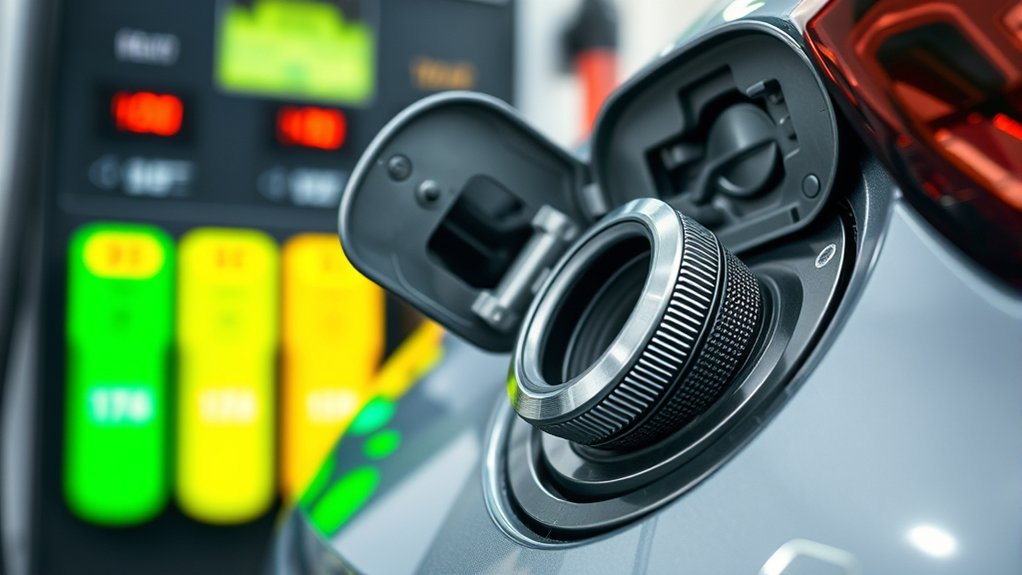
A yellow gas cap or a yellow ring on the fuel filler cap usually indicates flex fuel capability.
You can also consult your owner’s manual to make sure your model is compatible with regular gasoline.
Flex fuel vehicles are built to run on both ethanol-blended fuels like E85 and regular unleaded gas.
Sensors in FFVs detect the fuel type and automatically adjust engine performance for safe operation.
Step-by-Step: Safely Filling Up With Regular Gas
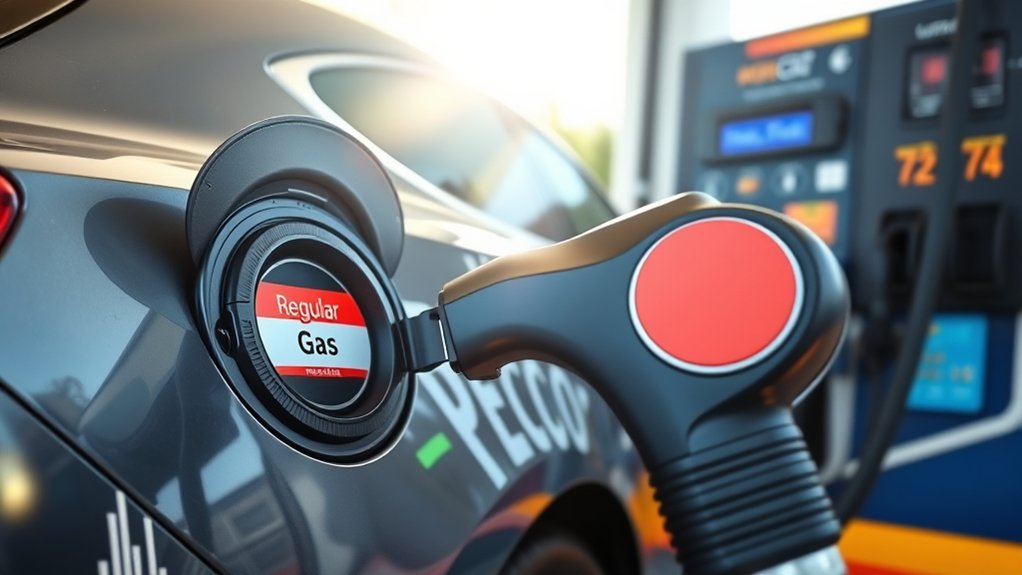
Before you start fueling, make sure the pump has regular unleaded gasoline and that your vehicle is compatible. Turn off your engine, fully insert the nozzle, and activate it until it clicks to avoid spills.
Always clean up any spills immediately and follow safety guidelines for a smooth, safe filling process.
Verify Fuel Compatibility
Wondering if your vehicle can run on regular gas? It’s important to check its compatibility before fueling up. Look for labels or badges like “Flex-Fuel” or “E85” that show your car can handle different fuel types. Always read the fuel grade labels carefully to make sure you’re getting what you need—avoid ethanol if you want pure gasoline.
Double-check that the pump dispenses the right fuel grade for your vehicle. Confirm any ethanol content specifications to avoid using incompatible fuel. It’s best not to mix different types of fuel, as that can cause engine issues.
After fueling, wipe off any spills and secure the fuel cap properly. Verifying fuel compatibility is a quick step that protects your engine and keeps it running smoothly. It’s worth taking a moment to ensure you’re using the right fuel for your car.
Proper Pump Usage
When you’re ready to fill up, make sure your vehicle is turned off to prevent any accidental sparks or fuel vapors from igniting.
At gas stations, verify that the pump dispenses regular unleaded gasoline, avoiding E85 or other blends unless you know they’re compatible with your flex fuel vehicle.
Insert the fuel nozzle fully into the tank opening and squeeze the handle steadily until the automatic shut-off clicks, indicating the tank is full.
Do not top off or try to add extra fuel after the pump stops, as this can cause spills and vapor release.
After fueling, carefully remove the nozzle, securely close the fuel cap, and wipe away any spills immediately.
Following these steps ensures safe and efficient refueling at gas stations.
Safe Fueling Practices
To guarantee safety during fueling, always verify that the pump dispenses regular unleaded gasoline by inspecting the label carefully. This helps prevent accidental contamination and ensures you’re using the right fuel for your flex fuel car.
Before starting, turn off your engine to reduce fire risks. Insert the fuel nozzle fully into the fuel filler and stop fueling once the nozzle clicks off. This helps prevent spills and vapor release.
If any fuel spills occur, clean them immediately with rags or absorbent materials and dispose of them properly. Always choose reputable gas stations that provide high-quality fuel with effective detergents to protect your engine.
- Verify pump labels before fueling
- Turn off your engine completely
- Insert nozzle fully into the fuel filler
- Stop fueling at the first click
- Clean spills promptly
How Using Regular Gas Affects Your Vehicle’s Performance
Using regular gasoline in a flex fuel vehicle can cause slight changes in performance, mainly because it has less ethanol. You might notice a small dip in fuel economy since ethanol often helps boost efficiency.
The engine’s sensors and ECU automatically adjust fuel injection and timing to keep your vehicle safe. So, even with regular gas, your car remains reliable and protected.
Regular gas usually has a higher octane rating, which can sometimes improve performance a bit. But it might also reduce some environmental benefits.
If you regularly use regular gas instead of ethanol blends, it could gradually affect sensor calibration and engine efficiency if you’re not paying attention. Expect minor changes like slightly less torque or power, but overall, your vehicle should still run smoothly and stay protected.
Will Regular Gas Impact Your Vehicle’s Environment and Warranty?
Using regular gas in your flex-fuel vehicle generally won’t void your warranty if you follow the manufacturer’s guidelines.
However, it can lead to higher emissions and a bigger environmental footprint compared to ethanol blends like E85.
Staying informed about fuel quality and your vehicle’s compatibility helps protect both your environment and warranty.
Environmental Impact Considerations
Ever wonder if filling up with regular gasoline instead of ethanol-blended fuels will harm your vehicle’s environment or void your warranty? Using regular gas can lead to higher greenhouse gas emissions since ethanol blends burn cleaner and reduce pollutants. Ethanol-blended fuels like E85 are more environmentally friendly because they come from renewable resources such as corn, unlike fossil-based regular gasoline.
However, frequent use of regular gas may cause increased engine wear if your fuel systems aren’t maintained properly, possibly affecting warranty coverage. Additionally, incompatible fuels or improper fueling can damage engine sensors and emission control systems, risking warranty voids.
- Ethanol blends support lower emissions and sustainability.
- Regular gas increases environmental footprint.
- Proper maintenance is essential for engine longevity.
- Using correct fuel preserves warranty protections.
- Fuel choices impact vehicle’s environmental and warranty status.
Warranty Protection Factors
While occasional use of regular gasoline in a flex fuel vehicle usually won’t void your warranty, it’s essential to follow your manufacturer’s guidelines. Using regular gas that meets the recommended specifications generally won’t cause warranty issues, but incompatible fuels can lead to denied claims for engine or fuel system damages.
Some warranties specify the type of fuel needed to keep coverage, so always check your owner’s manual. Frequent use of non-ethanol fuel may cause sensors to malfunction or degrade, which could affect warranty coverage for related components.
Regular gas produces higher emissions than ethanol blends, which might impact environmental standards and your vehicle’s compliance. Proper fueling practices, including following manufacturer instructions, can help protect your warranty and reduce environmental impact.
Fuel Quality and Compatibility
Choosing the right fuel quality is essential because it directly affects your vehicle’s performance, environmental impact, and warranty coverage. Using regular gasoline in a flex fuel vehicle is generally safe if the fuel is compatible with your car’s design and used as recommended.
High-quality, reputable gasoline brands contain detergents that help keep your engine clean and running smoothly. Keep in mind, regular gas produces slightly more emissions than ethanol-blended fuels, which can impact your vehicle’s environmental footprint.
Consistent use of lower ethanol blends might affect sensor accuracy and engine performance over time. However, occasional use of regular gas is unlikely to cause long-term damage.
Ensuring you choose good quality fuel and check compatibility helps your vehicle run efficiently. It also protects the environment and keeps your warranty intact.
Use fuel from reputable brands for better detergents and engine cleanliness. Compatibility with ethanol blends affects sensor accuracy and performance.
Regular gas produces more emissions, influencing your vehicle’s environmental impact. Consistent use of lower ethanol blends may affect long-term engine health.
Occasional regular gas use is safe if your vehicle is designed for flex fuel.
What Are the Signs You Should Watch For When Using Regular Gas?
When using regular gas in a flex fuel vehicle, it’s important to stay alert for signs that your engine isn’t running smoothly.
Listen for knocking or pinging sounds during acceleration, which can mean the engine isn’t tuned for regular gasoline.
Watch for a decrease in fuel efficiency compared to previous runs, as regular gas often gives slightly lower mileage.
Pay attention to warning lights on the dashboard, like the check engine light, which may turn on if sensors detect improper fuel use.
Also, notice any unusual vibrations or a rough idle, as these can indicate the engine is struggling with the fuel mixture.
Increased engine temperature or overheating can also happen due to inconsistent fuel quality.
Here’s what to watch for:
| Signs to Watch For | What It Means |
|---|---|
| Knocking or pinging | Engine isn’t tuned for regular gas |
| Check engine light | Sensors detect improper fuel use |
| Rough idle or vibrations | Engine struggling with fuel mixture |
Troubleshooting Common Flex-Fuel Vehicle Issues
If you notice any signs of engine trouble after switching to regular gas, it’s important to identify and address the underlying issues quickly. Symptoms like rough idling, decreased acceleration, or warning lights can point to problems with your fuel injection system or sensor malfunctions.
Engine knocking can happen if the octane rating of the regular gas is too low, which leads to inefficient combustion. To troubleshoot, start by checking that your fuel cap and pump labels match your vehicle’s requirements.
Make sure the fuel type is correct, and inspect for any clogs or leaks in the fuel injection system. Keep an eye out for engine knocking or pinging, as these are signs of issues.
Regular maintenance, like cleaning the fuel system and checking sensors, can prevent problems and keep your engine running smoothly. Also, ensure that the octane rating you use matches what your engine needs.
When and Why Should You Switch Back to E85 or Flex Fuel?
Switching back to E85 or flex fuel makes sense when these options are easy to find and save you money compared to regular gasoline.
Switch to E85 or flex fuel when it’s readily available and more cost-effective than regular gasoline.
You should consider going back to flex fuel during warmer months when ethanol blends perform better in cold-start conditions. If you mostly drive in areas with high ethanol availability, using E85 helps your engine run smoothly and efficiently.
Pay attention to how your vehicle performs—if you notice reduced engine efficiency, knocking, or warning lights while using regular gas, it’s probably time to switch back to flex fuel.
Returning to E85 can also help reduce your environmental impact since ethanol-blended fuels produce fewer greenhouse gases. Making these switches strategically helps maximize performance, savings, and environmental benefits.
Tips for Maintaining Your Flex-Fuel Vehicle on Regular Gas
Regular gasoline can be safely used in your flex-fuel vehicle without causing damage, as these cars are designed to handle various ethanol blends and pure gasoline. To keep your vehicle running smoothly when using regular gas, here are some tips to keep in mind.
Always check that the fuel pump dispenses unleaded regular gas and look for proper labeling near the fuel door. It’s a good idea to verify this so you’re sure you’re using the right fuel.
Use regular gas occasionally if your vehicle mostly runs on higher ethanol blends, but try not to do it too often. Frequent use of regular gas might lead to potential engine issues over time.
Keep an eye on your engine for any unusual signs like knocking or misfires. These could be signs that your vehicle needs some maintenance.
Follow the manufacturer’s recommendations, including what’s in your owner’s manual, to make sure you’re fueling your vehicle correctly.
Frequently Asked Questions
What Happens if I Put Regular Gas in a Flex Fuel Vehicle?
If you put regular gas in a flex fuel vehicle, it won’t cause any damage or harm. Your engine control unit detects the fuel type and adjusts the mixture automatically.
You might notice a slight drop in fuel efficiency since regular gas has less ethanol and energy. However, your vehicle’s performance stays smooth, and you don’t need to make any modifications. It’s designed to handle both fuel types seamlessly.
Can I Run 87 Octane in a Flex Fuel Vehicle?
Yes, you can run 87 octane in your flex fuel vehicle. Most flex fuel cars are designed to handle this octane level safely, and their engine control systems automatically adjust to different fuel types.
While using 87 might cause slight knocking or reduce performance if the engine is optimized for higher octane, it won’t damage your vehicle. Just check your owner’s manual to confirm that 87 octane is recommended.
Can I Go Back and Forth Between E85 and Regular Gas?
Yes, you can switch back and forth between E85 and regular gas without harming your vehicle. Flex fuel vehicles are made for this kind of flexibility, and their sensors automatically adjust engine settings.
While switching often might slightly reduce your fuel economy, it won’t damage your engine. Just double-check your owner’s manual or labels to confirm the best fuel type for your vehicle, so you can keep everything running smoothly.
What Happens if I Put 93 Instead of E85?
If you put 93 octane regular gasoline instead of E85, your vehicle’s engine will run smoothly because it’s designed for both fuels. The ECU detects the fuel type and adjusts accordingly.
You might notice slightly lower fuel efficiency since ethanol has more energy. Plus, you’ll likely spend more per mile, and environmental benefits decrease when using regular gasoline instead of ethanol-blended fuel.
Conclusion
Switching between regular gas and flex-fuel options is simple once you get the hang of it. Just remember, it’s a balancing act—your vehicle can handle both, but staying attentive ensures the best performance.
Keep an eye on how your car responds. Don’t hesitate to switch back to E85 when needed. After all, it’s better to be safe than sorry.
Staying vigilant helps your flex-fuel car run smoothly, whether you’re using regular gas or E85.