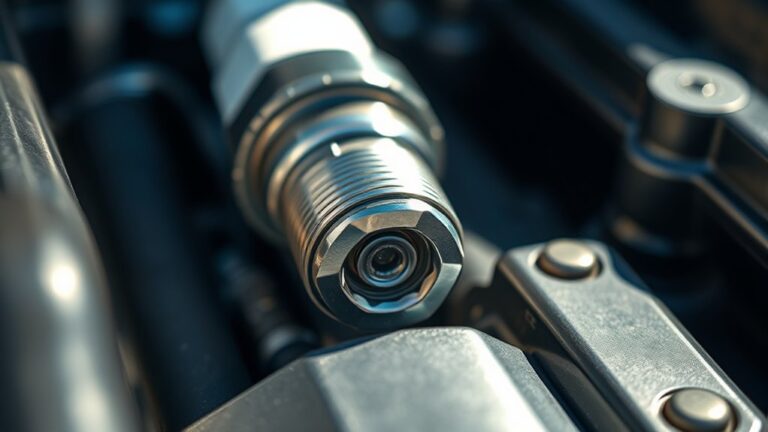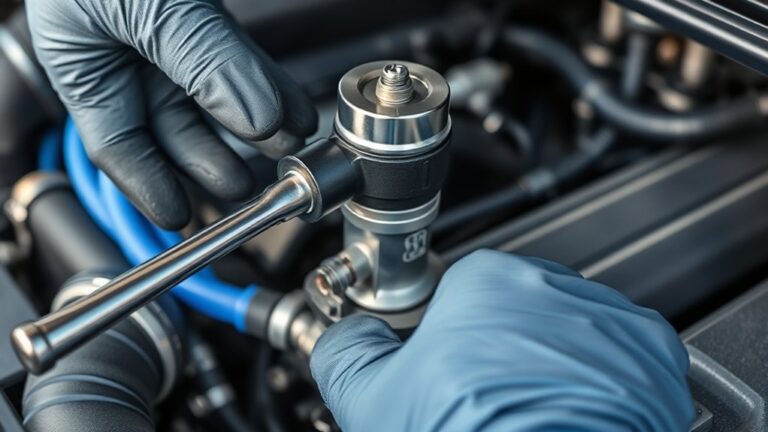
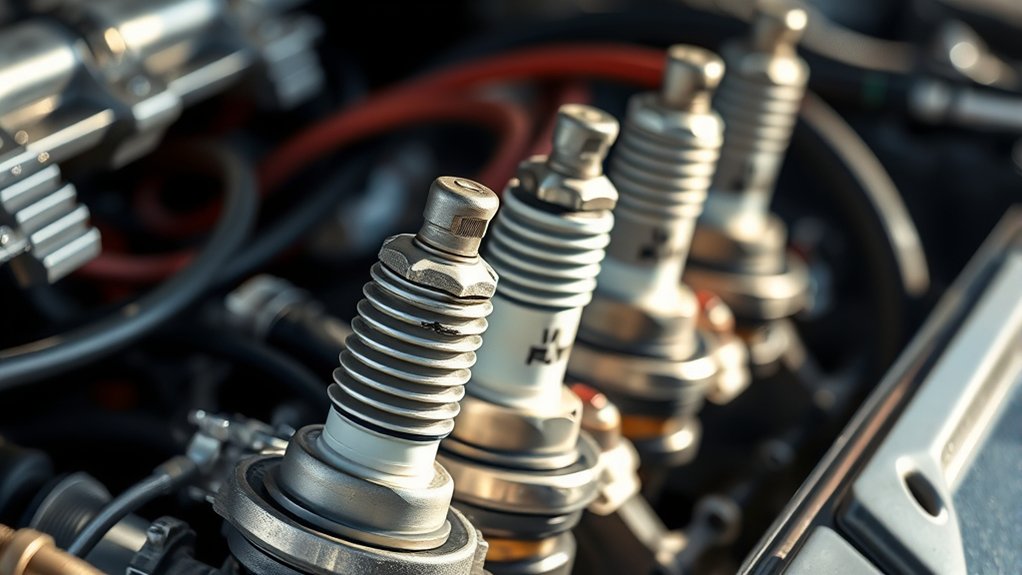
What Do Bad Spark Plugs Sound Like in an Engine?
Are you tired of mystery noises coming from your engine and wondering what they mean? Many drivers struggle with strange sounds that can indicate bigger issues. Bad spark plugs are a common culprit, and recognizing their signs can save you a lot of trouble.
Bad spark plugs often produce distinctive engine noises like tapping, clicking, or knocking sounds that change with engine speed. You might notice rough idling, misfires, or backfiring during acceleration. These noises indicate incomplete combustion or misfiring, which can harm your engine and reduce performance.
If you want to identify these sounds and understand their impact, there’s more to know about diagnosing and fixing the issue effectively.
Key Takeaways
- Bad spark plugs often make tapping or clicking sounds when you’re accelerating or just idling.
- You might also notice faint knocking or popping noises, which come from incomplete combustion happening in the engine.
- When your engine is running rough or feels jittery and uneven, it could be a sign of spark plug trouble.
- If you hear sudden backfires or loud popping sounds during acceleration, that’s often caused by misfiring from faulty plugs.
- Sometimes, you’ll notice a rhythmic metallic noise that lines up with the engine RPM — that’s a common sign of spark plug issues.
How Do Spark Plugs Affect Your Engine’s Sound and Performance?
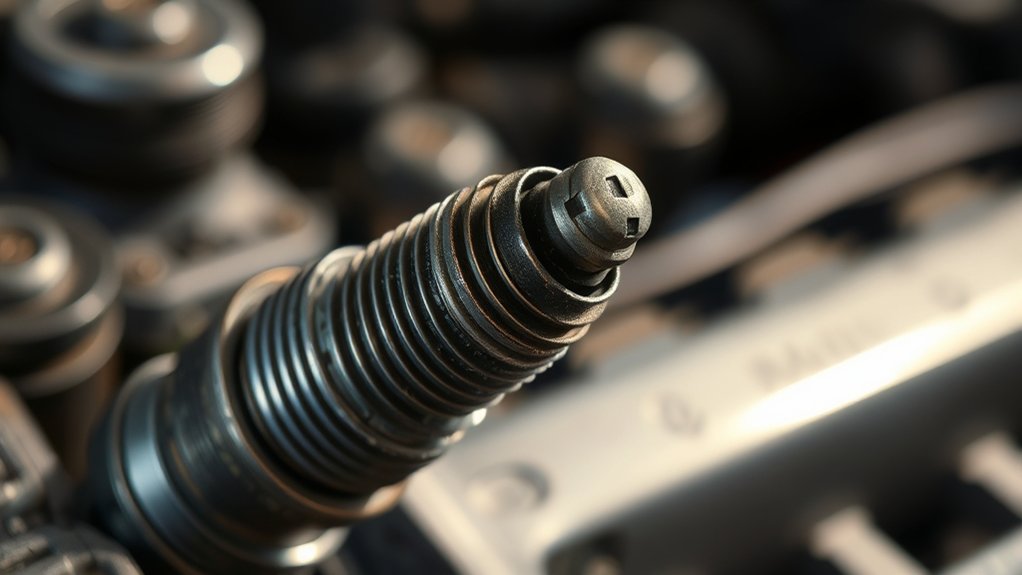
Spark plugs play a crucial role in igniting the fuel-air mixture in your engine, and when they start to fail, you’ll notice changes in both sound and performance.
Faulty spark plugs can cause irregular engine sounds like tapping, clicking, or misfiring noises, especially during acceleration or idling. You might also experience a rough idle, with the engine sounding uneven or jittery, which indicates misfires.
Faulty spark plugs cause tapping, clicking, or misfiring sounds, especially during acceleration or idle.
As spark plugs deteriorate, they can produce faint knocking or popping sounds caused by incomplete combustion. Worn or fouled spark plugs disrupt spark timing, leading to subtle rattles or hissing noises.
These issues often result in engine hesitation or stalling. The unusual sounds are a sign that your spark plugs need attention to keep your engine running smoothly.
What Are the Most Common Noises Caused by Bad Spark Plugs?
When spark plugs start to fail, they often make distinctive noises that signal trouble under the hood. You might hear tapping or clicking sounds, especially during acceleration or at idle, which suggests the spark plugs aren’t firing properly.
Engine misfires can also cause faint knocking noises, revealing incomplete combustion. Rough idling with uneven or jittery sounds is another sign your spark plugs are worn or fouled.
Additionally, sudden popping or backfiring during acceleration can point to spark plug issues. Changes in the engine’s normal hum, like irregular or sharper sounds, also indicate problems.
Recognizing these common noises can help you spot failing spark plugs early, preventing further engine damage and keeping your vehicle running smoothly.
How Can You Tell if Tapping or Clicking Is From Spark Plugs?
If you notice a consistent tapping or clicking sound coming from your engine, it could be a sign that your spark plugs are causing the issue. Spark plug noise often sounds like a sharp, metallic tap that matches the engine’s speed, especially during acceleration or idling.
These engine sounds are usually more rhythmic and steady than a normal hum or exhaust noise. If the tapping or clicking gets louder with engine load, it might mean your spark plugs are misfiring due to wear or damage.
Listen carefully for irregular, repetitive tapping that lines up with engine RPM. Unlike other engine noises, spark plug sounds tend to be sharper and more metallic, suggesting misfires or incomplete combustion.
Getting a proper diagnosis can help you figure out if your spark plugs need replacing or if something else is causing the noise.
Are Popping and Backfiring Signs of Spark Plug Problems?
Popping and backfiring noises often mean your engine isn’t burning fuel properly. Worn or fouled spark plugs are usually the main culprits. These sounds usually happen as sharp bursts or loud bangs during acceleration or deceleration.
Backfires happen when unburned fuel ignites in the exhaust system because of faulty spark timing. Misfires caused by worn spark plugs can produce similar popping noises. If you hear these sounds, it’s a good idea to check your spark plugs before more serious damage occurs.
Popping sounds during acceleration suggest incomplete combustion. Backfiring indicates unburned fuel igniting in the exhaust. Misfires often cause loud popping and rough engine performance.
Why Do Spark Plug Woes Cause Engine Hesitation and Rough Idle?
Spark plug issues often lead to engine hesitation and a rough idle because they fail to deliver a consistent spark needed for proper combustion. Fouled spark plugs, with deposits on their electrodes, weaken the spark and cause irregular firing.
This inconsistency disrupts smooth engine operation, especially at idle, leading to a rough idle. When spark timing is disturbed by deposits or wear, the engine may stumble or hesitate during acceleration and when at rest.
Faulty spark plugs can also cause misfires, creating vibrations and rough engine sounds that are noticeable when idling. These problems make it hard for the engine to run smoothly and steadily, often causing stalling and unpredictable hesitation.
That’s why maintaining clean, properly functioning spark plugs is so important for smooth engine performance.
How Can You Differentiate Spark Plug Noise From Exhaust or Wheel Bearings?
To tell spark plug noise apart from exhaust or wheel bearing sounds, pay attention to the pattern and location of the noise.
Spark plug issues often produce rhythmic tapping or clicking that varies with engine RPM, while exhaust leaks create high-pitched hisses. Wheel bearings cause steady grinding that worsens with speed.
Noticing when the sound occurs and any accompanying symptoms can help you identify the source more accurately.
Sound Pattern Differences
Differentiating spark plug noise from exhaust leaks or wheel bearing sounds can be straightforward if you pay close attention to the pattern and timing of the noise. Spark plug issues usually produce rhythmic, consistent tapping, clicking, or faint knocking sounds linked with engine operation. In contrast, exhaust leaks create sharper hissing or popping noises during acceleration or deceleration.
Wheel bearing sounds tend to be a humming, grinding, or growling noise that increases with vehicle speed, not engine RPM. To tell them apart, remember that spark plug noises are rhythmic and tied to engine cycles. Exhaust leaks produce sharp hisses during throttle changes.
Wheel bearing sounds tend to get louder as speed increases. Understanding these sound patterns helps you identify misfires and engine trouble more accurately.
Location of Noise
Locating the source of engine noises can be tricky, but paying attention to where the sound comes from helps tell the difference between spark plug issues, exhaust leaks, and wheel bearing problems.
A spark plug sound usually comes from the engine bay and feels like a faint tapping or clicking during acceleration or idling. This misfire noise is localized and doesn’t change much with vehicle speed.
Exhaust leaks create a high-pitched hissing or sizzling sound that varies with engine load. You’ll often hear this more around the exhaust system.
Wheel bearing problems produce a low rumbling or grinding noise that gets worse as you speed up and is felt more through the wheels.
Associated Symptoms
Understanding the symptoms associated with engine noises can help you figure out whether a misfire from a bad spark plug is the cause or if you’re dealing with an exhaust leak or wheel bearing issue.
If you notice rough idling or engine misfires, these are often linked to bad spark plugs and produce irregular clicking or tapping sounds.
In contrast, exhaust leaks tend to cause a hissing or booming noise that changes with engine temperature and load.
Wheel bearings create a steady humming or grinding noise that gets worse with speed and can cause vibrations felt in the steering wheel or chassis.
To tell them apart:
Intermittent misfire sounds point to spark plug issues.
A steady drone usually indicates exhaust problems.
Consistent grinding or humming suggests wheel bearing trouble.
When Do Spark Plug Issues Lead to Engine Stalling or Poor Acceleration?
Spark plug issues often lead to engine stalling or poor acceleration when the spark fails to ignite the air-fuel mixture properly. Worn or fouled spark plugs cause incomplete combustion, which can make your engine idle roughly, misfire, or feel sluggish.
If the ignition timing gets disrupted because of faulty spark plugs, your engine might stall, especially when you’re accelerating or under load. Incorrect spark plug gaps—either too wide or too narrow—can also mess with spark delivery, leading to rough starts and hesitation.
Persistent stalling and reduced acceleration are clear signs that your spark plugs are degraded or fouled. When this happens, it’s usually a good idea to get them inspected and replaced quickly to keep your engine running smoothly and avoid further damage.
What Tools and Techniques Help Diagnose Spark Plug Noises?
To diagnose spark plug noises effectively, you can use tools like a mechanic’s stethoscope or a rubber hose to isolate the sound from the engine. These tools help pinpoint whether the noise is coming from the spark plugs or other engine parts.
Conducting a visual inspection of your spark plugs is also essential. Look for fouling, cracks, or electrode wear that could cause irregular noises. A quick check can often reveal the problem.
You might also use a frequency analyzer or noise recording device to tell spark plug sounds apart from other engine noises. This tech can show specific patterns linked to bad spark plugs.
Remember to listen carefully during engine startup and idle. Unusual tapping, clicking, or knocking sounds can give you clues about spark plug issues.
How Can Replacing Spark Plugs Improve Engine Smoothness?
Replacing worn spark plugs can restore proper ignition, making your engine run more smoothly and reducing misfires.
With new plugs, combustion becomes more efficient, which quiets the engine and lessens roughness at idle.
This simple fix also helps minimize vibrations and improves overall engine response.
Enhanced Combustion Efficiency
Have you noticed your engine running rough or hesitating during acceleration? Worn spark plugs can cause misfires and rough engine sounds, which reduce combustion efficiency. Replacing them helps restore proper spark timing so each cylinder fires at the right moment.
This leads to more complete combustion and better fuel atomization, making your engine run smoother. As a result, you’ll experience fewer misfires and engine hesitation, quieter and steadier engine sounds, and consistent power during acceleration.
Fresh spark plugs also help maintain an ideal air-fuel mixture and prevent deposit buildup that can hurt performance. When combustion is efficient, your engine runs better, improves fuel economy, and puts less stress on other parts.
Smoother Engine Response
When spark plugs are faulty or worn out, they can cause your engine to run unevenly, leading to rough engine response, misfires, and vibrations. Replacing them restores proper ignition timing and ensures consistent sparking, which helps reduce misfires and vibrations.
Fresh spark plugs improve combustion efficiency, making your engine run more smoothly and respond more quickly during acceleration. Properly gapped and clean plugs help eliminate hesitation and rough running, giving you a more responsive feel.
Regular replacement keeps your engine performing at its best and prevents the roughness often caused by worn plugs. Overall, changing spark plugs boosts ride comfort by promoting smoother engine operation and reducing ignition-related unevenness.
Reduced Engine Vibrations
Ever wonder how fresh spark plugs can make your engine run smoother? Replacing worn spark plugs can significantly reduce engine vibrations by ensuring consistent combustion in each cylinder.
When your spark plugs are new, they provide a more stable spark, leading to less rough engine sounds and a smoother idle. Properly functioning spark plugs help balance the engine firing process, which decreases uneven power delivery that causes vibrations.
Plus, new spark plugs can eliminate misfires, which often cause engine shaking and discomfort while driving. Regular replacement keeps the engine timing on point, resulting in a quieter, more comfortable ride.
In short, fresh spark plugs:
- Reduce engine vibrations and rough sounds
- Minimize misfires for smoother operation
- Improve overall ride comfort and engine stability
Signs You Need a Mechanic to Check Your Spark Plugs?
If your vehicle struggles with starting, runs roughly, or exhibits unusual vibrations, it’s a strong sign that your spark plugs might need checking.
A rough idle, engine misfires, or sounding rough during acceleration are common indicators that your spark plugs could be fouled or worn out.
You might also notice sluggish acceleration or reduced fuel economy, which point to the same issue.
Unusual noises like knocking or hesitation are additional clues that your spark plugs aren’t firing properly.
Unusual noises such as knocking or hesitation may indicate improperly firing spark plugs.
Keep in mind, a check engine light isn’t always on with these problems, so don’t rely solely on dashboard alerts.
If you experience any of these signs, it’s time to have a mechanic inspect your spark plugs to prevent further damage.
Frequently Asked Questions
What Noises Do Bad Spark Plugs Make?
You’ll notice bad spark plugs making tapping or clicking sounds, especially when you accelerate or idle. You might also hear a faint knocking if your engine misfires.
A rough idle with uneven noises signals worn plugs, and popping or backfiring sounds during acceleration point to improper combustion. Sometimes, you’ll hear a subtle humming or rattling, indicating that your spark plugs aren’t firing correctly, which affects your engine’s smoothness.
How Long Do Spark Plugs Last in a Subaru Crosstrek?
Your Subaru Crosstrek’s spark plugs usually last between 30,000 and 60,000 miles. Think of them as the heartbeat of your engine, needing regular checkups to keep it running smoothly.
Heavy city driving, cold weather, or short trips can shorten their lifespan. To keep your engine humming, inspect and replace your spark plugs around every 30,000 miles, especially if you notice performance dips or fuel efficiency drops.
What Are Four Signs a Spark Plug Should Be Replaced?
You should replace your spark plugs when you notice engine misfires, rough idling, or hesitation during acceleration.
Reduced fuel efficiency and increased emissions are clear signs, along with difficulty starting or frequent hard starts.
Also, check for visible deposits, wear, or damaged electrodes on the plugs.
If your engine’s response feels sluggish or power declines, it’s time to get new spark plugs to keep your vehicle running smoothly.
What Does Spark Blowout Sound Like?
When a spark blowout happens, you’ll hear a loud popping or banging sound as the spark jumps outside the combustion chamber. It’s kind of like a quick explosion in your engine.
It might cause a sudden backfire, with a sharp explosion coming from the exhaust or intake system. This often happens during acceleration or when the engine is under high load.
You could also notice a repetitive clicking or popping noise from misfires, and your engine will run rougher. The sounds and performance issues become more noticeable.
Conclusion
If you notice odd noises, rough idling, or engine hesitation, don’t ignore the signs. These could be signals of bad spark plugs. Listening for strange sounds can help you catch the problem early.
You might also experience engine misfires or a drop in power. Worn spark plugs often cause these issues, so it’s important to check them regularly. Replacing faulty plugs keeps your engine running smoothly.
Stay attentive and proactive about maintenance. Regular checks and timely replacements prevent small problems from turning into costly repairs.
Remember, bad spark plugs can make your engine sound rough or sputtery. Addressing these sounds quickly helps maintain a quiet, responsive, and reliable engine.