What Size Socket Fits Spark Plugs?
Getting the right socket size for spark plugs can be confusing, especially if you’re new to car maintenance. Many people struggle with figuring out which tools fit properly and worry about damaging their engine. You’re not alone—this is a common hurdle for DIY enthusiasts and car owners alike.
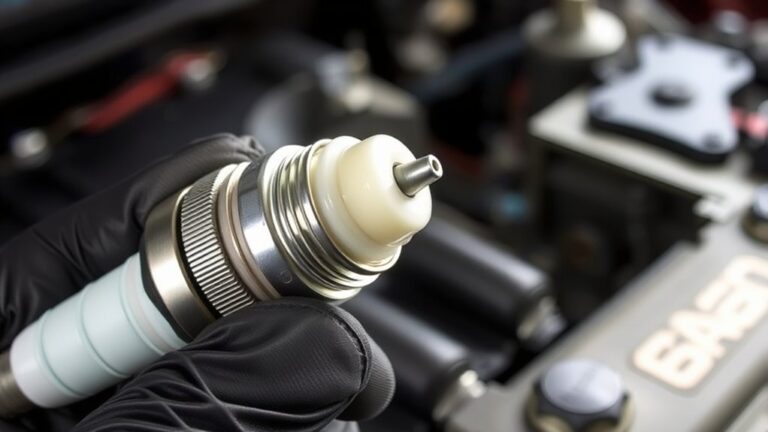
Most spark plugs fit a 5/8 inch (16mm) socket, which is the most common size for many vehicles. However, some models have larger or specialized plugs requiring a 13/16 inch socket or other sizes.
To guarantee a proper fit and prevent damage, it’s important to verify your spark plug’s hex size before grabbing tools.
If you want more tips on how to measure and handle tricky access, keep exploring.
Key Takeaways
- Most standard spark plugs need a 5/8 inch (16mm) socket for removal and installation.
- If you’re working with larger or specialized spark plugs, you might need a 13/16 inch socket or other sizes.
- It’s always a good idea to measure the spark plug hex with calipers to confirm the right socket size.
- For recessed or hard-to-reach spark plugs, use deep or thin-wall sockets.
- Making sure the socket size matches properly helps prevent damage and keeps a secure grip during the job.
What Size Socket Do I Need for Spark Plugs?

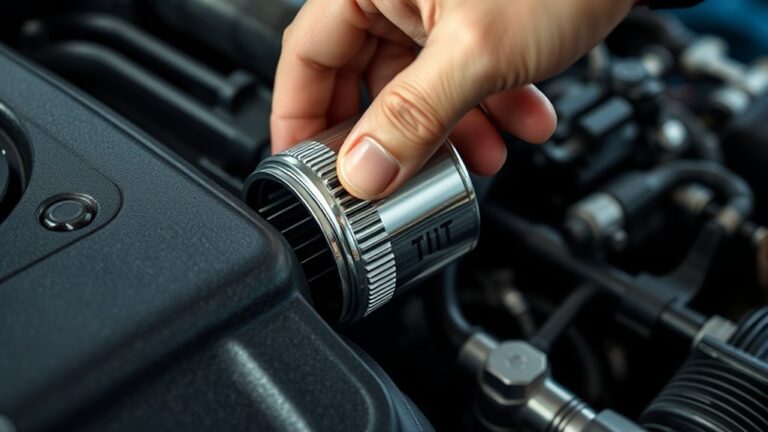
When replacing spark plugs, choosing the right socket size is key to avoiding damage to the plug or engine. The most common size is 5/8 inch (16mm), which fits most standard plugs.
However, some engines need a 13/16 inch socket, so be sure to check your specific spark plug’s size before you start. Your plug socket should match the hex size of your spark plug, which can range from 8mm to over 1 inch.
Using a socket with features like a rubber insert or magnetic tip helps prevent damage and keeps it securely in place. Always measure or check your spark plug’s hex size beforehand to pick the correct socket.
This way, you’ll have a smooth and safe replacement process.
How Does Socket Size Affect Spark Plug Replacement?
Using the correct socket size directly impacts the success of your spark plug replacement. If the socket doesn’t match the plug’s hex size, you risk stripping the plug or damaging the cylinder head.
Using the right socket size ensures a secure grip and prevents damage during spark plug replacement.
A proper fit guarantees you can remove and install the plug efficiently, especially in tight engine spaces. When the socket is mismatched, it can slip and make removal difficult, increasing the chance of cross-threading.
Consider these points:
- Precise socket size provides a secure grip, avoiding damage.
- Proper fit simplifies installation, saving time and effort.
- Correct socket size ensures proper torque, maintaining plug and engine integrity.
Choosing the right socket size isn’t just about convenience; it’s essential for a smooth, safe spark plug replacement process.
What Are the Common Spark Plug Socket Sizes for Cars Like the Honda Odyssey?
For vehicles like the Honda Odyssey, the most common spark plug socket sizes are 5/8 inch (16mm) and 13/16 inch. The exact size can vary depending on the engine model.
The 5/8 inch socket is typically used for most standard spark plugs, providing a snug fit that helps prevent damage. Some models, especially those with larger or specialized plugs, may require a 13/16 inch socket.
Spark plug socket sizes can range from as small as 8mm to over 1 inch for larger plugs. Using the correct size is essential to avoid damaging the spark plug or the socket.
Always verify the specific hex size of your spark plugs before purchasing or using a socket. This guarantees a proper fit and secure installation.
How to Measure Your Spark Plug’s Hex Size Accurately
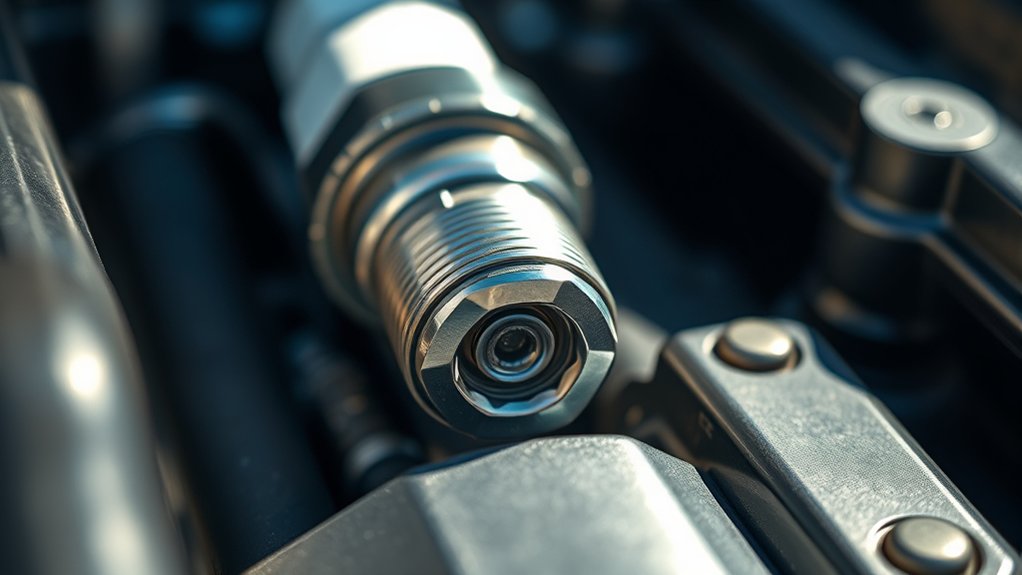
To measure your spark plug’s hex size accurately, grab a caliper or a ruler and measure straight across the flat sides of the hexagon.
Make sure the spark plug is clean and free of debris so you get an exact reading.
Check your measurement in millimeters or inches, and compare it with the manufacturer’s specs if you have them.
Use a Caliper or Ruler
Before measuring your spark plug’s hex size, remove the plug and clean any dirt or debris from the hex area. This helps ensure an accurate measurement and prevents dirt from throwing off your reading.
Use a caliper or ruler to measure across the flat sides of the hexagon. Make sure to take the widest distance to get the correct size.
When using a caliper, place the jaws firmly against two opposite flat sides and read the size directly. If you’re using a ruler, line it up carefully with the flat sides to avoid distortion.
Double-check your measurement by comparing it with the specifications on the spark plug or vehicle manual. This confirms you’re using the right size.
- Precise measurement helps avoid fitting issues and ensures you pick the right socket.
- Clear readings save you trips to the store or confusion with your tools.
- Verifying measurements reduces the risk of damaging the spark plug or socket.
Measure Flat to Flat
Accurately measuring your spark plug’s hex size means measuring straight across the flat sides of the hexagon, not corner to corner. Use a caliper or a ruler for a precise measurement.
Make sure the spark plug is clean and free of debris to avoid inaccuracies. Place the caliper jaws or ruler tips directly across the flat sides of the hexagon, avoiding the corners.
Measure in both metric (millimeters) and imperial (inches) units to verify compatibility with your tools. To double-check, take readings from multiple angles and confirm they’re consistent.
This step helps prevent errors when choosing the right socket size, ensuring a snug fit for easy removal or installation of your spark plug.
What Socket Size Do I Need for Hard-to-Reach Rear Spark Plugs?
Finding the right socket size for hard-to-reach rear spark plugs can be tricky, especially with limited space caused by engine components. To access these plugs, you’ll typically need a 5/8 inch (16mm) or 13/16 inch socket, depending on the plug’s hex size.
Using a deep or extended socket, usually 3 to 6 inches long, helps reach obstructed plugs. A magnetic socket is also a good idea to securely grip stubborn or recessed plugs.
You’ll often need multiple extensions; combining 3-inch and 6-inch extensions gives you better reach in tight spaces. Make sure to confirm the specific hex size of your spark plug before buying a socket.
Which Tools and Extensions Make Spark Plug Replacement Easier?
Using the right tools and extensions can make replacing spark plugs much easier, especially in tight engine bays. A 5/8 inch (16mm) magnetic spark plug socket is usually the best choice because it holds the plug securely and prevents drops.
To reach recessed or tricky spots, pair this socket with a 3-inch or 6-inch extension. One-piece extension bars tend to work better than flexible or multi-piece ones because they give you more stability and control.
It’s also a good idea to remove the spark plug from the cylinder head before attaching extensions. This can help prevent damage and make getting to the plug easier.
Choosing the correct socket size and extension length based on your engine’s layout helps avoid stripping threads or damaging the plugs. This makes the whole replacement process safer and more efficient.
Should I Use a Magnetic or Rubber-Insert Spark Plug Socket?
Choosing between a magnetic and rubber-insert spark plug socket really depends on what you need during the replacement. Magnetic sockets hold the spark plug securely, making it easier to retrieve, especially in tight spots.
Rubber-insert sockets grip the ceramic insulator gently, which helps prevent damage. So, if you’re worried about scratching or damaging delicate parts, this might be the better choice.
Think about what’s more important for your job: quick and easy removal or gentle handling. If speed and accessibility matter most, go for a magnetic socket. But if you’re dealing with sensitive plugs or want to be extra careful, a rubber-insert socket is the way to go.
Troubleshooting: What to Do If Your Socket Doesn’t Fit?
When your spark plug socket doesn’t fit, the first thing to do is double-check that you’ve picked the right size. Measure the spark plug’s hex with a caliper or measuring tool to confirm its exact size, since it can range from 8mm to over 16mm.
If the size looks correct but the socket still doesn’t fit, make sure you’re using the right type. For example, a deep or thin-wall socket might be needed, especially in tight spaces.
Next, inspect both the socket and the spark plug for debris, corrosion, or dirt that could be preventing a proper fit. Cleaning these parts might solve the problem.
If needed, try a socket with a slightly smaller or more precise hex size, or use a universal spark plug socket designed to handle multiple sizes. Proper measurement and using the right socket type are key to fixing fit issues.
Expert Tips for Choosing the Right Spark Plug Socket Size and Tools
To choose the right spark plug socket, start by checking the hex size of your plugs first.
Using the correct size, along with extensions and swivel adapters, can really help when you’re trying to access tight spaces.
Think about magnetic and deep sockets too—they help prevent damage and ensure a secure grip during removal or installation.
Selecting Correct Hex Size
Ensuring you have the right hex size for your spark plugs is key to a smooth, damage-free removal. Using the correct socket size helps prevent stripping the hex and makes the job easier.
First, verify the spark plug’s hex size before buying or using tools. Sizes can range from 8mm to over 1 inch for larger plugs.
Next, match the socket precisely to the hex size. The most common size is 5/8 inch (16mm), but smaller or larger plugs need appropriately sized sockets or extensions.
If the plug’s hex size is bigger than standard sockets, use specialized tools. This ensures a proper fit and reduces the risk of damaging the plug or nearby parts.
Essential Socket and Extensions
Choosing the right socket and extensions is key for a smooth spark plug replacement process. The most common socket size is 5/8 inch (16mm), which fits most standard spark plugs.
For larger hex sizes like 13/16 inch, you’ll need a matching socket to avoid damaging the plug or threads. A magnetic spark plug socket is highly recommended because it secures the plug during removal and installation, reducing drops and cross-threading risks.
Extension bars, typically 3-inch or 6-inch, are often needed to reach recessed or hard-to-access spark plugs, especially in engines like the Honda Odyssey. Always check your spark plug’s hex size beforehand to pick the right socket and extensions.
This helps ensure a safe, efficient replacement process without any unnecessary hassle.
Tools for Difficult Access
When dealing with hard-to-reach spark plugs, choosing the right tools can make all the difference. Using a deep socket with flexible extensions or universal joints helps you get into tight spots more easily.
For rear spark plugs blocked by the firewall or hoses, using multiple extensions—like 3-inch and 6-inch lengths—can help you navigate around obstacles. A one-piece extension often doesn’t work well in tight spaces.
Instead, go for a swivel or ratchet with a flexible extension. These tools give you better maneuverability and make the job much easier.
Here are some key tools to keep in mind:
- Deep sockets with flexible extensions for tight access.
- Multiple extensions to bypass obstacles.
- Swivels or ratchets to improve flexibility in confined spaces.
Tips for Accessing and Replacing Rear Spark Plugs in Tight Spaces
Accessing rear spark plugs in tight engine compartments can be tricky, but with the right tools and techniques, it’s doable. Use a 5/8 inch (16mm) magnetic spark plug socket along with a swivel or extension to help reach those hard spots.
Combining multiple extensions, like 3-inch and 6-inch pieces, with a universal joint can make a big difference when reaching plugs blocked by the firewall or hoses. Removing engine parts such as intake hoses or brackets can also give you more space to maneuver.
It’s a good idea to start by replacing the front spark plugs first. This helps you get comfortable with the process before tackling the rear ones. For the rear plugs, consider using a one-piece or flexible extension designed for tight spaces, as standard multi-piece extensions might not work well.
Take your time and go slowly to avoid damaging parts or the spark plugs. Patience makes all the difference when working in confined engine compartments.
Frequently Asked Questions
What Size Socket to Take off a Spark Plug?
You should use a 5/8 inch (16mm) socket to remove most spark plugs.
But keep in mind, some vehicles need a 13/16 inch socket. It’s always a good idea to double-check your engine’s specifications first.
Make sure to use a spark plug socket with a rubber or foam insert. This helps protect the ceramic insulator.
Also, ensure the socket fits snugly over the hex to avoid stripping.
If the spark plug is hard to reach, consider using extensions or a universal joint for easier removal.
Does a 2015 GMC Acadia Have Spark Plugs?
Yes, your 2015 GMC Acadia has spark plugs. You’ll find them accessible from the top of the engine, making maintenance easier.
When removing or installing them, use a 5/8 inch (16mm) spark plug socket to ensure a proper fit and prevent damage.
Always check your owner’s manual for the specific spark plug model and torque specifications to keep your engine running smoothly.
What Spark Plugs Are Best for Lexus?
The best spark plugs for your Lexus are usually platinum or iridium types because they last longer and perform better. They’re a great choice for reliable engine operation.
You should look for plugs with a 5/8 inch (16mm) hex size, which fits most models. This makes installation easier and ensures a proper fit.
Always double-check your owner’s manual or parts catalog to confirm the correct model and specifications. This includes details like heat range and electrode design to keep your engine running smoothly and efficiently.
Are Spark Plugs 21MM?
Yes, some spark plugs are 21mm, but it’s less common. Imagine gripping a spark plug’s hex with a socket that perfectly fits, like a handshake that’s just right.
Most engines use a 16mm (5/8 inch) socket, so you should check your vehicle’s specifications first. Using the wrong size can strip or damage the plug, so always verify the exact hex size before grabbing your socket.
Conclusion
When tackling spark plug replacements, choosing the right socket size is like finding the perfect key for a lock—smooth and effortless.
With the right fit, you’ll glide past stubborn plugs and tight spaces, avoiding frustration and damage.
Picture yourself confidently working in your engine bay, tools in hand, knowing each turn brings you closer to a smoother, more reliable ride.
Trust the right socket size for spark plugs, and your car will thank you with every spark.