Can Fuel Stabilizer Go Bad and How to Tell
Are you tired of dealing with engine problems caused by stale fuel? Many people struggle with keeping their fuel fresh and effective, especially during off-season storage. Fuel stabilizer is a great solution, but you’re not alone if you’ve wondered whether it can go bad over time.
Fuel stabilizer can go bad over time, especially if not stored properly. It gradually loses its chemical properties, making it less effective at preventing fuel oxidation and buildup. Signs of degradation include darkening dye, sediment, flakes, or a rancid smell.
Proper storage in a cool, dry, airtight container can extend its shelf life. To learn how to identify and maintain your stabilizer’s effectiveness, keep exploring the details below.
Key Takeaways
- Fuel stabilizer can degrade over time, losing its effectiveness because of chemical breakdown and oxidation.
- You might notice darkening dye, sediment, flakes, or cloudiness. These are signs that the stabilizer is deteriorating.
- If it smells strong, rancid, or varnish-like, that’s another indicator that it’s gone bad.
- Proper storage in cool, dry, airtight containers can help extend its shelf life. But even then, it will eventually expire.
- It’s best to replace the stabilizer when you see signs of aging or after the recommended storage period. Usually, this is between 1 and 3 years.
What Is Fuel Stabilizer and How Does It Work?
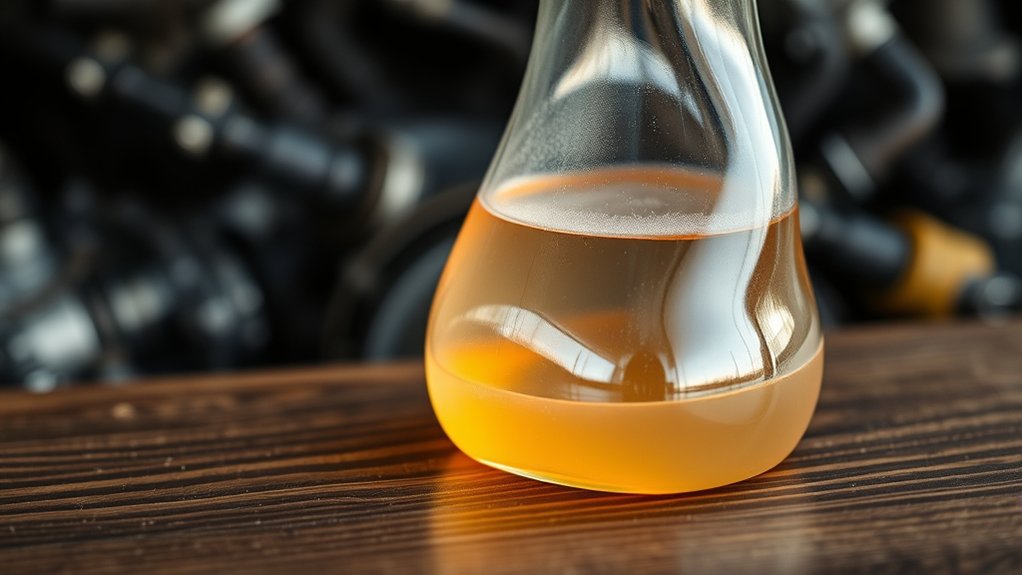
Fuel stabilizer is a chemical additive made to keep gasoline fresh when you’re storing it. It helps prevent the fuel from breaking down over time, so it stays usable longer.
Fuel stabilizer keeps stored gasoline fresh and usable for longer.
It works by forming a protective layer that reduces evaporation and stops the formation of gum and varnish. These can clog your engine if left unchecked.
The stabilizer contains sacrificial molecules that react with oxygen. This slows down chemical reactions that cause fuel to degrade, helping it stay good for longer.
To get the best results, store your fuel properly and use the stabilizer within the recommended time. Over time, the stabilizer can lose its effectiveness.
Knowing how it works helps you better preserve your fuel and keep your engine running smoothly.
Can Fuel Stabilizer Go Bad Over Time?
Fuel stabilizer can lose its effectiveness over time, especially if not stored properly, as its chemical composition breaks down gradually.
You might notice signs like darkening or sediment, which indicate it’s no longer effective. Proper storage in a cool, dark place can slow down this deterioration and extend its shelf life.
Chemical Breakdown Over Time
Over time, fuel stabilizers can lose their effectiveness because of chemical breakdown. This mainly happens through oxidation, where molecules that neutralize oxygen get used up.
Exposure to air, heat, and light speeds up this process, making the stabilizer less stable chemically. Many contain antioxidants to prevent fuel oxidation, but these can degrade over years.
As the stabilizer changes chemically, it might form sediments or flakes. This signals significant breakdown and a loss of protective ability. Proper storage in a cool, dry place can slow this, but eventually, the stabilizer will become ineffective.
Knowing these chemical changes helps you know when it’s time to replace your fuel stabilizer.
Visual Indicators of Aging
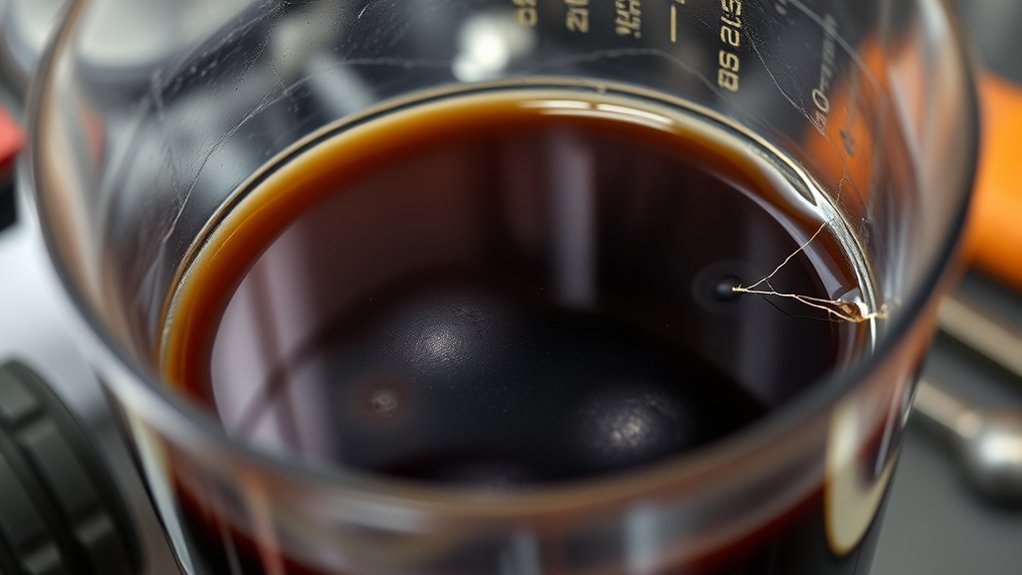
As stabilizer ages, visual changes often reveal its declining effectiveness. You might notice the dye darkening or fading, which indicates chemical changes over time.
Crystallization or flakes forming inside the bottle are clear signs that oxidation has occurred, reducing the stabilizer’s ability to protect your fuel.
A cloudy or murky appearance also signals degradation, suggesting it may no longer function properly.
Furthermore, a dull or brownish tint in the stabilizer’s color shows aging. Sediment or sediment-like particles settling at the bottom point to deterioration and possible contamination.
These visual cues are easy indicators that your fuel stabilizer has gone bad and may no longer effectively preserve your fuel, urging you to replace it for peak performance.
Storage Conditions Impact
Proper storage conditions are key to keeping fuel stabilizer effective over time. Storing it in a cool, dry place helps prevent oxidation, which can break down the chemicals faster.
Heat speeds up oxidation and can reduce how well the stabilizer works. Make sure the container is airtight to limit contact with air and oxygen, which cause it to lose effectiveness.
Avoid direct sunlight because UV rays can break down the chemicals and weaken its protective properties. Fluctuating temperatures, especially high heat, also accelerate degradation.
Even if stored properly, most stabilizers last between 2 and 5 years unopened. Good storage helps prolong their protective qualities and prevents premature deterioration.
How Long Does Fuel Stabilizer Last?
Wondering how long fuel stabilizer stays effective? If you store unopened bottles in a cool, dry place, they can last between 3 to 5 years. But once you open the bottle, the stabilizer’s effectiveness drops markedly—usually within about 2 years—even if you keep it tightly capped.
Exposure to heat, sunlight, or oxygen speeds up the degradation process, reducing its ability to protect your fuel. Over time, the chemical potency diminishes, making it less effective at preventing fuel oxidation and sludge formation.
Keep an eye out for visual clues like darkening dye, crystallization, or sediment, which indicate the stabilizer has gone bad. Proper storage and timely use are key to ensuring your fuel stabilizer remains effective when you need it.
Signs Your Fuel Stabilizer Has Degraded
If your fuel stabilizer shows changes in color or becomes cloudy with flakes, it’s a sign it’s degraded. Sediment, sludge, or crystallization inside the bottle also indicate it’s no longer effective.
A sour smell or separation in the liquid can mean chemical breakdown has occurred. These signs are clues that it’s time to replace the stabilizer to keep your fuel fresh.
Color Changes Indicate Aging
Over time, the color of your fuel stabilizer can tell you a lot about its condition. If you notice it turning darker or losing its original hue, that’s a sign the chemical makeup is changing.
These color changes usually happen because of oxidation, which makes the stabilizer less effective. Visible flakes or crystallization are also signs that it’s aged and may not protect your fuel properly.
A cloudy look or sediment in the bottle indicates chemical breakdown too. If the stabilizer’s color or clarity has noticeably changed, it’s probably no longer working well.
Replacing degraded stabilizer helps keep your fuel fresh and ensures your engine runs smoothly. Trust these visual cues to know when it’s time for a new bottle.
Sediment and Flakes Present
When sediment or flakes show up in your fuel stabilizer, it’s a sign that the chemicals have broken down over time. These particles can be seen as cloudy layers or specks in the bottle.
The flakes often look like crystals or flaky residues, indicating oxidation has taken place. Their presence means the stabilizer isn’t providing proper fuel protection anymore.
Discolored or cloudy stabilizer with visible flakes confirms it’s expired and should be replaced. Using degraded stabilizer can cause poor engine performance and issues.
Make sure to regularly check your stabilizer for sediment or flakes. If you see these signs, it’s best to replace it to keep your fuel effective and your engine running smoothly.
How Does Storage Affect Fuel Stabilizer Shelf Life?
Proper storage plays a crucial role in maintaining the effectiveness of fuel stabilizer over time. When you store it in a cool, dry place, you help extend its shelf life by slowing down chemical degradation.
Excessive heat speeds up oxidation, which reduces the stabilizer’s effectiveness quickly. Keep the container tightly sealed to limit exposure to oxygen, preventing premature deterioration.
Light, especially sunlight, can break down stabilizer components, so storing it away from direct sunlight is essential. Following these storage tips helps preserve the stabilizer’s chemical properties for up to its recommended shelf life of 2 to 5 years.
Proper storage conditions guarantee your fuel stabilizer remains effective when you need it, avoiding wasted product and potential engine issues.
How to Test if Your Fuel Stabilizer Is Still Effective
To check if your fuel stabilizer still works, start by visually inspecting it for darkening dye, cloudiness, or sediment. These signs mean it might be breaking down.
Next, give it a sniff. If you notice off or sour odors, that’s a good indication it’s gone bad. Also, look inside the bottle for flakes or crystals, which suggest oxidation and reduced effectiveness.
Visual Inspection Indicators
A quick visual check can reveal whether your fuel stabilizer is still effective or has gone bad. Look for signs like discoloration—darkening or unusual hues—that indicate aging.
Sediment, flakes, or crystallization inside the bottle suggest chemical breakdown and reduced effectiveness. A cloudy or turbid appearance may point to oxidation or contamination.
To help identify issues, consider these indicators:
- Discoloration or darkening of the stabilizer.
- Presence of sediment, flakes, or crystallization.
- Cloudy or turbid appearance signaling contamination.
If you notice any of these signs, your stabilizer may no longer protect your fuel properly and could be ineffective. Regular visual inspections can save you from engine issues caused by degraded fuel treatments.
Smell and Odor Clues
While a visual inspection can reveal many issues with your fuel stabilizer, paying attention to its smell offers another reliable way to assess its effectiveness. The odor of your stabilizer or fuel can tell you a lot about its condition.
Fresh stabilizer should have a clean, mild smell, whereas expired or degraded stabilizer often emits a pungent or rancid odor. If the smell becomes sour, varnish-like, or noticeably stronger, it’s a sign that the stabilizer or fuel has gone bad.
An unpleasant or off-putting odor indicates chemical breakdown and reduced protection. Regularly smelling your stored fuel and stabilizer helps you catch early signs of deterioration.
Trust your sense of smell as a simple, effective method to determine if it’s time to replace your fuel stabilizer.
Checking for Sediment
How can you tell if your fuel stabilizer is still effective? Check for sediment, which shows oxidation and chemical breakdown. Here’s how to test it:
- Open the container and look for visible sediment or flakes that shouldn’t be there. Sediment means the stabilizer has degraded.
- Watch for cloudiness or separation in the stabilizer. These signs indicate it has broken down and may not protect your fuel anymore.
- If the stabilizer looks darkened or has thickened or crystallized, it’s a sign it’s past its shelf life and needs replacing.
Doing this visual check helps you avoid using ineffective stabilizer. It keeps your fuel fresh and protected from oxidation.
What Happens if You Use Expired or Bad Fuel Stabilizer?
Using expired or degraded fuel stabilizer may seem harmless, but it often doesn’t work effectively anymore. When the stabilizer breaks down, it can’t stop oxidation, which leads to gum and varnish buildup in your fuel system.
Expired fuel stabilizer loses effectiveness, leading to oxidation and buildup in your fuel system.
This reduced protection can cause engine problems like misfires, difficulty starting, and higher emissions. Old stabilizer can also change color, turning darker or forming flakes, which signals chemical breakdown.
While using expired stabilizer usually won’t harm your engine directly, it won’t properly protect stored fuel either. That increases the risk of fuel deteriorating over time. Regularly check the stabilizer for discoloration or sediment to know when it’s gone bad.
Using fresh stabilizer helps keep your fuel quality high and your engine running smoothly.
Tips to Extend Your Fuel Stabilizer’s Shelf Life
To get the most out of your fuel stabilizer and prevent it from going bad too soon, proper storage is key. First, always keep it in a cool, dry place away from direct sunlight to slow down chemical breakdown.
Next, make sure the container is tightly sealed when you’re not using it. This keeps out oxygen and moisture, which can shorten its shelf life. Also, label bottles with the purchase or opening date so you know how long they’ve been stored.
Avoid exposing the stabilizer to excessive heat because high temperatures speed up oxidation. Check it regularly for signs of aging, like a darkening dye or sediment, and replace it if needed.
Following these simple tips will help keep your fuel stabilizer effective and extend its shelf life.
When Should You Replace Your Fuel Stabilizer?
Your fuel stabilizer should be replaced when it shows signs of aging or reaches its expiration date, as its effectiveness in protecting gas diminishes over time. Typically, a stabilizer remains effective for 1-2 years after opening if stored properly and tightly sealed.
Check for visual signs like darkening dye, sediment, or flakes—these indicate the stabilizer has gone bad and needs replacement. If the stabilizer has reached its expiration date or exhibits chemical changes, it won’t protect your gas as well.
High temperatures or exposure to oxygen accelerate degradation, making timely replacement vital. Regularly inspecting the stabilizer’s appearance and replacing it when signs of aging appear helps keep your fuel fresh and your engine running smoothly.
Are Eco-Friendly Fuel Stabilizer Options Available?
Eco-friendly fuel stabilizers are readily available for those looking for options that are safer for the environment. These stabilizers are made from biodegradable, non-toxic ingredients, which help reduce harmful environmental impact.
Eco-friendly fuel stabilizers are biodegradable and non-toxic options that help protect the environment.
They often contain plant-based oils or natural antioxidants, helping prevent fuel degradation without using chemicals that could hurt the planet. When choosing eco-friendly options, it’s good to check for certifications and reviews to ensure they’re reliable.
Keep in mind that their shelf life is usually 1-3 years if stored properly. Just like conventional stabilizers, they can go bad over time, so proper storage is key.
While eco-friendly fuel stabilizers are safe for engines and the environment, verifying their quality and effectiveness helps you make the best choice for your needs.
Does Old or Degraded Stabilizer Affect Engine Performance?
Even if you’ve chosen an eco-friendly fuel stabilizer, using old or degraded stabilizer can still cause problems for your engine’s performance. Over time, the chemical properties break down, reducing its ability to prevent gum, varnish, and fuel degradation.
This diminished effectiveness can lead to cloudiness, sediment, or flakes in your fuel, signaling that it’s no longer protecting your engine properly. While degraded stabilizer usually won’t directly harm your engine, it can cause issues like hard starting, misfires, or decreased fuel efficiency.
Visible signs such as darkening dye, crystallization, or sediment in the stabilizer indicate it’s no longer effective. To keep your engine running smoothly, replacing degraded stabilizer is essential for maintaining ideal engine performance.
Final Tips for Ensuring Your Fuel Stabilizer Works When You Need It
To ensure your fuel stabilizer works when you need it, proper storage and regular checks are key. Always look at the expiration date before using it and steer clear of stabilizer stored past its shelf life.
Store the stabilizer in a cool, dry spot away from direct sunlight. This helps prevent chemical breakdown and keeps it effective longer. Take a quick look at the product for any darkening dye, cloudiness, or sediment—these are signs it might have gone bad.
Keep the containers tightly sealed to limit oxygen exposure, which can cause oxidation and reduce effectiveness. When in doubt, replace old or suspicious stabilizer with fresh product before you need it.
Frequently Asked Questions
Does STA-BIL Really Go Bad After 2 Years?
Yes, STA-BIL® can go bad after two years. You might notice its dye darkening or see crystallization and flakes, which show it’s aging.
Over time, its chemical properties weaken, so it won’t protect your fuel from oxidation as well. To keep it effective, store it in a sealed container in cool, dry conditions and check the expiration date regularly.
If you’re unsure whether it’s still good, it’s safer to replace it.
How to Tell if a Fuel Stabilizer Is Bad?
You can tell if your fuel stabilizer is bad by looking for darkening, cloudiness, or sediment in the bottle.
Smell it—if it’s sour or off, it’s probably degraded.
Check for thickening or separation of components, which shows it’s deteriorating.
Also, if it’s past its expiration date or looks aged, it’s likely no longer effective at protecting your fuel.
Trust these signs to help you figure out if it’s still good.
Is Seafoam Better Than STA-BIL?
Imagine choosing between a cleaning brush and a storage shield. Sea Foam is better if you need to clean and lubricate your engine, especially if it’s old or dirty. Tests show it clears deposits effectively.
On the other hand, STA-BIL excels at preserving fuel during long storage. So, pick Sea Foam for maintenance, and go with STA-BIL when you want to keep fuel fresh over time.
Can You Put Too Much STA-BIL in Gas?
Yes, you can put too much STA-BIL in your gas. Overdosing doesn’t improve fuel stabilization and might cause residue buildup, which can clog fuel systems or reduce flow.
It can also change the fuel mixture, leading to rough idling or engine performance issues. Always follow the manufacturer’s instructions for the correct dosage.
Using more than recommended isn’t worth the risk because it can harm your engine and lower fuel quality over time.
Conclusion
So, next time you’re storing fuel for your engine, ask yourself: is my fuel stabilizer still effective? Remember, even the best stabilizers can degrade over time, risking engine performance when you need it most.
Keep an eye on signs of deterioration and replace it when necessary. Don’t let old stabilizer catch you off guard—your engine’s health depends on it.
Isn’t it worth ensuring your fuel stays fresh and reliable? Properly maintained fuel stabilizer can make all the difference in keeping your engine running smoothly.