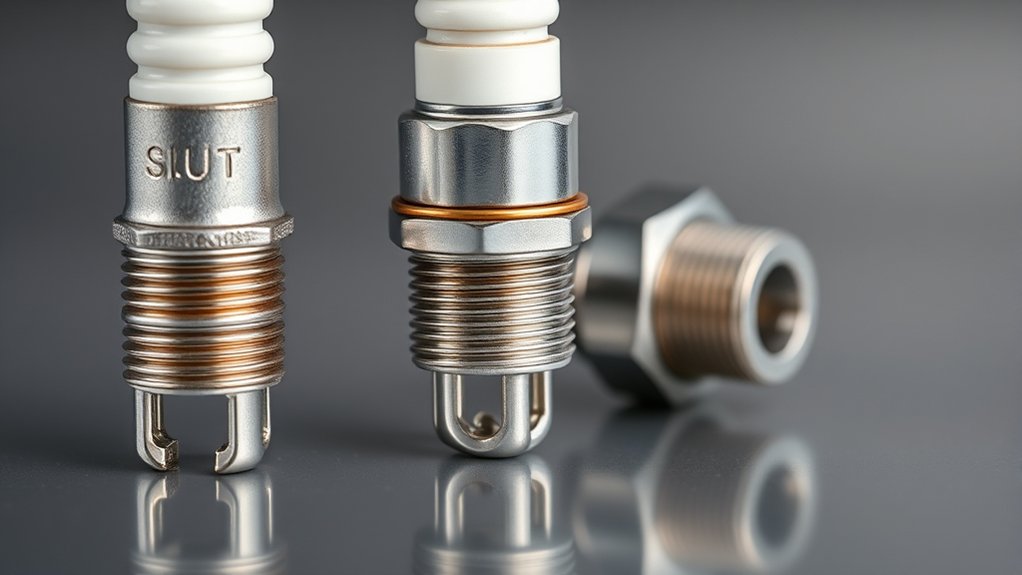
Are All Spark Plugs the Same Size How to Choose the Right One
Are you tired of guessing which spark plug size fits your engine? You’re not alone—many car owners struggle with figuring out the right fit, risking engine performance and longevity. Finding the correct spark plug can feel overwhelming, but getting it right is crucial for smooth operation.
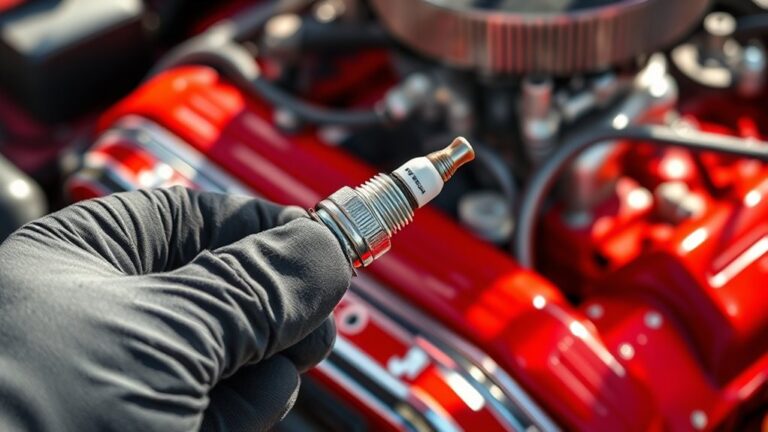
Not all spark plugs are the same size, as they vary in thread diameter, reach length, and hex size depending on your engine. To choose the right one, you need to measure these specifications accurately with a caliper and compare them to your vehicle’s requirements.
Using the wrong size can cause serious engine issues.
Keep investigating to find out how to identify the correct spark plug size for maximum performance and longevity.
Key Takeaways
- Spark plugs come in different sizes, including thread diameter, reach length, and hex size. These vary depending on your engine’s specifications.
- It’s a good idea to double-check these measurements with a caliper. Compare them to what the manufacturer recommends to make sure you get the right fit.
- Using the wrong size spark plug can lead to engine misfires, damage, or even overheating. That’s why it’s so important to get it right.
- Always check your vehicle’s owner manual or ask a mechanic if you’re unsure. They can help you choose the correct spark plug size.
- If you’re thinking about upgrading or modifying your spark plugs, pay close attention to size compatibility. Doing so will help keep your engine running smoothly and perform at its best.
Are All Spark Plugs the Same Size?
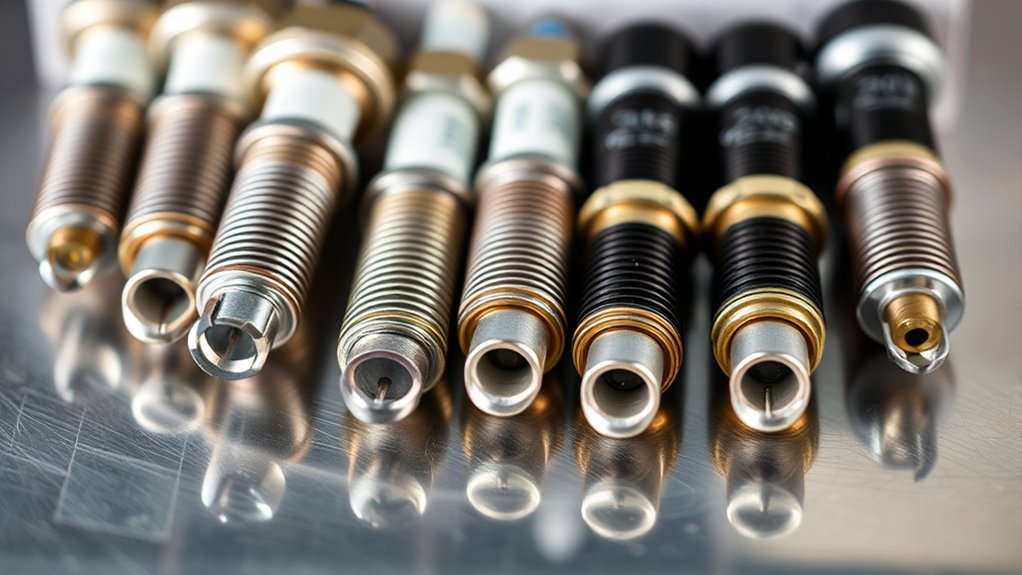
Not all spark plugs are the same size; they vary in thread diameter, reach length, and hex size depending on the engine. Your engine’s compatibility depends on selecting the right spark plug size, which guarantees proper fit and performance.
Manufacturers specify the correct size and type for each vehicle, often detailed in the owner’s manual. Using an incompatible spark plug can lead to improper seating, misfires, or even engine damage.
It’s essential to follow these manufacturer’s specifications precisely to maintain peak engine operation. Different engines require specific thread diameters and reach lengths to ensure heat dissipation and reliable ignition.
Always verify your spark plug size before replacement to match your vehicle’s exact requirements, avoiding potential issues caused by incorrect sizing.
How Do You Measure Your Spark Plug’s Size Accurately?
To measure your spark plug’s size accurately, start with a caliper to determine the diameter of the threaded part. This helps you match the correct specifications easily.
Next, measure the reach length by inserting the spark plug into a ruler or measuring tape. See how far the threaded part extends into the combustion chamber.
Also, check the hex size with a wrench or socket to make sure it fits during removal and installation. Record all measurements in millimeters or inches for accuracy.
Compare your measurements with your vehicle’s recommended spark plug specifications before buying a replacement. Here’s a quick reference:
| Measurement | Tool Needed |
|---|---|
| Threaded Part Diameter | Caliper |
| Reach Length | Ruler or Measuring Tape |
| Hex Size | Wrench or Socket |
Getting precise measurements ensures the right fit and helps your engine run smoothly.
Why Using the Wrong Spark Plug Size Can Damage Your Engine?
Using the wrong spark plug size can cause engine misfires and damage. It might not seal properly, leading to compression leaks.
If the spark plug is too long or too short, it can overheat or damage parts like pistons or threads. This mismatch can also lead to overheating.
Engine Misfires and Damage
Choosing the wrong spark plug size can lead to engine misfires, which disrupt proper combustion and cause hesitation during acceleration. Misfires happen when the spark plug doesn’t ignite the fuel-air mixture correctly, leading to incomplete combustion.
Using an improperly sized spark plug can also cause compression leaks, risking damage to valves or pistons. Oversized plugs may protrude into the combustion chamber, risking contact with pistons or valves and causing costly engine damage.
Incorrect reach length can lead to overheating or fouling, accelerating electrode wear and harming the chamber. Mismatched spark plug sizes impair heat dissipation, increasing the risk of pre-ignition, knocking, and long-term engine harm.
- Misfires cause rough idling
- Compression leaks damage internal parts
- Piston or valve contact from oversized plugs
- Accelerated wear and chamber damage
Overheating and Component Wear
Have you ever wondered how the wrong spark plug size can lead to engine overheating and accelerated component wear? Using a spark plug with an incorrect heat range can disrupt proper heat dissipation, causing overheating that may melt electrodes or trigger pre-ignition.
An improperly sized spark plug might not seat correctly, which can lead to compression leaks and increased wear on pistons and valves. Oversized or undersized plugs can disturb combustion, resulting in excessive heat buildup that damages engine parts.
The wrong reach length prevents heat from escaping efficiently, speeding up component wear. Consistently using incompatible spark plugs compromises the proper fit, increasing the risk of fouling, misfires, and long-term damage to key parts.
Choosing the right size ensures the ideal heat range and helps protect your engine from unnecessary damage.
What Are the Common Spark Plug Sizes and How Do They Differ?
Spark plugs come in different sizes, with thread diameters of 10mm, 12mm, 14mm, and 18mm. Each size is designed for specific engines.
Reach lengths, which tell you how far the electrode extends into the combustion chamber, range from about 9.5mm to over 31mm.
These differences matter because they affect how well the spark plug fits, heats, and performs in your engine.
Thread Diameter Variations
Ever wondered why some spark plugs fit perfectly while others don’t? It all comes down to the thread diameter, which varies to match different engines. Common sizes include 10mm, 12mm, 14mm, and 18mm, each designed for specific applications.
The thread diameter determines how securely the spark plug fits into the cylinder head, directly influencing engine performance. Using the wrong size can cause misfires or even damage.
Keep these points in mind: Smaller diameters like 10mm are common in small engines or motorcycles. 14mm is the standard for most cars. Larger sizes like 18mm suit bigger engines.
Always measure with a caliper or check your vehicle’s manual to verify the correct spark plug size.
Reach Length Differences
Reach length is an important factor in ensuring your spark plug fits properly in your engine. This measurement shows how far the threaded part extends into the combustion chamber and affects ignition and performance.
Common reach lengths include 9.5mm, 19mm, 26.5mm, and 31.75mm. Each is designed for specific engine types. Using the wrong reach length can cause misfires, overheating, or engine damage by preventing the spark from reaching the right ignition zone.
To get the correct fit, measure the threaded portion from the gasket seat to the end of the threads using a ruler or caliper. Always follow your engine’s specifications and manufacturer recommendations to choose the right reach length for optimal performance and engine health.
How to Find the Right Spark Plug Size for Your Vehicle?
Finding the right spark plug size for your vehicle starts with checking the manufacturer’s specifications or your owner’s manual. This helps ensure you get an accurate size for your engine’s needs.
You can also measure your existing spark plug’s thread diameter, reach length, and hex size using a caliper or ruler to confirm it fits. Online compatibility tools are helpful too; just enter your vehicle’s make, model, and engine details to find matching spark plug sizes.
Look for a metal information tag near the radiator or engine bay, which may list spark plug part numbers and sizes. Lastly, consulting a professional mechanic or supplier with your vehicle’s VIN can help verify the proper spark plug size and specifications.
How Does Correct Spark Plug Size Improve Performance and Fuel Economy?
Using the correct spark plug size directly impacts how well your engine performs and how efficiently it uses fuel. When your spark plug size matches what the manufacturer recommends, it ensures proper combustion, which boosts engine performance and power.
Properly sized spark plugs prevent misfires and incomplete fuel burning, making your engine more fuel-efficient. They also help keep the engine at the right temperature, reducing the chances of overheating or fouling.
A correct fit minimizes mechanical stress on the ignition system, leading to longer-lasting components and consistent performance. Ultimately, choosing the right spark plug size helps your engine run smoothly and efficiently.
It maximizes fuel economy and allows your vehicle to operate as intended. Proper sizing is key to unlocking your vehicle’s full potential.
When Should You Replace or Upgrade Your Spark Plug Size?
Your engine may need a spark plug size upgrade or replacement when you notice misfires, rough performance, or difficulty starting. These signs often mean the current size isn’t fitting properly.
If your spark plug isn’t providing the correct spark or a proper fit, upgrading the size can help improve combustion efficiency and engine response. It’s a good idea to replace spark plugs with the correct size every 60,000 to 100,000 miles or sooner if you see fouling or damage.
When modifying your engine, upgrading the spark plug size or type ensures a proper fit and maximum performance. You should consider a spark plug replacement or upgrade when you experience engine misfires, rough running, poor acceleration, or difficulty starting.
Frequently Asked Questions
How Do You Tell What Size Spark Plugs You Need?
You find the right spark plug size by checking your vehicle’s owner manual for specs.
You can also measure your current spark plug’s thread diameter, reach length, and hex size with a caliper and ruler.
Look for a metal tag or sticker near the engine bay that has part numbers.
Using your VIN or engine code with online tools can help you find the exact size.
Always compare your measurements with manufacturer charts to make sure you get a proper fit.
What Spark Plugs for 06 Sienna?
For your 2006 Toyota Sienna, you should look for spark plugs with a 14mm thread diameter and about 19mm reach. Iridium or platinum options are best for durability and performance.
Make sure to gap them at 0.044 inches. Always double-check your owner’s manual or consult a trusted parts supplier to confirm the exact part number for your engine.
Proper spark plugs guarantee reliable ignition and ideal fuel efficiency.
What Spark Plug Does a Tecumseh Engine Take?
Your Tecumseh engine needs the right spark plug to keep it running smoothly, like a finely tuned orchestra. Typically, it takes a 10mm or 14mm thread size, with a gap between 0.030 and 0.040 inches.
Check your engine’s manual to confirm the exact specifications. Opt for iridium or platinum plugs if you’re looking for durability and better performance.
Always verify the specific model for the correct reach length and part number to ensure a proper fit.
What Spark Plugs Are Best for Lexus?
The best spark plugs for your Lexus are OEM or OEM-recommended options, usually platinum or iridium for better durability and performance.
Make sure to pick plugs with the right size and heat range listed in your vehicle’s manual. Typically, the gap should be around 0.039 or 0.043 inches.
It’s a good idea to inspect and replace your spark plugs regularly, roughly every 60,000 to 100,000 miles. This helps keep your engine running smoothly and efficiently.
Conclusion
Choosing the correct spark plug size isn’t just a detail—it’s a crucial factor. Getting the right fit helps your engine perform at its best, prevents issues, and extends the life of your spark plugs.
Don’t overlook the importance of precise measurements. Your engine depends on it for smooth operation and reliable starting.
With careful size selection, you’ll notice better efficiency and more responsive driving. It’s all about making informed choices for optimal performance.
Make the smart move—know your spark plug size, master your maintenance, and unlock your engine’s full potential.