Do You Need to Disconnect the Battery When Changing Spark Plugs?
Many car owners find themselves unsure about the best way to change spark plugs without causing issues. You’re not alone—this is a common concern, especially for those worried about damaging their vehicle’s electronics.
Whether you need to disconnect the battery when changing spark plugs depends on your vehicle. Many modern cars with complex electronics benefit from disconnecting to prevent damage to control units and avoid electrical shorts.
Older vehicles with simpler systems usually don’t require this step. Using a memory saver can help preserve electronic settings if you choose to keep the battery connected.
Keep in mind, following manufacturer instructions is key—stick around to learn more about the safest approach.
Key Takeaways
Many vehicles allow you to replace spark plugs without disconnecting the battery, but it’s always a good idea to check your vehicle’s manufacturer guidelines first.
Disconnecting the battery can help prevent electrical shorts and protect your electronic components during maintenance.
Modern vehicles with more complex electronics usually require you to disconnect the battery to avoid any potential damage or resets.
If you want to be extra cautious, you can use a memory saver device. This will preserve your ECU data without needing to disconnect the battery.
Always follow safety procedures, like turning off the engine and disconnecting the negative terminal first. This helps keep you safe and prevents accidental electrical issues.
Do You Need to Disconnect the Battery When Replacing Spark Plugs?
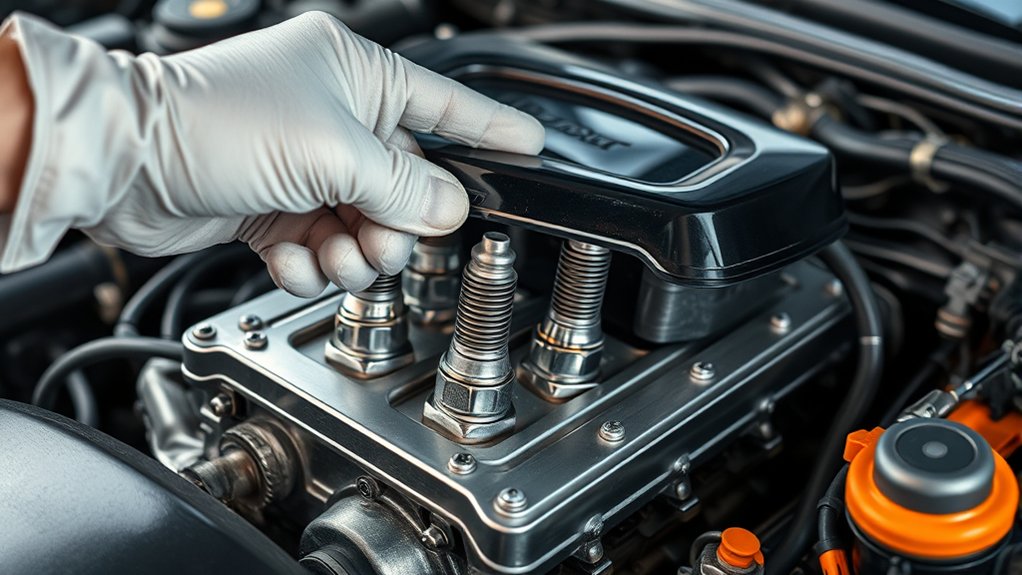
Whether you need to disconnect the battery when replacing spark plugs depends on your vehicle and the specific situation. In many cases, you can change spark plugs without disconnecting the battery if you follow proper procedures.
Keeping the vehicle powered helps preserve ECU memory and readiness monitors, which prevents unnecessary resets. Using a memory saver during the process can also protect your electronic settings and radio presets without disconnecting the battery.
However, if electrical issues happen or systems reset after changing the spark plugs, disconnecting the battery might be necessary. Always check your vehicle’s manual or manufacturer guidelines to see if disconnecting the battery is recommended for your model.
This way, you can avoid potential problems and complete the spark plug replacement safely.
Why Modern Vehicles Usually Require Battery Disconnection During Spark Plug Changes
Modern vehicles often need the battery disconnected when changing spark plugs to protect sensitive electronics from electrical shorts.
Disconnecting the battery helps prevent voltage spikes that could damage control units and sensors.
Following this step ensures your vehicle stays safe and continues to function properly after maintenance.
Protects Sensitive Electronics
Because vehicles today have complex electronic systems, disconnecting the battery before changing spark plugs is important to protect sensitive electronics. It helps prevent voltage spikes that could damage the electronic control units (ECUs).
Modern vehicles, especially hybrids or those with electronic ignition, are more vulnerable to electrical surges during maintenance. These surges can cause data loss or resets in modules that store your vehicle’s memory and settings.
By properly disconnecting the battery, you reduce the risk of accidentally damaging these advanced electronics. Just follow the manufacturer’s guidelines for battery disconnection during spark plug replacement.
This simple step helps keep your vehicle’s electronic systems safe and ensures it performs at its best.
Prevents Electrical Short Circuits
Disconnecting the battery during spark plug replacement helps prevent electrical short circuits that can happen if your tools accidentally touch live electrical parts. Modern vehicles have complex wiring and sensitive electronics that can be easily damaged by electrical shorts.
By disconnecting the battery, you eliminate the risk of creating unintended electrical paths. This simple step is crucial to avoid electrical fires, component failures, or damage to electronic control units (ECUs).
Here are three main reasons:
- It prevents accidental contact between tools and live circuits.
- It protects electronic control units from voltage spikes or surges.
- It stops electrical shorts that could cause damage or fires.
Battery disconnection is a quick but important safety measure when changing spark plugs.
Risks of Not Disconnecting the Battery When Changing Spark Plugs
If you leave the battery connected while changing spark plugs, you risk causing electrical shorts or sparks that can damage your vehicle’s electronics.
Accidental contact with live components may also lead to shocks or costly damage to the ECU. Not disconnecting increases safety hazards and the chance of electrical system issues if mistakes happen during the repair.
Electrical Short Circuits Risk
Ever wondered what can go wrong if you don’t disconnect the battery when changing spark plugs? Not disconnecting it can increase the risk of electrical short circuits if your tools accidentally touch live electrical parts. Metal tools can create unintended electrical paths, leading to sparks or damage.
Here are some key risks:
- Sparks or fires caused by metal tools bridging electrical contacts.
- Damage to sensitive components like the ECU from voltage spikes.
- Blown fuses or system malfunctions, which can be costly to repair.
To avoid these issues, always disconnect the battery before working on spark plugs. Doing so reduces the risk of electrical short circuits and protects your vehicle’s electrical system during maintenance.
Taking proper precautions helps prevent dangerous and costly damage.
Potential ECU Damage
Failing to disconnect the battery during spark plug replacement can expose your vehicle’s ECU to damaging voltage spikes. These surges can happen if tools accidentally cause electrical shorts or if power transients occur while working near ignition components.
Modern ECUs are sensitive to such voltage spikes, making them vulnerable to potential damage. If you don’t disconnect the battery, a sudden electrical fault might send unintended voltage to the ECU, risking malfunction or improper resetting.
This damage can be costly and affect your vehicle’s performance. To minimize this risk, always disconnect the battery before starting work.
Doing so reduces the chance of electrical shorts and voltage transients that could harm your ECU, ensuring your vehicle remains protected during spark plug replacement.
Safety Hazards Increase
Leaving the battery connected while working on spark plugs significantly increases the risk of electrical shorts and sparks, which can cause damage or injury. When the battery stays connected, metal tools can accidentally complete live circuits, leading to shocks or fires.
Working near electrical components with the battery still connected can also activate circuits unexpectedly, risking damage to sensitive electronics. Not disconnecting the battery also raises the chances of electrical system faults, like blown fuses or ECU damage caused by voltage spikes.
Risks include:
- Metal tools completing live circuits, causing shocks or fires
- Accidental activation of electrical components, damaging electronics
- Increased chances of electrical system malfunctions or faults
How Disconnecting the Battery Prevents Electrical Shorts and Damage
Disconnecting the battery before changing spark plugs is a crucial step because it eliminates the power source, preventing electrical shorts and sparks. When you disconnect the battery, you cut off the flow of current, which protects sensitive electronic components from voltage spikes or surges.
Without this disconnection, metal tools could complete a circuit, risking shorts, sparks, or damage to your vehicle’s electrical system. Removing the battery ensures no residual electrical energy remains, reducing the chance of unintended activation or electrical damage during maintenance.
Proper disconnection safeguards your vehicle’s electrical system by preventing accidental contact with live circuits. This simple step is fundamental to avoid costly repairs and keep your work safe and damage-free.
Is Battery Disconnection Necessary for Older Vehicles With Simpler Electrical Systems?
In older vehicles with simpler electrical systems, you often don’t need to disconnect the battery when changing spark plugs. These vehicles usually don’t have sensitive electronic control units (ECUs) that could be damaged by power loss during maintenance.
Unless your vehicle’s manual specifically recommends it, disconnecting the battery isn’t necessary. Basic electrical systems in older vehicles are more resilient to short circuits and electrical surges during spark plug replacement, which reduces the risk of damage.
However, it’s always a good idea to check your owner’s manual for manufacturer guidelines. If you’re unsure or safety precautions suggest it, disconnecting the battery can still be a wise move.
How to Safely Disconnect and Reconnect Your Car Battery During Maintenance
To safely disconnect and reconnect your car battery, follow the proper steps to avoid sparks or shorts. Always turn off your vehicle first.
Wear safety gloves and use insulated tools when handling the terminals. Be careful to avoid accidental contact with metal parts.
When reconnecting, attach the positive terminal first. Make sure all connections are tight and secure before starting your vehicle again.
Proper Disconnection Procedures
Before you start working on your vehicle’s spark plugs, make sure the engine is turned off and the key is removed. This helps prevent any electrical hazards.
To disconnect your battery properly, follow these steps:
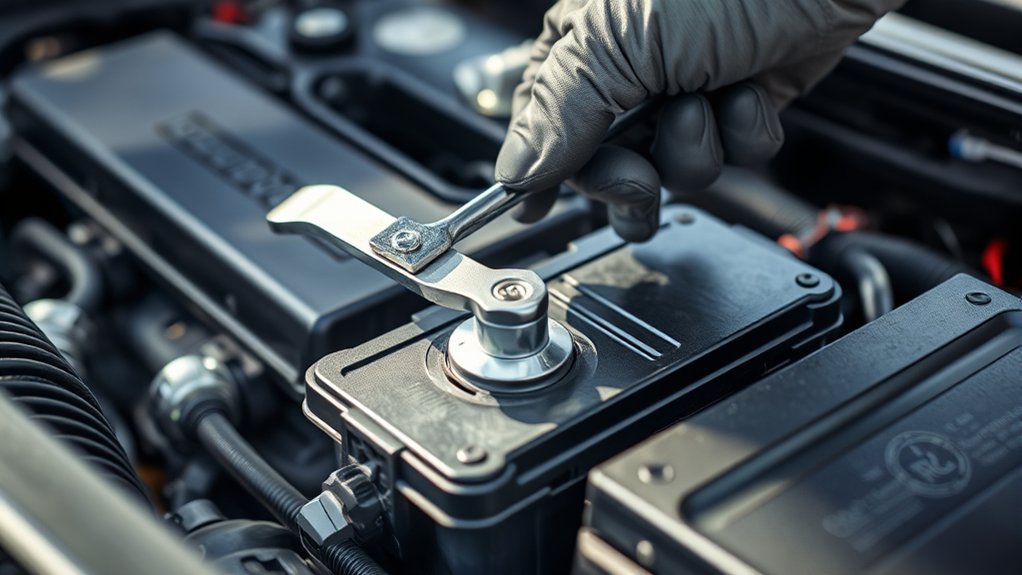
- Always disconnect the negative (ground) terminal first to avoid accidental short circuits.
- Use insulated tools to loosen the battery terminals safely and prevent electrical shocks.
- Once the negative terminal is disconnected, proceed to disconnect the positive terminal.
When reconnecting, attach the positive terminal first, then the negative. Make sure all connections are tight and secure. Double-check that the battery is properly reconnected before starting your vehicle.
This process ensures your battery is safely disconnected and reconnected during maintenance, reducing the risk of electrical issues or damage.
Safety Precautions To Follow
Handling your car battery safely during maintenance is essential to prevent accidents or damage. Always turn off your vehicle and remove the key before disconnecting the battery to avoid electrical shocks or short circuits.
Follow safety precautions by disconnecting the negative (black) terminal first, then the positive (red) terminal. This helps reduce sparking risks. Use insulated tools when handling battery terminals to protect yourself from electrical shocks and damage to sensitive components.
When reconnecting, attach the positive terminal first, then the negative, and tighten both securely to prevent voltage issues. Wear safety gloves and eye protection during the process to guard against battery acid spills, sparks, or accidental electrical contact.
Following these safety precautions guarantees a secure and safe battery disconnection.
Reconnection Best Practices
Reconnecting your car battery safely is key to avoiding electrical problems or damage to your vehicle’s systems. To do it right, follow these best practices:
Start by attaching the positive terminal first, making sure it’s secure. Then, connect the negative terminal last. This helps reduce the risk of short circuits.
Use insulated tools when tightening the battery connections. This keeps sparks and accidental damage at bay.
Always turn off your vehicle and remove the key before reconnecting the battery. It’s a simple step to protect yourself from electrical shocks.
Once everything is connected, start your vehicle to check that all electrical systems are working properly. This ensures your battery is connected correctly and helps keep your vehicle safe during maintenance.
Essential Tools and Precautions for Safe Battery Handling During Spark Plug Replacement
To guarantee safety while working on your vehicle’s spark plugs, you’ll need the right tools and precautions for battery handling. Start by using insulated tools to prevent electrical shocks and accidental short circuits.
Always wear insulated gloves for added protection. Before disconnecting the battery, turn off the vehicle and remove the ignition key to prevent electrical damage.
Always switch off the vehicle and remove the ignition key before disconnecting the battery for safety.
When removing the battery, disconnect the negative terminal first and reconnect it last, following the manufacturer’s instructions. Using a memory saver device connected via the OBD2 port can help preserve your vehicle’s ECU settings during the process.
Make sure your tools are in good condition and designed for electrical work. Proper handling minimizes risks and helps you safely manage the battery during spark plug replacement.
How Disconnecting the Battery Affects Vehicle Data and Readiness Monitors
Disconnecting the battery can impact your vehicle’s onboard systems by resetting the readiness monitors, which track whether emissions-related components have been tested and are functioning properly. When you disconnect the battery, the vehicle’s stored data, including some ECU memory, can be lost or reset. This causes the readiness monitors to show as not ready until the system completes its diagnostics again.
Here are key points to consider:
- A disconnected battery resets the readiness monitors, so they need to be re-tested.
- Vehicle parameters are erased, which might affect how the system performs.
- Using a memory saver helps preserve data and prevents the system from reinitializing.
Reconnecting the battery may require some additional steps, but the main factor that resets readiness monitors and clears stored data is disconnecting the battery.
Common Mistakes When Replacing Spark Plugs Without Disconnecting the Battery
Replacing spark plugs without first disconnecting the battery can lead to several common mistakes that may damage your vehicle’s electronic systems. If tools contact live components, a spark or short circuit can happen, risking damage to sensitive electronics.
Failing to disconnect the battery also increases the chance of voltage spikes that can harm the electronic control units (ECUs). Without disconnecting the battery, you might accidentally trigger the ignition system or cause the engine to start unexpectedly during the spark plug replacement.
Residual power in the system can cause shocks or injuries. Plus, neglecting to disconnect the battery can lead to electrical issues later, like parasitic drain or system resets.
Always disconnect the battery to ensure a safe, proper spark plug replacement process.
Expert Tips: When Should You Disconnect the Battery for Spark Plug Work?
In many cases, you don’t need to disconnect the battery when changing spark plugs, especially on modern vehicles with electronic safeguards. However, consider disconnecting it if you’re working on cars with sensitive electronic control units to prevent electrical damage.
Disconnecting the battery helps avoid accidental shorts, shocks, and unintended activation of electrical parts during maintenance. Always check your vehicle’s manual or manufacturer guidelines to see if you need to disconnect the battery.
Using a memory saver can also help preserve radio presets and ECU data while you work.
Here are some key times to disconnect the battery:
- When working on older models with complex electronics.
- When replacing spark plug wires that might cause electrical shorts.
- If you’re unsure about your vehicle’s electronic safety features.
Frequently Asked Questions
What Spark Plug Does a Tecumseh Engine Take?
Your Tecumseh engine usually uses spark plugs like Champion RC12YC or NGK BPR5ES. Be sure to check your engine’s manual for the exact model and specifications.
The recommended spark plug gap is generally between 0.030 and 0.040 inches. Always match the spark plug to your engine’s requirements for a proper fit and performance.
Properly installed spark plugs help your engine run smoothly and efficiently.
How Much Does It Cost to Replace Spark Plugs on a Toyota RAV4?
Replacing spark plugs on your Toyota RAV4 costs between $150 and $300, depending on whether you do it yourself or hire a mechanic. Labor usually makes up $50 to $150 of that, while spark plugs themselves cost $10 to $30 each.
V6 models tend to be pricier because of access issues. Regular replacements every 60,000 to 100,000 miles help keep your engine running smoothly and efficiently.
How Many Spark Plugs Does a Hyundai Tucson Have?
A Hyundai Tucson usually has four spark plugs if it has a four-cylinder engine, or six if it’s a V6 model.
Imagine you’re changing the spark plugs on your Tucson. Knowing the engine type helps you get everything ready.
Each spark plug fires a cylinder, so it’s important to count or verify your engine’s setup before you start.
This way, you’ll get the right parts and avoid any mistakes during the replacement.
What Kills Spark Plugs Quickly?
You can kill spark plugs quickly by fouling them with carbon buildup from fuel additives or dirty fuel system cleaners. Running your engine too rich or with the wrong air-fuel mixture causes excess soot, which leads to rapid fouling.
Overheating the engine, using incorrect spark plugs, or oil leaks into the combustion chamber can also damage and shorten their lifespan. Proper maintenance and using the right parts help prevent quick spark plug failure.
Conclusion
So, next time you’re about to change your spark plugs, think about what’s really at stake. Will you risk an electrical mishap or take a simple step that could save you time and money?
Deciding whether to disconnect the battery isn’t just about safety. It’s about protecting your vehicle’s heart. A small spark can turn into a costly repair if you’re not careful.
Don’t let that happen to you. Stay cautious, stay prepared. When changing spark plugs, disconnecting the battery is a smart move to avoid any electrical issues.