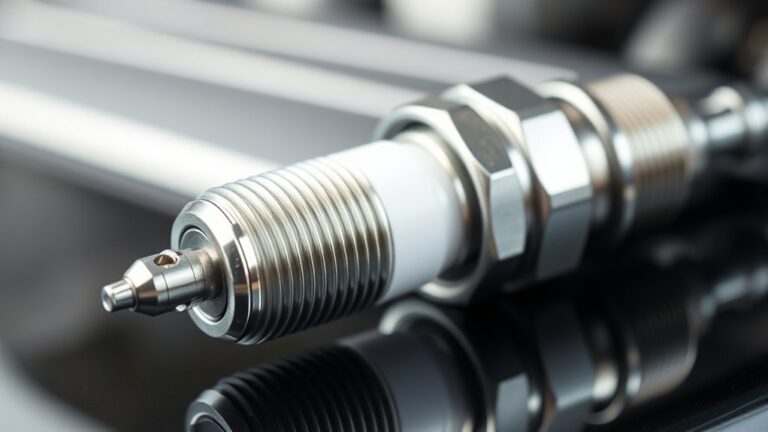
Are Spark Plugs Covered Under Warranty?
Many car owners often worry about unexpected repairs and whether certain parts are covered under warranty. Spark plugs are one such component that many people struggle with, especially when they need replacement or encounter issues.
Most spark plugs aren’t covered under standard vehicle warranties because they’re considered routine maintenance parts. However, some models with lifetime warranties, like Autolite’s Iridium Ultra and Double Platinum series, may be replaced if they fail due to material defects or manufacturing issues.
Other warranty coverage is limited and excludes wear and tear, improper installation, misuse, or modifications.
To find out more about warranty conditions and how to file a claim, keep exploring this topic.
Key Takeaways
– Spark plugs are generally not included in standard vehicle warranties since they’re considered routine maintenance parts.
Some brands do offer limited lifetime warranties for specific spark plug models, which can cover material or manufacturing defects.
Warranty coverage usually doesn’t cover damage caused by improper installation, misuse, modifications, or normal wear and tear.
It’s important to follow the manufacturer’s recommended replacement intervals and ensure proper installation to keep your warranty valid.
When filing a warranty claim, you’ll typically need proof of purchase, diagnostic reports, and to follow the manufacturer’s specific claim process.
Are Spark Plugs Covered Under Warranty?
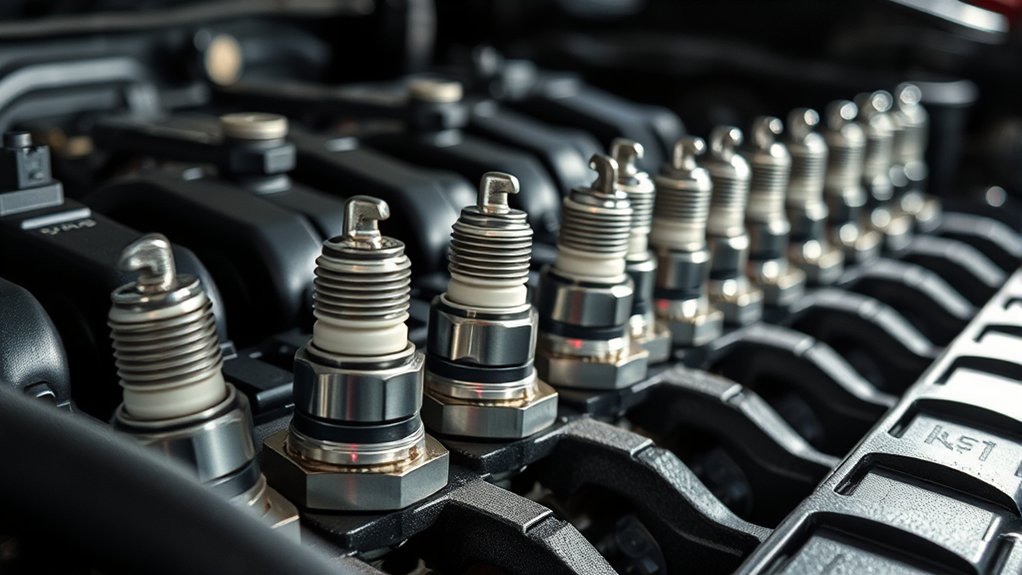
Are spark plugs typically covered under warranty? Usually, they aren’t included in standard vehicle warranties or protection plans because they’re considered routine maintenance parts.
Spark plugs are generally not covered under warranties as routine maintenance parts.
The warranty coverage for spark plug failure is limited and generally applies only if the plugs are defective due to material or manufacturing issues and fail before their expected service life.
Most warranties exclude wear and tear items like spark plugs since regular replacements are part of scheduled maintenance. If a spark plug fails early, before it’s due for replacement, and the installation was proper, you might have a chance to claim warranty coverage.
However, external factors like misuse, modifications, or improper installation can easily void any warranty claim, making coverage unlikely in such cases.
How Long Does a Spark Plug Warranty Usually Last?
Most spark plug warranties last either for the vehicle’s lifetime or the original owner’s ownership, depending on the manufacturer.
Standard warranties usually cover 3 to 5 years or 36,000 to 60,000 miles, but this can vary.
Factors like the type of plug and your driving habits can also affect how long your warranty stays valid.
Typical Warranty Duration
How long a spark plug warranty lasts depends on the manufacturer and the specific product. Usually, the warranty period matches the vehicle’s powertrain warranty, which is often between 5 to 10 years or 60,000 to 100,000 miles.
Some brands offer limited lifetime warranties that cover defects in material and workmanship. These can last for the lifetime of the original owner. Standard warranties might be shorter, from a few months to several years, but typically don’t cover normal wear and tear.
Here’s a quick summary of common warranty durations:
| Brand | Warranty Duration | Coverage Details |
|---|---|---|
| Brand A | Up to 10 years or 100,000 miles | Material defects |
| Brand B | 3 years or 36,000 miles | Manufacturing defects |
| Brand C | Lifetime (limited) | Defects in workmanship |
| Brand D | 1 year or 12,000 miles | Basic coverage |
| Brand E | 5 years or 60,000 miles | Extended warranty |
Factors Influencing Coverage Period
Several factors can influence how long a spark plug warranty lasts, including the manufacturer’s policies, the type of spark plug, and how you take care of your vehicle.
The warranty period for spark plugs can vary a lot—anywhere from a few months to the lifetime of your vehicle—depending on the brand and warranty details.
Here are four key factors that affect how long your warranty lasts:
First, the specific warranty coverage and how long it lasts set by the manufacturer.
Second, whether your spark plug qualifies for a lifetime limited warranty.
Third, if you go beyond the recommended service intervals or mileage, it could impact your coverage.
Lastly, external issues like improper installation, misuse, or modifications can void your warranty early.
Knowing these factors helps you understand how long your spark plugs are covered and what might cancel that coverage.
Which Spark Plug Models Come With a Lifetime Warranty?
If you’re considering spark plugs with a lifetime warranty, some models really stand out. Autolite’s Iridium Ultra and Double Platinum series are popular choices that come with a lifetime limited warranty.
This warranty usually covers failure caused by electrode erosion or defects in materials or workmanship for the original owner. To keep the coverage valid, you need to own the vehicle and use the plugs as specified by the manufacturer.
Keep in mind, the warranty typically doesn’t cover damage from improper installation, misuse, modifications, or racing. To take advantage of the lifetime warranty, you’ll need to keep proof of purchase and follow proper installation and maintenance procedures.
These models give you peace of mind, knowing your investment is protected under the warranty’s terms.
What Conditions Can Void Your Spark Plug Warranty?
Even with spark plugs that come with a lifetime warranty, certain actions can quickly void the warranty. You need to be careful, or your coverage might be denied. Here are some common conditions that can void your warranty:
- Installing or applying the spark plugs incorrectly.
- Using or tampering with them in racing, custom, or modified setups.
- Damaging the plugs through misuse, abuse, or alterations.
- Failing to follow the manufacturer’s recommended maintenance and replacement intervals.
Additionally, using spark plugs outside the specified conditions or specifications can lead to warranty denial. If you ignore these guidelines, your warranty protection might be compromised, leaving you responsible for repairs that could have been covered. Always read the warranty terms carefully and follow proper procedures.
How Do You Know When to Replace Your Spark Plugs?
Wondering when to replace your spark plugs? Typically, they last between 30,000 and 100,000 miles, depending on your vehicle and the type of plug used.
Spark plugs typically last between 30,000 and 100,000 miles, depending on your vehicle and plug type.
Pay attention to signs like rough idling, engine misfires, or difficulty starting. These often indicate worn spark plugs. A check engine light related to misfiring or ignition issues is also a strong sign it’s time for a replacement.
Additionally, visually inspect your spark plugs for worn electrodes, cracks, or excessive carbon buildup. These issues mean they’re no longer functioning properly.
Following your manufacturer’s recommended service intervals is key to maintaining engine performance. Replacing spark plugs at the right time helps prevent bigger engine problems and keeps your vehicle running smoothly.
Can Material Defects Make You Eligible for a Warranty Claim?
Material defects in spark plugs, like faulty metal composition or manufacturing flaws, can make you eligible for a warranty claim. If your spark plug fails early because of these defects, you might be able to get it replaced or refunded.
To figure out if you’re eligible, look for signs such as:
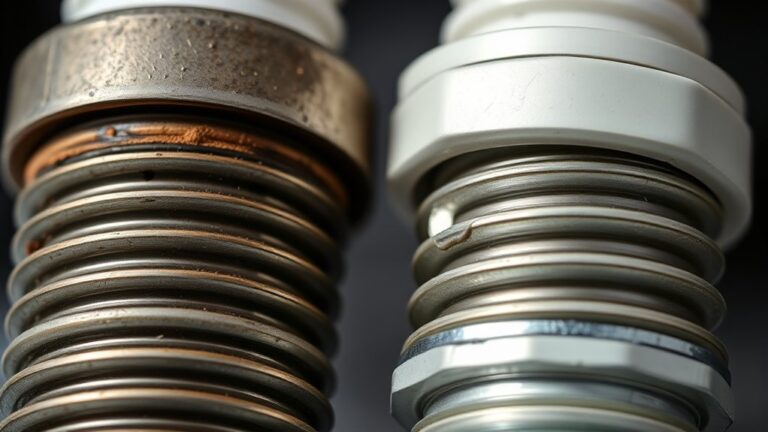
- Corrosion or rust that isn’t caused by normal wear and tear
- Cracks or erosion resulting from manufacturing flaws
- Premature failure before the expected service life
- Evidence of manufacturing issues during inspection
Proper documentation and inspection are key to proving a material defect caused the failure. If you can show these signs and provide proof, the manufacturer may cover the defect under warranty, saving you money and hassle.
How Do You File a Warranty Claim for Faulty Spark Plugs?
To start your warranty claim, gather your proof of purchase and contact the manufacturer or supplier right away.
Be sure to follow their instructions carefully for returning the faulty spark plugs and providing the necessary documentation.
This will help ensure your claim gets processed quickly and smoothly.
Gather Necessary Documentation
When filing a warranty claim for faulty spark plugs, gathering the necessary documentation is key to making the process smooth. Here’s what you need:
- Proof of purchase – This shows when and where you bought the spark plugs, confirming warranty eligibility.
- Documentation of diagnostics, repairs, or inspections related to the issue.
- Any photos or records showing the faulty spark plugs and their condition.
- Follow the specific instructions from the warranty provider, like filling out claim forms or contacting customer service.
You might also need to return the failed spark plugs for assessment. Having all these documents ready helps avoid delays and increases your chances of a successful claim.
Contact Manufacturer Immediately
Immediately contacting the manufacturer or authorized distributor is essential when filing a warranty claim for faulty spark plugs. Your first step is to reach out through the manufacturer’s designated phone number or online portal, such as Autolite’s.
Be prepared to provide proof of purchase, including the receipt date and vehicle details, to validate your claim under the manufacturer’s warranty. The manufacturer may ask you to return the failed spark plugs for inspection, helping determine if the failure stems from manufacturing defects or covered reasons.
Follow their specific process, which might involve filling out forms and submitting vehicle maintenance records. Remember, warranty coverage typically applies only to defects in material or workmanship, excluding damage from improper installation or misuse.
Return Faulty Spark Plugs
Once you’ve contacted the manufacturer and confirmed your warranty eligibility, the next step is returning the faulty spark plugs for inspection. To make sure your warranty claim goes smoothly, follow these steps:
- Gather proof of purchase and any diagnostic reports or vehicle codes showing the plug failure.
- Check that the spark plugs were installed properly and used within the warranty period to avoid losing coverage.
- Package the defective spark plugs securely so they don’t get damaged during shipping.
- Follow the manufacturer’s claim process, fill out any necessary forms, and submit all required evidence as instructed.
How Long Does a Warranty Claim Typically Take?
The time it takes to process a warranty claim for spark plugs can vary a lot, often depending on the manufacturer and the return process you follow. Usually, warranty claims are resolved within a few days to several weeks.
If you provide all the required documentation and return the parts promptly, some companies can complete the process in just 48-72 hours. But delays can happen if the spark plugs are damaged, missing, or need extra diagnostics.
The overall duration also depends on the warranty provider’s review procedures and shipping times. To speed things up, make sure you submit proof of purchase and return the parts quickly.
Understanding these factors can help you set realistic expectations for how long your warranty claim might take.
Frequently Asked Questions
How Long Do Spark Plugs Usually Last?
Spark plugs usually last between 30,000 and 100,000 miles, depending on the type and your vehicle’s recommendations.
Iridium and platinum plugs tend to last longer, often up to 100,000 miles, while traditional copper ones might need replacing sooner.
To keep your engine running smoothly, follow your manufacturer’s suggested interval, which is typically every 30,000 to 60,000 miles.
Replace them on time to avoid poor performance and fuel inefficiency.
How Much Should I Pay to Have Spark Plugs Replaced?
You should expect to pay between $100 and $300 to replace your spark plugs, depending on your vehicle and where you go. Think of it like tuning up a fine instrument—sometimes a bit more if you have premium plugs or special parts.
Labor can add $50 to $150, especially if access is tricky. Regular replacements keep your engine humming smoothly, preventing costly breakdowns down the road.
What Kills Spark Plugs Quickly?
Running your engine with incorrect spark plug gaps, poor quality fuel, or contaminated oil can kill your spark plugs quickly.
Overly aggressive ignition timing causes electrode erosion, which can also lead to faster failure.
Frequent short trips without proper warm-up encourage carbon buildup, shortening spark plug life.
Ignoring signs of wear or damage only makes things worse and speeds up the process.
To keep your spark plugs healthy and working well, make sure to do proper maintenance, use the right parts, and fix issues as soon as you notice them.
Do Subarus Have Spark Plugs?
Yes, your Subaru does have spark plugs, the tiny but essential components that spark your engine to life.
Depending on your model, you’ll find one per cylinder, often crafted from durable iridium or platinum for longevity.
Regularly replacing them every 60,000 to 100,000 miles helps keep your engine running smoothly and efficiently.
Proper maintenance keeps your vehicle humming along happily and prevents small issues from turning into costly repairs later on.
Conclusion
Imagine opening your hood one crisp morning, the engine humming smoothly like a well-rehearsed orchestra. When your spark plugs are covered under warranty, you’re protected from unexpected costs, keeping your engine singing its harmonious tune.
Knowing when to replace them or file a claim helps keep your journey seamless. Stay attentive and take good care of your engine, and your spark plugs will perform their best.
If they are under warranty, you won’t have to worry about those surprise expenses. So, yes, spark plugs can be covered under warranty, giving you peace of mind and keeping your engine running smoothly.