How Long Do Platinum Spark Plugs Last
Are you tired of replacing your spark plugs more often than you’d like? Many car owners struggle with figuring out how long platinum spark plugs last and when it’s time to swap them out. It can be frustrating to wonder if you’re doing enough to keep your engine running smoothly.
Platinum spark plugs typically last between 60,000 and 100,000 miles, thanks to their durability and resistance to electrode wear. Proper maintenance, good fuel quality, and avoiding engine overheating can help maximize their lifespan.
If you stick to the manufacturer’s recommended replacement intervals, you’ll keep your engine running smoothly. Want to uncover how to extend their life even further and spot signs they need replacing? Keep exploring for the full details.
Key Takeaways
– Platinum spark plugs usually last between 50,000 to 100,000 miles when you keep up with regular maintenance.
Manufacturers often recommend replacing them somewhere in that range, typically every 60,000 to 100,000 miles.
Good engine cooling and high-quality fuel can really help extend their lifespan.
If you notice rough idling, misfires, or trouble starting your car, it might be time to check the plugs.
Regular inspections and following the suggested replacement schedule are key to keeping your engine running smoothly and efficiently.
How Long Do Platinum Spark Plugs Last?
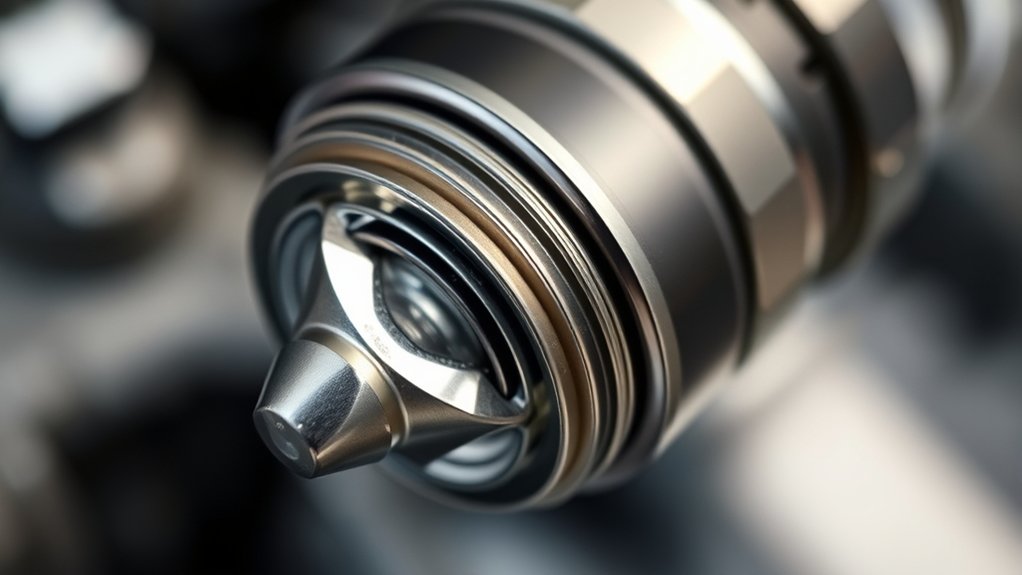
Platinum spark plugs are known for their durability, often lasting much longer than traditional copper plugs. The lifespan for platinum plugs usually falls between 50,000 to 100,000 miles, but it can vary based on driving conditions and maintenance.
With proper care, platinum spark plugs can sometimes go beyond 100,000 miles before needing replacement. Their high melting point and durability help extend their lifespan and keep your engine running smoothly.
Many vehicle manufacturers recommend replacing platinum spark plugs between 60,000 and 100,000 miles. Regular inspection and using quality fuel can help maximize their lifespan and keep your engine performing at its best.
What Factors Shorten the Lifespan of Platinum Spark Plugs?
Poor fuel quality, engine overheating, and aggressive driving habits can all shorten the lifespan of your platinum spark plugs. These issues can cause deposits, damage, or excessive wear.
All of these factors lead to early failure of your spark plugs. Understanding what causes this helps you keep your spark plugs working longer.
Poor Fuel Quality
Have you ever wondered how the quality of fuel can impact the lifespan of your spark plugs? Poor fuel, especially with impurities or additives, can cause carbon deposits on platinum spark plugs, leading to fouling and faster wear.
Low-quality fuel often contains contaminants that hinder combustion efficiency, creating carbon buildup on the electrodes. Using substandard or low-octane fuel increases engine knocking and heat, which can prematurely damage your platinum plugs.
These deposits act as insulators, impairing the spark and reducing performance. Relying on poor fuel consistently shortens the lifespan of your platinum spark plugs by speeding up electrode erosion and fouling.
To get the most out of your spark plugs, always choose high-quality fuel that burns cleaner and minimizes deposits. This helps ensure they perform their best and last longer.
Engine Overheating Issues
Engine overheating is a common issue that can greatly shorten the lifespan of your spark plugs. When your engine gets too hot, it puts extra thermal stress on platinum spark plugs, which speeds up electrode erosion and damages the ceramic insulator.
Over time, this high temperature causes the platinum tips to wear down faster, making them less durable and efficient. Faulty cooling systems, like a malfunctioning radiator or thermostat, often keep the engine temperature high and can cause more harm to your spark plugs.
Continued exposure to extreme heat can also crack or break the ceramic insulator, affecting overall performance. To help your platinum spark plugs last longer, it’s really important to keep your engine’s cooling system in good shape. Overheating directly speeds up electrode wear and shortens spark plug life.
Aggressive Driving Habits
Engaging in aggressive driving habits, like rapid acceleration and high-speed driving, puts extra strain on your spark plugs and causes them to wear out faster. This kind of driving increases engine stress and raises combustion temperatures, which speeds up electrode degradation in platinum spark plugs.
The higher heat can cause platinum plugs to overheat, leading to premature deterioration. Consistently revving your engine at high RPMs also speeds up electrode wear, shortening the lifespan of your spark plugs.
Heavy towing and frequent stop-and-go traffic add more load and heat to the engine, further reducing durability. If you want your platinum spark plugs to last longer, try to avoid aggressive driving habits that cause excessive engine wear and electrode damage.
Doing so will help extend their service life and keep your engine running at its best.
Platinum vs. Other Spark Plug Materials: Which Lasts Longer?
When comparing spark plug materials, durability and lifespan are key factors to consider. Platinum plugs tend to last longer than copper and nickel options but are usually on par with iridium.
They offer a good balance of cost and longevity, making them a popular choice. Understanding these differences can help you pick the best spark plug for your vehicle’s needs and your budget.
Durability and Lifespan Comparison
Platinum spark plugs are known for their impressive durability, often lasting between 60,000 and 100,000 miles. This is longer than nickel plugs, which usually last only 20,000 to 30,000 miles.
Compared to iridium plugs, which can last over 75,000 miles, platinum offers a similar lifespan but typically costs less. Thanks to its higher melting point and resistance to electrode wear, platinum provides longer service intervals.
You’ll feel confident knowing your spark plugs can go further before needing replacement.
- Save money and time with fewer replacements
- Maintain ideal engine performance longer
- Trust in a material built for endurance
- Achieve superior longevity with platinum over other materials
Cost and Performance Factors
While platinum spark plugs are known for their impressive longevity, their higher upfront cost can influence your decision. The cost of platinum plugs is higher than copper or nickel options, but they often prove more cost-effective over time because of their extended performance and durability.
Their ability to last between 50,000 and 100,000 miles means fewer replacements, saving you both money and effort. Compared to iridium plugs, platinum offers similar longevity, though iridium can sometimes last a bit longer thanks to higher durability.
The performance of platinum plugs stays consistent throughout their lifespan, ensuring your engine runs reliably. Ultimately, investing in platinum spark plugs may cost more initially, but their longevity and dependable performance can make them a smarter choice for long-term performance and lower maintenance costs.
Signs Your Platinum Spark Plugs Are Worn Out?
Over time, your vehicle’s platinum spark plugs can show signs of wear that affect engine performance. Recognizing these signs is really important. During a visual check, look for fouling, deposits, or electrode erosion—clear hints that your plugs are nearing the end of their life.
Regularly inspect platinum spark plugs for fouling, deposits, or erosion to maintain optimal engine performance.
Common signs include rough idling and engine vibrations, which suggest inconsistent combustion. You might also notice sluggish acceleration, decreased engine power, or difficulty starting—these all point to inefficient firing.
If your engine misfires or hesitates during acceleration, it’s probably time to think about replacing your spark plugs. These symptoms not only impact how your car drives but can also harm your engine if you ignore them.
Regular checks help catch worn spark plugs early, keeping your engine running smoothly and efficiently.
What Are the Risks of Delaying Spark Plug Replacement?
Ignoring the recommended replacement intervals for your spark plugs can lead to serious engine problems down the line. Delaying spark plug replacement increases the risk of engine misfires and rough idling, which can reduce your vehicle’s performance.
Worn or old plugs cause incomplete combustion, making your engine work harder and decreasing fuel efficiency. Over time, this neglect can lead to engine damage, including harm to the ignition system and other components.
The longer you postpone replacing your spark plugs, the higher the chance of costly repairs and reduced engine longevity. Regular spark plug replacement is essential to maintain smooth operation, prevent emissions issues, and protect your engine from unnecessary wear and tear.
Don’t ignore the signs. Timely maintenance saves you money and hassle later.
How to Maximize the Lifespan of Your Platinum Spark Plugs?
Maintaining your platinum spark plugs so they last longer involves regular inspections and proper care. By performing consistent spark plug maintenance, you can spot signs of wear early and prevent unexpected failures. Use high-quality fuel and stick to proper engine maintenance to reduce deposits that can impair performance.
Make sure to install platinum spark plugs with the correct torque, as improper installation can cause early wear or misfiring. Pay attention to how your engine is running; rough idling or misfiring may signal the need for early replacement. Keep the cooling system in top shape to prevent overheating, which shortens spark plug life.
Regularly check for signs of wear or deposits. Use the recommended spark plugs for your engine and maintain a clean cooling system. Follow proper installation procedures to ensure the best performance and longevity of your spark plugs.
Should You Follow the Manufacturer’s Recommended Replacement Interval?
Following the manufacturer’s recommended replacement interval for platinum spark plugs is key to keeping your engine running smoothly. This interval is based on extensive testing to balance durability with peak engine performance. Ignoring the suggested timeframe can lead to decreased fuel economy, misfires, and potential engine damage.
Manufacturers typically recommend replacing platinum spark plugs every 60,000 to 100,000 miles, aligning with their durability claims. Sticking to these guidelines helps prevent premature wear and ensures your spark plugs work reliably over their expected lifespan.
Frequently Asked Questions
How Often Should I Change My Platinum Spark Plugs?
You should change your platinum spark plugs roughly every 60,000 to 100,000 miles.
But it’s a good idea to check them regularly for signs of wear, especially if you do a lot of aggressive driving or take short trips.
Always look at your vehicle’s owner manual for the manufacturer’s specific recommendation.
Staying on top of inspections and replacements helps keep your engine running smoothly and improves fuel efficiency.
How Many Miles Should Platinum Spark Plugs Last?
Platinum spark plugs usually last between 50,000 and 100,000 miles.
Your driving habits, like taking short trips often or aggressive acceleration, can shorten their lifespan.
To get the most out of them, stick to your vehicle’s recommended replacement interval, which is typically around 60,000 to 100,000 miles.
Regular inspections can also help you catch any signs of wear early, keeping your engine running smoothly and efficiently.
How Often Should You Replace Double Platinum Spark Plugs?
You should replace double platinum spark plugs around the 100,000-mile mark, similar to changing your tires before they wear out completely. Regular inspections can help you catch wear or fouling early, so you’re not caught off guard on the road.
Keep in mind that your driving style, fuel quality, and engine health can all influence when you need to replace them sooner. Stay attentive to your vehicle’s performance to keep it running smoothly.
What Is the Main Disadvantage of Platinum Spark Plugs?
The main disadvantage of platinum spark plugs is their higher cost compared to traditional options like copper or nickel plugs. They tend to be more expensive to replace because of their specialized design and materials, which can make maintenance pricier.
If your engine runs rich or has oil leaks, platinum plugs might foul more easily. Although they last longer, they may not always deliver enough performance benefits to justify their higher price.
Conclusion
On average, platinum spark plugs last between 60,000 to 100,000 miles, making them a durable choice for your vehicle. Did you know that proper maintenance can extend their lifespan even further? Regularly inspecting and replacing them at the right time can improve your engine’s efficiency and save you money.
So, follow your manufacturer’s recommendations and keep an eye out for signs of wear. Your engine will thank you for choosing platinum spark plugs and taking good care of them.