

How You Can Drive Safely With Bad Spark Plugs
Many drivers have experienced the frustration of their car running roughly or losing power unexpectedly. If you’re dealing with bad spark plugs, you’re not alone—this is a common issue that can cause a lot of stress on the road.
If you suspect bad spark plugs, drive gently by maintaining steady speeds, avoiding aggressive acceleration or braking, and keeping a safe following distance.
Pay close attention to engine behavior—if you notice misfires, rough idling, or power loss, ease off the accelerator and monitor engine temperature.
If symptoms worsen or you’re unsure, safely pull over and seek professional repairs. Continuing with faulty spark plugs can cause more damage; stay alert to learn how to handle it properly.
Key Takeaways
- Drive gently with a steady speed, avoiding aggressive acceleration and sudden stops.
- Keep an eye on how your engine is running. Look out for misfires, vibrations, or signs it’s overheating.
- Stay a safe distance behind other cars and avoid going too fast to help reduce stress on your engine.
- If you notice your car losing power or idling roughly, ease off the accelerator and try to keep the engine cool.
- If you see any signs of trouble, pull over safely and get your vehicle checked out by a professional as soon as possible.
What Happens When You Drive With a Bad Spark Plug?
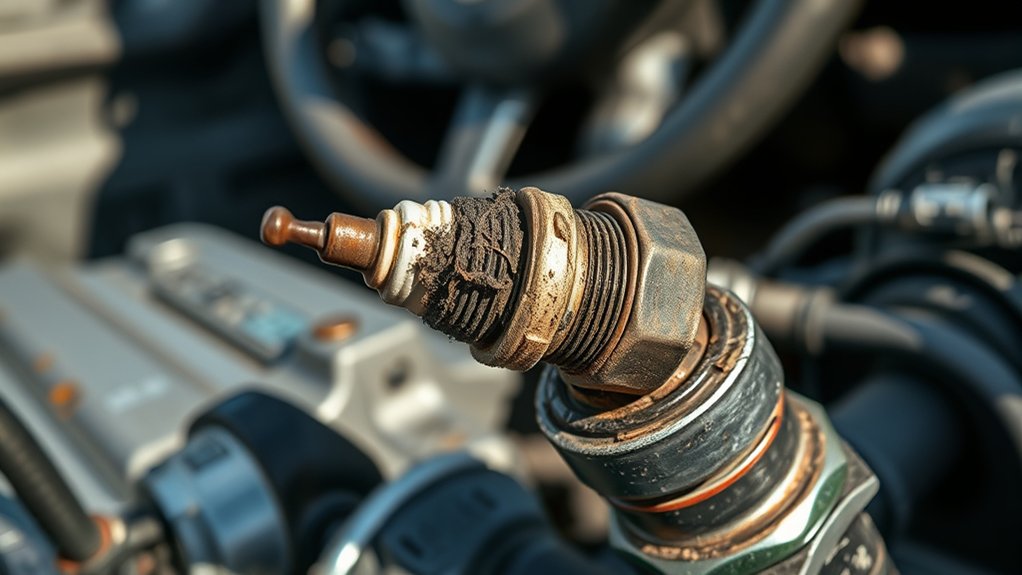
Driving with a bad spark plug causes engine misfires, which makes the engine run rough and reduces overall performance. When your spark plug isn’t working properly, the engine struggles to ignite the fuel mixture evenly, leading to misfires.
You’ll notice rough idling, where the engine feels uneven or shaky, and acceleration becomes sluggish. These misfires also lower fuel efficiency because the engine isn’t burning fuel properly.
As a result, you use more gas and produce higher levels of pollutants. Continuing to drive with faulty spark plugs can cause more damage to internal parts and the catalytic converter.
To avoid bigger problems, keep an eye on how your engine behaves, drive gently, and get those spark plugs checked and replaced quickly. This helps prevent costly repairs and keeps your car running smoothly.
Signs Your Spark Plugs Are Failing While Driving
If your spark plugs are failing, you might notice several warning signs while behind the wheel. One common sign is engine misfires, which can cause hesitation or jerking during acceleration.
You may also experience a rough idle or feel unusual vibrations, indicating worn or fouled spark plugs. Difficulty starting your vehicle or increased crank times are additional clues that something’s wrong.
You might also see a noticeable drop in fuel efficiency, meaning you’re refueling more often than usual. Keep an eye on the check engine light, as it can flicker or stay on when misfires occur due to faulty spark plugs.
Recognizing these signs early can help you address the issue before it leads to more serious engine problems.
Why Continuing to Drive With a Faulty Spark Plug Is Risky
Continuing to drive with a faulty spark can seriously affect your vehicle’s safety and performance. A bad spark causes engine misfires, which can lead to unpredictable power loss and hesitation, making driving more dangerous.
Incomplete combustion from a faulty spark plug can also damage important engine parts like the catalytic converter, leading to expensive repairs. Ignoring these issues might cause your engine to stall suddenly, leaving you stranded and increasing safety risks, especially on busy roads or highways.
Rough idling and poor response make controlling your vehicle harder, raising the chances of accidents. Overall, driving with a defective spark plug puts your safety at risk, risks costly damage, and makes your car less reliable.
Getting spark plug issues checked and fixed quickly is key to staying safe and keeping your car running smoothly.
How to Know When to Stop Driving and Fix Your Spark Plugs
Recognizing the signs that indicate it’s time to stop driving and address your spark plugs can prevent further damage and keep you safe on the road.
If your engine misfires, hesitates, or idles roughly, it’s a clear sign to stop driving and check your spark plugs. A persistent check engine light related to ignition issues also signals it’s time to halt until you inspect and replace the faulty spark plugs.
Noticeable drops in fuel efficiency or difficulty starting your vehicle are additional warning signs. If you feel unusual vibrations, engine stumbles, or experience power loss, it’s safest to stop and avoid further driving until repairs are made.
Continuing to drive with worn or broken spark plugs risks more severe engine damage, so act promptly.
Tips to Drive Safely if You Suspect Spark Plug Problems
If you think your spark plugs might be causing problems, try to drive more gently and keep your speed steady around 50 MPH. This helps reduce the stress on your engine.
Pay close attention to how your car responds while you’re driving. Avoid sudden starts or stops, as these can cause misfires.
Monitoring how your engine behaves is important. It keeps you safe until you can get your car checked out by a mechanic.
Drive Gently and Smoothly
Ever wondered how to keep yourself safe when your car’s spark plugs might be acting up? The key is to drive gently and smoothly. Avoid sudden throttle inputs that can strain the engine and make misfires worse.
Try to keep a steady, moderate speed—around 50 MPH—to reduce the risk of abrupt engine stumbles and prevent further damage. When climbing hills or towing, use lower gears gently to lessen the load on your ignition system.
Keep a safe following distance so you can respond if your engine performance drops unexpectedly. Also, watch your engine temperature closely and pull over if you notice overheating or unusual vibrations.
Driving smoothly helps prevent sudden misfires and keeps your engine running safely while you work on fixing those spark plugs.
Monitor Engine Behavior
When you suspect your spark plugs might be causing engine issues, closely monitoring your vehicle’s behavior is crucial. Watch for signs like:
- Engine misfires, rough idling, or vibrations, which can point to spark plug problems.
- The temperature gauge—see if it rises unexpectedly, signaling overheating from misfiring or incomplete combustion.
- Warning lights on your dashboard, especially the check engine light, which often indicates ignition system issues.
If you notice any of these, ease off the accelerator and keep your driving steady. Maintain gentle acceleration to reduce engine strain and prevent further damage.
Keep a safe distance from other vehicles, as sluggish response or misfiring can affect your ability to stop safely. Regularly monitoring these signs helps you drive safely even when your spark plugs are acting up.
Monitoring Your Engine: When to Seek Immediate Repairs
Keep a close eye on your engine temperature gauge and watch for signs like misfires, rough idling, or sudden power loss.
If any of these happen, it’s time to stop and get your vehicle checked immediately.
Ignoring these warning signs can lead to more severe damage and costly repairs.
Recognize Warning Signs Early
Monitoring your engine’s performance is key to catching bad spark plugs early. Recognizing warning signs can help prevent further damage and keep you safe on the road. Keep an eye out for these important signals:
- Misfires, rough idling, or hesitation during acceleration can point to spark plug issues affecting your engine’s performance.
- A sudden drop in fuel efficiency or the check engine light often indicates spark plug problems that need quick attention.
- Unusual vibrations or engine stalls while driving are signs you should inspect your spark plugs immediately.
Paying attention to these warning signs helps you make safer driving choices. Detecting spark plug issues early allows for timely repairs, preventing more serious engine damage and keeping your vehicle running smoothly.
Monitor Temperature and Gauges
Paying attention to your engine’s temperature and dashboard gauges is crucial once you notice signs of spark plug trouble. Regularly check the temperature gauge to catch early signs of engine overheating caused by misfiring spark plugs.
Stay alert for warning lights like the check engine light, which can signal ignition system issues. Unusual engine vibrations or sudden temperature fluctuations may also indicate engine stress.
Keep an eye on these gauges during your drive to ensure the engine stays within safe operating temperature ranges. If the temperature gauge rises abnormally or warning lights activate, pull over immediately and seek professional repairs.
Ignoring these signs can lead to serious engine damage, so proactive monitoring is key for safe driving with bad spark plugs.
Know When to Stop
Since engine problems can escalate quickly, it’s important to know when to stop driving immediately.
First, if your check engine light flashes or stays on, it’s a clear sign to stop and get a professional inspection.
Second, watch for engine misfires, sputtering, or rough idling. These issues can cause more damage if you ignore them.
Third, keep an eye on your engine temperature gauge. Overheating often means severe misfires caused by bad spark plugs, and it needs urgent attention.
Also, if you suddenly lose power or have trouble accelerating, don’t ignore it.
Ignoring these signs can lead to bigger engine damage. When you notice any of these problems, stop driving and get repairs right away to avoid costly fixes later.
What to Do if Your Engine Misfires or Loses Power on the Road
If your engine starts misfiring or suddenly loses power while you’re driving, stay calm and take quick action. Ease off the accelerator and keep your speed steady and gentle to reduce strain on the engine.
Watch your vehicle’s temperature gauge closely—if it suddenly rises, it could mean your engine is overheating due to spark plug problems. Avoid sudden acceleration or braking, as these can make misfires worse or cause more damage.
If the misfires happen often or the power loss is severe, safely pull over to check your vehicle or wait until you can get repairs. Keep a safe distance from other cars to allow for unexpected engine responses and give yourself enough time to react if the engine stalls or loses power unexpectedly.
Drive carefully and stay alert to keep yourself safe on the road.
Why You Should Replace Your Spark Plugs Soon
Replacing your spark plugs on time keeps your engine running smoothly and efficiently. Ignoring worn or bad spark plugs can cause engine misfires, which may increase emissions and even cause damage.
Regular replacement helps keep your engine reliable and avoids costly repairs. Here’s why you should act soon:
- It restores peak engine performance and improves fuel economy, saving you money at the pump.
- It prevents engine misfires that lead to rough idling and hesitation.
- It maintains smooth acceleration and reliable starting, reducing the risk of breakdowns.
Prevent Future Spark Plug Problems With Regular Maintenance
Regular maintenance is key to preventing future spark plug problems and keeping your engine running smoothly.
By routinely inspecting and replacing spark plugs based on your vehicle’s recommended mileage, you can avoid misfires and performance issues.
Using high-quality, manufacturer-approved spark plugs helps maintain proper ignition and reduces fouling or wear.
Checking and tightening spark plug wires and coils as part of regular maintenance ensures reliable ignition and prevents electrical failures.
Scheduling professional tune-ups allows early detection of spark plug wear, giving you the chance to replace them before serious engine problems happen.
Keeping your engine clean and ensuring the right air-fuel mixture can extend spark plug life and boost overall engine performance.
Regular upkeep is essential for a smooth, efficient drive.
Frequently Asked Questions
How Long Can I Drive With Bad Spark Plugs?
You can usually drive 10 to 20 miles with bad spark plugs before risking serious engine damage.
If the plugs are really faulty, it’s best to avoid long trips, especially over 50 miles. This reduces the risk of misfires and engine problems.
Keep an eye out for signs like rough idling or misfiring. Replace the spark plugs as soon as you can to avoid costly repairs.
How Much Does It Cost to Replace Spark Plugs in a Nissan Sentra?
Replacing spark plugs in your Nissan Sentra costs between $100 and $200, including parts and labor. Curiously, regular spark plug replacements can save you hundreds by preventing engine damage.
You can do it yourself for under $50 if you’re handy, or pay more for professional service. Either way, investing in timely replacement keeps your car running smoothly and saves you money and stress in the long run.
Is It Bad to Drive a Car With Faulty Spark Plugs?
Driving with faulty spark plugs isn’t ideal because it can cause engine misfires, rough idling, and difficulty starting your car.
It also increases the risk of damaging other components, like the catalytic converter, and may lead to long-term engine problems.
While short drives might be manageable, you should avoid extended trips.
Getting your spark plugs checked and replaced promptly helps your vehicle run smoothly and prevents costly repairs down the line.
What Kills Spark Plugs Quickly?
Running your engine at high RPMs for long periods, using poor-quality or incorrect spark plugs, and neglecting regular maintenance quickly kill spark plugs.
Operating with a rich or lean air-fuel mixture causes fouling, while excessive carbon buildup from oil leaks accelerates wear. These factors put more stress on the plugs, leading to faster deterioration.
To extend their lifespan, avoid these conditions and stick to proper maintenance routines.
Conclusion
Driving with bad spark plugs is like steering a stormy sea. You might keep sailing, but the waves of misfire and engine trouble threaten to capsize your journey.
Stay vigilant, listen for warning signs, and act quickly to repair or replace your spark plugs. Regular maintenance helps keep your engine running smoothly.
It turns rough waters into a calm voyage. Don’t let neglected spark plugs steer you into trouble. Your car’s health depends on timely care.