When to Change Spark Plugs on a Honda Accord – How to Guide
Feeling frustrated with your Honda Accord’s performance? You’re not alone—many drivers struggle with rough idling, misfires, or poor fuel economy. These issues often come down to spark plugs that need replacing.
You should replace your Honda Accord’s spark plugs every 30,000 to 100,000 miles, depending on the type and driving conditions. Keep an eye out for signs like rough idling, misfires, sluggish acceleration, or decreased fuel economy.
Always check the owner’s manual for specific interval recommendations.
Using the right tools and proper installation guarantees longevity and performance. If you want to learn step-by-step replacement tips, just continue exploring for detailed guidance.
Key Takeaways
- Replace iridium or platinum spark plugs every 100,000 miles. For copper plugs, check them around 50,000 miles.
- Keep an eye out for signs like misfires, rough idling, decreased fuel economy, or difficulty starting. If you notice any of these, it’s a good idea to check your spark plugs.
- Regularly inspect your spark plugs for electrode wear, deposits, cracks, or discoloration. Doing this helps catch any issues early before they cause bigger problems.
- When installing new plugs, use a torque wrench to ensure they are properly tightened. Make sure the gaps are correct for your vehicle.
- Always follow the manufacturer’s guidelines and consult your owner’s manual for specific replacement intervals. This way, you keep your Honda Accord running smoothly.
When Should You Replace Spark Plugs in Your Honda Accord?
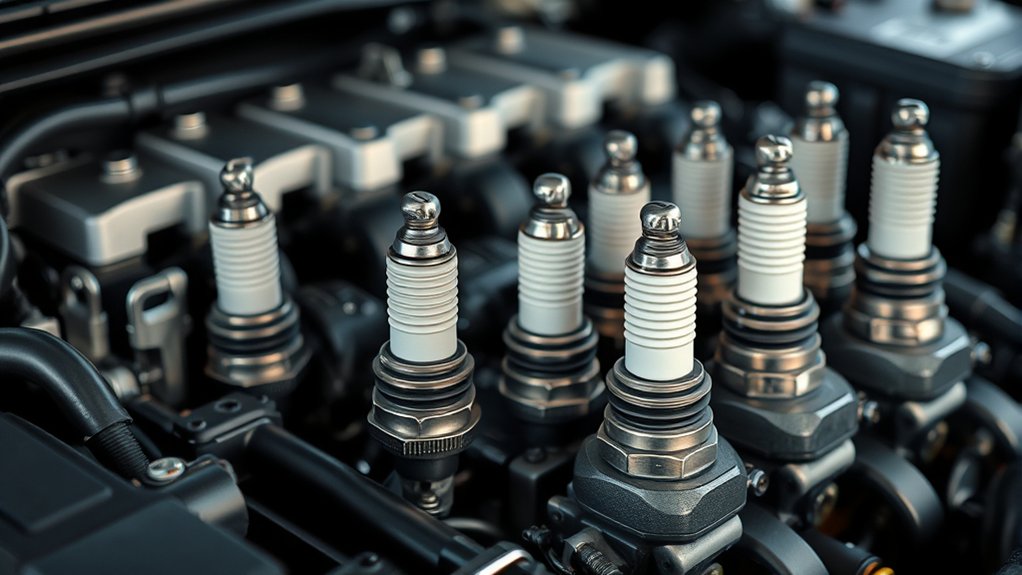
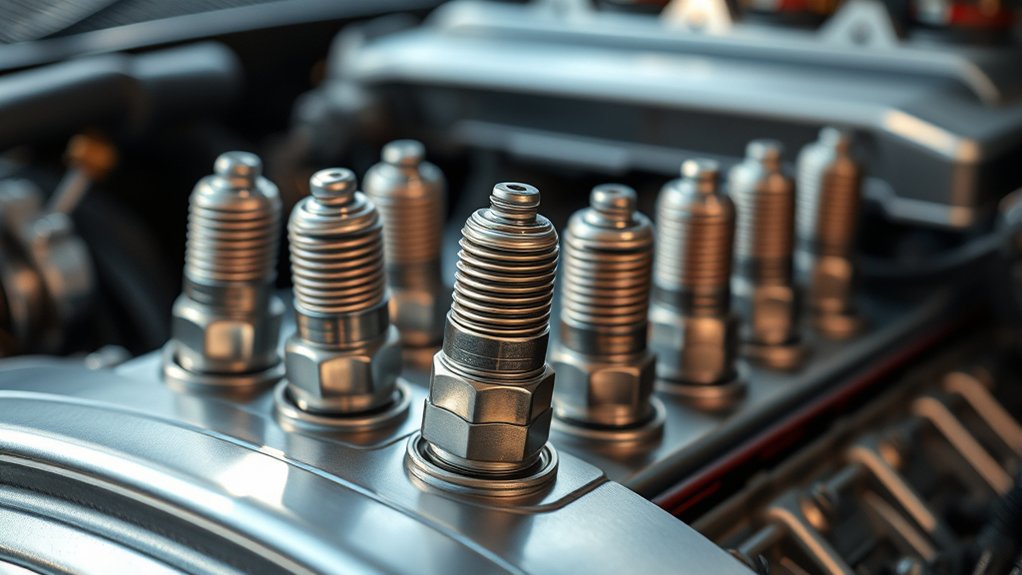
Knowing when to replace your Honda Accord’s spark plugs is key to keeping your engine running smoothly. Usually, you should change them every 100,000 miles if they’re iridium or platinum. But if you have copper plugs, it’s a good idea to check them around 50,000 miles.
Worn spark plugs often show signs like deposits, recession, or damage when you inspect them. If your engine starts misfiring, idles roughly, or uses less fuel, it’s time to check those spark plugs.
Ignoring these signs or waiting too long to replace them can lead to worse engine problems or internal damage. Your owner’s manual is a good guide, but regular inspections help you catch issues early.
Performing timely checks and replacements keeps your Honda Accord running at its best.
Signs Your Spark Plugs Are Worn Out
If your engine is misfiring or idling roughly, your spark plugs might be worn out. You might also notice decreased fuel economy or difficulty starting the engine.
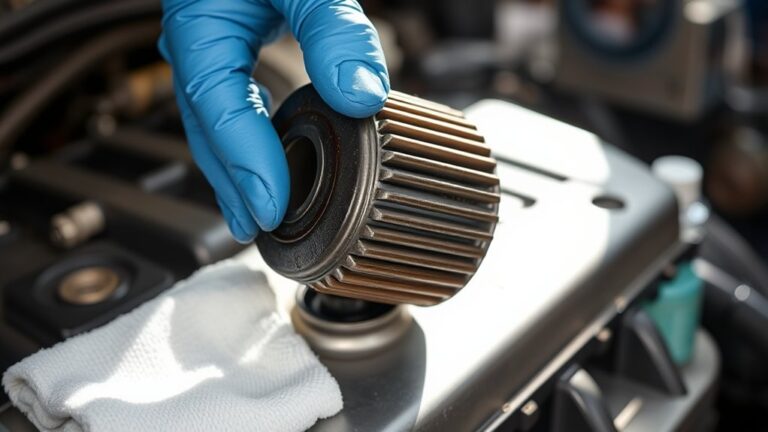
Visual signs like eroded electrodes or buildup are clear indicators that it’s time to replace them. Keep an eye out for these to keep your engine running smoothly.
Engine Performance Issues
Worn-out spark plugs can really impact your Honda Accord’s engine performance, and you’ll notice some clear signs. When spark plugs start failing, you might feel rough idling, engine misfires, or hesitation during acceleration.
These problems happen because the spark plugs aren’t igniting the fuel-air mixture properly, which makes the engine run inefficiently. You may also see a drop in fuel efficiency since the engine struggles to run smoothly.
Other clues include extended cranking times or difficulty starting your car. If your engine sounds rough or misfires at low speeds, it’s a sign that the spark plugs aren’t firing correctly. Replacing them can bring back your engine’s peak performance.
- Rough idling or misfires
- Hesitation during acceleration
- Decreased fuel efficiency
- Difficult engine starts
Visual Wear Indicators
Signs of spark plug wear aren’t always hidden under the hood—you can often spot them just by a quick visual check.
Look for signs like eroded electrodes, which might look rounded or flattened and can reduce spark efficiency.
Check for deposits such as carbon or oil fouling; these make the spark plugs look black and sooty.
Cracked or chipped ceramic insulators are clear signs that the plugs are damaged and need replacing.
Discoloration, especially white or blistered areas on the metal parts, suggests overheating and worn-out plugs.
Excessive electrode gap or recession also indicates significant wear, which can cause misfires.
Regular visual checks help catch these issues early, keeping your spark plugs in good shape for optimal engine performance.
Fuel Efficiency Drop
Have you noticed a sudden dip in your Honda Accord’s fuel efficiency? Worn spark plugs can cause this, sometimes reducing your mileage by up to 30%. You might also experience engine misfires, rough idling, or hesitation during acceleration—these are signs that your spark plugs aren’t firing properly.
Deposits or recession on the spark plugs disrupt spark generation, forcing your engine to burn more fuel to compensate. Ignoring these signs often leads the engine to run richer fuel mixtures, which further decreases efficiency.
To keep your Honda running smoothly and save money on fuel, replace your spark plugs at the first sign of performance decline. Staying attentive to these signs guarantees your fuel efficiency remains at its best and your engine performs reliably.
Tools and Parts Needed for Replacing Spark Plugs
Replacing spark plugs on your Honda Accord requires a specific set of tools and parts to do the job correctly and efficiently. You’ll need a spark plug socket, usually 5/8-inch or 13/16-inch, along with an extension and ratchet to remove and install the spark plug properly.
A torque wrench is essential to tighten the spark plug to the manufacturer’s specified torque, which is typically around 13-15 ft-lb. Use a gap gauge to measure and adjust the electrode gap of your replacement spark, making sure it matches Honda’s recommended specs—often about 0.044 inches.
Choose high-quality replacement spark plugs, like OEM NGK Iridium, for better durability and peak performance. Applying a small amount of anti-seize lubricant to the threads of your new spark plugs can make future removal easier.
How to Remove Old Spark Plugs From Your Honda Accord
Before removing the old spark plugs, gather your tools and disconnect the negative terminal of the battery for safety.
Carefully remove the spark plug wires or ignition coils using a spark plug socket and ratchet, taking care not to damage anything.
Then, loosen and unscrew the old plugs with a 14mm thin wall socket. Be sure to inspect them for signs of wear or fouling.
Gather Necessary Tools
To safely remove your Honda Accord’s old spark plugs, start by gathering the right tools. Having the proper tools makes the process smoother and safer.
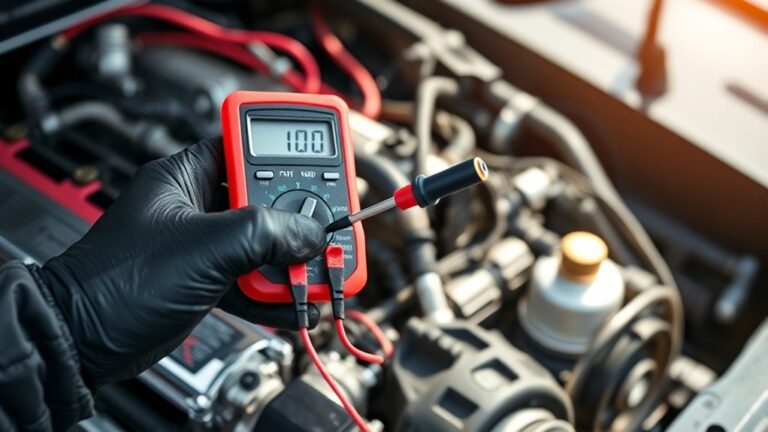
You’ll need a 14mm thin wall spark plug socket, a ratchet, an extension, and possibly a torque wrench for installation. Using the correct tools helps prevent damaging the threads or breaking the plugs.
Make sure the engine is cool before you begin to avoid burns. Carefully disconnect the ignition wires or coils, but avoid pulling on the wires directly.
When removing the spark plugs, turn the socket counterclockwise with steady, gentle force. After removing them, inspect the plugs for wear or fouling, which can help you decide if they need cleaning or replacing.
Proper tools are essential for a successful spark plug change, so gather everything you need before you start.
Disconnect Spark Plug Wires
When removing spark plug wires from your Honda Accord, it’s important to handle them carefully to prevent damage. Gently grasp the boot, not the wire itself, and pull straight off without twisting.
Always make sure the engine is cool to avoid burns and protect fragile ignition components. If needed, use a spark plug wire removal tool or pliers, but avoid pulling on the wire directly.
Label or mark each wire to match its position for correct reinstallation, especially if wires look similar. Inspect the wires for cracks, corrosion, or burns, which can signal the need for replacement along with the spark plugs.
Remove and Inspect Plugs
Careful removal of your Honda Accord’s spark plugs is key to avoiding damage and making sure they’re in good shape. Always start by confirming the engine is cool so you don’t get burned or damage the threads.
Use a 14mm thin wall spark plug socket with a ratchet and extension to gently loosen and remove each plug. Turn counterclockwise with steady pressure to avoid damaging the ceramic insulator.
Gently pull the wires or ignition coils away from the plugs without yanking. Once the plugs are out, inspect each one for signs of wear, fouling, or damage to determine if they need replacing.
Proper removal and inspection help keep your engine running smoothly and efficiently. Regular checks ensure your spark plugs are in good condition and working properly.
Installing New Spark Plugs Correctly for Long-Lasting Performance
Installing new spark plugs correctly is key to keeping your Honda Accord running smoothly and performing at its best. Before you start, make sure the engine is completely cool to avoid any damage and to ensure the spark plugs seat properly.
Properly installing spark plugs keeps your Honda Accord running smoothly and extends their lifespan.
Use a torque wrench to tighten the spark plugs to the manufacturer’s recommended torque, usually around 13-15 ft-lb. This helps prevent over-tightening or under-tightening, which can cause issues down the line.
A small amount of anti-seize lubricant on the threads makes future removal easier and helps prevent thread damage. Carefully reconnect the ignition wires or coils, making sure they’re securely attached to avoid misfiring.
Before installing, double-check the spark plug gap with a gap gauge. For a Honda Accord, the gap is typically between 0.044 and 0.060 inches. Proper installation ensures your engine performs well and the spark plugs last longer.
Tips to Extend Spark Plug Life Between Replacements
To get the most out of your Honda Accord’s spark plugs, regular inspection and maintenance are key. Check your spark plugs often for any deposits or signs of wear, and clean or replace them when needed to help them last longer.
Make sure to keep the spark plug gaps set correctly according to the manufacturer’s specs. This helps prevent early wear and keeps your engine running smoothly and efficiently.
Using high-quality spark plugs, like OEM NGK Iridium, can make a big difference. Some of these can last up to 100,000 miles, saving you money and hassle in the long run.
Also, keep your engine’s air filter clean and ensure the fuel system is free of contaminants. This reduces stress on the spark plugs and helps them last longer.
Finally, stick to a regular maintenance schedule and address any early signs of misfiring or rough idling quickly. Doing so can prevent unnecessary replacements and keep your engine running well.
Common Problems During Spark Plug Replacement and How to Fix Them
Replacing spark plugs on your Honda Accord can sometimes lead to common issues if you don’t take the right precautions. One major problem is cross-threading during removal, which can damage the cylinder head and lead to costly repairs. To avoid this, always hand-thread the plug carefully and use the correct torque.
Worn or damaged spark plug boots might crack or break when you’re taking them out. This can cause poor electrical contact if not replaced properly. Excessive force when removing stuck plugs can strip the threads, so it’s best to be gentle and consider thread repair inserts or re-tapping if needed.
Over-tightening new plugs can crack them or damage the threads. Make sure to apply the proper torque to avoid this. Also, remember to disconnect the battery beforehand to prevent electrical shorts during the process.
Why Choose Honda Universe for Spark Plug Service
Choosing the right service provider can make all the difference in ensuring your Honda Accord’s spark plugs perform their best. Honda Universe stands out because of its team of expert, certified technicians trained specifically in Honda maintenance, including spark plug replacement.
Expert Honda technicians ensure optimal spark plug performance for your Accord’s best reliability.
They use genuine OEM parts, which guarantee a perfect fit, peak function, and longer-lasting performance for your spark plugs. Plus, their convenient location at coordinates 40.0844487, -74.1735865 makes scheduling service quick and easy.
Honda Universe also offers routine service specials that help reduce costs, making quality maintenance affordable. They provide thorough diagnostics and preventive maintenance advice to keep your Honda running smoothly and reliably.
Trust Honda Universe for professional, genuine parts-driven service tailored to your Honda Accord’s needs.
Final Tips and Summary for Maintaining Your Spark Plugs
Regularly maintaining your spark plugs is key to keeping your Honda Accord running smoothly and efficiently. Check and replace them every 30,000 to 100,000 miles, depending on the type.
Using the right tools, like a torque wrench and spark plug socket, during installation helps prevent damage and ensures they’re seated properly. Keep an eye out for signs of wear like misfires, rough idling, or lower fuel economy—that’s a sign it’s time to replace them.
Also, regularly check the spark plug gap and clean off any deposits. Doing this can help extend their lifespan. Following your manufacturer’s guidelines and doing routine inspections can save you from costly engine problems.
Staying on top of spark plug maintenance keeps your Honda performing at its best and helps maintain reliability over time.
Frequently Asked Questions
When Should I Change My Spark Plugs on My Honda Accord?
You should change your Honda Accord’s spark plugs every 100,000 miles if they’re iridium or platinum, or around 30,000 miles for copper ones.
Keep an eye out for signs like engine misfiring, rough idling, or poor fuel economy. These are clues it’s time for a replacement.
Regular inspections help catch wear early, so don’t skip them.
Using the right tools and following proper installation techniques can extend their life and keep your engine running smoothly.
What Kills Spark Plugs Quickly?
You kill spark plugs quickly by using the wrong type or heat range, which causes them to wear out fast. Neglecting regular maintenance like oil changes and air filter replacements can lead to fouling.
Poor fuel quality or running a rich fuel mixture causes carbon buildup on the plug. This insulates it and can lead to misfires.
Over-tightening during installation can crack the insulator, damaging the plug. Also, faulty ignition coils or wiring increase stress on the plugs, speeding up their wear.
What Is the Weakness of the Honda Accord?
The Honda Accord’s main weakness lies in its transmission reliability, especially in models from 2003 to 2007. During these years, you might notice issues like excessive oil consumption and engine misfires.
You could also encounter electrical system problems, such as faulty alternators or sensor malfunctions. Additionally, suspension wear in certain years can affect ride comfort.
Being aware of these weaknesses helps you stay proactive with maintenance and potentially avoid costly repairs down the line.
How Often Should I Change My Spark Plugs on My Honda Accord?
You should change your spark plugs every 30,000 miles if they’re copper, or up to 100,000 miles for iridium or platinum ones.
Keep an eye out for signs like rough idling or poor fuel economy, which might mean you need replacements sooner.
Regular inspections and following your owner’s manual can help keep your engine running smoothly.
Don’t wait too long; changing your spark plugs on time improves performance and helps prevent costly engine problems.
Conclusion
Now that you know the signs and steps to replace your spark plugs, imagine hitting the road with confidence, your engine running smoothly.
But don’t get complacent. Those tiny spark plugs play a huge role in your car’s performance.
Keep an eye on them, follow the maintenance tips, and stay ahead of trouble.
Because when your spark plugs are in top shape, every drive feels just a bit more exhilarating. Ready for whatever journey comes next.