7 Steps to Make Your Tonneau Cover Shine
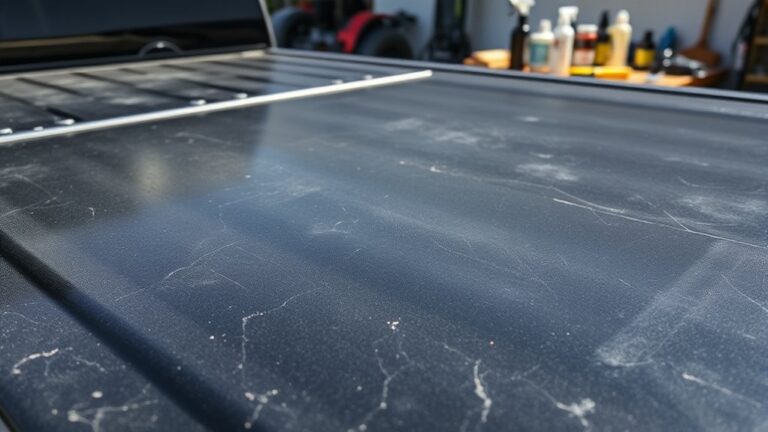
Many truck owners want their tonneau covers to look sleek and new, but keeping that shine can be a challenge. You’re not alone—lots of people struggle with dull, faded covers that don’t stand out anymore.
To make your tonneau cover shine, start by rinsing it thoroughly to remove loose dirt. Then clean the surface with a mild, pH-neutral cleaner using a soft cloth or sponge. Dry it completely to prevent water spots, and apply a restorer or conditioner to bring back its luster.
Protect with a UV spray to prevent fading. Regular inspections and maintenance keep your cover looking great and lasting longer. Keep going for more tips on maintaining your cover’s best look.
Key Takeaways
- Thoroughly clean the cover with mild soap and water to remove dirt and grime.
- Make sure to reach all the corners and edges so everything gets a good clean.
Dry the surface completely with a microfiber towel to prevent water spots.
It’s important to get rid of all the moisture for the best results.
Apply a vinyl or fabric restorer evenly for a glossy, refreshed appearance.
Just spread it out smoothly across the entire surface.
Use a UV protectant spray to shield the cover from sun damage and fading.
This helps keep your cover looking new for longer.
Regularly inspect for damage and maintain a clean, protected surface for long-lasting shine.
A little upkeep goes a long way in keeping your tonneau cover in top shape.
How to Prepare Your Tonneau Cover for Cleaning
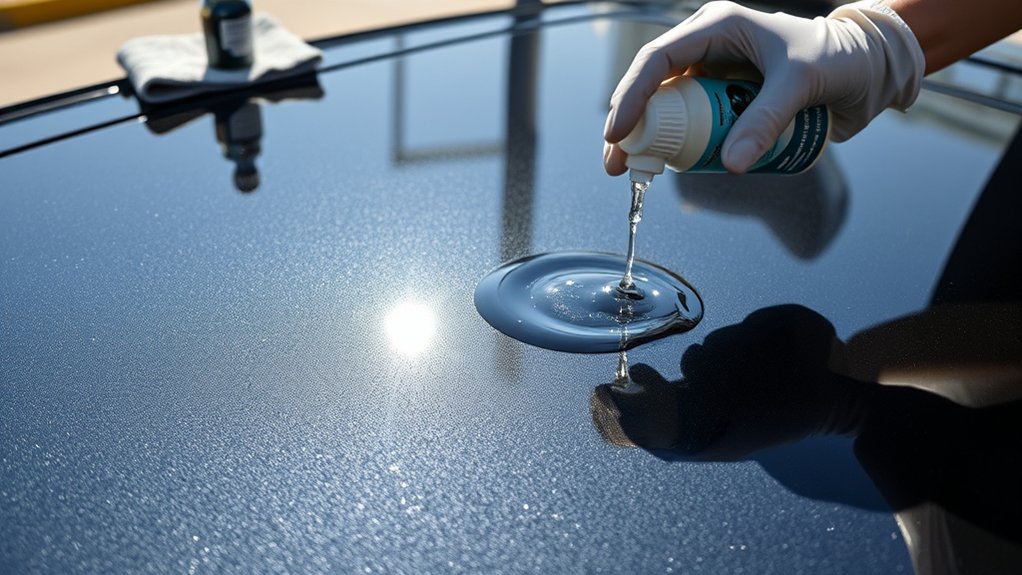
Are you ready to get your tonneau cover spotless? First, you need to prepare it for cleaning. Start by rinsing the cover thoroughly with water to wash away loose dirt and debris. This simple step helps prevent scratches during cleaning.
Next, move your vehicle out of direct sunlight and into the shade. This keeps the surface cooler and stops cleaning products from drying too quickly, which can cause streaks.
Check the weather forecast too—make sure no rain is expected so your cleaning efforts aren’t washed away.
When it’s time to clean, grab a soft cloth or sponge and use a mild soap, like a diluted pH-neutral cleaner. This gentle approach helps protect your tonneau cover’s material while making it ready for a thorough cleaning.
Rinse and Remove Loose Dirt and Debris
Start by rinsing your tonneau cover with a gentle stream of water to remove loose dirt and debris. Focus on the edges and crevices first, then move to the main surface.
Be careful not to use high-pressure water, as it can cause damage. This step helps ensure all surface particles are washed away before cleaning.
Use Gentle Rinsing Technique
Before applying any cleaning products, it’s important to give your tonneau cover a thorough rinse with clean water. This helps remove loose dirt, dust, and debris.
Use a gentle spray nozzle on your hose to avoid damaging delicate materials like vinyl or canvas. Focus the water on all areas, including seams and edges.
Make sure to wash away all surface particles. Avoid high-pressure settings, as they can cause tears or dislodge seals on soft covers.
Ensure the entire surface is wet and free of loose debris before moving to the next step. This gentle rinsing protects your cover while prepping it for a deep clean.
A good rinse results in a cleaner, shinier finish and helps maintain the cover’s condition.
Remove Surface Dirt Carefully
Begin by rinsing your tonneau cover thoroughly with a gentle stream of water. Make sure you remove loose dirt, dust, and debris without forcing particles into seams or scratching delicate surfaces.
Use a light rinse to wash away surface dirt, preventing it from settling into crevices or causing scratches. For stubborn debris, gently sweep or wipe with a soft microfiber towel or brush, lifting dirt without damaging the material.
Always rinse from top to bottom, carrying away grime and preventing it from re-settling on cleaned areas. Once the surface is free of loose debris, dry it with a microfiber towel or let it air dry in the shade.
This careful approach ensures your tonneau cover stays clean and ready for the next step to shine.
Avoid High-Pressure Water
Using a gentle stream of water from your hose is the best way to rinse off loose dirt and debris without risking damage to your tonneau cover. High-pressure water can dislodge seams, seals, or cause surface scratches. Keep the water pressure below 1,500 PSI and focus on rinsing from a safe distance to prevent forceful impact.
This approach helps lift surface contaminants without damaging soft materials or penetrating seams. Always remove loose dirt first to reduce abrasive scrubbing later, which could scratch the surface. Rinsing thoroughly with a gentle stream ensures debris is lifted, making cleaning more effective and reducing the risk of scratches or damage.
Clean the Cover Surface With Suitable Products
Wondering how to effectively clean your tonneau cover without causing damage? Start by rinsing the surface thoroughly with water to remove loose dirt and debris.
Use a mild soap or a dedicated vinyl or fabric cleaner to avoid harsh chemicals that could harm the material. Apply the cleaning solution with a soft cloth or sponge, working in gentle circular motions to lift dirt without scratching the surface.
Use a gentle cleaner and soft cloth to clean your tonneau cover without scratching or damaging it.
For stubborn grime or stains, let the cleaner sit for a few minutes before wiping. Be careful to avoid excessive scrubbing, which can damage the vinyl.
After cleaning, make sure you remove all soap residues, then dry the cover completely with a microfiber towel or let it air dry in the shade. Proper cleaning preserves your cover’s appearance and longevity.
Dry the Cover Completely to Prevent Damage
Make sure you remove all excess water from the cover using a microfiber towel or by air drying in the shade. This helps prevent mold, mildew, and water spots that can cause damage over time.
Confirm the cover is completely dry, especially around seams and seals, before moving on to the next step.
Remove Excess Water
Have you ever noticed water spots or streaks after washing your tonneau cover? To prevent this, it’s important to remove excess water quickly.
Use a clean microfiber towel to dry the cover thoroughly, making sure to get all the moisture out, including seams and edges.
This helps prevent water spots and streaks that can dull the finish. For tricky or heavily creased areas, a blow dryer on low heat can speed things up.
Check folds or pockets where pooled water might hide. Avoid air-drying in direct sunlight, which can cause fading or weaken the material.
Removing excess water carefully keeps your tonneau cover looking shiny and in top condition.
Use Microfiber Towels
Using microfiber towels to dry your tonneau cover is key to preventing damage and keeping it shiny. These towels are super absorbent, so they help you quickly remove moisture without scratching the surface.
Gently pat and wipe the cover with a clean, dry microfiber towel. Avoid rubbing too hard, which could cause wear or scratches. Make sure the cover is completely dry before applying any protectant or conditioner.
This helps prevent trapped moisture that could lead to damage over time. Regularly washing or replacing your microfiber towels keeps them effective and free of dirt that might scratch the surface during drying.
Air Dry in Shade
Wondering how to prevent water spots and damage after cleaning your tonneau cover? The key is to air dry it in a shaded area. This helps avoid water spots and streaks caused by direct sunlight.
Make sure the cover is completely dry before applying any protectants or sealants—trapped moisture can lead to mold or mildew.
Air drying in the shade also helps preserve the material’s integrity by avoiding heat and UV exposure that can cause cracking or fading.
Use a clean microfiber towel to gently pat away excess water. This speeds up the process without scratching the surface.
Apply a Restorer or Conditioner to Bring Back Shine
To effectively restore your tonneau cover’s shine, start by selecting a high-quality vinyl tonneau restorer specifically designed for your material.
Make sure the cover is thoroughly cleaned and dry before applying the restorer to promote proper adhesion and absorption.
Ensure the cover is clean and dry for optimal restorer application and absorption.
Spray or apply the conditioner evenly in small sections, using a soft cloth or sponge, and work in circular motions for a uniform finish.
This process helps bring back the original lustrous look and adds a protective layer.
Allow the restorer to dry completely according to the product instructions before exposing the cover to sunlight or moisture.
To keep that shine, reapply the conditioner every 2-3 months.
This also helps shield your cover from UV damage and cracking over time.
Protect Your Cover With UV Spray to Prevent Fading
Have you ever noticed how quickly a tonneau cover can fade or lose its vibrant color when exposed to sunlight? Using a UV protectant spray is essential for preventing fade, especially for vinyl or fabric covers.
These sprays create a protective barrier that absorbs or reflects UV rays, reducing sun damage and keeping your cover’s color looking fresh. For the best results, spray evenly on a clean, dry surface, making sure to cover all areas.
Reapplying every few months keeps the protection strong and helps maintain the cover’s appearance over time. Routine use of UV spray not only prevents fading but also extends your tonneau cover’s lifespan, keeping it looking vibrant despite prolonged sun exposure.
How to Spot Damage and Keep Your Cover in Top Shape
Regular inspections are essential to keep your tonneau cover in top condition. Catching issues early can prevent costly repairs down the line.
During your inspection, look for damage like tears, cracks, or discoloration that indicate wear. Check the seals and weatherstripping to guarantee they remain intact, preventing leaks.
Examine hinges, tracks, and mechanical parts for rust, looseness, or shifting. Tighten or replace hardware as needed. Fading or chalking on vinyl or fabric surfaces signals the need for cleaning or protective treatments.
Regular maintenance of these components helps maintain the cover’s fit and security. Staying vigilant with inspections allows you to address minor issues before they escalate.
This keeps your tonneau cover durable, waterproof, and looking sharp.
Frequently Asked Questions
What Can I Put on My Tonneau Cover to Make It Shine?
You can use a high-quality vinyl or plastic protectant like 303 Aerospace Protectant to make your tonneau cover shine.
Apply it with a soft cloth or sponge in circular motions, making sure to cover the entire surface evenly.
Reapply every 2-3 months to keep the gloss up and prevent fading or cracking.
Just avoid harsh chemicals or waxes that aren’t meant for your cover’s material, and be sure to clean thoroughly before applying for the best results.
How to Make a Tonneau Cover Look New Again?
Did you know regular cleaning can extend your tonneau cover’s lifespan by up to 30%? To make it look new again, start by giving it a thorough wash with soap and water using a soft cloth.
Next, apply a vinyl or fabric restorer, then buff it out with a microfiber towel. Reapply UV protectant spray every few months to keep it protected.
Regular inspections for scratches and quick touch-ups will also help keep your cover looking fresh and like new.
Can I Ceramic Coat My Tonneau Cover?
Yes, you can ceramic coat your tonneau cover. Just make sure you thoroughly clean and decontaminate the surface first, removing any dirt, grease, or contaminants. Use a coating formulated for the material, whether it’s hard like fiberglass or soft like vinyl.
Proper surface prep guarantees good bonding and shine. Keep up with regular maintenance and reapplications to maintain the protective, glossy finish over time.
Can You Wax a Tonneau Cover?
Yes, you can wax a tonneau cover, but make sure to pick a wax that’s suitable for its material, like vinyl or fiberglass.
First, give the cover a thorough clean. Once it’s dry, apply the wax in thin, even layers using a soft cloth or foam applicator. Just follow the product instructions.
Waxing every few months helps protect against UV rays, dirt, and fading. It also keeps your cover shiny and looking good.
Conclusion
Think of your tonneau cover as the crown of your truck. When it shines, everything looks regal. I once saw a truck owner turn a dull cover into a gleaming masterpiece, like a knight polishing his armor.
With these simple steps, you can keep your cover looking new and protected from the elements. Just a little effort now guarantees your truck stands proud and shines bright on every journey.
Your truck’s true beauty is just a few steps away, especially when your tonneau cover is shining like new.