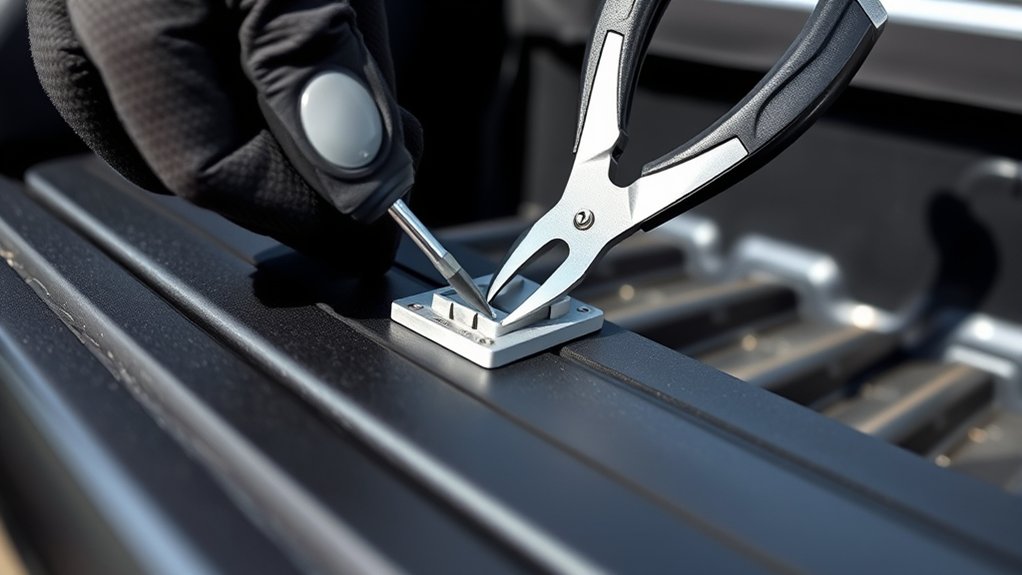
How to Remove Tonneau Cover Clips in 7 Easy Steps
Removing tonneau cover clips can be a real hassle, especially if you’re not sure how to do it without damaging your truck. Many people struggle with figuring out the right tools and techniques, which can make the job feel frustrating. But don’t worry—you’re not alone, and with a little guidance, you’ll be able to remove those clips easily and safely.
To remove tonneau cover clips in 7 easy steps, start by gathering your tools like a flathead screwdriver, needle-nose pliers, and a small container. Protect your paint with painter’s tape, and make sure your workspace is clean.
Gently pry the clips with a screwdriver or pry tool, applying lubricant if needed for stubborn ones. Carefully remove and inspect each clip before storing them securely.
For more tips on proper reinstallation and maintenance, keep going to learn all the details.
Key Takeaways
- Gather the necessary tools, like a flathead screwdriver, needle-nose pliers, and some WD-40 or another lubricant.
- Before you start, protect your truck’s paint by applying painter’s tape around the clips. This way, you won’t accidentally scratch the surface.
- Gently pry the edges of the clips using the screwdriver or a plastic pry tool. Be careful and apply just enough force so you don’t damage anything.
- If you come across stubborn or rusted clips, spray some lubricant on them. Wait a few minutes to let it loosen things up.
- Once the clips are loosened, carefully remove each one. Store them somewhere safe, and check for any damage before putting them back on later.
Why You Might Need to Remove Your Tonneau Cover Clips
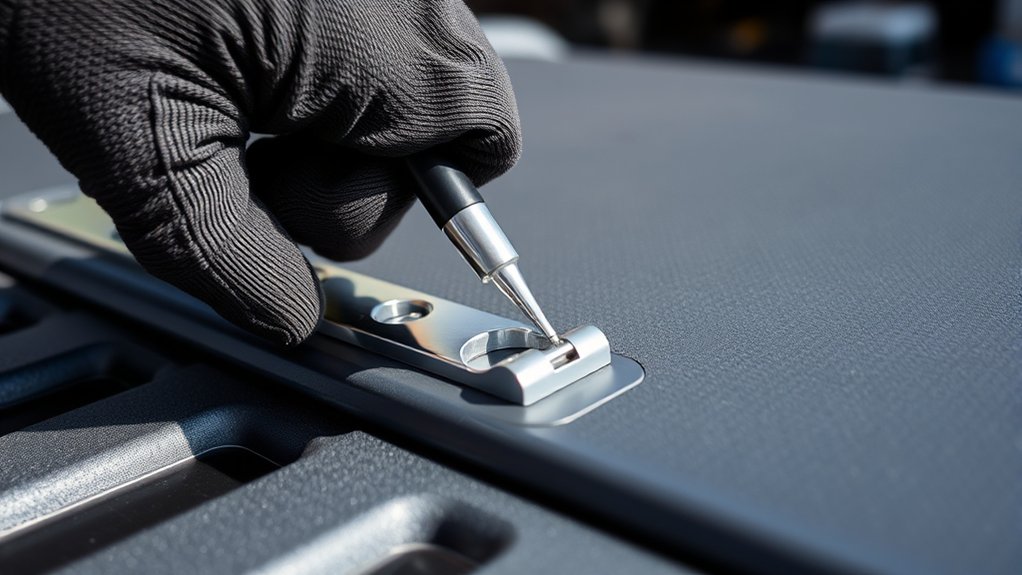
Wondering why you might need to remove your tonneau cover clips? You may need to do this when replacing or repairing damaged clips to keep your cover secure.
If you’re doing bed maintenance like cleaning or inspecting for rust and debris, removing the clips is essential. Upgrading to new clips or switching to different mounting hardware also calls for careful removal of the old ones.
And if you want to take off the entire tonneau cover for cleaning, storage, or replacement, removing the clips is a necessary step. Doing this properly helps prevent damage to your truck bed and keeps the cover’s attachment system working smoothly.
Knowing when and how to remove tonneau cover clips will help keep your truck bed in top shape.
Gather the Right Tools and Prepare Your Workspace
Before you start removing tonneau cover clips, it’s important to gather the right tools and set up a well-prepared workspace. Essential tools include a flathead screwdriver, needle-nose pliers, and a small container to organize the clips as you remove them.
Gather the right tools and prepare a clean, well-lit workspace for safe tonneau cover clip removal.
Use painter’s tape around clip areas to protect the truck’s paint surface from scratches. Make sure your workspace is well-lit, maybe with a flashlight, so you can clearly see all clips and attachment points.
Clear the truck bed or tailgate area of debris and dirt to create a clean, safe environment for working. Wearing gloves will give you a better grip and protect your hands from sharp edges or rusted clips.
Proper preparation helps make the removal process smoother and safer.
Step-by-Step: How to Remove Tonneau Cover Clips Safely
Are you ready to start removing your tonneau cover clips safely? Begin with clip removal by gently prying under each clip’s edge using a flathead screwdriver or trim removal tool.
Apply minimal force to prevent damage to your truck bed surface. To protect the paint, place painter’s tape around the clips before starting.
If a clip proves stubborn, spray a penetrating lubricant like WD-40 and work slowly around it to loosen. Carefully work around each clip, removing them one at a time to avoid breaking or bending the hardware.
Immediately store the clips in a small container or zip-lock bag to prevent losing any pieces. Take your time with each clip to ensure a smooth, damage-free removal process, keeping your truck bed intact.
Dealing With Stubborn Clips Without Damage
When clips resist removal, using gentle prying techniques is key to avoiding damage.
Apply a penetrating lubricant like WD-40 to loosen rusted or stuck clips before prying.
Work slowly and carefully, and consider using needle-nose pliers if you need extra control.
Gentle Prying Techniques
To remove stubborn tonneau cover clips without causing damage, start by gently prying them loose. Using gentle prying techniques helps prevent cracks or bends in the clips or surrounding surfaces.
Begin by choosing a plastic pry tool or wrapping a flathead screwdriver in painter’s tape to avoid scratches. Carefully insert the tool under the clip’s edge, working slowly and steadily.
Applying a small amount of penetrating lubricant like WD-40 around the clip base can loosen rust and reduce resistance. Remember to maintain even pressure and avoid sudden movements.
If needed, pry from multiple sides to distribute force evenly. These careful steps ensure the clips come out without damage, making the removal process smooth and safe.
Using Lubricants Effectively
Applying a penetrating lubricant like WD-40 is a great way to loosen stubborn tonneau cover clips that resist removal because of rust or debris. Spray the lubricant around the clip’s base and wait a few minutes to let it weaken corrosion or grime.
Use a small brush or cloth to spread the lubricant evenly, removing surface rust or dirt before you try to remove the clips. This helps reduce resistance and prevents damage.
Remember, don’t use too much lubricant because it can make the clips slippery and hard to grip. To visualize, consider this table:
| Step | Action | Result |
|---|---|---|
| 1 | Spray lubricant | Loosens rust and dirt |
| 2 | Wait a few minutes | Allows penetration |
| 3 | Wipe surface | Removes excess lubricant |
Using lubricants wisely ensures easy removal without damaging the clips.
Inspect, Replace, or Choose Alternative Clips
Before replacing clips, check for signs of damage like cracks, rust, or weakened springs.
Make sure new or alternative clips match the original’s size, shape, and material for a secure fit.
Using incompatible or damaged clips can lead to leaks or loose coverage, so choose and install replacements carefully.
Clip Compatibility Checks
Ever wondered how to guarantee your tonneau cover stays securely attached? It all starts with proper clip compatibility checks.
First, inspect your existing clips for cracks, rust, or weakened springs. These signals mean you need replacement clips.
When choosing new clips, make sure they match the original in size, shape, and material for a secure fit.
If the original clips aren’t available, pick alternative clips that are compatible in dimensions and locking mechanism to avoid damage.
Always check manufacturer guidelines or trusted auto parts stores to verify your clips’ compatibility with your truck model.
Before fully securing the tonneau cover, test the fit of any alternative clips. This helps ensure proper fastening and prevents damage.
Following this careful process will help you avoid improper fastening or damage and keep your cover secure.
Signs of Clip Damage
Regularly inspecting your tonneau cover clips is important because damaged or worn clips can weaken the security and seal of your cover. Look for signs like cracks, rust, or broken springs, which mean the clip’s integrity is compromised.
Damage can cause clips to lose their grip, leading to cover slippage or leaks. If you notice any of these issues, replace the damaged clips quickly to keep everything fitting properly and protected.
Avoid reusing clips that show signs of damage, as they might fail under stress. Always choose replacement clips that match the original’s size, shape, and material for a secure and effective connection.
Using manufacturer-recommended or trusted aftermarket clips helps ensure durability and proper function, giving you peace of mind on the road.
Using Suitable Replacement Clips
When replacing tonneau cover clips, it’s important to make sure the new ones match the original in size, shape, and material. This helps ensure a secure fit and prevents any damage.
Before removing old clips, inspect them for cracks, rust, or wear. Some clips might be reusable, which can save you both time and money.
When choosing replacement clips, stick to manufacturer-recommended or trusted auto parts to make sure they’re compatible.
Always test-fit new or replacement clips before fully securing them. This way, you can confirm they hold firmly without causing any damage.
Keep spare compatible clips nearby for quick replacements later, making future maintenance easier.
Using the right replacement clips helps keep your tonneau cover and truck bed in good shape. Proper matching and fitment are key to a long-lasting, successful repair.
How to Store Removed Clips Properly
To prevent losing or mixing up your clips, immediately place them in a small container or zip-lock bag when you remove them. This way, you keep track of each clip and avoid misplacing them.
Store clips promptly in a container to prevent loss and mix-ups.
Label the storage container with the clip type or position to make reinstallation easier later. Store your clips in a designated toolbox or drawer, keeping them organized and easy to find when needed.
Be sure to keep the clips away from moisture and extreme temperatures, which can cause rust and deterioration over time. Regularly check your stored clips and replenish your supply if needed so you’re always ready for future maintenance.
Proper storage helps maintain the clips’ condition and makes reinstalling your tonneau cover smoother and more efficient.
Final Tips for Reinstalling and Maintaining Your Cover
Before reinstalling your tonneau cover, make sure all clips are clean and free of debris. This helps ensure a secure fit and proper attachment.
Proper reinstallation depends on aligning each clip correctly with its attachment point. Double-check the alignment before snapping clips into place.
Use the right tools, like pliers or a clip removal tool, to snap clips firmly into position. This prevents damage and guarantees a tight fit.
Regularly inspect the clips for cracks, rust, or signs of wear. Replace any damaged clips promptly to keep your cover secure.
Storing spare clips in a safe container makes it easy to replace them during future maintenance. Keep them handy for quick fixes.
Cleaning clips thoroughly before reinstalling prevents debris buildup and ensures they seat properly. Take a moment to do this each time.
Replacing damaged clips promptly and keeping spare clips ready helps maintain the security and longevity of your cover.
Frequently Asked Questions
How to Take Tonneau Cover Rails Off?
To take the tonneau cover rails off, start by finding all the clips holding them in place.
Gently pry each clip using a flathead screwdriver or trim removal tool. Apply steady pressure so you don’t bend the rails.
Work slowly around the entire rail, removing all the clips first.
Once all clips are out, lift the rail away carefully.
Keep the clips safe if you plan to use them again or get replacements later.
Take your time to avoid any damage during the process.
How to Use Clip on Tonneau Cover?
To use a clip on your tonneau cover, start by lining it up with the attachment point on the truck bed or cover frame.
Press the clip firmly until you hear it click or snap into place, making sure it’s secure.
If needed, loosen or tighten any levers or knobs before you lock it in.
Finally, gently pull on the clip to test that it’s properly engaged and won’t come loose during use.
Can I Go Through a Car Wash With a Tonneau Cover on My Truck?
You can go through a car wash with your tonneau cover on, but it’s best to check the manufacturer’s guidelines first. Soft and retractable covers often hold up well in automatic washes, but rigid ones might need to come off to avoid damage.
To stay safe, secure or remove your cover before entering the wash. Regularly check that it’s secure, so nothing gets dislodged during the process. If you’re unsure, it’s a good idea to consult the manufacturer’s instructions.
Following these tips can help prevent scratches or other issues while keeping your truck and cover in good shape.
How Do Tonneau Cover Clamps Go On?
Think of installing tonneau cover clamps like securing a treasure chest lid. You slide the clamp onto the bed rail, making sure the groove lines up with the edge.
Then, press or tighten the lever, screw, or quick-release mechanism to lock it firmly in place. Make sure it’s snug and well-positioned so your cover stays secure.
With these simple steps, you’ll keep your cargo safe and your cover fitted just right.
Conclusion
Removing your tonneau cover clips might seem intimidating, but with patience and the right tools, you can do it yourself. Think of it as gently peeling back a delicate petal—careful steps help prevent damage and keep everything in top shape.
Once you’ve finished, you’ll feel a real sense of accomplishment, knowing you’ve taken control of your truck bed’s maintenance. Keep this guide handy; your truck’s well-being is worth every little effort.
By following these steps, you’ll have those clips off in no time. It’s easier than you think when you go slow and stay patient.