How Long Do Fuel Pumps Last and How to Maintain Them
Many drivers worry about their car’s performance and unexpected breakdowns, and one common concern is the lifespan of fuel pumps. You’re not alone—fuel pumps can be tricky to keep in top shape, but with a few simple steps, you can extend their life and avoid costly repairs.
Fuel pumps generally last between 80,000 and 150,000 miles, but their lifespan depends on how well you maintain your vehicle. To extend their life, keep the fuel tank at least a quarter full, use high-quality fuel, and avoid running low often.
Regularly replace your fuel filter, watch for signs of trouble, and schedule check-ups. If you want to uncover more ways to keep your fuel pump performing its best, keep exploring!
Key Takeaways
– Fuel pumps usually last between 80,000 and 150,000 miles if you take good care of them.
Regularly replacing your fuel filter can help prevent dirt and debris from clogging your system. This simple step can really extend the life of your fuel pump.
It’s also a good idea to keep your fuel tank at least a quarter full. Running on low fuel often can cause the pump to overheat and lead to sediment buildup.
Try not to run on empty too often, and practice smooth driving habits. Gentle acceleration and deceleration put less stress on your fuel system.
Keep an eye out for signs like hesitation when you accelerate or strange whining noises. These can be early clues that your fuel pump might be acting up.
What Is a Fuel Pump and How Does It Work?
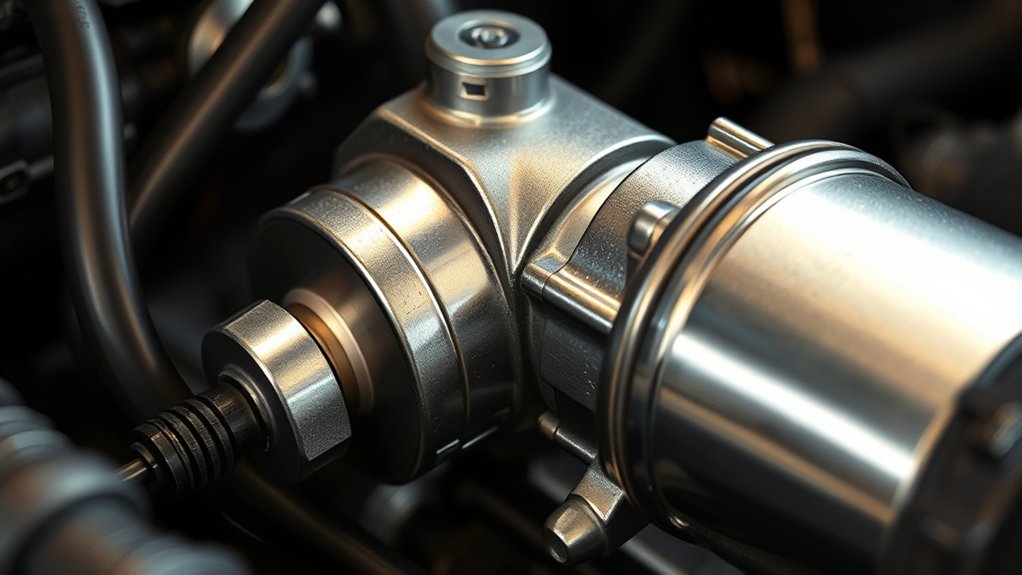
A fuel pump is a crucial part of your vehicle that moves fuel from the tank to the engine at the right pressure for combustion.
Most modern cars use electric fuel pumps, which are mounted inside the fuel tank to ensure smooth and efficient fuel flow.
Modern vehicles typically feature electric fuel pumps housed inside the fuel tank for optimal flow.
These pumps create positive pressure in the fuel lines, which a fuel pressure regulator then controls to keep engine performance optimal.
An electric fuel pump works with an electric motor that drives a rotor or diaphragm, pushing fuel through the system seamlessly.
Keeping your fuel pump in good shape is essential for steady fuel flow and pressure.
When it works properly, your engine runs smoothly and efficiently.
But if the fuel pump fails, fuel flow drops, causing performance issues or even stalling.
How Long Do Fuel Pumps Usually Last?
Most fuel pumps last between 100,000 and 150,000 miles, but some can go beyond that with proper care.
Your driving habits, fuel quality, and weather conditions all play a role in how long they last.
Recognizing signs of failure early can help you prevent costly repairs and extend their lifespan.
Typical Lifespan Range
Fuel pumps usually last between 80,000 and 150,000 miles, depending on your driving habits and conditions. On average, your fuel pump’s lifespan is about 100,000 miles, but this can vary based on vehicle type and maintenance.
Extreme weather, poor fuel quality, and rough terrains can shorten its life, while regular upkeep can help it last longer. Proper maintenance like changing filters and keeping the tank at least a quarter full helps protect the fuel pump from early failure.
Imagine your fuel pump working smoothly during long road trips, tough terrains, or harsh weather. Neglecting maintenance, contamination, or manufacturing issues can cause it to fail prematurely, even before reaching 80,000 miles.
Staying proactive with care ensures your fuel pump lasts longer and keeps your vehicle running reliably.
Factors Influencing Durability
Several factors directly impact how long your fuel pump lasts and influence its durability over time. Your fuel pump’s lifespan mostly depends on driving conditions and how well you maintain it.
Extreme weather or rough terrain can speed up wear and tear, making the pump wear out faster. Poor fuel quality and contaminated fuel also contribute to quicker degradation and earlier failure.
Regular maintenance, like changing fuel filters and cleaning the system, helps reduce these issues and can extend the pump’s life. Plus, high mileage—especially over 100,000 miles—increases the risk of failure due to natural wear.
Signs of Failure
Knowing the signs that your fuel pump might be failing can help you catch issues early before they lead to complete breakdowns. Common signs of wear include engine sputtering, difficulty starting, and a whining noise from the tank.
You might notice your vehicle stalls unexpectedly or loses power during acceleration, especially under high demand. Overheating or engine overheating can also signal a problem with the fuel pump.
Pay attention to these symptoms to prevent costly repairs. Regular checks and fuel pressure tests can identify problems before failure occurs.
Keep an ear out for a persistent whining noise, which is often a clear indicator of a failing pump. Recognizing these signs early allows you to address issues promptly and extend your fuel pump’s lifespan.
What Factors Affect Your Fuel Pump’s Lifespan?
Various factors can significantly influence how long your fuel pump lasts. Your vehicle’s maintenance routine and driving conditions play a big role in its lifespan.
Driving in stop-and-go traffic, on rough terrain, or in extreme weather can speed up wear and tear, making your pump wear out faster. Using low-quality or contaminated fuel also raises the chance of an early failure.
Neglecting to change the fuel filter or clean out the tank can cause blockages that put extra stress on the pump. Additionally, driving with a low fuel level often causes the pump to overheat, which accelerates deterioration.
Different makes and models have unique fuel pump designs and durability, which can affect how long they last. By understanding these factors, you can better protect your fuel pump and extend its service life with proper care and mindful driving habits.
How Do I Know When My Fuel Pump Is Failing?
If your engine starts making unusual whining or humming noises, it could be a sign of a failing fuel pump.
You might also notice difficulty starting your car, stalling unexpectedly, or a sudden loss of power during acceleration.
Keep an eye on these symptoms and don’t ignore the check engine light, which often appears alongside these issues.
Unusual Engine Noises
Unusual engine noises are often the first sign that your fuel pump may be failing. You might notice a persistent whining noise or humming from the fuel tank, especially when the engine runs. This high-pitched whining is a common indicator of fuel pump failure.
Furthermore, engine sputtering, hesitation, or backfires can signal that the pump isn’t delivering fuel properly. If the noise continues even at idle, it’s a red flag. You might also experience sudden changes in engine sound during acceleration, hinting at an impending issue.
Keep an ear out for:
- A loud, continuous whining noise from the tank
- Engine sputtering or hesitation during acceleration
- Unusual engine sounds that persist or worsen over time
These noises often point to a struggling fuel pump that needs attention.
Starting and Stalling Issues
Persistent engine starting troubles and unexpected stalls often point to a failing fuel pump. You might notice difficulty starting your engine or frequent stalling, especially during acceleration or after idling. Early signs include whining noises from the tank or inconsistent performance.
If your vehicle stalls unexpectedly or struggles to restart after a short drive, your fuel pump could be at fault. Look out for these signs to catch the issue early and prevent more serious damage.
| Symptom | Cause | Action |
|---|---|---|
| Engine stalling | Poor fuel delivery | Check fuel pump functionality |
| Starting issues | Insufficient fuel pressure | Have it tested and replaced if needed |
| Surging at highway speeds | Inconsistent fuel flow | Inspect fuel pump and filter |
Stay alert to these signs so you can address the problem before it gets worse.
Power Loss Symptoms
Power loss is a clear sign that your fuel pump might be failing, especially if your vehicle struggles to maintain steady power during acceleration or under load.
You might notice a dip in performance, making hills or heavy loads harder to handle. Engine hesitation or sputtering during acceleration often points to a failing fuel pump that’s struggling to supply consistent fuel.
Unusual noises like whining or humming from the fuel tank can also be warning signs. If your engine stalls or has trouble starting, it’s probably due to inadequate fuel delivery.
Keep an eye out for these symptoms to catch problems early. Recognizing power loss symptoms can prevent more serious damage and help keep your vehicle running smoothly.
Common signs include sputtering or hesitation during acceleration, reduced power when climbing hills or pulling loads, and strange whining or humming noises from the fuel tank.
How Can I Maintain My Fuel Pump for Better Durability?
Maintaining your fuel pump’s health is essential for reliable engine performance, and simple steps can make a big difference. Keep your fuel tank at least a quarter full to prevent the pump from overheating and to ensure proper lubrication.
Regularly replacing the fuel filter is important to block debris that can damage the pump and slow fuel flow. Use high-quality, clean fuel from reputable stations to reduce contamination and extend your fuel pump’s lifespan.
Avoid running on very low fuel levels often, as sediment can clog the pump and fuel lines, causing issues. Also, schedule regular professional inspections to catch early signs of wear and tear.
These simple practices help prolong your fuel pump’s durability and keep your vehicle running smoothly.
When Should I Repair or Replace My Fuel Pump?
You should consider repairing or replacing your fuel pump if you notice engine sputtering, trouble starting, or a sudden loss of power.
Diagnostic tests can confirm if the pump is failing and needs attention. Addressing these signs promptly can prevent more serious engine damage and costly repairs.
Recognizing Warning Signs
Recognizing when your fuel pump is failing is essential to avoid unexpected breakdowns. If you notice warning signs, it’s time to inspect or consider replacing the fuel pump.
Common indicators include engine sputtering, hesitation, and difficulty starting, usually between 80,000 and 120,000 miles. You might also hear unusual whining noises from the fuel tank or experience sudden power loss during acceleration.
More serious symptoms like engine overheating, stalling, or surging at highway speeds need immediate attention. A check engine light related to fuel delivery should prompt a professional diagnostic.
Timing for Repairs
When warning signs like engine sputtering, difficulty starting, or sudden power loss appear, it’s time to consider repairs or replacing your fuel pump. These symptoms suggest your fuel pump might not be working right and should be checked out quickly.
Instead of waiting for a complete breakdown, think about proactive maintenance—like diagnostic testing to measure fuel pressure—that can catch issues early. If testing shows the fuel pump isn’t delivering proper pressure, it’s best to replace it fast to prevent more engine damage.
Since how long a fuel pump lasts depends on your driving habits and maintenance, don’t delay repairs when these signs show up. Addressing them promptly will keep your vehicle reliable and save you money on costly repairs later.
When to Replace
Fuel pumps should be replaced when they show clear signs of failure, like engine sputtering, trouble starting, or sudden loss of power. These signs suggest your fuel pump might be failing and needs attention.
Most manufacturers recommend replacing the fuel pump only after it has physically failed or diagnostic tests show it’s failing. Common symptoms include engine hesitation, loss of power, or strange noises from the fuel tank.
Regular diagnostics help catch these signs early. You might notice an unusual whining or humming from the fuel tank, difficulty maintaining engine RPM, or sudden engine stalling during acceleration.
Recognizing these signs ensures you replace your fuel pump before it completely fails, helping you avoid breakdowns and costly repairs.
How Much Does Fuel Pump Replacement Cost?
Replacing a fuel pump typically costs between $1,000 and $1,300, which covers both parts and labor. The exact cost depends on your vehicle’s make, model, and whether the pump is inside or outside the fuel tank.
Replacing a fuel pump costs around $1,000 to $1,300, varying by vehicle make and pump location.
Luxury or high-end vehicles often have higher costs, sometimes exceeding $2,000, because of more complex access and pricier parts. Since replacing a fuel pump involves removing the fuel tank, labor costs can be significant.
To avoid these expenses, regular maintenance and timely diagnosis of symptoms are essential. Proper upkeep helps prevent complete pump failure, saving you money in the long run.
Being aware of the fuel pump replacement cost helps you plan effectively and highlights the importance of maintenance to keep your vehicle running smoothly.
Can My Driving Habits Damage My Fuel Pump?
Your driving habits can really affect how long your fuel pump lasts.
For example, running on low fuel all the time can cause the pump to overheat and wear out faster.
Short trips also prevent the fuel pump from reaching its ideal temperature, increasing the chance of early failure.
Aggressive driving, like rapid acceleration or going at high speeds, puts extra stress on the pump parts and speeds up deterioration.
Using contaminated or low-quality fuel can clog the filter and strain the pump, shortening its lifespan.
To keep your fuel pump in good shape, avoid these habits.
Maintain smooth driving, keep your fuel tank at a healthy level, and use quality fuel.
Doing so can help extend your fuel pump’s life and prevent costly repairs down the line.
How to Test Your Fuel Pump for Problems
Wondering how to tell if your fuel pump is acting up? Start by testing it with a fuel pressure gauge.
Connect the gauge to the fuel rail and turn on the ignition. Then, compare the pressure reading to your vehicle’s manufacturer specs.
Connect the fuel pressure gauge, turn on ignition, and compare readings to manufacturer specifications.
Listen for a steady humming noise from the fuel tank. That usually means the pump is working properly.
Pay attention to signs like sputtering, hesitation, or difficulty starting. These can indicate fuel pump problems.
Do a visual inspection for damaged or disconnected fuel lines, and check for leaks around the pump area.
Finally, perform electrical tests on the fuel pump relay and wiring to make sure it’s getting proper power. These steps can help you catch issues early.
Top Tips to Extend Your Fuel Pump’s Life
Maintaining a healthy fuel pump involves simple but effective habits that can significantly extend its lifespan. Proper care helps prevent early wear and costly repairs.
Keep your fuel tank at least a quarter full to avoid overheating and ensure proper lubrication. Regularly replacing your fuel filter stops debris and contaminants from damaging the pump.
Using high-quality fuel from reputable stations reduces sediment buildup and impurities. Avoid running your vehicle on low fuel often, as this can cause sediment to clog the pump and shorten its life.
Scheduling routine maintenance inspections allows you to catch early signs of trouble before failure. Visualize your fuel pump staying cool and well-lubricated as you keep the tank adequately filled.
Imagine debris-free fuel flowing smoothly thanks to regular filter replacements. Picture your pump working efficiently, thanks to quality fuel and regular checkups.
Final Tips for Maintaining Your Fuel System
To keep your fuel system in top shape, regular inspections are key. They help catch small issues early before they turn into bigger problems.
Preventative maintenance also means changing the fuel filter regularly. This stops debris from damaging the fuel pump and keeps fuel flowing smoothly.
Make sure your fuel tank stays at least a quarter full. This helps cool and lubricate the pump, which can extend its life.
Always use high-quality, reputable fuel. It reduces contamination and helps minimize wear on your pump components.
Don’t forget to schedule routine vehicle inspections. They can spot signs of fuel system trouble, like whining noises or trouble starting.
Try to avoid frequent short trips and aggressive driving. These habits can cause your fuel pump to overheat and wear out sooner.
Frequently Asked Questions
What Is the Average Life Expectancy of a Fuel Pump?
The average life expectancy of your fuel pump is between 100,000 and 150,000 miles. You can help it last longer by avoiding rough terrains, not using low-quality fuel, and keeping up with regular maintenance like changing filters.
Pay attention to signs like engine sputtering or difficulty starting, and address issues promptly. Proper care and mindful driving habits will maximize your fuel pump’s lifespan and keep your vehicle running smoothly.
How Much Is a Fuel Pump for a 2005 Nissan Xterra?
If you’re wondering about the cost of a fuel pump for your 2005 Nissan Xterra, brace yourself. It’s usually between $300 and $600 for the part. Add in labor, and you’re looking at an extra $200 to $400.
How to Keep a Fuel Pump Healthy?
To keep your fuel pump healthy, you should keep your tank at least a quarter full to prevent overheating. Regularly replace the fuel filter to reduce debris, and use high-quality fuel to avoid contaminants.
Avoid running on low fuel often, as it strains the pump. Schedule routine inspections to catch issues early, and always follow your vehicle’s maintenance guidelines for peak performance and longevity of the fuel pump.
How Much Should It Cost to Replace a Fuel Pump?
Replacing a fuel pump usually costs between $1,000 and $1,300, including parts and labor. The price can vary based on your vehicle’s make, model, and where you live. Luxury cars tend to be more expensive.
Since accessing the pump involves working inside the fuel tank, labor can be complicated and costly. To save money, it’s best to choose OEM parts for better durability.
Keeping up with regular maintenance can help you avoid early failures and costly replacements down the line.
Conclusion
To keep your fuel pump running smoothly, stay alert for signs of trouble, perform regular checks, and practice good driving habits. Maintaining your fuel system, avoiding low fuel levels, and getting professional inspections when needed are all key.
By staying proactive, preventing issues, and caring for your vehicle’s heart, you’ll enjoy reliable performance and extend your fuel pump’s lifespan. This helps keep your engine running like new.
Protect your investment. Take care of your fuel pump and it will take care of you. Proper maintenance ensures your fuel pump lasts longer and keeps your vehicle running smoothly.