Do Spark Plugs Cause a Car Not to Start?
Are you frustrated because your car refuses to start, and you’re not sure why? Many drivers struggle with starting issues and wonder if something simple like spark plugs might be the culprit. You’re not alone—faulty or worn spark plugs are a common cause of starting problems.
Yes, faulty or worn spark plugs can prevent your car from starting because they may fail to produce the sparks needed to ignite the fuel-air mixture in the engine. If the plugs are fouled, damaged, or improperly gapped, they can weaken or eliminate sparks altogether, leading to no-start conditions.
Addressing spark plug issues often resolves starting problems, but other components could also be involved. Keep going to find out how to identify and fix these common issues.
Key Takeaways
- Faulty or worn spark plugs can prevent the engine from igniting, causing a no-start condition.
- Non-sparking or fouled spark plugs indicate ignition issues that hinder starting.
- Eroded or cracked spark plugs disrupt proper spark formation, leading to starting failures.
- Keeping spark plugs properly gapped and maintained helps ensure your engine starts reliably.
- Usually, spark plug problems can be fixed by replacing or maintaining them, which restores your car’s ability to start.
Can Faulty Spark Plugs Keep Your Car From Starting?
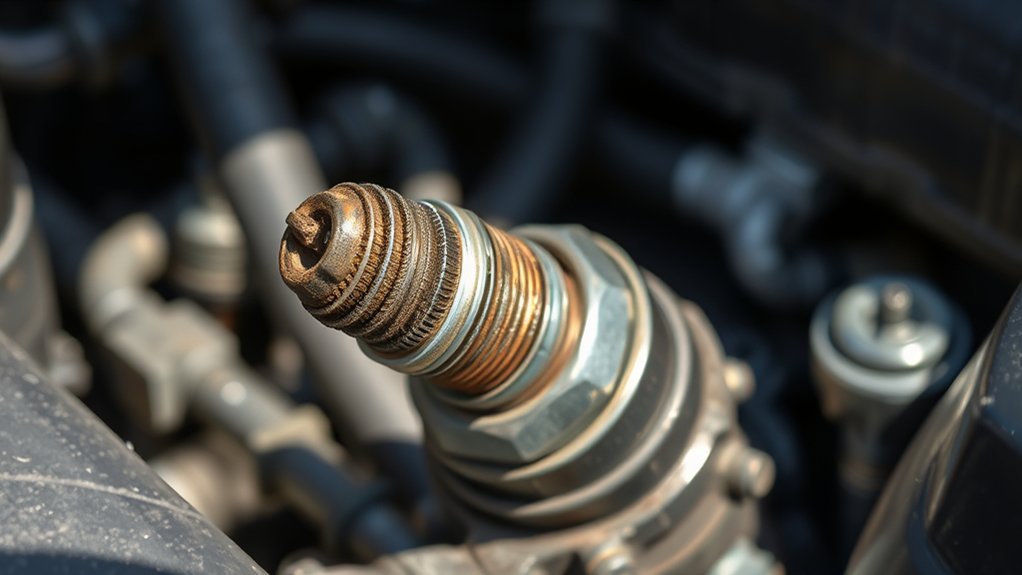
Faulty spark plugs can definitely stop your car from starting because they’re key for igniting the fuel-air mixture in the engine cylinders. When spark plugs are fouled or dirty, they create weak sparks that often aren’t enough to ignite the fuel properly.
Faulty spark plugs prevent the engine from starting by failing to ignite the fuel-air mixture effectively.
Fouled spark plugs, caused by carbon buildup or oil deposits, can make it hard for the engine to start smoothly. If the spark plugs are worn or damaged, they might not spark at all, leading to a no-start situation.
A dry, non-sparking spark plug signals a direct issue with ignition. Replacing faulty spark plugs, especially if they’re fouled or damaged, usually solves starting problems and gets the engine running again.
Without a strong spark, starting your engine can become really difficult or just impossible.
How Do Worn Spark Plugs Stop Your Engine From Starting?
Worn spark plugs can’t generate a strong enough spark to ignite the fuel mixture, making it hard for your engine to start. If the electrodes are eroded or fouled, the spark weakens or stops altogether, disrupting ignition.
Damaged insulators or incorrect gaps only make it worse, preventing proper spark formation and stopping your engine from firing up.
Weak Spark Generation
Have you ever wondered why your engine struggles to start? Worn spark plugs can cause a weak spark, making it hard to ignite the fuel-air mixture.
If your spark plugs are fouled or dirty, they won’t produce a consistent or strong enough spark, preventing combustion. Over time, the electrodes erode and the gap increases, reducing the spark energy.
A damaged or cracked insulator can also disrupt spark formation altogether. Plus, a worn spark plug can cause the ignition coil to struggle to generate enough ignition voltage.
This insufficient voltage means the spark won’t fire at the right time or with enough strength to start the engine. All these issues contribute to a no-start condition, so it’s essential to maintain and replace spark plugs when needed.
Electrode Wear and Damage
When spark plug electrodes become eroded or damaged, they can’t produce the strong, consistent spark needed to ignite the fuel-air mixture. Worn spark plugs with damaged electrodes reduce the spark’s strength, making it harder to start the engine.
Cracked insulators or broken electrodes can prevent the spark plug from firing altogether, leading to engine starting problems. Excessive electrode wear increases the spark gap, causing weak or inconsistent sparks that make ignition difficult.
Plus, carbon buildup or fouling on the electrodes insulates them, preventing proper sparking and making starting nearly impossible. Damaged or worn spark plugs often fail to produce the right spark at the right time, directly causing starting failures.
Keeping up with proper maintenance helps prevent these issues from stopping your engine from starting.
Signs That Spark Plug Problems Are Preventing Your Car From Starting
If your car refuses to start despite turning the key, faulty spark plugs might be the culprit. One clear sign is a dry, non-sparking spark plug, which prevents the engine from igniting.
Faulty spark plugs can prevent your engine from igniting and starting properly.
You might also notice fouled spark plugs covered in carbon or oil, making it harder for the spark to jump and causing starting issues. Pay attention to engine sounds—if it cranks but doesn’t catch, spark plug problems could be at play.
Visible cracks or erosion on the electrode or insulator point to damage that hampers spark production. Consistently poor or no spark, along with difficulty starting your vehicle, strongly suggests your spark plugs are causing the problem.
Addressing these signs early can help prevent further engine issues.
How to Diagnose Spark Plug Issues That Cause Starting Problems
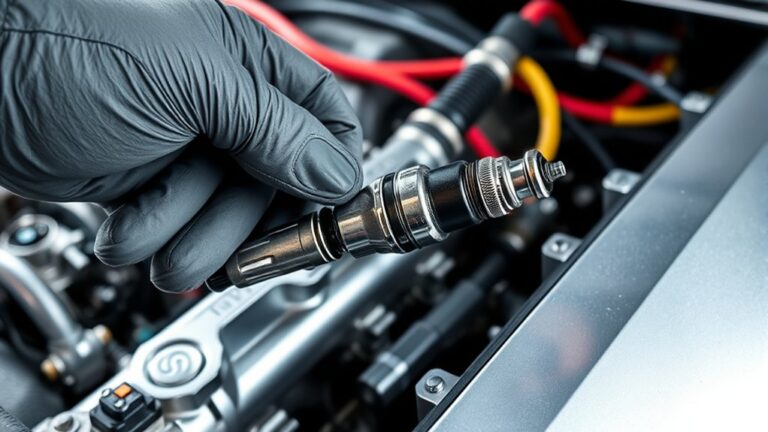
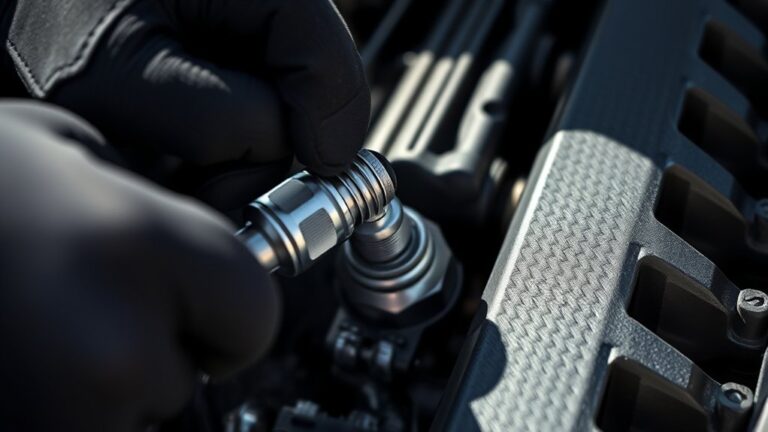
Identifying whether spark plug issues are causing starting problems involves a combination of visual checks and functional testing. First, take a look at your spark plugs for signs of damage, wear, or carbon buildup, which can prevent proper ignition.
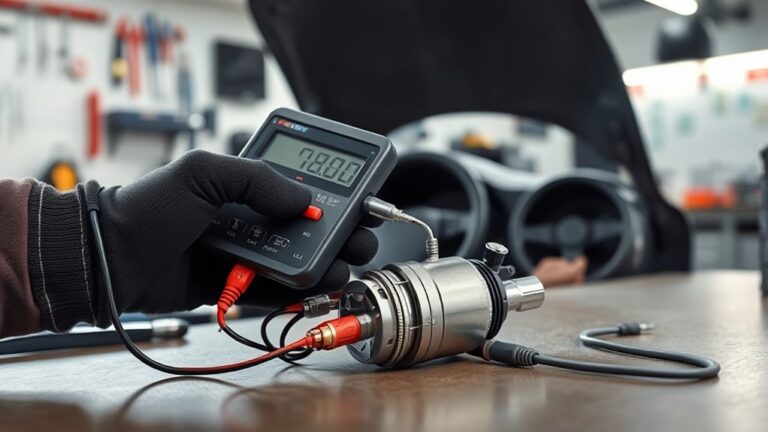
If they appear worn or fouled, it’s a good idea to replace them. To dig deeper, use a spark plug tester or multimeter to check for a strong spark and correct resistance.
A weak or no spark points to faulty plugs. Replacing damaged or old spark plugs often fixes no-start issues caused by ignition problems.
Also, don’t forget to inspect related parts like ignition coils and wiring to get an accurate diagnosis. Combining visual inspection with these tests helps you figure out if spark plugs are causing your starting trouble and guides you toward the right fix.
Other Vehicle Components That Can Prevent Your Car From Starting
Several key vehicle components, beyond the spark plugs, can prevent your car from starting. Faulty ignition coils might fail to produce a spark, stopping ignition even if your spark plugs are fine.
A dead or weak battery reduces the electrical power needed for ignition and fuel delivery, preventing the engine from turning over. Fuel injectors that are failing or clogged fuel filters can block proper fuel flow, making startup impossible despite a good spark.
Furthermore, malfunctioning crankshaft or camshaft sensors can disrupt engine timing signals, halting spark and fuel injection. Blown fuses in the ignition or fuel systems can cut off power to essential components.
Identifying issues with these parts is key to diagnosing why your car won’t start, aside from spark plug problems.
When Is the Right Time to Replace Your Spark Plugs?
You should consider replacing your spark plugs when you notice signs like difficulty starting or rough idling.
Check your owner’s manual for recommended replacement intervals, which usually range from 30,000 to 100,000 miles depending on the type.
Regular inspections can also reveal electrode wear or corrosion, indicating it’s time for a change.
Signs of Wear
Knowing when to replace your spark plugs is key to keeping your engine running smoothly. Worn or bad spark plugs can cause rough idling, making your engine run unevenly or even stall.
If you’re having trouble starting your car or notice your fuel efficiency dropping, these are signs you might need new plugs. Look for visual clues like electrode erosion, carbon buildup, or cracked insulators—these mean it’s time for a change.
Regular inspections during maintenance can catch these issues early. Using a spark plug gap tool to check the electrode gaps helps you see if your plugs are worn out and need replacing.
Addressing worn spark plugs quickly can prevent engine misfires and keep your vehicle performing at its best. Don’t ignore these signs—they’re important for reliable, peak performance.
Recommended Replacement Intervals
Understanding the recommended replacement intervals for spark plugs helps keep your engine running smoothly and efficiently. Typically, copper spark plugs need replacing every 30,000 miles, while platinum and iridium plugs can last up to 100,000 miles.
Staying within these intervals is essential for maintaining peak engine performance and fuel efficiency. Consider replacing spark plugs if you experience difficult starts or engine misfires, reduced fuel economy, rough idling or hesitation, or visible wear during routine inspections.
How Routine Maintenance Prevents Spark Plug-Related Starting Issues
Regular maintenance of spark plugs is essential for ensuring reliable engine starts and avoiding unexpected breakdowns. When you perform routine checks, you can catch potential starting issues early by inspecting spark plugs for carbon buildup, cracks, or erosion.
Replacing spark plugs at manufacturer-recommended intervals—like every 30,000 miles for copper or up to 100,000 miles for platinum or iridium—helps prevent fouling and electrode wear that can cause starting problems. Keeping the spark plug gaps correctly set and replacing worn plugs ensures a strong spark, which is vital for engine ignition.
Maintaining ignition components like coils and wiring also reduces ignition failure risks. Regularly scheduling these checks during vehicle service is a cost-effective way to prevent spark plug-related starting issues and keep your engine running smoothly.
Frequently Asked Questions
How to Tell if a Car Won’t Start Because of Spark Plugs?
You can tell if spark plugs are causing your car not to start by inspecting them for damage or heavy deposits. Use a spark tester to check for a strong spark. If the plugs are worn, cracked, or fouled with carbon, they probably prevent ignition.
Replacing them often improves starting performance, which confirms that faulty spark plugs were the issue. Regular inspection helps catch problems early before they cause more trouble.
How Long Do Spark Plugs Last in a Subaru Crosstrek?
Spark plugs in your Subaru Crosstrek can last anywhere from 30,000 miles if copper, up to 100,000 miles if platinum or iridium.
Regularly inspecting and replacing them between 30,000 and 60,000 miles helps keep your engine running smoothly. This can prevent issues like rough idling or a no-start situation.
Climate, driving habits, and fuel quality can all influence how long your spark plugs last, so stay attentive to performance cues to avoid surprises.
How Does a Car Act When It Needs New Spark Plugs?
When your car needs new spark plugs, you might notice it’s having trouble starting or takes longer to turn over. It could also misfire, leading to rough idling and hesitation when you accelerate.
You might see reduced fuel efficiency, less power, and uneven engine running. Sometimes, if the spark plugs are really worn or fouled, the engine might not start at all.
These signs mean it’s probably time to replace your spark plugs to keep your engine running smoothly.
What Kills Spark Plugs Quickly?
You kill spark plugs quickly by using low-quality or incorrect ones that wear out fast.
Excessive carbon buildup from poor maintenance or short trips also speeds up their failure. Over-tightening during installation can damage the insulator or electrode, leading to early failure.
Running the engine with improper spark plug gaps or neglecting regular maintenance stresses the plugs, causing them to wear out faster. Consistent neglect really shortens their lifespan.
Conclusion
Just like a knight relies on their sword, your car depends on healthy spark plugs to start smoothly. When these tiny components falter, they can turn your ignition into a battle you can’t win.
Regular checks and timely replacements keep your engine humming like a well-tuned orchestra. Faulty spark plugs can cause your car not to start, so staying on top of their condition is key.
Don’t let bad spark plugs be the dragon blocking your journey. Stay vigilant, and your vehicle will be ready to conquer the road whenever you are.