Do Bad Spark Plugs Cause White Smoke?
Are you noticing white smoke coming from your exhaust and wondering what’s going wrong? You’re not alone—many car owners struggle with this frustrating issue. White smoke can be a sign of various problems, and understanding the cause is key to fixing it quickly.
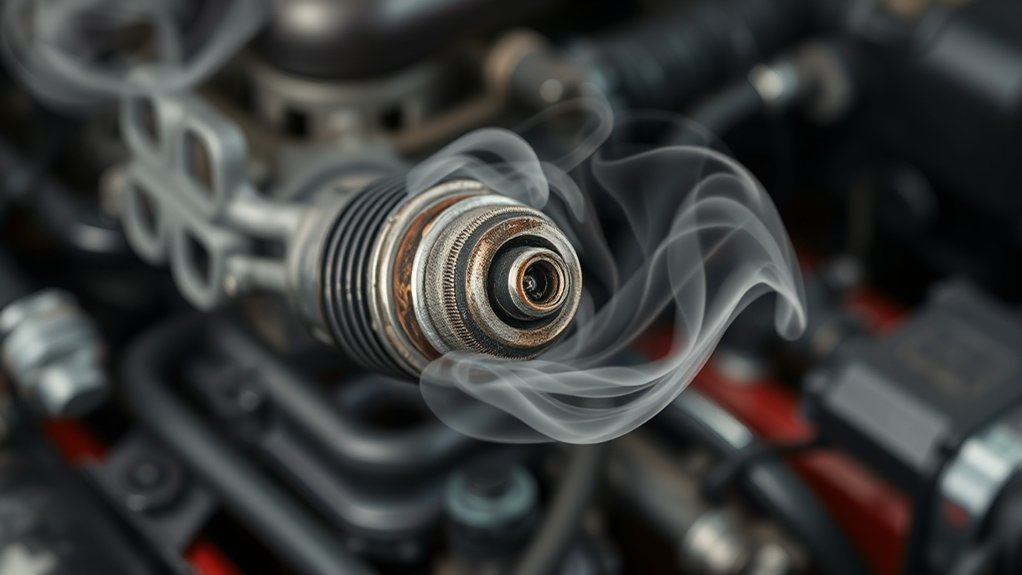
Yes, bad spark plugs can cause white smoke from your exhaust. Worn or fouled spark plugs lead to incomplete combustion, allowing unburned fuel and oil to enter the exhaust system, which produces white smoke. Misfires from faulty plugs can also make this problem worse.
If you want to understand how spark plugs impact your engine’s performance and find ways to fix white smoke, keep exploring these causes and solutions.
Key Takeaways
- Worn or fouled spark plugs can cause incomplete combustion. This leads to unburned fuel, which can produce white smoke from the exhaust.
- Faulty spark plugs can also cause misfires. When this happens, you might notice white smoke during engine operation.
- Poor ignition timing from bad spark plugs may contribute to white smoke emissions as well.
- Usually, the white smoke linked to spark plug issues shows up during startup or acceleration. It often goes away once the engine warms up.
- Regular spark plug maintenance helps prevent misfires. This, in turn, reduces the chances of white smoke caused by ignition problems.
Do Bad Spark Plugs Cause White Smoke From the Exhaust?
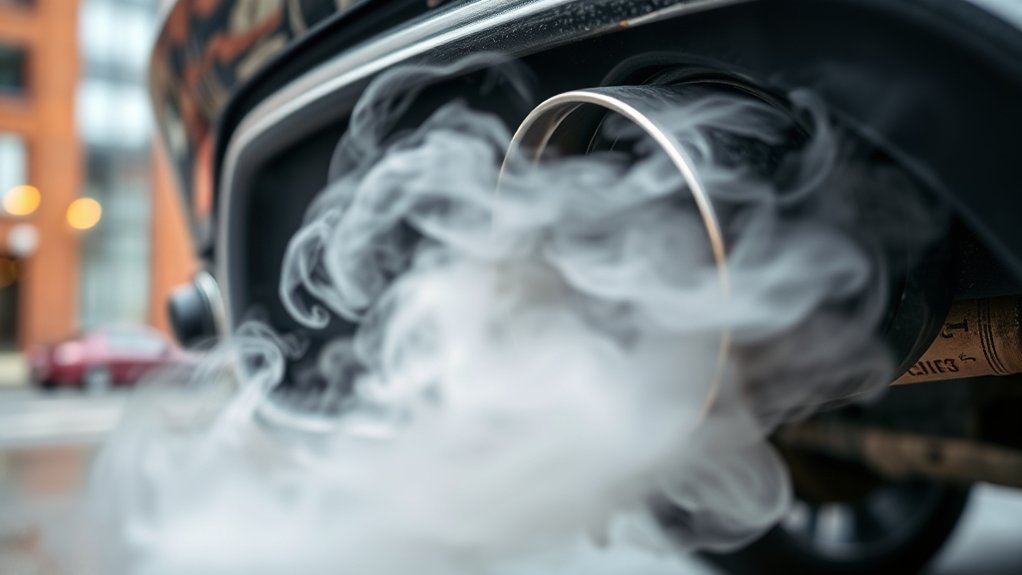
Bad spark plugs can cause white smoke from the exhaust because they lead to incomplete combustion. When your spark plugs wear out or get fouled, they struggle to ignite the fuel properly.
Worn or fouled spark plugs cause incomplete combustion, leading to white smoke from the exhaust.
This results in unburned fuel and oil entering the exhaust system, which then burns off as white smoke. Faulty spark plugs can also cause misfires, making white smoke more noticeable.
If your spark plugs aren’t firing correctly, you might see a steady stream of white smoke during engine operation. While other issues can cause white smoke, bad spark plugs are a common cause.
Regularly checking and replacing your spark plugs helps keep combustion proper, reducing white smoke and keeping your exhaust cleaner.
How Do Spark Plugs Affect Engine Combustion and Emissions?
Spark plugs play an essential role in your engine’s combustion process by igniting the air-fuel mixture at just the right moment. When your spark plugs are working properly, they help ensure complete combustion.
This, in turn, helps reduce emissions of unburned hydrocarbons and pollutants. Faulty or worn spark plugs can cause incomplete combustion, letting unburned fuel and oil escape into the exhaust system.
That often results in white smoke, which indicates unburned substances burning in the exhaust. Proper spark plug function makes sure the ignition timing is correct, minimizing misfires and excess emissions.
| Spark Plugs | Impact on Combustion |
|---|---|
| Good Condition | Promote complete combustion, reduce emissions |
| Faulty/Worn | Cause incomplete combustion, increase emissions |
How to Tell if White Smoke Is From Coolant or Spark Plug Issues?
When you see white smoke coming from your exhaust, it’s important to figure out where it’s coming from quickly. It can mean different things depending on the cause.
White smoke caused by a coolant leak usually smells sweet and keeps coming out even when the engine is cold. If the smoke stops as the engine warms up, it’s probably just condensation or a minor coolant issue.
White smoke from a coolant leak smells sweet and persists when cold. If it stops when warm, it’s likely minor or just condensation.
On the other hand, white smoke from spark plug problems often shows up during startup and goes away once the engine reaches normal temperature. This is usually due to incomplete combustion.
If the white smoke gets worse after the engine warms up, it’s likely that coolant is entering the combustion chamber, which could mean a blown head gasket. Checking for a coolant smell or low coolant levels can help you confirm if a coolant leak is the problem instead of spark plug issues.
Signs That Faulty Spark Plugs Are Causing White Smoke?
White smoke coming from your exhaust during startup or acceleration can indicate faulty spark plugs. Fouled spark plugs often lead to incomplete combustion, letting unburned fuel or oil escape into the exhaust as white smoke.
If you notice persistent white smoke, especially when your engine is cold or you’re accelerating, it’s a strong sign that spark plug issues might be causing the problem. Damaged or fouled plugs can cause misfires and rough running.
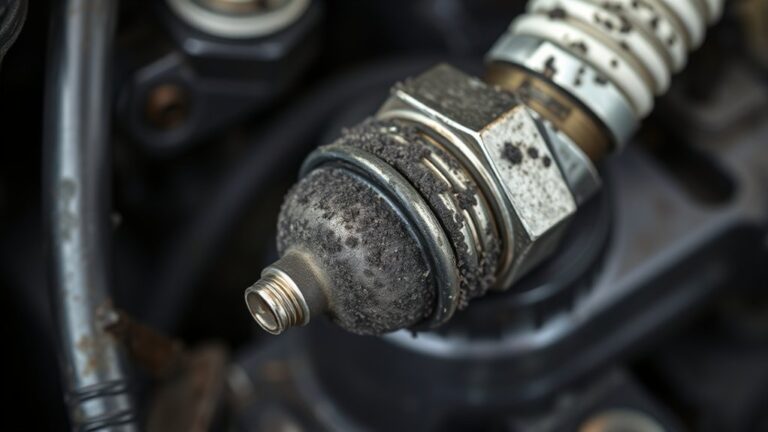
This misfiring produces white smoke from unburned fuel or oil in the combustion chamber. A visual inspection that shows oil fouling or damage confirms that the spark plugs are likely the culprit.
Replacing or cleaning the spark plugs often reduces or eliminates the white smoke. This change clearly points to faulty spark plugs as the cause of the engine trouble.
Can Oil Fouling of Spark Plugs Lead to White Smoke?
Oil fouling of spark plugs can significantly contribute to white smoke coming from your exhaust. When oil leaks into the combustion chamber, it makes the spark plugs wet and coated with oil.
This oil fouling leads to incomplete combustion because burning oil creates white or bluish smoke. If your engine has worn piston rings or damaged valve seals, extra oil can enter the cylinders, increasing fouling and causing white smoke to last longer.
Wet or oily spark plugs are clear signs that oil is getting into the combustion chamber. As the oil burns with the air-fuel mixture, it produces noticeable white smoke from the exhaust.
Fixing oil fouling is important to prevent more damage and to reduce persistent white smoke during engine operation.
How to Diagnose Spark Plug Problems Causing White Smoke?
Diagnosing spark plug problems that cause white smoke requires a careful visual check and performance test. Start by removing the spark plugs and inspecting them for fouling, damage, or excessive wear. These issues can lead to incomplete combustion and white smoke.
Wet or oil-soaked plugs are signs of oil intrusion, which might point to engine problems. Also, pay attention to changes in how the engine runs, like misfires or rough running, especially after warming up. These can indicate ignition issues.
You can use the table below to interpret what you find:
| Condition | Possible Cause | Diagnostic Tip |
|---|---|---|
| Fouled or blackened plugs | Fuel or oil fouling | Check for oil leaks or a rich fuel mixture |
| Wet or oil-soaked plugs | Oil intrusion | Inspect valve seals and piston rings |
| Excessive wear or damage | Ignition or combustion issues | Replace spark plugs and test engine performance |
| White smoke diminishes | Misfire or timing problem | Confirm spark plug condition after replacement |
Will Replacing Spark Plugs Fix White Smoke and Prevent Damage?
Replacing worn or faulty spark plugs can improve combustion and may eliminate white smoke caused by incomplete fuel burning. When your spark plugs are working properly, they help prevent engine damage by ensuring complete ignition and reducing unburned fuel or oil entering the exhaust.
Regularly changing your spark plugs not only restores engine performance but also helps prevent long-term damage. It’s a simple step that can make a big difference in keeping your engine running smoothly.
Impact on Combustion Efficiency
When spark plugs are worn or fouled, they often fail to ignite the fuel-air mixture properly, leading to incomplete combustion. This reduces combustion efficiency and causes unburned fuel to exit through the exhaust as white smoke.
Faulty spark plugs can cause misfires, which may allow coolant or oil to enter the combustion chamber. This further lowers efficiency and increases the white smoke output.
Replacing bad spark plugs restores proper ignition timing, helping the engine burn fuel more completely. Better combustion efficiency means less unburned fuel and fewer white smoke emissions.
Properly functioning spark plugs keep the engine running smoothly and efficiently, preventing damage caused by incomplete combustion. Regular maintenance helps keep spark plugs in top shape, maintaining combustion efficiency and reducing white smoke.
Restoring Engine Performance
Addressing white smoke from your exhaust often involves making sure your spark plugs are working properly. Replacing worn or damaged spark plugs can significantly boost engine performance by improving combustion efficiency.
New spark plugs ensure proper ignition timing, which helps prevent unburned fuel or oil from entering the exhaust as white smoke. Using properly gapped, high-quality spark plugs promotes complete combustion and reduces the chances of burning oil or coolant that causes white smoke.
| Issue | Solution |
|---|---|
| Misfires from worn spark plugs | Replace with quality, properly gapped plugs |
| Poor ignition timing | Use new spark plugs to restore timing |
| Incomplete combustion | Upgrade to high-quality spark plugs |
| Persistent white smoke from coolant leaks | Requires further engine repair |
Preventing Further Damage
While simply changing spark plugs can improve ignition and reduce white smoke caused by misfires, it might not fix underlying issues like a blown head gasket or coolant leaks. Replacing faulty spark plugs restores proper combustion, helping burn off residual oil and coolant residues that cause white smoke.
Regularly changing worn or fouled spark plugs prevents engine misfires and minimizes the risk of further engine damage caused by incomplete combustion. Proper spark plug gap and installation are key to maintaining peak engine performance and reducing ignition-related white smoke.
However, if problems like head gasket failure continue, replacing spark plugs alone won’t stop more serious engine damage. Addressing the root cause is necessary to prevent long-term issues and keep your engine running smoothly.
When to Seek Professional Help for White Smoke and Spark Plug Problems?
If white smoke keeps coming out or gets worse, it’s time to visit a mechanic. This is especially important if your engine starts misfiring or idling roughly.
Unusual smoke that doesn’t go away after warming up or smells sweet could mean serious problems, like a blown gasket. These issues need urgent attention.
Ignoring these signs can lead to costly engine damage, so don’t wait too long. Seek professional help promptly to keep your engine running smoothly.
Persistent Smoke Indicators
Persistent white smoke that doesn’t clear up after your engine warms up is a clear sign that something’s wrong, and it’s time to seek professional help.
Continuous white smoke often means coolant is entering the combustion chamber, which can happen due to faulty spark plugs or related parts. If the smoke gets worse or stays thick, it could indicate serious issues like a blown head gasket or engine failure.
Faulty spark plugs causing incomplete combustion can also lead to white smoke, especially if they’re fouled or damaged. When white smoke sticks around along with rough idling, misfires, or loss of power, it’s important to get your vehicle checked out promptly.
Ignoring these signs can lead to severe internal engine damage, so don’t delay in seeking expert diagnosis.
Unusual Engine Behavior
Unusual engine behavior, like white smoke along with misfires or rough idling, is a clear sign that something’s not right with your spark plugs or internal parts. If the white smoke sticks around or gets worse, it might mean faulty spark plugs causing incomplete combustion, which leads to misfires.
Sometimes, the white smoke may decrease after high RPMs, indicating residual oil or moisture. But if the smoke continues, you should have a professional inspect your spark plugs and engine seals. Damaged or oil-soaked spark plugs can produce white smoke from unburned fuel or oil entering the exhaust.
If you notice ongoing white smoke along with engine knocking or power loss, don’t wait—seek professional help right away. These symptoms point to serious engine issues that need expert diagnosis to avoid further damage.
Diagnostic and Repair Needs
Recognizing when to seek professional help for white smoke and spark plug issues is essential for preventing further engine damage. If persistent white smoke appears alongside poor engine performance or oil fouling on spark plugs, it indicates a coolant leak from a faulty head gasket. This situation requires diagnosis and repair by a trained technician.
White smoke that continues after engine warm-up and shows oil contamination in spark plug wells suggests oil is entering the cylinders. This may be linked to spark plug or valve seal problems. If replacing spark plugs doesn’t fix the issue, a mechanic should evaluate the cooling system and gasket integrity.
Proper diagnosis involves pressure testing and inspecting engine components. These tasks are best handled by professionals to ensure accurate repair and to avoid further damage.
Tips to Prevent Spark Plug Failures and White Smoke Issues?
To prevent spark plug failures and the white smoke they can cause, it’s important to follow proper maintenance practices. Regularly check and replace your spark plugs according to your vehicle’s schedule to avoid fouling and misfires.
Make sure to use the correct spark plug type and gap size specified for your car. This helps ensure proper combustion and prevents oil or coolant from leaking onto the plugs.
Use the correct spark plug type and gap size to ensure proper combustion and prevent leaks onto the plugs.
Keep your engine’s cooling and oil systems well-maintained to avoid leaks that could contaminate the spark plugs. Address any signs of misfire, rough idling, or reduced fuel efficiency quickly to prevent further damage.
Routine checks like compression tests and coolant level assessments can catch head gasket or seal failures early, which might produce white smoke. Proper spark plug care helps keep your engine running smoothly and prevents white smoke issues.
Frequently Asked Questions
Why Is There White Smoke Coming Out of My Spark Plugs?
White smoke coming out of your spark plugs usually means oil or coolant is getting into the combustion chamber. You might see oil fouling the plugs or notice white smoke when removing them if there’s a coolant leak.
Worn or damaged spark plugs can cause misfires and unburned fuel, which can lead to white smoke emissions. If the white smoke keeps happening, it could point to bigger issues like a blown head gasket or oil leaks that need quick attention.
How Does a Car Act When It Needs New Spark Plugs?
When your car needs new spark plugs, it often acts sluggish. About 30% of drivers notice rough idling or misfires first.
You might also have trouble starting the engine, decreased acceleration, or it might sputter. Fuel efficiency tends to drop, and you could smell unburned fuel or see white smoke.
These signs mean your spark plugs are worn out and need replacing. Replacing them helps your engine run smoothly again and can prevent more costly repairs later.
What Can Be Mistaken for Bad Spark Plugs?
You might mistake coolant leaks, oil leaks, or condensation in the exhaust system for bad spark plugs when you see white smoke.
Misfires or rough idling could also be caused by ignition coil problems or faulty fuel injectors, not spark plugs.
A blown head gasket allowing coolant into the engine can produce white smoke too.
Check these issues carefully before assuming your spark plugs are the problem, as multiple causes can mimic similar symptoms.
Does White Smoke Automatically Mean Blown Head Gasket?
White smoke doesn’t automatically mean a blown head gasket, but it’s definitely a warning sign. Think of it as your engine’s way of crying out for help, suggesting coolant might be leaking into the combustion chamber.
While other issues can cause white smoke, seeing it consistently usually points to gasket trouble. To be sure, check for coolant loss, oil contamination, and do pressure tests. Don’t ignore this smoky call for attention.
Conclusion
Remember, an ounce of prevention is worth a pound of cure. If you notice white smoke, don’t ignore it—faulty spark plugs could be the culprit.
Regular maintenance, timely replacements, and paying attention to signs can save you from costly repairs down the road.
Stay proactive to keep your engine running smoothly and avoid bigger issues. Faulty spark plugs may cause white smoke, so staying vigilant is key.
Your vehicle will thank you for it!