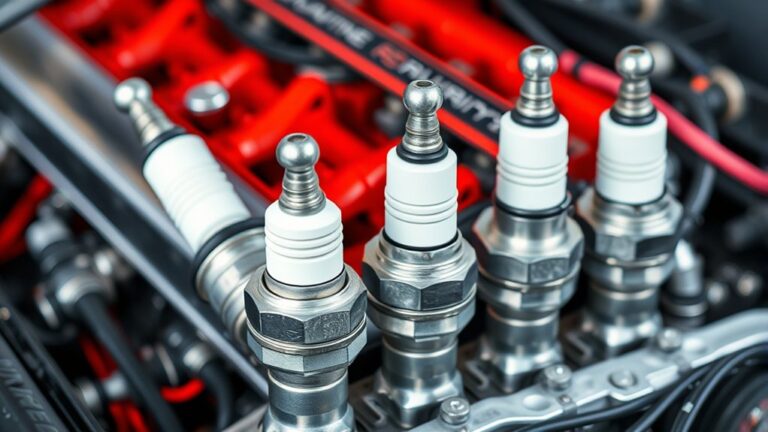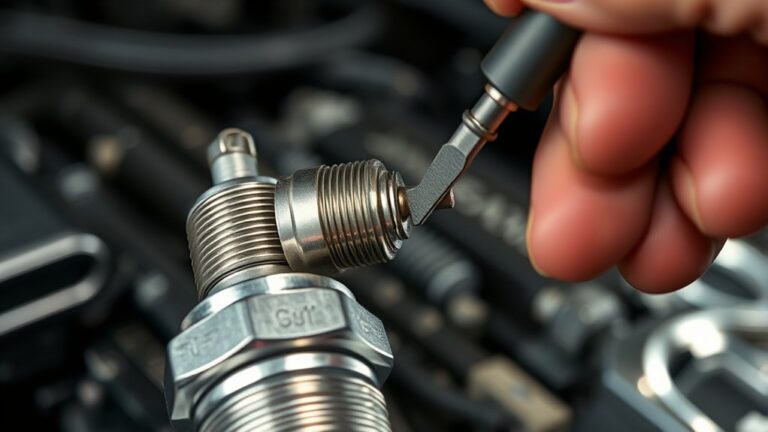
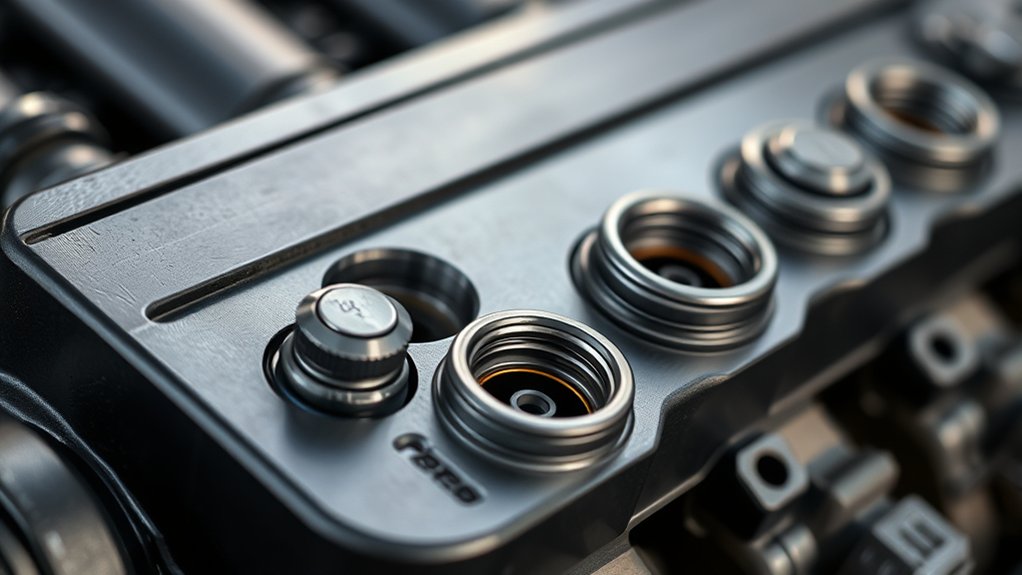
How Many Spark Plugs Does a Diesel Engine Have?
Are you curious about how diesel engines work or wondering why they don’t have spark plugs like gasoline engines? Many people struggle to understand the differences between these engine types, especially when it comes to ignition methods. If you’re considering a diesel vehicle or just want to learn more, you’re not alone—this can be confusing at first.
Most modern diesel engines don’t have spark plugs because they use compression ignition, not electrical sparks, to start and run smoothly.
Typically, diesel engines rely on high compression ratios and glow plugs to preheat cylinders during cold starts. The number of glow plugs usually matches the number of cylinders, often one per cylinder.
If you want to understand how diesel engines ignite fuel without spark plugs and what components they use, keep exploring further.
Key Takeaways
– Diesel engines typically don’t have spark plugs because they rely on compression ignition.
Modern diesel engines usually don’t have any spark plugs at all.
Some older or specialized diesel engines might have used spark plugs, but those are pretty much obsolete now.
The main way diesel engines ignite fuel is through high compression, not electrical sparks.
Spark plugs are only used in petrol engines to ignite the mixture.
Do Diesel Engines Have Spark Plugs?
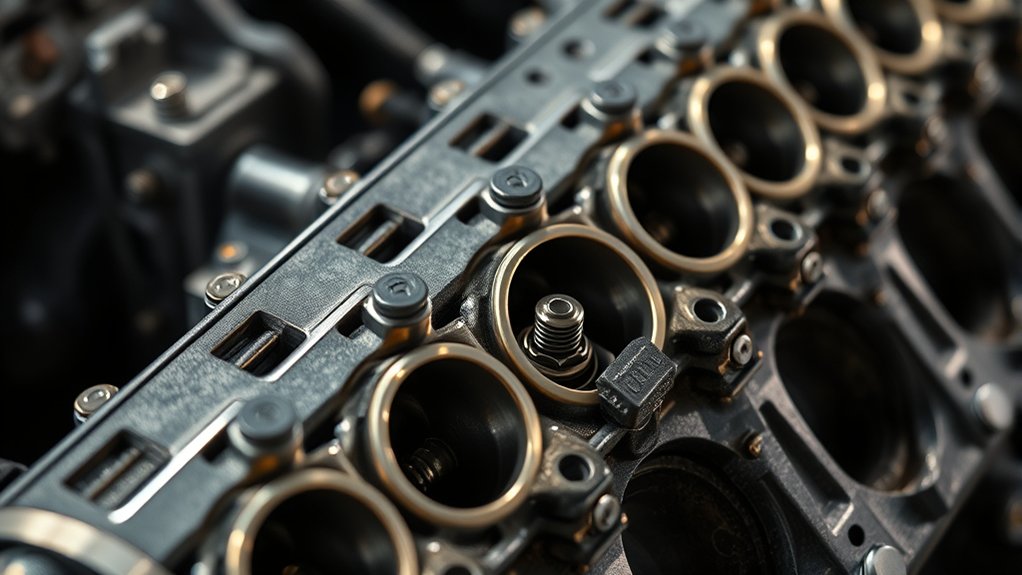
Many people wonder if diesel engines have spark plugs, but the answer is no. Unlike petrol engines, diesel engines don’t use spark plugs because they rely on compression heat to ignite the fuel.
Diesel engines don’t have spark plugs; they rely on compression heat to ignite fuel instead.
Instead, they use glow plugs, which preheat the cylinders during cold starts. This helps the engine fire up smoothly. Most diesel engines have one glow plug per cylinder; for example, a four-cylinder diesel engine has four glow plugs.
The reason they don’t have spark plugs is that ignition in diesel engines depends on high compression, not electrical sparks. Spark plugs are only used in petrol engines.
In diesel engines, glow plugs do the essential job of preparing the cylinders for combustion. That’s why spark plugs aren’t needed for their operation.
How Many Spark Plugs Does a Diesel Engine Usually Have?
Since diesel engines rely on compression ignition rather than spark ignition, they usually have no spark plugs at all. Instead, they typically use glow plugs, with one glow plug per cylinder, to help start the engine in cold conditions.
Unlike gasoline engines that need multiple spark plugs for ignition, diesel engines don’t require any spark plugs for combustion. In most modern designs, there are no spark plugs at all—just glow plugs for cold starts.
Some older or specialized diesel engines, like certain large machinery, might have had spark plugs. But this is rare today. The standard setup for most diesel engines is to rely solely on compression and glow plugs, making spark plugs unnecessary.
What Ignites Diesel Fuel Without Spark Plugs?
Instead of spark plugs, diesel engines rely on compression heating to ignite fuel. When you compress air to high pressures, it heats up enough to spontaneously ignite the injected diesel.
Glow plugs help out during cold starts by preheating the air and fuel mixture, making it easier for the diesel to ignite without the need for spark plugs.
Compression Heating Mechanism
Diesel engines rely on compression heating to ignite their fuel, so they don’t need spark plugs. When air is compressed to very high pressures, it heats up to over 1,000°C, which causes the diesel to ignite on its own.
The high compression ratios, usually between 14:1 and 25:1, create enough heat for ignition without needing electrical sparks. Unlike gasoline engines, which use spark plugs, diesel engines depend on the heat generated from compression.
During cold starts, glow plugs help warm up the cylinder air to keep the temperature high enough for ignition. This compression heating process makes diesel engines more thermally efficient because ignition relies on the hot air instead of sparks.
| Aspect | Explanation |
|---|---|
| Compression Ratio | Higher ratios produce more heat |
| Ignition Method | Heat from compression ignites fuel |
| Spark Plugs | Not used in diesel engines |
Diesel Combustion Process
What exactly causes diesel fuel to ignite without spark plugs? In diesel engines, the combustion process relies on compression heating. As the piston compresses the air in the cylinder, temperatures soar over 1,000°C.
When diesel fuel is injected into this hot, high-pressure environment, it instantly ignites, eliminating the need for spark plugs. Unlike gasoline engines, which use spark plugs to start combustion, diesel engines depend on this auto-ignition principle.
The high compression ratio—typically between 14:1 and 25:1—ensures the air reaches the necessary temperature for spontaneous ignition. Glow plugs may be used to preheat the combustion chamber during cold starts, but they don’t initiate ignition like spark plugs.
Instead, the combustion process in diesel engines solely depends on heat generated from compression.
How Do Glow Plugs Help Diesel Engines Start and Run?
When you start a diesel engine, glow plugs heat the air in each cylinder to over 1,000°C, making ignition possible.
In cold weather, they work harder to warm the combustion chamber, helping the engine start smoothly.
Once the engine reaches the right temperature, the glow plugs turn off automatically, allowing the engine to run efficiently.
Glow Plugs Heating Process
Ever wonder how glow plugs help your engine during cold starts? The heating process of glow plugs is crucial for a diesel engine to start smoothly.
These electric heating elements warm the air inside the engine’s cylinders before ignition, reaching temperatures over 1,000℃. This intense heat helps vaporize the diesel fuel, making combustion easier and more reliable.
When you turn on your vehicle in cold weather, the glow plugs activate and heat up quickly, ensuring the air-fuel mixture ignites efficiently.
Most glow plugs are designed to last around 100,000 miles, but their main job is to preheat the cylinders during cold starts.
This heating process is essential for keeping your diesel engine running smoothly and performing well in low temperatures.
Cold Weather Performance
During cold weather, glow plugs are crucial for making sure your diesel engine starts and runs smoothly. When temperatures drop, the air in the cylinders can get too cold to ignite the diesel fuel efficiently.
Glow plugs heat the air in each cylinder to over 1,000°C, helping the engine start more easily by compensating for reduced vaporization. Usually, they stay powered for 10-15 seconds during cold starts, preheating the cylinders before ignition.
Without working glow plugs, your diesel engine might struggle to start, run roughly, or misfire in low temperatures. Properly functioning glow plugs improve cold weather performance by ensuring reliable combustion and smoother operation.
They also help prevent hard starts and keep your engine running smoothly in winter conditions. Overall, glow plugs are essential components for maintaining good engine performance when it’s cold outside.
Do Any Diesel Engines Still Use Spark Plugs Today?
Most modern diesel engines no longer use spark plugs because they rely on compression ignition to start and run efficiently. Instead of spark plugs, diesel engines typically use glow plugs, which preheat the combustion chamber to help with cold starts.
In the past, some older diesel engines—especially in machinery like tractors or heavy equipment—did have spark plugs for ignition purposes. Certain large diesel models from brands like International or John Deere used spark plugs for starting or auxiliary functions.
However, in today’s passenger vehicles and trucks, spark plugs are rarely used in diesel engines. The trend has shifted toward more effective and reliable methods like high compression ratios and glow plugs, making spark plugs largely obsolete in modern diesel technology.
How Do Compression Ratios Enable Diesel Ignition?
Your engine’s high compression ratio squeezes the air into a tiny space, which makes it much hotter. This increase in temperature is enough to ignite the diesel fuel without any spark plug.
Because of this, the engine runs more efficiently and produces more power. The high compression ratio is key to making diesel ignition work smoothly and effectively.
High Compression Heat
Ever wonder how diesel engines ignite without spark plugs? It all comes down to the compression ratio. Diesel engines run with high compression, usually between 14:1 and 25:1, which is much higher than in gasoline engines.
This high compression creates intense heat—over 1,000°C—in the cylinder. When air is compressed into a smaller space, its temperature jumps significantly because of the ideal gas law.
This heat from compression is enough to ignite the injected diesel fuel spontaneously. Instead of using a spark, the engine relies on this heat to ignite the fuel.
This process makes diesel engines unique. They start and run efficiently without spark plugs, thanks to the high compression heat.
Efficient Combustion Process
The high compression ratios in diesel engines not only generate intense heat but also create an environment for efficient combustion. By compressing air to ratios between 14:1 and 25:1, the temperature inside the cylinder rises above 1,000°C, igniting the injected diesel fuel without a spark.
This process relies on the high compression ratio to produce the heat needed for ignition, eliminating the need for spark plugs. In colder conditions, glow plugs help by preheating the combustion chamber to ensure reliable starting.
The small, hot, dense air charge from high compression promotes complete fuel burning, which improves fuel efficiency and reduces emissions. This efficient combustion process is a key reason why diesel engines operate effectively without spark plugs.
Engine Power Enhancement
How do high compression ratios boost engine power in diesel engines? By increasing compression, you raise the temperature of the air inside the cylinder to over 1,000°C, which ignites the diesel fuel spontaneously.
Unlike gasoline engines that rely on spark plugs, diesel engines depend on this high compression to trigger ignition directly. This process helps the engine get more energy from each combustion cycle, improving efficiency.
The elevated compression ratios, usually between 14:1 and 25:1, are essential for creating the heat needed for ignition without spark plugs. This design allows diesel engines to produce more torque and power while still being fuel-efficient.
All in all, compression is a key factor in boosting overall engine performance.
Can a Diesel Engine Run Without Glow Plugs?
Can a diesel engine run without glow plugs? Yes, in warm weather, your engine can start and run without them because the air temperature helps ignition through compression alone.
However, glow plugs are essential during cold starts because they heat the combustion chamber for reliable engine operation. Here’s what you should know:
- In cold weather, starting becomes difficult or impossible without glow plugs.
- Once the engine warms up, most diesel engines can operate without them.
- Modern engines with advanced fuel injection systems reduce or eliminate the need for glow plugs during regular running.
- For cold starts, glow plugs make a big difference, helping ensure smooth idling and reliable startup.
While they might not be needed for running once warm, glow plugs are important for cold-start reliability.
How Can You Tell If Your Glow Plugs Are Failing?
Detecting failing glow plugs early can help you avoid unexpected breakdowns, especially in cold weather. If your engine is hard to start in low temperatures, that’s a big hint something’s wrong.
Early glow plug failure detection prevents breakdowns, especially in cold weather—look for hard starts and engine performance issues.
You might also notice rough idling at startup or a drop in engine performance. Higher fuel consumption can be another sign that your glow plugs aren’t working properly.
If you see the check engine light or another warning indicator, it’s worth checking your glow plugs. You can test them with a multimeter—high resistance or an open circuit usually means they’re failing.
Repeated misfires or trouble reaching the right operating temperature are additional clues. Paying attention to these signs can keep your engine running smoothly and prevent bigger problems down the road.
How Are Diesel and Gasoline Engines’ Ignition Systems Different?
While glow plugs help diesel engines start more easily in cold weather, the way these engines ignite fuel is quite different from gasoline engines. Gasoline engines rely on spark plugs to create a continuous electrical spark that ignites the fuel-air mixture.
In contrast, diesel engines don’t have spark plugs. Instead, they depend on compression to generate enough heat to ignite the diesel fuel. The high compression ratios in diesel engines, often between 14:1 and 25:1, preheat the air and cause ignition without sparks.
Gasoline engines have spark plugs that produce sparks during combustion, providing continuous ignition. Diesel engines, on the other hand, use compression to heat the air to a point where the fuel ignites automatically.
These fundamental differences in ignition systems define how each type of engine operates and starts.
What Future Technologies Could Change Diesel Ignition?
Emerging technologies are set to change diesel ignition systems, possibly making glow plugs and compression-based ignition obsolete.
Laser ignition, for example, provides precise and efficient combustion without needing glow plugs or compression sparks.
Plasma arc ignition systems could let diesel engines run without traditional ignition methods, improving efficiency and reducing emissions.
Researchers are also looking into alternative fuels like hydrogen, which might boost performance and environmental friendliness through new ignition techniques.
Solid-state ignition systems promise faster startups and better cold-weather operation, eliminating the need for glow plugs entirely.
Additionally, hybrid systems that combine electric sparks or laser ignition with traditional compression could improve ignition control, making diesel engines cleaner and more efficient for the future.
Frequently Asked Questions
How Many Spark Plugs Are in a Cummins Diesel?
A Cummins diesel engine doesn’t have any spark plugs. Instead, it uses glow plugs to help with cold starts. Typically, each cylinder has one glow plug, so a 6-cylinder Cummins engine has six glow plugs.
Since diesel engines operate through compression ignition, spark plugs aren’t necessary. You won’t find spark plugs in a Cummins diesel engine because it relies on high compression to ignite the fuel.
What Is the Most Reliable Diesel of All Time?
The Mercedes-Benz OM617 stands out as the most reliable diesel of all time. You’ll notice its reputation for exceeding 500,000 miles thanks to superb build quality and durability. Its long lifespan isn’t just coincidence; it’s a demonstration of Mercedes’ engineering excellence.
If you’re seeking a diesel engine that’s proven to last, the OM617’s consistent performance and longevity make it a top choice for dependable, trouble-free driving.
What Kills Spark Plugs Quickly?
You kill spark plugs quickly by using the wrong types or improperly gapping them. This causes early wear and reduces their lifespan.
Frequent short trips and idling prevent the engine from reaching the right temperature, which leads to fouling on the plugs.
Poor ignition components like faulty coils or wires cause inconsistent sparks that damage the plugs over time.
Running rich or lean fuel mixes also creates carbon buildup, which can speed up plug failure.
Neglecting regular maintenance allows deposits to accumulate, shortening the life of your spark plugs.
What Truck Has 16 Spark Plugs?
You’re asking about trucks with 16 spark plugs, like some vintage giants from the past. These heavy-duty semi-trucks, such as certain older International Harvester models, have four cylinders with four spark plugs each. Think of it as a mechanical symphony where each spark plug plays its part.
Modern diesel engines, however, skip spark plugs altogether. They rely on glow plugs and compression to start.
Conclusion
Imagine firing up an old diesel truck on a cold morning. You won’t see spark plugs—just the glow of anticipation. Diesel engines don’t use spark plugs like gasoline engines do; instead, they rely on glow plugs to warm the air in the cylinders to ignite the fuel.
This quiet resilience keeps diesel trucks running smoothly, even in freezing weather. Understanding these differences helps you appreciate the engineering marvels that keep your vehicle moving, no matter the conditions.
So, how many spark plugs does a diesel engine have? Typically, diesel engines don’t have spark plugs at all. Instead, they use glow plugs, with usually one or two per cylinder.