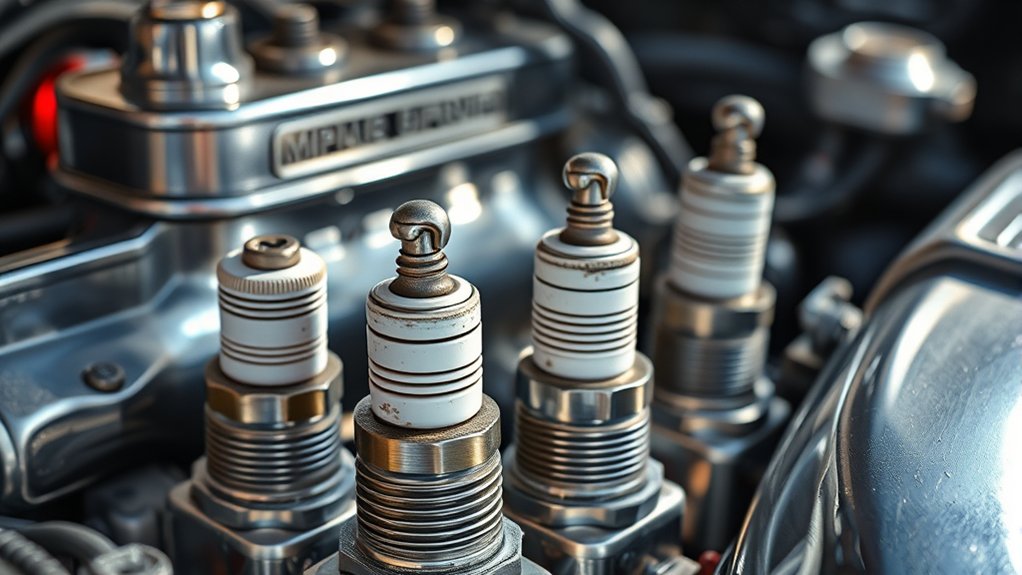
Do Bad Spark Plugs Cause Engine Overheating?
Many car owners worry about engine overheating, especially when their vehicle isn’t running smoothly. You’re not alone—engine issues can be stressful and confusing. One common culprit that often gets overlooked is bad spark plugs.
Bad spark plugs can cause engine overheating because they lead to incomplete combustion, poor heat transfer, and hotter electrodes. If your spark plugs are fouled, damaged, or the wrong heat range, they won’t dissipate heat properly, increasing the risk of overheating.
Poor ignition timing, a lean fuel mixture, and neglected cooling systems also contribute. To keep your engine cool and running smoothly, it’s important to understand how to spot and prevent these issues — stick around to learn more.
Key Takeaways
– Bad spark plugs can cause incomplete combustion, which leads to more engine heat and can even cause overheating.
When the combustion isn’t happening properly, the engine has to work harder, generating extra heat.
Overheating spark plugs also show thermal stress, and this can mess with how your engine regulates temperature.
Incorrect spark plug gaps or heat ranges make it harder for heat to dissipate, adding to the overheating problem.
Fouled or damaged plugs can disrupt proper engine operation, leading to higher combustion temperatures.
This buildup of heat can cause the engine to run hotter than it should.
If you notice consistent spark plug issues, it might be a sign of underlying problems that could increase the risk of overheating.
How Do Spark Plugs Affect Engine Temperature?
Since spark plugs ignite the air-fuel mixture, they’re key to managing engine temperature. When they work properly, they ensure complete and efficient combustion, which helps keep heat levels in check.
If spark plugs are worn or faulty, misfires and incomplete burning happen. This can leave unburned fuel in the chamber, which boosts heat and can cause problems.
Choosing the right spark plug heat range is really important. A plug that runs too hot can lead to overheating, while one that’s too cold might foul and hurt performance.
High-quality, properly gapped spark plugs help with ideal ignition timing, preventing excess heat buildup. Poor condition or wrong types of plugs can cause uneven combustion, creating hotspots and risking engine overheating.
How Can You Tell If Your Spark Plug Is Overheating?
You can spot an overheating spark plug by looking for signs like melted insulators or white, chalky deposits.
If your engine runs rough or you notice higher-than-normal temperatures, the spark plug might be the culprit.
Discolored or burnt electrodes are also clear indicators of excessive heat.
Visible Spark Plug Damage
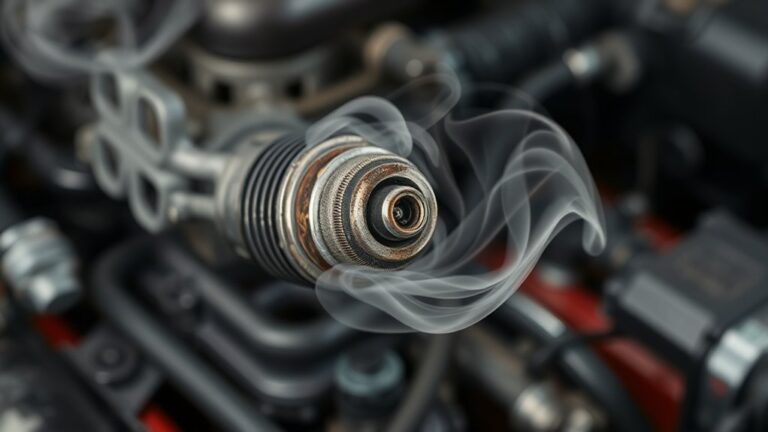
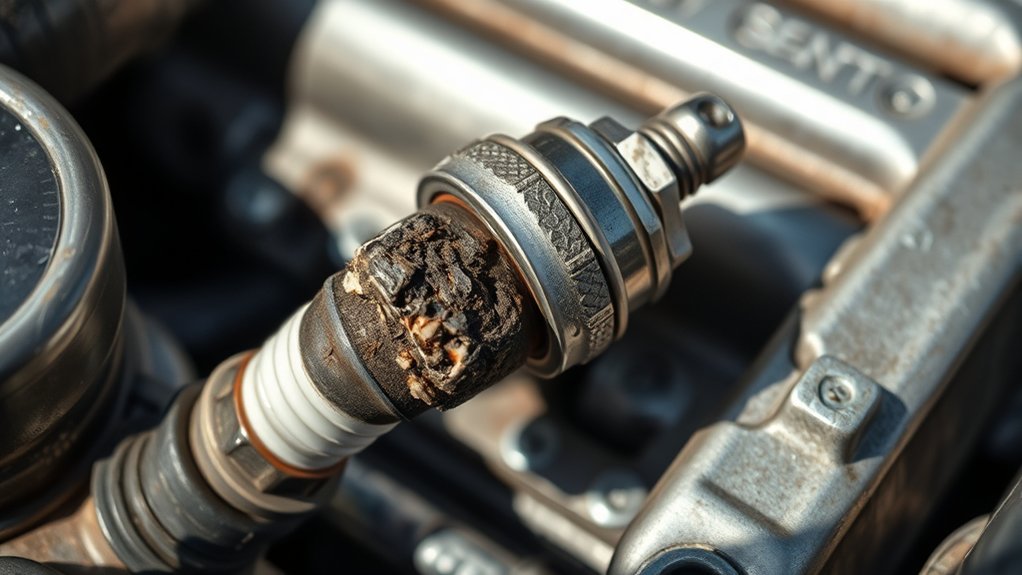
Visible damage to your spark plug gives clear clues that it’s overheating. You might see the ceramic insulator melted or blistered, which shows there’s been excessive heat.
The electrodes may look eroded or melted, indicating serious thermal stress. Discolored or burnt-looking spark plug tips, often reddish or brownish, also point to overheating.
Cracks or chips in the ceramic insulator suggest rapid expansion from heat. Plus, deposits of hard, carbonized, or glazed material, especially with oil fouling, are signs of thermal stress.
Unusual Engine Performance
Unusual engine performance is often a sign that your spark plug may be overheating. When spark plugs run too hot, they can cause misfires, rough idling, and difficulty starting—all signs that something’s off with your engine.
Overheated spark plugs usually show melted or blistered ceramic insulators and electrode erosion, which indicate excessive heat. You might also notice deposits caused by high combustion temperatures.
If your spark plugs look fouled or damaged consistently, they’re probably running above their ideal temperature range, which can lead to engine overheating. Proper spark plug heat range and engine cooling are key to preventing this.
Ignoring these signs can cause more damage and reduce engine efficiency. So, keeping an eye on your spark plugs is essential for smooth, reliable engine performance.
Excessive Engine Temperatures
When a spark plug overheats, it often shows clear signs that are easy to spot during a visual check. Look for blistered or white ceramic insulators, which point to excessive heat exposure.
Signs of a hot spark plug include electrode erosion or melting, indicating it’s been running beyond its proper heat range. A spark plug that gets too hot can cause pre-ignition and knocking, both common signals of engine overheating.
You might also notice frequent fouling or deposits on the tip, which can suggest the plug is operating at high temperatures. Cracks or damage to the insulator are also signs of overheating and could be contributing to engine temperature problems.
| Sign | Description | Impact |
|---|---|---|
| White/blistered insulators | Excessive heat damages ceramic | Indicates overheating |
| Eroded/melted electrodes | Electrode erosion or melting | Can cause misfire or poor performance |
| Cracked/damaged insulators | Physical damage from high temps | Contributes to engine overheating |
What Causes Spark Plug Overheating?
Spark plug overheating often happens when the conditions push the plug beyond its designed heat range, making it hard for it to release heat effectively. When the engine gets too hot or the cooling system isn’t working right, the spark plug is exposed to higher temperatures, which can cause problems.
Overheating occurs when spark plugs exceed their heat range, hindering heat release and risking engine damage.
Factors like running a lean air-fuel mixture can increase combustion temperatures and put extra stress on the spark plug. Incorrect spark plug gap settings can also cause electrode temperatures to rise sharply.
Continuous high engine loads, such as towing or heavy-duty driving, raise combustion temperatures and can lead to overheating. The main causes include using a heat range that’s too hot for the engine, poor cooling system maintenance, excessive engine loads, and improper spark plug gaps.
These issues prevent proper heat dissipation and interfere with combustion, increasing the risk of the spark plug overheating.
Does Using the Wrong Spark Plug Heat Range Lead to Overheating?
Using the wrong spark plug heat range can mess up proper cooling and cause your engine to overheat. If the plug is too hot, it might not get rid of heat effectively, leading to higher temperatures.
On the other hand, a cold plug in a high-performance engine can trap too much heat, which can also lead to overheating. Picking the right heat range is key to keeping your engine running smoothly.
Heat Range and Cooling
Choosing the wrong heat range for your spark plug can really impact your engine’s cooling system. An incorrect spark plug can prevent proper heat dissipation, leading to localized overheating in the combustion chamber.
Hotter spark plugs than recommended might not cool enough, which can cause electrode overheating and raise engine temperatures. On the other hand, cold spark plugs that are too aggressive can foul easily, resulting in incomplete combustion and higher heat.
Maintaining the correct heat range helps the spark plug transfer heat away from the combustion zone effectively. This prevents excessive heat buildup and keeps your engine running smoothly.
Using the wrong heat range can disrupt your engine’s thermal balance, impair heat dissipation, and contribute to overheating issues.
Risks of Incorrect Range
Selecting the wrong heat range for your spark plug can significantly increase the risk of engine overheating. Using a spark plug that’s too hot causes it to retain too much heat, which raises engine temperatures.
On the other hand, a spark plug that’s too cold prevents proper heat dissipation. This can lead to carbon buildup and overheating, which stresses engine components.
Getting the thermal balance right is key. Incorrect heat range disrupts your engine’s ability to regulate temperature and can cause premature wear.
Here’s a quick comparison:
| Heat Range | Effect on Temperature | Risk of Overheating |
|---|---|---|
| Too hot | Excessive heat retention | Engine overheating |
| Too cold | Poor heat dissipation | Carbon buildup, overheating |
| Correct | Proper thermal balance | Ideal operation |
Using the manufacturer-recommended spark plugs helps ensure you have the right heat range, keeping things balanced and preventing overheating.
How Does Spark Plug Fouling or Damage Cause Engine Overheating?
Fouled or damaged spark plugs can directly contribute to engine overheating by disrupting the combustion process. When spark plug fouling occurs, it causes incomplete combustion, trapping residual heat in the combustion chamber.
Worn or cracked spark plugs may misfire, leading to unburned fuel and excess heat buildup. A spark plug that doesn’t fire properly results in inefficient ignition timing, making the engine run hotter.
Furthermore, carbon deposits or oil fouling insulate the electrodes, preventing proper heat transfer and causing localized overheating. These issues strain the engine and raise temperatures, increasing the risk of overheating.
- Spark plug fouling impairs heat dissipation
- Misfires lead to unburned fuel and heat
- Insulated electrodes hinder heat transfer
- Damaged plugs cause inefficient combustion
Can Incorrect Spark Plug Installation or Gaps Cause Excess Heat?
If your spark plug gaps are set incorrectly or the plugs are installed improperly, your engine can run hotter than it should.
Tight or loose installation can disrupt spark timing and heat dissipation, which can lead to excess heat buildup.
Using the wrong spark plug type or gap can also increase combustion temperatures, risking engine overheating.
Improper Gap Settings
Improper gap settings on your spark plugs can significantly contribute to engine overheating by disrupting the combustion process. When the gaps are off, it causes incomplete combustion, which raises engine temperatures.
A gap that’s too narrow results in weak sparks and misfires, making the engine run inefficiently and generating extra heat. On the other hand, a gap that’s too wide prevents proper ignition, increasing combustion temperatures even more.
Setting the spark plug gaps correctly according to the manufacturer’s specs helps ensure optimal ignition timing and heat dissipation. Misaligned or improperly installed spark plugs can also cause electrode wear, which reduces heat transfer and raises the risk of overheating.
To avoid these problems, always check your spark plug gaps and make sure they’re installed properly. Maintaining the right gap helps keep your engine running smoothly and prevents overheating.
- Spark plug gaps directly affect combustion efficiency
- Improper gap settings increase electrode wear
- Incorrect gaps cause misfires and excess heat
- Proper gap adjustment prevents engine overheating
Incorrect Spark Plug Type
Using the wrong spark plug type or installing them incorrectly can cause excess heat in your engine. An incorrect spark plug disrupts proper heat dissipation, which increases the risk of overheating.
If spark plug specs aren’t matched to your engine’s needs, it can lead to inefficient combustion and heat buildup. Over-tightening or under-tightening damages threads and impairs heat transfer, making temperature issues worse.
Making sure you use the right spark plug with the proper heat range is key for managing heat and keeping your engine healthy.
How Does Ignition Timing Influence Spark Plug Temperatures?
Ignition timing plays a crucial role in determining spark plug temperatures because it controls when the air-fuel mixture ignites inside the cylinder. If the timing is off, like firing too early, the combustion happens at higher temperatures, which raises spark plug heat levels.
Advanced ignition timing leads to higher peak cylinder pressures and temperatures. This can cause spark plugs to overheat and wear out faster. Proper timing ensures the combustion process occurs at the right moment, helping prevent excessive heat buildup on the spark plugs.
Incorrect ignition timing can cause misfires and knocking, which can damage the plugs over time. Higher temperatures speed up spark plug wear, making them degrade faster. Sticking to the manufacturer’s recommended timing helps keep temperatures in check.
Proper timing is key to avoiding overheating and the damage it can cause. It keeps the spark plugs cooler and working efficiently, prolonging their lifespan and maintaining overall engine health.
Is a Lean Air-Fuel Mixture Responsible for Spark Plug Overheating?
When the air-fuel mixture becomes too lean, it can cause significant increases in combustion temperatures. This, in turn, can lead to spark plug overheating.
A lean air-fuel mixture means there’s too much air and not enough fuel. This causes the engine temperature to rise and makes spark plugs operate under higher electrode temperatures.
The excess heat speeds up spark plug wear and raises the risk of damage. Running a lean mixture can also trigger pre-ignition and knocking, which further increase engine and spark plug temperatures.
Excess heat accelerates spark plug wear and increases the risk of damage from pre-ignition and knocking.
It’s important to maintain the right fuel mixture to keep spark plug temperatures within safe limits. Diagnosing and fixing a lean air-fuel mixture through fuel system checks helps prevent overheating.
Doing so ensures your engine runs smoothly and efficiently.
How Do Driving Habits and Engine Load Contribute to Spark Plug Overheating?
Excessive driving habits and heavy engine loads directly raise the risk of spark plug overheating by increasing combustion temperatures. When you tow heavy loads or drive at high speeds, your engine load skyrockets, creating more heat during combustion.
This heightened temperature stresses spark plugs, accelerating electrode wear and risking failure. Short trips prevent proper engine cooling, causing sustained high temperatures that also contribute to overheating.
Furthermore, driving in poor airflow conditions or idling for extended periods traps heat, raising engine temperature further. These factors combined can push spark plugs beyond their thermal limits, leading to overheating.
- Heavy engine load amplifies heat during combustion
- Frequent short trips prevent cooling
- Poor airflow conditions trap heat
- Extended idling raises engine temperature
How Can Poor Cooling System Maintenance Worsen Spark Plug Overheating?
Poor cooling system maintenance significantly worsens spark plug overheating by letting engine temperatures climb unchecked. When your cooling system isn’t working properly—because of low coolant levels, clogged radiators, or blocked hoses—heat isn’t dissipated effectively.
Poor cooling system maintenance leads to engine overheating and increased spark plug failure risks.
This causes the engine to overheat, which directly increases the heat stress on spark plugs. A malfunctioning water pump also reduces coolant flow, making the problem even worse and causing spark plug temperatures to rise rapidly.
Over time, neglecting cooling system repairs keeps engine temperatures high, speeding up electrode wear and risking spark plug failure. The excessive heat can crack insulators or damage ceramic parts prematurely.
In the end, poor cooling system maintenance traps heat inside the engine, amplifying spark plug overheating and further harming engine performance.
What Are Best Practices to Prevent Spark Plug Overheating?
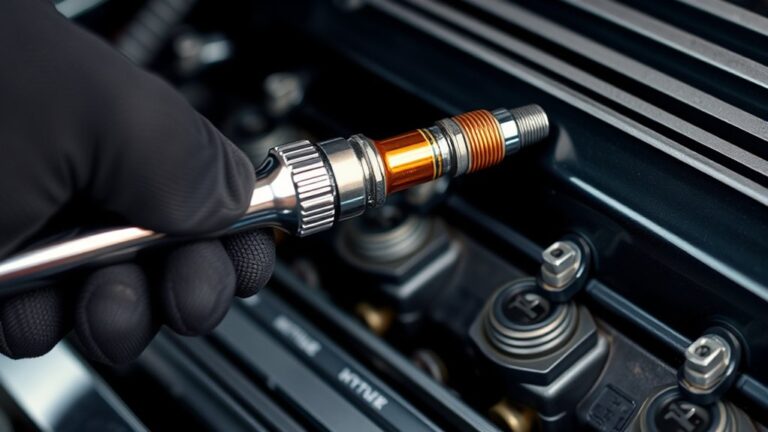
To prevent spark plug overheating, follow best practices that keep your engine within the right temperature range. Regularly check and replace spark plugs based on the manufacturer’s recommended mileage to avoid worn electrodes that can lead to overheating.
Use the correct heat range spark plugs specified for your engine. This helps ensure proper cooling and prevents excessive temperatures that could damage the plugs.
Keep your air filter clean to support an optimal air-fuel mixture. This reduces the risk of overheating caused by lean or rich conditions.
Make sure your engine’s cooling system is working properly. Check coolant levels and ensure the water pump is functioning well to keep engine temperatures in check.
Proper maintenance of spark plugs and cooling components is key to keeping your engine running smoothly and avoiding overheating problems.
Frequently Asked Questions
Can Your Car Overheat With Bad Spark Plugs?
Yes, your car can overheat with bad spark plugs. When spark plugs are worn or fouled, they cause misfires and incomplete combustion, which generate excess heat.
Improperly gapped or incorrect heat range spark plugs increase combustion temperatures, risking overheating. Faulty spark plugs can also lead to running lean, engine knocking, and pre-ignition—all of which raise engine temperature and may cause overheating if left unaddressed.
What Are 10 Common Causes of Overheating?
You might experience engine overheating due to low coolant levels or leaks, which reduce heat transfer. A faulty water pump can also hinder coolant flow.
Clogged radiators or fins block heat dissipation, making it harder for your engine to stay cool. A sticking thermostat prevents proper circulation, and damaged hoses restrict coolant flow.
Additionally, a broken radiator fan, worn radiator, or blocked air vents can cause overheating. Remember to check these parts regularly to keep your engine running smoothly.
What Are Four Signs a Spark Plug Should Be Replaced?
You should replace your spark plug if you notice misfires, rough idling, or a decrease in engine performance. These signs often point to a spark plug that’s no longer working efficiently.
Visible deposits like carbon buildup or oil fouling also indicate it’s time for a change. These build-ups can prevent the spark plug from firing properly.
Cracked or chipped ceramic insulators are clear signs of damage. Replacing the spark plug can prevent further engine issues caused by these damages.
If the spark plug gap has widened beyond specifications, it’s a good idea to replace it. An incorrect gap can lead to misfires and poor engine performance.
Addressing these signs promptly helps maintain peak engine performance and prevents bigger problems down the line.
How Long Do Spark Plugs Last in a Subaru Crosstrek?
Think of your Subaru Crosstrek like a trusty steed. Spark plugs usually last between 60,000 to 100,000 miles. If you use platinum or iridium plugs, they can reach the upper end of that range.
But keep in mind, aggressive driving, short trips, or rough conditions can shorten their lifespan. Regular inspections and timely replacements help keep your engine running smoothly and prevent potential damage.
Conclusion
If your spark plugs overheat, it’s like a car’s engine running a fever—you need to address the root cause quickly. Using the wrong spark plug or neglecting maintenance can turn small issues into big problems, much like ignoring a wound that leads to infection.
Keep an eye on your spark plugs, maintain your cooling system, and drive responsibly to prevent overheating. Remember, bad spark plugs can cause engine overheating, so staying on top of their condition is key.
It’s the best way to keep your engine running smoothly, like a well-oiled machine.