Do Spark Plugs Come Pre-Gapped and How to Check
Are you tired of dealing with engine stalls or poor fuel efficiency? Many car owners struggle with maintaining their spark plugs, which are key to smooth engine performance.
Luckily, dealing with spark plugs doesn’t have to be complicated, especially since most come pre-gapped from the factory.
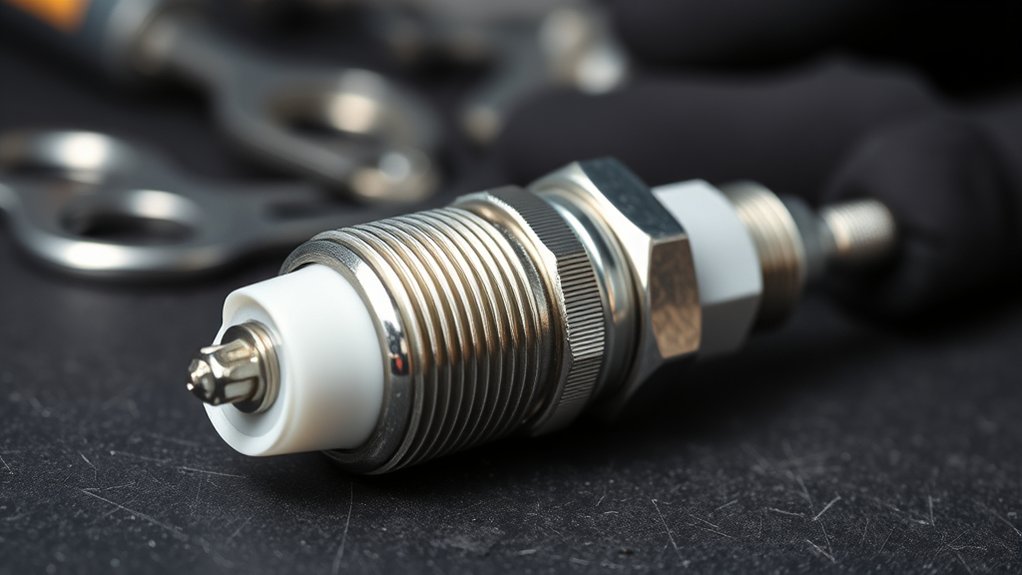
Most spark plugs come pre-gapped from the factory to match your engine, but it’s a good idea to double-check the gap before installation for maximum performance. You can verify it with a feeler gauge, gently adjusting the electrode if needed. Proper gapping ensures a strong spark and smooth engine operation.
If you want to learn more about how to measure, adjust, and maintain spark plug gaps correctly, keep exploring these tips.
Key Takeaways
Most spark plugs arrive pre-gapped to the manufacturer’s specifications, but it’s still a good idea to check before installing them.
Grab a feeler gauge to measure the gap. Make sure it matches your vehicle’s recommended setting.
When inspecting, handle the plug by the ceramic insulator. Avoid touching the electrodes to prevent damage.
If you need to adjust the gap, gently bend the ground electrode with a suitable tool. Be careful not to apply too much force.
After making any adjustments, double-check the gap. This helps ensure your engine runs smoothly and avoids misfires.
Do Spark Plugs Come Pre-Gapped From the Factory?
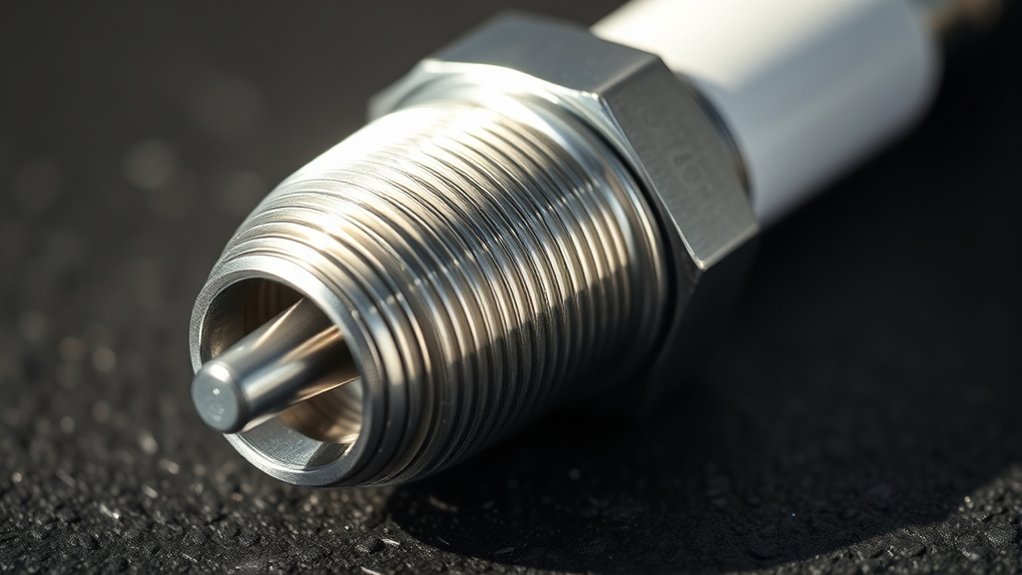
Most spark plugs come pre-gapped from the factory, set to the standard specs for specific engine models. This means you usually don’t need to adjust the gap before installing it, which saves time and effort.
The factory sets the gap carefully to ensure maximum performance and fuel efficiency. Even if your spark plug is pre-gapped, it’s a good idea to check the gap with a feeler gauge to make sure it’s accurate.
High-performance or specialized spark plugs might need more precise adjustments. Always check the manufacturer’s instructions or your vehicle’s documentation for guidance.
How to Check and Verify Your Spark Plug Gap
How do you guarantee your spark plug is properly gapped before installation? First, check the spark plug gap using a feeler gauge or blade gauge. Carefully insert the gauge between the center and ground electrodes to measure the distance.
Compare your measurement to the vehicle’s specified gap, which is usually found in the owner’s manual or on the spark plug packaging. If the gap isn’t correct, gently adjust it by opening or closing the electrodes with a gapping tool.
Always re-measure the gap afterward to verify it matches the recommended specification. This process is vital for peak engine performance.
Tools You Need to Measure and Adjust Spark Plug Gaps
To measure and adjust your spark plug gaps accurately, you’ll need specific tools like a feeler gauge or blade gauge. Knowing the right type of gap tool and how to use it helps ensure precise measurements and proper adjustments.
Always handle the electrodes gently to prevent damage and recheck the gap after making changes. This way, you can be confident your spark plugs are set correctly for optimal performance.
Types of Gap Tools
When it comes to measuring and adjusting spark plug gaps accurately, choosing the right tools is essential. Feeler gauges, wire gauges, and blade gauges are common options you can rely on.
Feel gauges, with thin metal strips marked in thousandths of an inch or millimeters, give you precise readings. Blade gauges are flat metal strips that check smaller or delicate electrode gaps without damage.
Magnetic drag feeler gauges provide tactile feedback by pulling along the electrode, helping ensure proper gap spacing. Using the correct tool for your spark plug type helps prevent electrode damage and guarantees accurate results.
- Feeler gauges that feel perfect for precise measurements
- Easy-to-use blade gauges for delicate gaps
- Magnetic gauges that give tactile, confident adjustments
- Reliable wire gauges for quick checks
- The right gap tools to protect your spark plugs and engine
Precise Measurement Techniques
Achieving accurate spark plug gaps relies on using the right measurement tools. A feeler gauge or blade gauge helps you precisely measure the gap between the center and ground electrodes.
Feeler gauges have marked thicknesses, allowing for exact gap measurement in thousandths of an inch or millimeters. When adjusting the electrode, gently pry or tap it with the correct tool to reach the manufacturer’s specified gap without causing damage.
Always re-measure after making adjustments to confirm accuracy before installation. For delicate or high-performance plugs, blade gauges are preferred to prevent electrode damage. Here’s a quick reference:
| Tool Type | Use | Precaution |
|---|---|---|
| Feeler gauge | Gap measurement | Handle carefully |
| Blade gauge | High-precision gap measurement | Avoid bending electrodes |
| Adjustment tool | Electrode adjustment | Use gentle pressure |
Proper Adjustment Methods
Adjusting spark plug gaps accurately requires the right tools and careful technique. You’ll need a feeler gauge or blade gauge to measure the electrode gap precisely. Insert the appropriate gauge into the gap; if it doesn’t fit, the gap needs adjustment.
To make adjustments, gently bend the ground electrode with a specialized tool, taking care not to damage the delicate center electrode. Re-measure after each adjustment, ensuring the electrode gap matches your vehicle’s specifications.
For fine wire or iridium plugs, prefer blade gauges to avoid electrode damage. This process provides confidence in your spark plug’s performance, ensuring smooth engine operation and ideal fuel efficiency.
- Feel confident handling delicate electrodes
- Achieve perfect ignition timing
- Prevent costly engine problems
- Master precise, safe adjustments
- Keep your vehicle running smoothly
Why Proper Spark Plug Gapping Is Critical for Engine Power
When your spark plugs are properly gapped, they create a strong, consistent spark that maximizes combustion efficiency.
If the gap is too wide or narrow, your engine can misfire or lose power, hurting performance.
Maintaining the correct gap guarantees your engine runs smoothly and delivers peak horsepower.
Maximizes Combustion Efficiency
Ever wonder why your engine runs smoothly or struggles to perform? It all comes down to spark plug gapping and combustion efficiency. Proper gapping ensures a consistent spark, igniting the air-fuel mixture perfectly for maximum power.
When gaps are off, you risk incomplete combustion, which lowers performance and fuel economy. Precise gapping allows the air-fuel mixture to ignite uniformly, releasing your engine’s full potential.
Small deviations from the recommended gap can cause misfires, reducing efficiency and power. Regularly checking and adjusting spark plug gaps keeps your engine firing at its best.
This maximizes combustion efficiency and guarantees smooth operation. Feel the rush of power every time you accelerate, and enjoy smoother, more responsive driving.
You’ll also save money with better fuel economy and avoid costly engine repairs. Keeping your spark plugs properly gapped helps your engine run at peak performance.
Prevents Engine Misfires
Proper spark plug gapping plays a vital role in preventing engine misfires, which can seriously diminish your vehicle’s power.
When the spark gap is correct, the spark ignites the fuel-air mixture consistently, helping your engine run smoothly. If the gap is too wide or too narrow, misfires can happen, leading to incomplete combustion, hesitation, or stalling.
These misfires reduce engine efficiency and power output. Many spark plugs come pre-gapped, but it’s important to verify and adjust the gap to match the manufacturer’s specifications.
Properly gapped spark plugs improve ignition efficiency, ensuring your engine runs reliably. By preventing misfires, the right spark gap helps maintain maximum power, better fuel economy, and overall engine performance.
Checking and setting the correct gap is a simple step that makes a big difference in your vehicle’s performance.
Gapping Fine Wire and Iridium Spark Plugs: Tips and Precautions
Gapping fine wire and iridium spark plugs requires careful handling because their delicate electrodes are more prone to damage than standard plugs. Using a feeler gauge on the center electrode can risk breakage if you’re not gentle. Always opt for blade gauges, which provide safer, more precise adjustments.
Be cautious—improper gapping can harm the electrode, void warranties, and reduce performance. Keep these tips in mind: handle with care to avoid damaging fragile electrodes, and use a blade feeler gauge instead of a wire one.
Gently check the gap to prevent stress on the center electrode. Follow manufacturer specs closely for safe gapping, and inspect for any signs of damage before installation.
How to Gently Adjust Your Spark Plug Gap Without Damaging It
To gently adjust your spark plug gap without causing damage, start by using a high-quality, precise feeler gauge to measure the current gap carefully. Avoid applying excessive force, which could damage the electrode.
When adjusting, carefully pry open or gently tap the ground electrode with a specialized tool, making only small, controlled movements. Always re-measure the gap after each adjustment to ensure it matches the manufacturer’s specifications.
For delicate plugs like iridium or platinum, opt for blade gauges instead of wire gauges to prevent electrode breakage. Handle the spark plug by the ceramic insulator, avoiding pressure on the electrode.
The Impact of Gapping on High-Performance and Modified Engines
When you’re working with high-performance or modified engines, the spark plug gap is crucial for reliable ignition and optimal combustion. Proper gapping can unlock extra power and efficiency, especially with higher compression ratios or turbochargers.
If the gap is too small, you might experience misfires and lower fuel economy. On the other hand, if it’s too large, you risk engine knocking or ignition failures. Adjusting the gap beyond stock specs is often needed to match your engine’s modifications.
Regularly checking and fine-tuning your spark plug gaps helps keep your engine running at its best. It also prevents costly damage down the line.
When and Why to Recheck or Regap Your Spark Plugs
You should recheck or regap your spark plugs whenever you notice issues like misfires, rough idling, or decreased fuel efficiency. These symptoms often mean the gap has shifted from its ideal setting.
Used, damaged, or worn spark plugs are common reasons to verify the gap, since electrode wear can change it and lower ignition performance. If your engine is high-performance or modified, regular gap checks are especially important.
Even new spark plugs should be checked before installation, as shipping or handling can sometimes affect the gap. Routine inspections during maintenance help keep your engine running smoothly.
Proper gap adjustment improves fuel economy and extends the lifespan of your spark plugs. Staying proactive ensures your vehicle performs at its best.
Frequently Asked Questions
How Do I Know if My Spark Plugs Come Pre-Gapped?
Most spark plugs come pre-gapped from the manufacturer, so you can usually install them without adjusting the gap.
To confirm, check the packaging or product details; it often states if they’re pre-gapped.
If you’re unsure, use a feeler gauge to measure the gap before installation. Always compare the gap to your vehicle’s specifications in the owner’s manual to guarantee peak performance.
What Spark Plug Does a Tecumseh Engine Take?
Think of your Tecumseh engine like a well-tuned orchestra; the right spark plug is the conductor. It usually takes NGK BPR5ES or Champion RC12YC, but be sure to check your manual just to be safe.
The key is matching the correct type and gap—usually around 0.030 inches—to keep everything running smoothly. Always verify the manufacturer’s specs before replacing to avoid misfires or engine damage.
Do All Spark Plugs Come Pre-Gapped Now?
No, not all spark plugs come pre-gapped now. Most are pre-gapped by manufacturers for specific engine models, but high-performance or aftermarket plugs might need manual adjustment.
When you buy new spark plugs, especially for new or custom setups, it’s a good idea to check the gap before installing. Use a spark plug gapping tool to make sure the gap matches your engine’s specs.
This helps prevent misfires and keeps your engine running smoothly. It’s a simple step that can really improve your vehicle’s performance.
What Is the Spark Plug Gap on a GR Corolla?
The spark plug gap on a GR Corolla is usually between 0.026 and 0.028 inches (0.66 to 0.71 mm).
Make sure to check your vehicle’s owner manual or the manufacturer’s specs for the exact gap for your specific model year.
Many spark plugs come pre-gapped, but it’s still important to verify and adjust the gap carefully before installing.
Doing this helps ensure maximum ignition performance and fuel efficiency.
Conclusion
You might think spark plugs come perfectly gapped from the factory, but it’s always best to double-check. Proper gapping keeps your engine running smoothly and efficiently.
Regularly verify the gap, especially if you’ve installed new plugs or have a high-performance engine. It’s a simple step that can make a big difference.
Gently adjusting the gap without causing damage helps keep your spark plugs in top shape. Remember, a small tweak can boost your engine’s power and extend its lifespan.
When it comes to spark plugs, knowing if they come pre-gapped and how to check the gap is key for optimal performance.