Does a Bad Fuel Injector Cause a Misfire?
Are you tired of your engine misfiring or feeling rough during drives? If so, you’re not alone—many drivers struggle with engine performance issues that can be frustrating and confusing. One common culprit could be a bad fuel injector, which impacts your car’s smooth operation.
Yes, a bad fuel injector can cause your engine to misfire by disrupting the proper delivery of fuel needed for smooth combustion. When injectors malfunction, they may spray uneven or insufficient fuel, leading to rough idle, hesitation, or jerks during acceleration.
If you notice these symptoms along with decreased fuel efficiency or engine stalls, it’s likely your injectors are at fault. Keep going to find out more about how injector issues can impact your engine’s performance and fixes.
Key Takeaways
- Yes, a faulty fuel injector can mess with proper fuel delivery, which can cause your engine to misfire.
- When injectors aren’t working right, they lead to uneven fuel distribution. That often shows up as misfire symptoms.
- Deposits or clogs in the injectors can also cause incomplete combustion, leading to misfiring across different cylinders.
- Electrical issues, like faulty wiring or bad solenoids in the injectors, can also trigger misfire problems.
- If you notice persistent misfires along with other symptoms, it might be time to check your fuel injectors. They could be bad and in need of inspection or replacement.
How Do Fuel Injectors Affect Your Engine’s Performance?
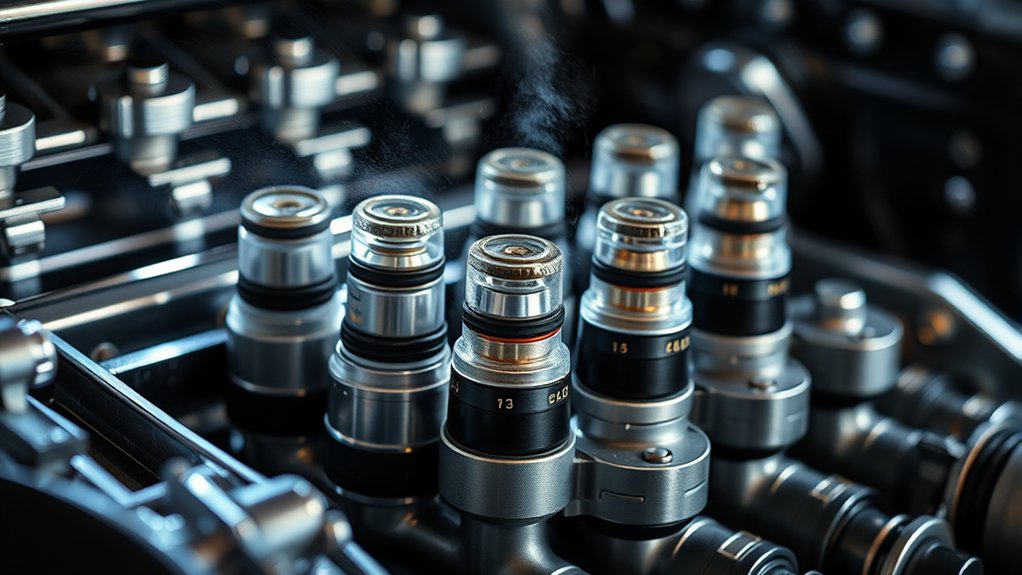
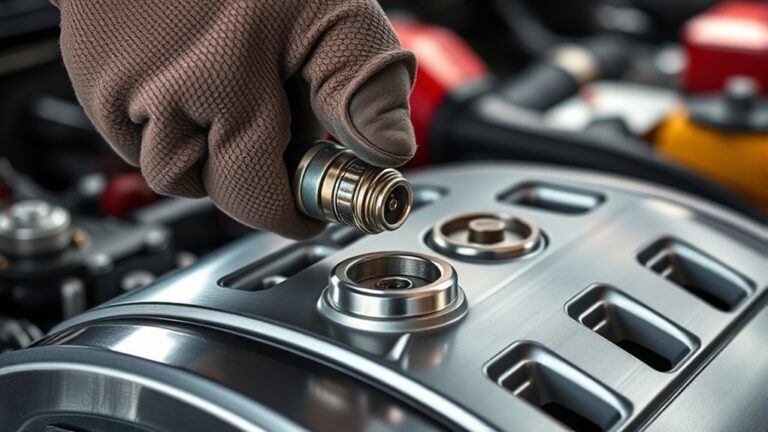
Fuel injectors are key to your engine’s performance because they deliver fuel into the combustion chamber with precision. When they’re working properly, they ensure the right amount of fuel mixes with air, helping your engine run smoothly.
If an injector malfunctions, it can cause uneven fuel distribution, leading to engine misfires, rough idling, and reduced performance. A clogged or stuck-open injector might flood the engine with too much fuel, causing rich running conditions and potential misfire symptoms.
On the flip side, a stuck-closed or faulty injector restricts fuel flow, creating lean conditions that can also cause misfires. Properly functioning fuel injectors are essential for maintaining engine power, fuel efficiency, and controlling emissions.
What Are the Common Signs of a Bad Fuel Injector?
When a fuel injector starts to fail, you might notice your engine misfiring or running roughly at idle. This rough idling is a clear sign of a bad injector struggling to deliver proper fuel. You may also see decreased fuel economy and increased emissions.
Engine stalling or jerking during acceleration further indicates trouble. Visible leaks or inconsistent spray patterns are strong visual clues. Additionally, erratic RPM fluctuations and difficulty starting the engine can point to a failing fuel injector.
Recognizing these signs early can save you from bigger engine problems later.
Can a Faulty Fuel Injector Cause Engine Misfires?
A faulty fuel injector can directly cause engine misfires by messing up the air and fuel mix in your engine’s cylinders. When the injector sticks open or closed, it results in either too much fuel flooding the cylinder or not enough, both of which cause misfires.
Inconsistent fuel delivery from a malfunctioning injector can make your engine run rough and set off engine misfire codes like P0301. Think of it like:
- An uneven or incomplete spray, leading to incomplete combustion
- Too much fuel drowning the cylinder
- Not enough fuel starving the cylinder
These problems stop proper ignition, which causes engine misfires. When your fuel injector isn’t working right, it directly impacts engine performance, making misfires more common and leading to rough idling or hesitation.
How Do You Diagnose a Failing Fuel Injector?
Diagnosing a failing fuel injector involves listening, testing, and observing engine performance. First, use a mechanic’s stethoscope to listen for a clicking sound from each fuel injector; if you don’t hear a click, it could be a sign of a problem.
Listen for clicking sounds from injectors to identify potential issues early.
Next, check the fuel injector resistance with a multimeter. Healthy injectors usually read between 12 and 18 ohms. If the reading is outside this range, it might mean the coil is open or shorted.
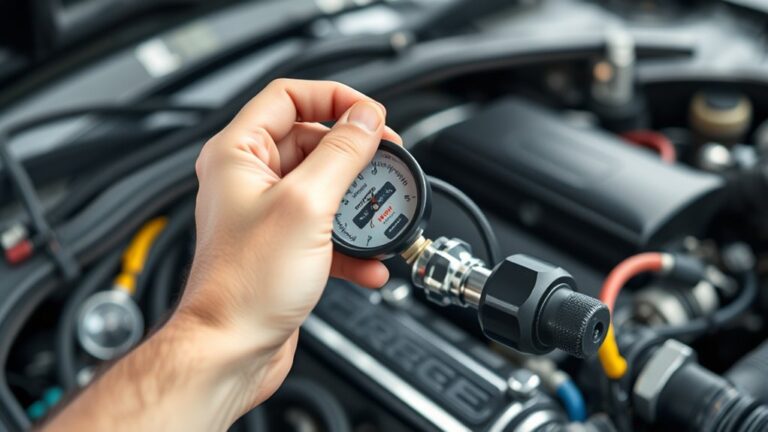
You can also connect an inline fuel pressure gauge to verify that fuel delivery is consistent. Keep an eye on engine symptoms like rough idling, misfires, or reduced fuel economy, which can point to a faulty injector.
For more precise diagnosis, advanced tests such as a cylinder contribution test or scanner readings of injector pulse width can be very helpful.
What Causes Fuel Injectors to Fail or Get Clogged?
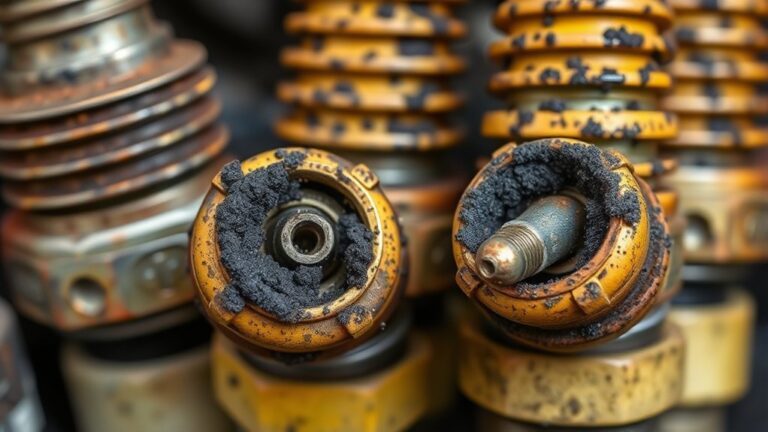
Fuel injectors can fail or become clogged because of buildup from carbon deposits, dirt, and contaminated fuel. These blockages restrict proper fuel flow into the engine, which can cause uneven fuel delivery and poor engine performance.
Common causes include using low-quality or water-contaminated fuel, which can lead to corrosion and deposit buildup. Physical damage from impacts, excessive heat, or rust can also harm injector operation.
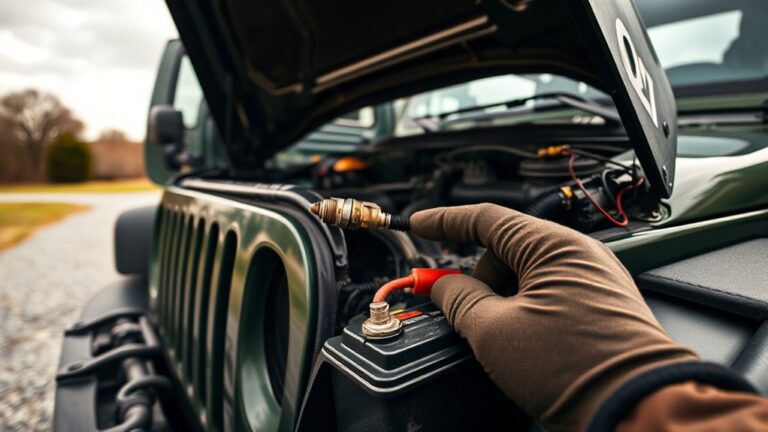
Electrical issues like faulty wiring or failing solenoids may cause injectors to stick open or closed. Not changing the fuel filter regularly increases the risk of clogging too.
Visual signs of blocked fuel injectors include thick carbon deposits lining the nozzle, dirt particles lodged inside, or corrosion from contaminated fuel or moisture.
How Do Clogged Fuel Injectors Lead to Engine Misfires?
When fuel injectors get clogged, they can’t deliver the right amount of fuel into the combustion chamber. This messes up the air-fuel mixture, which can cause an engine misfire because the combustion isn’t even.
Partially blocked injectors don’t supply enough fuel, creating a lean condition that makes ignition difficult. Deposits and buildup on the injector tips can also change spray patterns, leading to uneven fuel atomization and incomplete combustion.
Because of this, some cylinders misfire while others run normally. Over time, these inconsistent fuel deliveries stop the engine from maintaining stable, complete combustion, causing rough operation and misfires.
In short, clogged fuel injectors directly cause engine misfires by throwing off the precise fuel delivery needed for smooth running.
What Are the Best Ways to Clean or Replace Fuel Injectors?
You can start by using fuel system cleaners like Diesel Extreme or Stiction Eliminator to dissolve deposits and improve spray patterns.
For a thorough clean, professional ultrasonic or injector cleaning services are often the best choice.
When injectors are severely clogged or faulty, replacing them with high-quality parts guarantees proper fuel delivery and engine performance.
Effective Cleaning Methods
Cleaning fuel injectors effectively can restore ideal spray patterns and improve engine performance. There are several methods to get this done.
One popular option is using fuel system cleaners like Diesel Extreme or Stiction Eliminator. These products dissolve deposits and help improve spray quality.
Professional ultrasonic cleaning is another highly effective method. It thoroughly cleans injectors without needing to remove them from the engine.
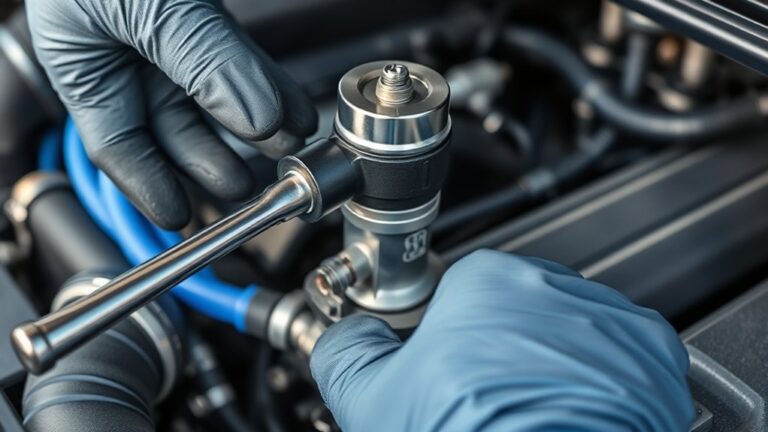
If cleaning products don’t do the trick, replacing faulty or clogged fuel injectors is often necessary. Removing injectors allows you to inspect tips, seals, and electrical connections for damage or wear.
To visualize the process, consider these cleaning methods:
- Using chemical fuel injector cleaners during refueling
- Sending injectors to a professional for ultrasonic cleaning
- Replacing or repairing injectors when cleaning isn’t enough
These options help keep your fuel system running smoothly.
When to Replace Injectors
Determining whether your fuel injectors need replacing often depends on their performance and physical condition. If cleaning with additives like Diesel Extreme or professional ultrasonic services doesn’t fix misfire issues, it’s time to consider replacing the faulty injector.
A severely clogged or damaged injector may cause persistent misfires or poor engine performance that cleaning can’t fix. Diagnostic tools such as injector pulse testers or listening for clicking sounds can help confirm if replacement is needed.
Regular maintenance like replacing fuel filters and using high-quality fuel can prevent clogging and extend injector life. When cleaning no longer restores proper spray patterns or smooth engine operation, replacing the faulty injector is the best way to ensure optimal performance.
How Can Regular Maintenance Prevent Fuel Injector Problems?
Regular maintenance plays a crucial role in preventing fuel injector problems by keeping the fuel system clean and functioning efficiently. When you stay on top of your maintenance routine, you reduce the risk of debris and deposits that can clog your fuel injector.
Regularly replacing the fuel filter stops dirt from entering and causing misfires. Using high-quality fuel also minimizes contamination and buildup, while scheduled professional fuel system cleaning removes varnish and carbon deposits.
Following the manufacturer’s recommended maintenance intervals helps catch potential issues early. Think of your fuel system as a clean, well-oiled machine: fuel filters catch dirt before it reaches injectors, fuel additives like injector cleaners help maintain spray patterns, and routine inspections prevent costly repairs.
When Should You Consult a Mechanic for Fuel Injector Issues?
If your engine keeps misfiring or idling roughly despite basic fixes, it’s time to see a mechanic.
You should also seek professional help if you notice a decline in fuel efficiency or if the check engine light comes on.
When multiple cylinders misfire or symptoms stick around after cleaning or replacing injectors, a mechanic’s diagnosis is essential.
Persistent Engine Misfires
Persistent engine misfires can signal more than just a minor hiccup; they often indicate a fuel injector problem that needs prompt attention.
If your engine keeps misfiring despite spark plug and ignition checks, it’s time to look into the fuel injector’s role. You might notice rough idling or sudden stalls that disrupt smooth driving.
There could also be increased fuel consumption and sluggish acceleration, along with a check engine light popping up on your dashboard.
When listening for injector clicking doesn’t confirm proper operation, or if you see leaks or debris, it’s a clear sign to seek professional help.
If multiple cylinders misfire at once or the misfire persists even after cleaning or replacing ignition parts, testing the fuel injectors becomes essential.
Ignoring these signs can lead to more serious engine damage down the line.
Fuel System Performance Decline
A noticeable decline in your vehicle’s fuel economy, rough idling, or engine stalling are clear signs that your fuel injectors may be failing and need a professional inspection. When your fuel system isn’t delivering fuel efficiently, it can lead to sluggish acceleration, uneven RPMs, and overall performance issues.
Persistent misfires, especially on specific cylinders, and increased emissions can also indicate clogged or leaking fuel injectors that should be checked by a mechanic. If you notice fuel leaks, strange odors, or engine knocking along with these symptoms, it’s important to get your vehicle looked at quickly.
Regular fuel system inspections can catch injector problems early, preventing further damage and helping your vehicle perform at its best. Don’t ignore these signs—they’re your vehicle’s way of telling you it needs some care.
Frequently Asked Questions
How to Tell if a Fuel Injector Is Causing a Misfire?
You can tell if a fuel injector causes a misfire by listening for a clicking sound with a mechanic’s stethoscope. No sound usually means trouble.
Watch for rough engine behavior like hesitation or jerking during acceleration. These signs can point to injector issues.
Check for visible leaks or deposits around the injector, which can indicate a problem. Using an OBD-II scanner for error codes and doing fuel pressure tests also helps identify if the injector is malfunctioning and causing the misfire.
What Can Be Mistaken for a Bad Fuel Injector?
You might mistake issues like a faulty spark plug, ignition coil, or damaged wiring for a bad fuel injector because they all cause similar misfire symptoms.
Problems with your air intake system, like a dirty air filter or vacuum leaks, can also mimic injector issues.
Low fuel pressure from a failing pump or clogged filter, or sensor malfunctions like a faulty airflow sensor, can make you think the injector is at fault.
How Does a Car Act When the Fuel Injector Is Going Out?
In the blink of an eye, your car acts rough when a fuel injector is going out. You’ll notice rough idling, vibrations, and hesitation during acceleration.
It might jerk or stumble, especially on one cylinder. Fuel efficiency drops, emissions increase, and the check engine light could come on with related codes.
You may also experience engine misfires, causing your ride to feel uneven and less responsive.
Can Cleaning Fuel Injectors Fix Misfire?
Yes, cleaning fuel injectors can fix a misfire, especially if buildup or deposits are causing uneven fuel spray. You might try using fuel system cleaning additives like Diesel Extreme or Stiction Eliminator.
But for severe clogging, professional ultrasonic cleaning or injector service works better. Regular maintenance helps prevent future issues, keeping your engine running smoothly.
It also improves fuel efficiency and reduces misfires caused by restricted or uneven fuel flow.
Conclusion
Think of your engine like a finely tuned orchestra, where each fuel injector plays a vital note. When one falls out of harmony, the entire symphony suffers, causing misfires and performance drops.
A bad fuel injector can definitely cause a misfire, disrupting the smooth operation of your engine. Regular maintenance and prompt attention keep your engine’s melody smooth and steady.
Neglect it, and the dissonance grows louder, leading to costly repairs. Stay attentive to your car’s signals, and you’ll keep the engine running well, avoiding issues caused by faulty fuel injectors.