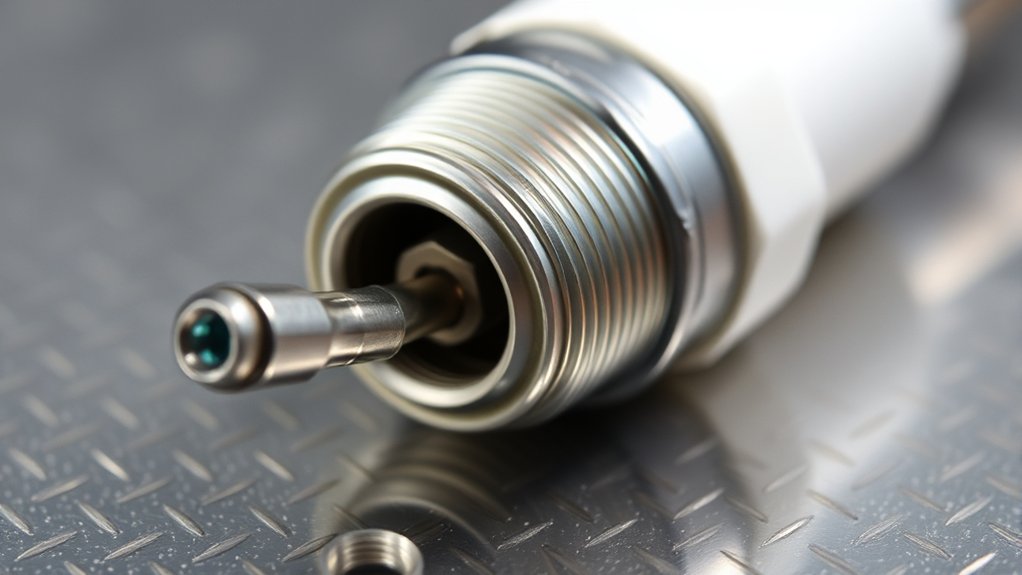
How Long Do Iridium Spark Plugs Last and When to Replace Them
Are you tired of your car’s performance feeling off or dealing with unexpected stalls? You’re not alone—many drivers struggle with maintaining their engine’s health and getting the most out of their spark plugs.
One common culprit is worn-out spark plugs, especially iridium ones, which are prized for their durability.
Iridium spark plugs typically last between 75,000 and 100,000 miles, but tough driving conditions, poor fuel quality, or engine issues can shorten their lifespan.
You should replace them when you notice signs like engine misfires, rough idling, or decreased performance.
Regular inspections help catch wear early.
If you want to keep your engine running smoothly and learn more about proper replacement intervals, keep exploring the details below.
Key Takeaways
- Iridium spark plugs usually last between 75,000 and 100,000 miles. Some can go even up to 120,000 miles if taken care of properly.
- It’s a good idea to replace them every 80,000 to 100,000 miles. But also keep an eye out for signs of wear, like misfires or rough idling.
- Regular inspections during your maintenance routine can help catch early electrode wear. This way, you can prevent potential engine problems before they get worse.
- Keep in mind that extreme driving conditions, poor fuel quality, or engine issues can shorten their lifespan.
- Proper installation and routine maintenance will help extend their durability. It also ensures your engine runs smoothly and at its best.
What Are Iridium Spark Plugs and How Do They Work?
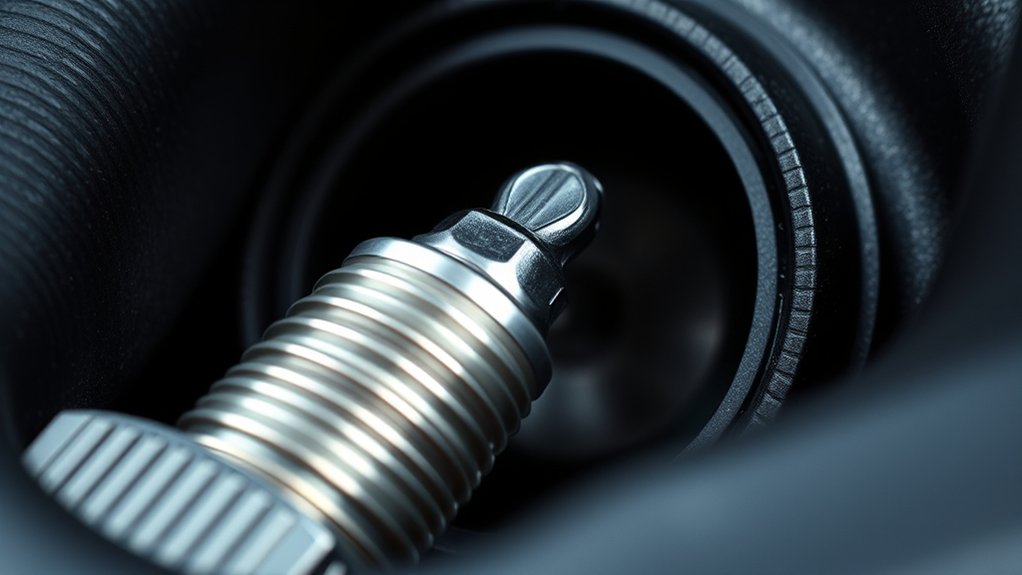
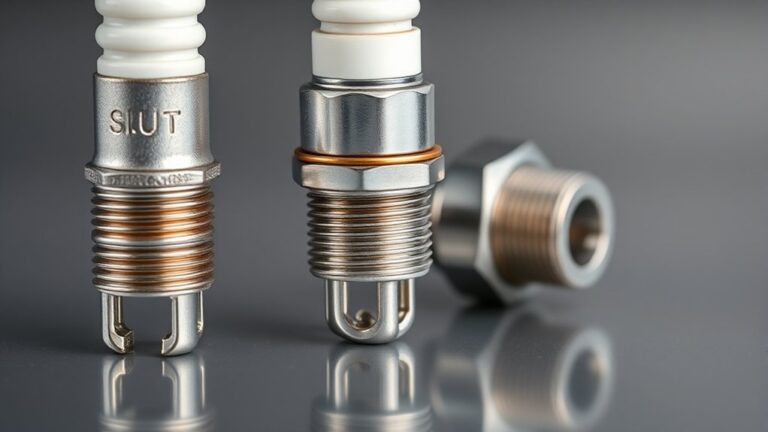
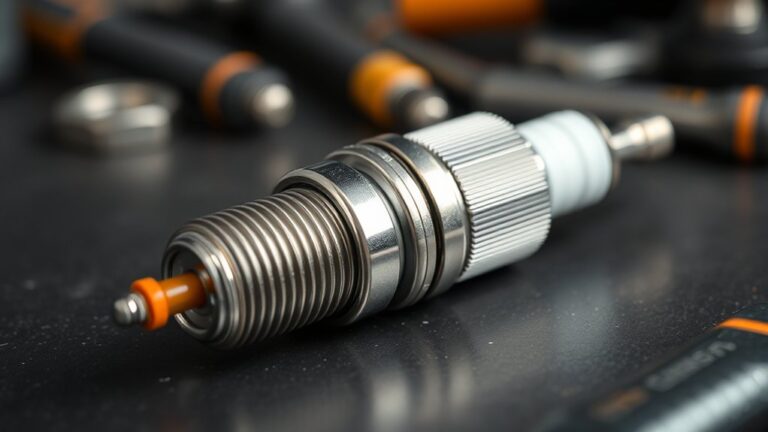
Iridium spark plugs are special ignition parts that have a tiny, tough iridium wire at their center. This material is known for being durable and conducting electricity well, making it great for reliable engine performance.
Iridium works at higher temperatures, which helps prevent fouling and makes the spark plug last longer. The iridium tip is much more resistant to wear than traditional nickel or platinum electrodes, so you won’t need to replace them as often.
Iridium tips resist wear and operate at higher temperatures, extending spark plug life and preventing fouling.
Its high melting point—around 2,446°C or 4,435°F—lets it handle the intense heat during combustion without breaking down. These features improve ignition reliability and performance, giving a stable, precise spark that keeps your engine running smoothly.
Because of all this, iridium spark plugs are popular with drivers looking for durability and consistent performance.
How Long Do Iridium Spark Plugs Usually Last?
Iridium spark plugs usually last between 75,000 and 100,000 miles. Some high-quality ones can go even beyond that.
How long they last really depends on your driving habits and the condition of your engine.
Most manufacturers suggest replacing them around the 100,000-mile mark to keep things running smoothly.
Typical Lifespan Range
Most iridium spark plugs usually last between 75,000 and 100,000 miles when you’re driving normally. Many manufacturers suggest replacing them around the 100,000-mile mark for the best performance.
Some high-quality iridium plugs can even go up to 120,000 miles before needing a change. Their long lifespan is thanks to the durable iridium fine-wire center electrodes they use.
But keep in mind, how long they last can depend on your driving habits, engine health, and how well you maintain your vehicle. If you mostly drive in city traffic or skip regular tune-ups, your plugs might wear out sooner.
On the flip side, careful driving and routine maintenance can help prolong their life, keeping your engine running smoothly for as long as possible.
Factors Influencing Durability
Several factors can influence how long your iridium spark plugs last, beyond their typical lifespan. The durability of iridium plugs depends heavily on operating conditions. Aggressive driving, high temperatures, or poor fuel quality can speed up wear and reduce their lifespan.
Although iridium’s fine-wire electrodes resist wear and rounding better than traditional plugs, extreme conditions still take a toll. Proper installation and avoiding engine misfires help maximize their durability.
Most manufacturers and vehicle owners consider a 100,000-mile replacement interval standard, but this can vary based on your driving habits and environment. Ultimately, while iridium spark plugs are designed for longevity, understanding these factors helps you know when to replace them and keep your engine running smoothly.
What Factors Affect the Lifespan of Iridium Spark Plugs?
Your driving habits and vehicle condition play a big role in how long iridium spark plugs last. Aggressive driving puts more stress on the engine and speeds up wear, so your spark plugs can wear out sooner.
Your driving style and vehicle health significantly impact the lifespan of iridium spark plugs.
Poor fuel quality and contaminants can foul the plugs, reducing their lifespan and causing misfires. Engine problems like oil or coolant leaks can damage the electrode and lead to early degradation.
Extreme temperatures and environmental pollutants like dirt and chemicals also speed up electrode erosion. Proper installation, including the right torque and gap settings, is key to getting the most durability out of your spark plugs.
If these factors aren’t kept in check, your iridium spark plugs are more likely to fail early, which can hurt your engine’s performance. Paying attention to these things helps extend their life and keeps your engine running smoothly.
How Can You Tell When Your Iridium Spark Plugs Need Replacing?
Recognizing when your iridium spark plugs need replacing is key to keeping your engine running smoothly. During regular maintenance, check for visible signs of wear like eroded electrodes, an increased gap, or carbon fouling.
These issues can lead to misfires, rough idling, and decreased acceleration. If you notice your engine isn’t running as smoothly, it might be time to inspect your spark plugs.
A drop in fuel efficiency is another sign that your spark plugs aren’t firing properly anymore. If your engine struggles to start or hesitates during acceleration, those are red flags too.
To be sure, consider using diagnostic tools or getting a professional inspection. Catching these signs early helps keep your engine performing at its best and ensures your spark plug maintenance is on point.
When Should You Replace Your Iridium Spark Plugs?
You should consider replacing your iridium spark plugs around the 100,000-mile mark or sooner if you notice engine misfires, rough idling, or reduced fuel efficiency.
Regular inspections during maintenance can help catch signs of wear early. Following your vehicle manufacturer’s recommendations guarantees your engine runs smoothly and lasts longer.
Mileage Milestones for Replacement
Iridium spark plugs are known for their durability, often lasting between 75,000 and 100,000 miles before needing replacement. Most vehicle manufacturers suggest replacing iridium plugs around the 100,000-mile mark to keep your engine running smoothly.
Many owners choose to replace them during major maintenance intervals, like at 100,000 miles. While slight wear or gap changes can happen before that, they usually don’t need replacing before 75,000 miles.
Waiting too long can reduce efficiency, but many drivers find that following these mileage milestones is a good guideline. Regular inspections after 80,000 miles are recommended to catch any early signs of wear.
In the end, sticking to these mileage milestones helps ensure your engine runs smoothly and efficiently.
Signs of Wear and Damage
Even if your iridium spark plugs are nearing the 100,000-mile mark, it’s important to watch for signs they might need replacing sooner. Worn plugs can cause engine misfires, rough idling, and hesitation during acceleration.
Look for visible signs like rounded or worn firing points and deposits on the electrode tips. Decreased fuel efficiency and difficulty starting the engine also suggest the plugs are worn out.
As iridium plugs age beyond their recommended lifespan, they become more prone to damage and misfiring. Regular inspection helps catch these issues early, especially if you notice performance problems or high mileage.
Replacing worn plugs promptly keeps your engine running smoothly and maintains excellent efficiency.
Maintenance Schedule Recommendations
Maintaining ideal engine performance depends on timely spark plug replacements, and following a proper maintenance schedule is essential. For iridium spark plugs, the recommended schedule is usually every 80,000 to 100,000 miles.
Many vehicle manufacturers suggest inspecting the spark plugs around the 100,000-mile mark during routine maintenance to ensure they’re still working properly. Regular checks during oil changes or major service intervals can help spot wear early.
If you tend to drive aggressively or use poor-quality fuel, your spark plugs might need replacing sooner—around 60,000 to 80,000 miles. Pay attention to signs like misfires or decreased fuel efficiency, and follow your manufacturer’s schedule to keep your engine running smoothly.
What Are Signs of Early Wear or Failure in Iridium Spark Plugs?
Recognizing early signs of wear or failure in spark plugs is key to keeping your engine running smoothly.
Signs of early failure include decreased fuel efficiency and difficulty starting your vehicle.
You might notice rough idling, engine misfires, or hesitation during acceleration, which means the plugs aren’t firing properly.
Visually, worn iridium spark plugs often show eroded or rounded firing points on the electrodes.
If the gap widens or deposits build up significantly, it signals that the spark plug is nearing failure.
These issues can cause sluggish throttle response and reduced engine performance.
Addressing these signs early helps prevent further damage and keeps your engine running at its best.
Regular inspections are essential to catch these early warning signs before they cause more serious problems.
How Can You Extend the Life of Your Iridium Spark Plugs?
To get the most out of your iridium spark plugs, you need to take proactive steps that can significantly extend their lifespan. Proper maintenance and smart driving habits are key to maximizing their durability.
Here are some tips:
Use high-quality fuel to reduce carbon buildup and prevent fouling of the iridium electrodes. This helps keep the plugs clean and functioning properly.
Using premium fuel minimizes carbon deposits and keeps iridium spark plugs clean and efficient.
Make sure your engine is properly tuned and avoid aggressive driving, which can speed up wear and tear on the plugs.
Follow the manufacturer-recommended service intervals, usually around 100,000 miles. During replacements, check the spark plug gapping and torque to ensure everything is set correctly.
What Happens If You Don’t Replace Worn Iridium Spark Plugs?
If you ignore worn iridium spark plugs, your engine’s performance will suffer, leading to rough idling and power loss. You might notice your vehicle doesn’t run as smoothly as it should.
You’ll also see increased fuel consumption and a higher chance of damaging your ignition system. Over time, this can lead to costly repairs and more serious engine problems.
Reduced Engine Performance
When iridium spark plugs become worn, your engine’s performance takes a hit. You’ll likely notice engine misfires and rough idling, which makes your drive less smooth.
You might also have trouble starting your vehicle, especially in cold weather. Reduced engine power can lead to sluggish acceleration, making driving less responsive.
As the firing points wear and round off, spark efficiency drops, causing these issues. This decrease not only affects how your engine runs but can also lower your fuel economy, sometimes by several miles per gallon.
Ignoring worn plugs can lead to incomplete combustion, engine misfires, and increased emissions. Over time, this can damage spark plug coils or other ignition parts, further harming your engine’s health.
Replacing your spark plugs on time is crucial to keep your engine running at its best. Regular maintenance helps prevent more serious problems down the road.
Increased Fuel Consumption
Have you noticed your vehicle consuming more fuel than usual? Worn iridium spark plugs can cause incomplete combustion, which reduces fuel efficiency.
As the electrodes wear down, the spark weakens, meaning your engine needs more fuel to ignite the mixture properly. If you ignore replacing these spark plugs, engine misfires become more frequent.
This prompts the engine control unit to inject extra fuel to compensate. Studies show that neglecting to replace iridium spark plugs can increase your fuel costs by up to 15%.
Regularly swapping out worn plugs helps maintain ideal fuel economy and prevents unnecessary fuel waste. Keeping your iridium spark plugs in good condition supports efficient combustion and saves you money at the pump.
Potential Engine Damage
Neglecting to replace worn iridium spark plugs can lead to serious engine issues because degraded plugs fail to ignite the fuel mixture efficiently. This can cause misfires, unburned fuel, and higher emissions.
Over time, the engine may start knocking or hesitating, which puts pistons and valves at risk of damage. Reduced ignition efficiency forces your engine to work harder, speeding up wear on other parts.
Ignoring these signs increases the chances of engine damage, including overheating and fouling the catalytic converter.
Here’s what can happen:
- Engine knocking or hesitation that damages pistons and valves
- Increased wear on ignition coils and electrical components
- Overheating and a shortened engine lifespan
Replacing spark plugs on time helps prevent costly repairs and keeps your engine running smoothly.
Should You Replace Iridium Spark Plugs Yourself or Have a Professional Do It?
Deciding whether to replace iridium spark plugs yourself or have a professional do it depends on your experience and comfort with car maintenance.
Choosing to replace iridium spark plugs yourself depends on your experience and confidence in car maintenance.
If you’re skilled and have the right tools, DIY replacement can save money and be straightforward, as long as you follow manufacturer instructions and torque specifications carefully.
However, professionals ensure correct installation, proper gap setting, and reduce the risk of damaging delicate iridium electrodes.
Many automakers recommend professional service to maintain warranty coverage and guarantee proper functioning.
Routine inspections by a professional can spot early wear, helping you avoid potential issues before the typical 100,000-mile lifespan.
If you’re unsure or inexperienced, trusting a professional guarantees the job is done right and helps protect your engine’s performance and longevity.
Do Regular Replacements Improve Engine Performance and Fuel Economy?
Replacing iridium spark plugs at regular intervals directly affects your engine’s performance and fuel efficiency. When your spark plugs stay fresh, you get better combustion, which makes your engine more responsive and powerful.
Regular replacements also help boost fuel economy by ensuring complete combustion and cutting down on wasted fuel. Here are three main benefits:
- Smoother engine performance and operation
- Better fuel economy by preventing misfires and fuel loss
- Longer engine life by reducing strain and potential damage
Worn or dirty spark plugs can cause misfires and power dips. Replacing them on time keeps your engine running smoothly. By keeping your iridium spark plugs up to date, you’ll enjoy improved performance, better fuel economy, and a longer-lasting engine overall.
How Do OEM and Aftermarket Iridium Spark Plugs Compare in Durability?
When comparing OEM and aftermarket iridium spark plugs, it’s key to know that both are built for reliable performance and durability, but they often differ in construction and lifespan.
OEM plugs, like NGK Laser Iridium and Denso Long-Life Iridium, are made specifically for your vehicle. They typically last between 80,000 to 120,000 miles.
OEM iridium spark plugs are designed for your vehicle and last between 80,000 to 120,000 miles.
Aftermarket options, such as Autolite Iridium XP and Bosch Iridium, usually last around 100,000 miles. They may use different materials or designs, like fine-wire centers or platinum tips, to boost durability.
However, factors like driving conditions, engine maintenance, and installation quality can affect how long they last. Overall, OEM plugs tend to offer more predictable durability.
But high-quality aftermarket plugs can match or even beat OEM longevity when used under ideal conditions.
Are Myths About Iridium Spark Plug Longevity True or False?
While iridium spark plugs are known for their durability, there are many myths about how long they last. Many people believe they last forever, but they usually last around 100,000 miles with proper maintenance.
Some think iridium plugs are immune to wear, but they still experience electrode wear and can fail sooner under tough conditions. The idea that they never need replacing is false; most manufacturers recommend changing them every 100,000 miles or sooner.
Many drivers assume iridium plugs are indestructible, but extreme operating conditions can significantly shorten their lifespan. To sum up, remember that iridium spark plugs don’t last forever. They can wear out under tough conditions, so regular replacement is key for optimal performance.
Frequently Asked Questions
Is There a Downside to Iridium Spark Plugs?
Yes, there are downsides to iridium spark plugs. They can be more expensive to replace, which might be a consideration for some.
If used in engines not designed for them, they might foul or perform poorly. Their hardness makes them difficult to service or replace if damaged.
Neglecting signs of wear can lead to engine misfires or damage. Since they last a long time, you might delay replacements, risking engine performance.
What Spark Plugs for 06 Sienna?
Imagine your 2006 Sienna as a well-tuned orchestra, and the spark plugs as the conductor’s baton. For maximum harmony, you should choose NGK or Denso iridium spark plugs, which are like the seasoned maestros of the ignition world.
These plugs guarantee smooth starts and fuel efficiency, lasting about 100,000 miles. Regular checks after 75,000 miles help keep your vehicle performing at its best, like a symphony in perfect tune.
What Kills Spark Plugs Quickly?
Poor engine tuning, incorrect heat range plugs, and frequent short trips can quickly kill your spark plugs.
Running your engine with contaminants like oil, coolant, or fuel additives also fouls the electrodes, leading to early failure.
Using low-quality or counterfeit spark plugs speeds up wear too.
To keep your spark plugs lasting longer, maintain proper engine health, choose the right plugs, and avoid aggressive driving habits.
How Often Should I Change Iridium Spark Plugs?
You should replace your iridium spark plugs roughly every 75,000 to 100,000 miles. Did you know they last nearly twice as long as traditional plugs?
To keep your engine running smoothly, check them regularly for wear, especially if you tend to drive aggressively or in stop-and-go traffic.
It’s a good idea to align replacements with major maintenance like timing belt changes for convenience.
Sticking to this schedule helps ensure maximum performance and fuel efficiency.
Conclusion
Regularly replacing your iridium spark plugs can keep your engine running smoothly and boost fuel efficiency.
Neglecting them might lead to rough idling or reduced power—like skipping maintenance and ending up with costly engine repairs.
By staying on top of maintenance, whether doing it yourself or having a professional handle it, you’ll enjoy better performance and longer-lasting engine health.
Don’t wait until your performance drops. Timely replacements of your iridium spark plugs are the best way to ensure a reliable, efficient ride.