How Do Fuel Injectors Work?
If you’ve ever experienced rough acceleration, poor fuel efficiency, or engine hesitation, you’re not alone. Many car owners struggle to understand what’s happening under the hood. One key part that often causes these issues is the fuel injector.
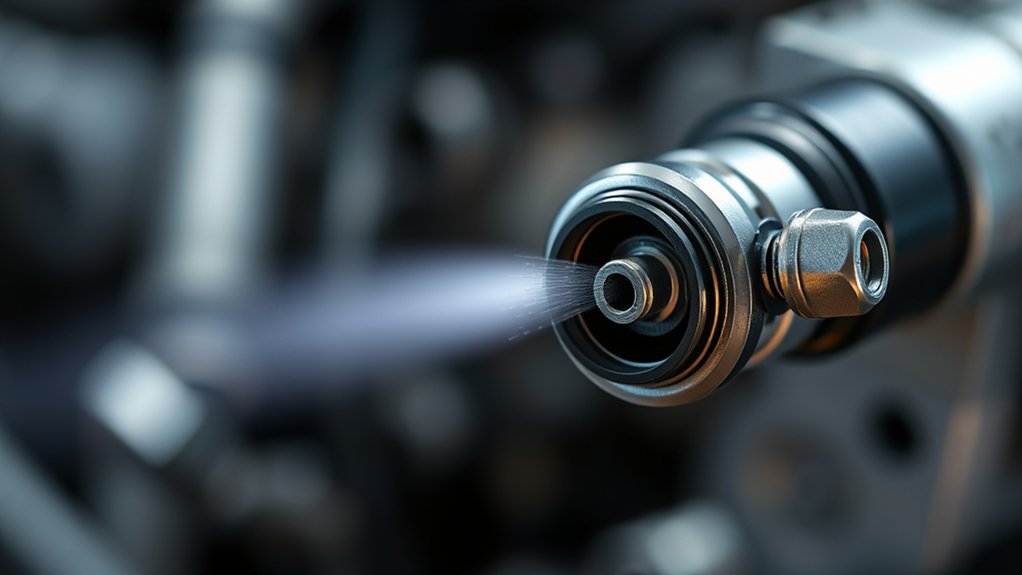
Fuel injectors spray fuel as a fine mist directly into your engine’s combustion chambers or intake ports, controlled by the ECU. They operate at high pressure, opening and closing precisely to deliver the right amount of fuel at the right time.
Different types, like direct or indirect injectors, work with various components such as fuel pumps and pressure regulators to guarantee smooth and efficient combustion.
If you want to understand how these parts work together, keep exploring.
Key Takeaways
– Fuel injectors spray a fine mist of fuel into the engine’s intake or combustion chamber at high pressure for efficient mixing.
They are electronically controlled to open and close precisely. This regulation helps control how much fuel is delivered based on what the engine needs at any given time.
The ECU signals the injectors to fire at specific moments, which helps optimize combustion and overall engine performance.
There are different types of fuel injectors, including port, single-point, and direct injectors. Each type has its own spray method and operates at different pressures.
Keeping injectors properly maintained is important. It helps prevent clogging and ensures they deliver the right amount of fuel for smooth, reliable operation.
How Fuel Injectors Spray Fuel Into the Engine
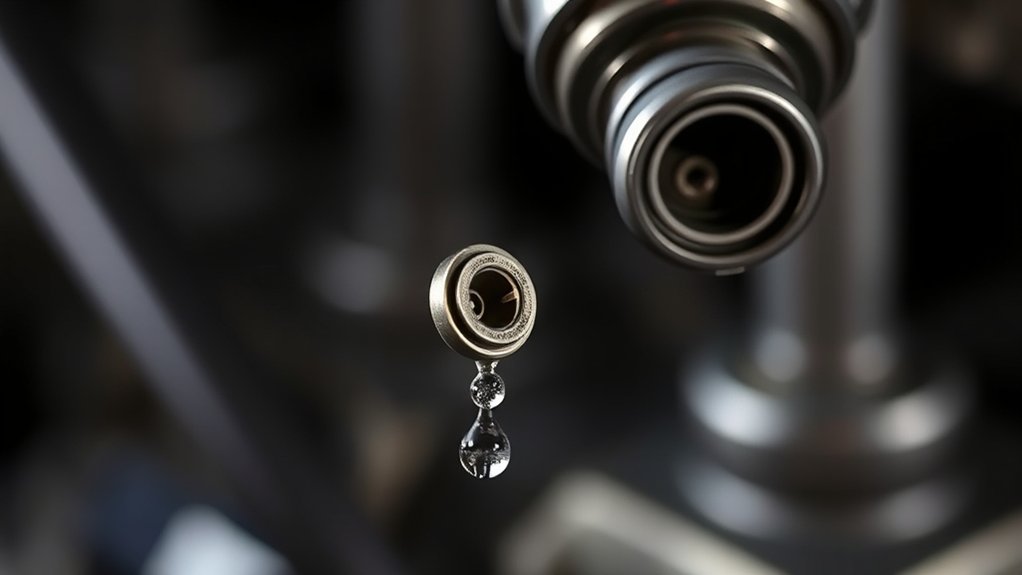
Fuel injectors spray fuel into the engine by releasing a fine mist through a spray nozzle, which atomizes the fuel for efficient combustion. When the injector opens, fuel is sprayed at high pressure, often up to 3,000 psi, creating a high-velocity mist.
This spray pattern is carefully designed to thoroughly atomize the fuel, making sure it mixes well with air for complete combustion. The injector nozzle produces multiple spray pulses per cycle to optimize fuel atomization and distribution within the combustion chamber.
As the injector quickly opens and closes, it’s controlled electronically by the ECU to deliver the right amount of fuel needed for engine performance. This process ensures efficient fuel use and smooth engine operation.
Key Components of Fuel Injection Systems
Understanding the key components of fuel injection systems is essential for grasping how your engine operates efficiently.
The fuel pump pressurizes fuel from the tank and sends it through the fuel rail, which distributes the pressurized fuel to each injector. The fuel pressure regulator keeps the pressure at the right level, ensuring proper atomization and consistent fuel delivery.
Fuel injectors are electronically controlled valves that spray fuel directly into the combustion chamber or intake manifold. They do this based on signals from the engine control unit (ECU).
The ECU constantly monitors sensor data like air intake and engine temperature to coordinate injector operation and maximize performance. Additional parts like fuel filters, electrical wiring, and pressure sensors support the system’s reliability and precise fuel delivery for smooth engine operation.
How the ECU Controls Injection Timing and Duration
You rely on the ECU to precisely time when fuel is injected, using signals from sensors like the crankshaft and airflow sensors. It then adjusts how long the injectors stay open by controlling pulse widths.
This way, the ECU makes sure the right amount of fuel is delivered based on changing conditions. This dynamic control helps improve engine performance, reduce emissions, and boost fuel economy.
Timing Precision and Adjustment
How does the engine control unit (ECU) guarantee that fuel is injected exactly when and how much the engine needs? It does this through precise injection timing and adjustment.
The ECU uses input from sensors like the crankshaft position and airflow sensors to figure out the best moment in the injection cycle. It controls the timing by sending electrical pulse signals to the fuel injectors, where the pulse width determines how much fuel is delivered.
This process ensures fuel is injected just before the piston reaches top dead center, which maximizes combustion efficiency. The ECU keeps recalibrating the injection timing to adapt to real-time engine conditions.
Duration Control Mechanisms
The engine control unit (ECU) manages how long fuel is injected with precision. It calculates the needed fuel based on real-time sensor data like engine load, speed, and temperature.
It controls when the fuel injects by sending signals to the injector’s solenoid. The solenoid opens for a certain pulse width, which regulates how much fuel is delivered.
This pulse width, or open time, determines how long the injector stays open. That directly affects the amount of fuel injected and the injection duration.
The ECU constantly adjusts this duration on the fly to optimize engine performance, emissions, and fuel efficiency.
In more advanced systems, the ECU can control multiple injection events per cycle. It fine-tunes each pulse to improve atomization and combustion quality.
How Fuel Moves From the Pump to the Injector
Fuel travels from the tank to the injectors through a series of carefully managed steps. First, the fuel pump pulls fuel from the tank and pressurizes it to the right level.
Fuel moves from tank to injectors through a controlled, pressurized system.
This pressurized fuel then flows through fuel lines that connect the pump to either the fuel rail or directly to the injectors, depending on your system.
The fuel pressure regulator keeps the pressure steady, making sure the fuel flows properly and doesn’t get over-pressurized.
In indirect injection systems, the fuel moves to the injectors at the inlet manifold, while in direct injection, it flows to high-pressure injectors inside the combustion chamber.
This pressurized fuel is then ready for the injectors to atomize and deliver into the engine, completing the fuel delivery system.
Different Types of Fuel Injectors and How They Work
There are different types of fuel injectors, each with their own mechanisms and advantages. Knowing how they work can help you understand their maintenance needs and how they affect your engine’s performance.
Let’s take a look at the various types and how they operate to boost your engine’s efficiency.
Types of Fuel Injectors
Different types of fuel injectors are designed to deliver fuel efficiently and precisely based on engine requirements. Electronic fuel injectors, including multi-point systems, use solenoids or piezoelectric elements to control fuel delivery with high accuracy.
Multi-point injectors spray fuel into each cylinder’s intake port, offering better mixture control. Single-point injectors, often found in older systems, deliver fuel through a single nozzle.
Direct injectors spray fuel directly into the combustion chamber at pressures exceeding 30,000 PSI in diesel engines, providing precise control over combustion.
The injector system’s design varies depending on the application, fuel type, and engine specifications. Whether using standard or high-pressure injectors, each type plays a crucial role in optimizing fuel spray and ensuring efficient engine performance.
How Injectors Operate
Understanding how fuel injectors operate requires examining the mechanisms that control fuel delivery into your engine. Fuel injectors are electronically controlled valves that open and close in precise timing, allowing fuel to spray into the combustion chambers or intake manifold.
Electronically controlled injectors use solenoids managed by the ECU to guarantee accurate metering of fuel, optimizing performance and emissions. In port fuel injection systems, injectors deliver a fine, atomized spray into the intake ports, where it mixes with air before entering the cylinders.
In direct injection, fuel is sprayed directly into the combustion chambers at very high pressures. The timing and duration of injector openings, called pulse width, are carefully controlled by the ECU to achieve the right fuel-air mixture for efficient combustion.
Injector Maintenance Tips
Maintaining your fuel injectors is crucial for keeping your engine running smoothly. Different types like pintle, piezoelectric, and solenoid injectors each have their own features and needs.
Regular cleaning helps prevent clogs from fuel deposits. These deposits can mess up spray patterns and lower efficiency. During maintenance, check electrical connections for corrosion or looseness, since faulty wiring can cause issues.
Replacing filters is key to stopping debris from getting in and causing blockages. Also, test the spray pattern to make sure fuel atomizes correctly and flows evenly. Proper maintenance keeps injectors working well, lasts longer, and boosts engine performance.
Address clogs quickly and keep injectors clean to maintain ideal spray patterns. This helps improve efficiency and reliability for miles to come.
What Are Direct and Indirect Injection Systems?
Have you ever wondered how engines deliver fuel to maximize performance? The answer lies in different fuel injection systems.
In direct injection, fuel is sprayed directly into the combustion chamber at high pressure, often over 30,000 psi. This gives you precise control over fuel delivery and timing.
Direct injection sprays fuel directly into the chamber at over 30,000 psi for precise control and improved performance.
This improves atomization, power output, and fuel economy. Conversely, indirect injection introduces fuel into the intake manifold or port, mixing with air outside the combustion chamber before entering the cylinder.
This simpler system has been common in older engines. While direct injection boosts engine efficiency and performance, indirect injection remains easier and less costly to produce.
Both systems play a crucial role in how your engine manages the air-fuel mixture for ideal combustion.
Signs Your Fuel Injectors Might Be Failing
Fuel injectors can develop problems over time, and catching the signs early can help prevent serious engine damage. Common signs include engine misfires, rough idling, or hesitation when you accelerate.
You might also notice decreased fuel efficiency or a fuel smell, which can mean injector issues or leaks. Fuel leaks are especially concerning because they can cause emissions problems and even pose fire hazards.
If your engine stalls or hesitates during acceleration, it’s probably due to dirty or failing injectors. Diagnostic tests like checking injector pulse width or resistance can help confirm if there’s a problem.
Keep an eye out for these signs to avoid costly repairs and to keep your engine running smoothly.
Benefits of Fuel Injection: Better Performance and Lower Emissions
Modern fuel injection systems give you precise control over the air-fuel mixture, which really boosts your engine’s performance and responsiveness. By atomizing fuel into a fine mist, fuel injectors make sure the combustion is complete, improving both performance and efficiency.
The electronic control unit (ECU) adjusts fuel delivery in real-time, optimizing combustion and cutting down on emissions. This precise injection helps lower pollutants like nitrogen oxides and particulate matter, supporting cleaner air standards.
Plus, better fuel atomization means better fuel economy, saving you money and reducing environmental impact. Overall, fuel injection leads to smoother throttle response, more efficient operation, and cleaner emissions, making your vehicle more eco-friendly.
Common Fuel Injector Problems and How to Fix Them
Clogged fuel injectors are a common issue that can seriously affect your engine’s performance. They’re often caused by impurities or carbon buildup from contaminated fuel.
Clogged fuel injectors can impair engine performance due to impurities and carbon buildup.
When injectors get clogged, you might notice rough idling, misfires, worse fuel economy, or hesitation during acceleration. Regular cleaning with fuel system additives or professional ultrasonic cleaning can help remove deposits and restore efficiency.
Diagnostic tools like flow rate tests and resistance measurements can spot faulty injectors that need repair or replacement. Common problems include electrical issues, leaks, or deposits from contaminated fuel.
Addressing these issues early helps prevent further damage and keeps your engine running smoothly. Regular maintenance and timely diagnosis are key to avoiding costly repairs and ensuring your fuel injectors work properly.
Frequently Asked Questions
What Kills Fuel Injectors?
Fuel injectors get killed by impurities and debris in your fuel, which clog and damage them over time.
Poor maintenance, like excessive idling or using low-quality fuel, leads to carbon buildup and deposits that impair their function.
Electrical issues, such as faulty wiring or solenoids, can prevent them from opening or closing properly.
Wear and corrosion cause leaks or failure, ultimately rendering your injectors inoperative.
How Do I Know if a Fuel Injector Is Bad?
You’ll know a fuel injector is bad if your engine idles roughly, misfires, or if your fuel economy drops.
Watch for engine knocking or unusual noises, and check for fuel leaks around the injector.
An engine warning light or trouble codes related to the fuel system also signal a problem.
You can perform diagnostic tests like checking resistance or flow rate to confirm if an injector is malfunctioning.
Do Cummins Have Injectors?
Yes, Cummins engines have injectors. You’ll find high-pressure electronic fuel injectors in these engines, precisely controlled by the ECU to boost performance and cut emissions.
These injectors are built tough, often handling pressures over 30,000 PSI, to guarantee efficient fuel atomization. Modern Cummins engines rely on advanced electronic systems, making sure your engine runs smoothly and powerfully.
This shows that they’re built to last no matter the heavy-duty job.
How Many Fuel Injectors Does a Hyundai Sonata Have?
You’ll find that most Hyundai Sonatas have four fuel injectors, one for each cylinder. These injectors are precisely controlled by the engine control unit (ECU) to deliver the right amount of fuel.
In some models with turbocharged engines, there might be more injectors or multiple injectors per cylinder. But most often, the number matches the engine’s four cylinders, ensuring peak fuel delivery and engine performance.
Conclusion
Understanding how fuel injectors work helps you appreciate the complexity behind smooth engine performance. Whether you’re diagnosing issues or just curious, knowing the components and their functions is key.
Remember, “a stitch in time saves nine,” so addressing injector problems early can save you money and hassle down the road. Keep your fuel system in check, and your engine will reward you with better mileage, power, and lower emissions.