Can Diesel Fuel Freeze?
Are you worried about your diesel engine failing during cold weather? Many people struggle with fuel gelling and filter blockages when temperatures drop. You’re not alone—keeping your engine running smoothly in winter can be tricky.
Diesel doesn’t freeze like water; instead, it gels when paraffin wax crystals form at cold temperatures, which can block filters and fuel lines. Pure #1 diesel resists gelling down to -40°F, but #2 diesel starts to gel between 19°F and 10°F.
Using winter blends, additives, or proper maintenance can prevent gelling and guarantee your engine runs smoothly.
To find out how to protect your diesel engine in cold weather, keep exploring this topic.
Key Takeaways
- Diesel doesn’t freeze like water; instead, it gels when paraffin wax crystals start to form at low temperatures.
- Pure #1 diesel can resist gelling down to about -40°F, but #2 diesel tends to gel between 10°F and 19°F.
- When diesel gels, it impairs fuel flow, which can cause engine problems during cold weather.
- Residual water in diesel can freeze as well, forming ice crystals that clog filters and fuel lines.
- To prevent diesel from gelling or freezing in cold temperatures, many people use winter blends and additives.
Does Diesel Freeze in Cold Weather?
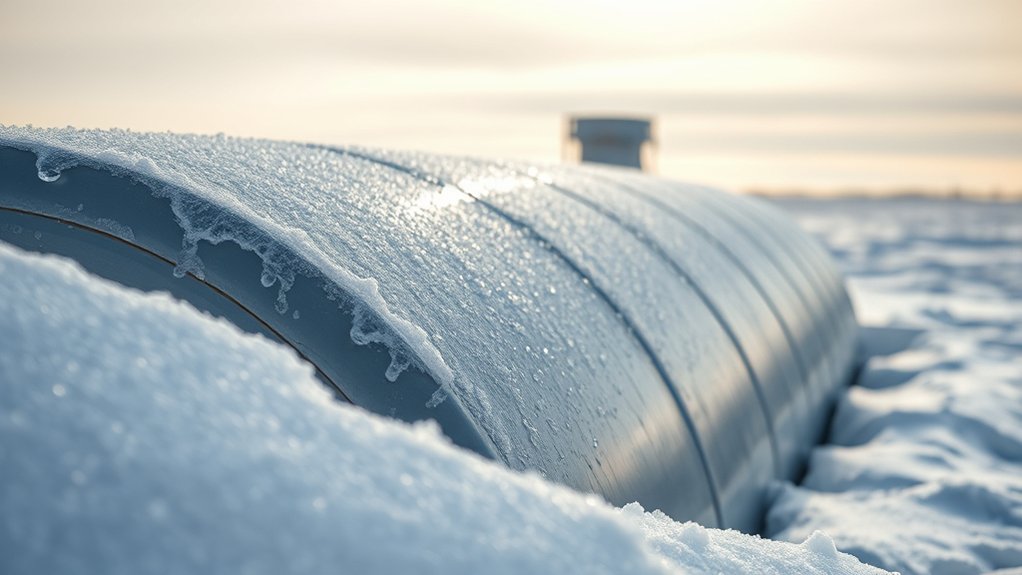
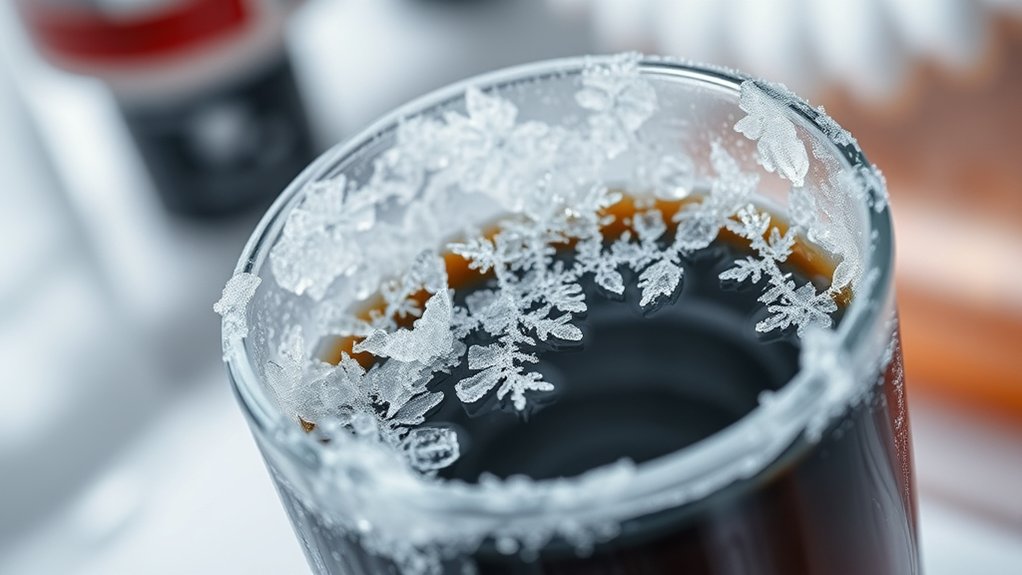
Many people wonder if diesel fuel actually freezes in cold weather, but the answer is more nuanced than a simple yes or no. Instead of freezing like water, diesel gelling occurs when paraffin wax crystals form, which thickens the fuel and hampers flow.
Diesel doesn’t freeze like water; it gels when wax crystals form, blocking fuel flow.
The freezing point of diesel isn’t a fixed number; it varies based on the blend. Pure #1 diesel resists gelling down to -40°F, while #2 diesel begins to gel between 19°F and 10°F.
During winter, diesel can become cloudy and waxy, affecting engine performance. To prevent this, drivers often use winter diesel formulations or additives that lower the gelling temperature.
Proper winterization techniques help guarantee your diesel keeps flowing, even in the coldest temperatures.
At What Temperature Does Diesel Gel or Solidify?
You’ll notice that diesel begins to gel between 19°F and 10°F because wax crystals start forming.
The type of diesel you use really makes a difference: #1 diesel resists gelling down to -40°F, while #2 gels at higher temperatures.
Knowing these gelling points helps you prepare for cold weather and avoid fuel flow problems.
Gelling Temperature Range
| Gelling Temperature | Paraffin Wax Crystals | Cloud Point Range |
|---|---|---|
| 19°F to 10°F | Solidify at low temps | -18°F to +40°F |
| -40°F (winter diesel) | Resistant to gelling | -18°F to +40°F |
| Normal diesel | Gels above 19°F | -18°F to +40°F |
Understanding these helps you prevent fuel gelling during winter.
Impact of Diesel Types
Ever wonder at what temperature diesel begins to gel or lose its flow? The answer varies with diesel types.
#2 diesel typically gels between 19°F and 10°F, while #1 diesel resists gelling down to -40°F. This difference comes from their paraffin wax content, which causes gelling at the cloud point—usually near 32°F to 21°F.
The gel point is critical for cold-weather operability, as it shows when diesel becomes waxy and less fluid. Diesel blends and additives can significantly lower the gel point, helping engines run smoothly in colder temperatures.
Understanding these variations helps you choose the right diesel for winter conditions, making sure your fuel stays pumpable and effective even when it’s freezing outside.
How Do Winter Blends and Additives Prevent Diesel Gelling?
Winter blends include more #1 diesel, which has a lower gel point. This helps keep your fuel flowing in cold weather.
Additives like cold flow improvers break down wax crystals, preventing filters from clogging.
Lowering Cloud Point
How do winter blends and additives prevent diesel gelling? They lower the cloud point, which is the temperature where paraffin wax starts to crystallize and cause gelling.
Blending #1 diesel with #2 diesel or adding cold flow improvers helps keep the paraffin wax bonds dissolved. This reduces crystal size and keeps the fuel flowing smoothly in cold weather.
Adding about 20% kerosene to #2 diesel further lowers the cloud point, making it better suited for freezing temperatures. Using premium winterized diesel fuels with special additives also helps prevent gelling.
To stay reliable during cold weather, it’s a good idea to test and adjust your fuel blends before the cold sets in. Properly formulated winter diesel keeps your engine running smoothly in low temperatures.
- Lowers paraffin wax crystal formation
- Reduces cloud point effectively
- Maintains fuel flow at low temperatures
- Improves cold-weather operability
- Prevents gelling during freezing conditions
Enhancing Fuel Flow
To guarantee diesel fuel flows smoothly in cold weather, blending strategies and additives are key. Using a winter blend, like mixing #1 and #2 diesel or adding kerosene, lowers the cloud point and stops wax crystals from gelling.
Fuel additives such as cold flow improvers, or CFIs, help by shrinking wax crystals. This makes it easier for fuel to pass through filters without clogging.
Premium winterized diesel fuels with built-in additives offer extra resistance to gelling. They keep the fuel flowing even at temperatures as low as -30°F.
Proper blending and additive use are essential to prevent gelling. They keep the cold filter plugging point lower, ensuring smooth fuel flow in cold weather.
Here’s a quick comparison:
| Method | Effect |
|---|---|
| Winter blend | Lowers cloud point and gelling temperature |
| Fuel additives | Shrinks wax crystals, improves flow |
| Kerosene blending | Significantly decreases gelling point |
| Premium winterized fuels | Boosts resistance to gelling |
| Proper application | Ensures smooth fuel flow in cold weather |
What Are the Signs Diesel Is Gelling or Freezing?
When diesel starts to gel or freeze, you’ll notice some clear signs that something’s wrong. Gelling makes the fuel look cloudy or waxy, and you might even see waxy deposits in the fuel tank or filter.
You could also spot a thickened fuel filter or experience engine problems like rough idling, loss of power, or slow acceleration. A sudden drop in fuel flow or engine stalling during cold weather is another big red flag.
If your engine is hard to start after being exposed to cold, even when you have enough fuel, it might be frozen or gelled diesel. Keep an eye out for these signs:
- Cloudy or waxy fuel
- Waxy deposits in the filter
- Thickened fuel filter
- Engine stalling or sluggishness
- Reduced fuel flow and hard starts
How to Safely Thaw and Unfreeze Frozen Diesel
Once you’ve noticed your diesel fuel has gelled or frozen, the next step is to thaw it safely to prevent engine damage. The best approach is to move your vehicle to a warmer environment or garage to let the fuel warm naturally.
Thaw frozen diesel safely by moving your vehicle to a warmer environment to prevent engine damage.
Using a fuel tank heater or block heater can help gently melt the wax crystals in frozen fuel without damaging any components. Applying indirect heat, like heat lamps or warm towels around the fuel tank and filters, is a safe way to thaw without open flames.
Adding a diesel de-gel or anti-gel additive can speed up the thawing process by dissolving wax crystals more quickly. After the fuel has thawed, be sure to inspect and replace any clogged fuel filters and check the fuel lines to ensure proper flow.
Following these proper thawing techniques helps prevent damage and gets your diesel flowing smoothly again.
Does Red Diesel Freeze at the Same Temperature as Regular Diesel?
Red diesel and regular diesel have similar freezing points because their chemical compositions are alike, especially in aspects of paraffin wax content. Both contain paraffin wax that crystallizes at low temperatures, causing the fuel to gel.
The freezing point of red diesel is typically around -10°F to -20°F, which is comparable to regular diesel. Despite the dye used for tax purposes, their chemical properties, including how they react to cold, are nearly identical.
When temperatures drop, neither fuel truly freezes but gels due to wax crystallization. This gelling impacts flow and engine operation at low temperatures.
Both fuels gel at comparable low temperatures, and paraffin wax causes gelling, not freezing. Cold-weather precautions apply equally to both fuels.
The freezing point varies slightly with formulation, but generally, gelling impacts engine operation at low temperatures.
Can Water in Diesel Cause Freezing or Blockages?
Water in diesel can cause serious problems in cold weather by freezing and forming ice crystals that block fuel lines and filters. When water settles at the bottom of your tank, warm fuel can stir it up, increasing the chance of freezing.
Ice crystals start to develop at temperatures around 20-30°F. These crystals can clog filters and fuel lines, restricting fuel flow and potentially stalling your engine. Contaminated diesel with residual water is especially vulnerable to this.
To avoid issues, make sure to regularly drain water from your fuel tanks and separators. Proper maintenance helps reduce the risk of ice buildup and keeps your engine running smoothly.
Here’s a quick overview:
| Water in Diesel | Freezing Point | Effect on Filters |
|---|---|---|
| Residual water | 20-30°F | Clogs, blockages |
| Water settling | – | Ice crystal formation |
| Contaminated diesel | More prone | Increased risk |
Cold Weather Maintenance Tips to Protect Diesel Engines
Preparing your diesel engine for cold weather is key to preventing gelling and ensuring it runs reliably. Cold temps cause paraffin wax in diesel to crystallize, which can block fuel flow.
Preparing your diesel engine for cold weather prevents gelling and keeps it running reliably.
To protect your engine, try blending fuel with #1 diesel or kerosene, or add anti-gel additives made for winter. Using winterized fuels like Cenex WINTERMASTER or RUBY FIELDMASTER with cold flow improvers helps keep fuel flowing in low temps.
Installing block heaters, insulating fuel lines, and storing your vehicle in sheltered spots also help reduce gelling risks. Keep an eye on your fuel temperature and replace filters before extreme cold hits to avoid blockages.
Regular winter maintenance helps your diesel engine stay reliable, even in the harshest conditions.
When Should You Use Anti-Gel Additives in Winter?
You should start using anti-gel additives when temperatures are forecasted to drop to 19°F or lower.
If you notice fuel gelling or having trouble starting your engine, that’s a clear sign you need to add the additive.
It’s best to treat your fuel early in the winter season, before cold snaps arrive.
When Temperatures Drop Below 19°F
When temperatures forecast to drop below 19°F, it’s important to start using anti-gel additives in your diesel fuel. This helps prevent diesel gelling, which can clog filters and reduce engine performance.
Applying anti-gel additives early ensures wax crystals stay small, keeping fuel flowing smoothly. Waiting until gelling starts can be too late, so proactive use is key.
Always follow the manufacturer’s dosage instructions, especially as temperatures approach or fall below 19°F. Using anti-gel additives in winter fuel reduces the risk of filter plugging and engine issues caused by gelling.
- Apply anti-gel additives early to prevent gelling
- Follow dosage instructions carefully
- Use winter fuel formulated for low temperatures
- Monitor fuel temperature regularly
- Address fuel gelling risks before problems arise
Signs You Need Anti-Gel
As temperatures drop toward 19°F or lower, it’s important to watch for signs that your diesel fuel is starting to gel. Common signs include sluggish engine performance, difficulty starting, and a cloudy or sludgy fuel appearance.
When diesel begins to gel or clog filters in cold weather, it’s a clear sign you need to use anti-gel additives. These additives help dissolve wax crystals and prevent fuel flow problems.
Ideally, add anti-gel before temperatures hit 20°F, especially if a cold snap is coming. Regular use during winter keeps your fuel flowing smoothly and helps avoid costly filter blockages or engine shutdowns.
| Sign | Effect |
|---|---|
| Sluggish engine performance | Reduced power and acceleration |
| Hard starting | Longer cranking times |
| Cloudy or sludgy fuel | Visible signs of gelling |
| Filter plugging | Disrupted fuel flow and engine issues |
Common Mistakes to Avoid When Preventing Diesel Freezing
Many people mistakenly believe that diesel simply “freezes” like water, but in reality, it gels at low temperatures due to wax crystallization. This misconception can cause neglect of critical precautions to prevent fuel gelling.
Using untreated summer diesel in winter without adding fuel additives or switching to a winter blend increases the risk of gelling and filter plugging. Failing to monitor fuel temperature or signs of gelling during cold snaps delays response and worsens engine issues.
To avoid these mistakes, make sure you:
- Use appropriate fuel additives to lower the gelling point
- Switch to winter blend or #1 diesel before temperatures drop below 19°F
- Regularly check fuel temperature during cold weather
- Insulate tanks and install block heaters
Avoid relying solely on assumptions about diesel “freezing” to guide your winter preparations.
Frequently Asked Questions
How Do You Unfreeze Diesel Fuel?
To unfreeze diesel fuel, move your vehicle to a warmer area or use a block heater to warm the fuel system gradually. You can also add diesel de-gel additives to dissolve wax crystals.
Warming the fuel tank with heat lamps or space heaters helps melt ice or gelling, but avoid open flames. Replace clogged filters if needed, and make sure the entire system warms evenly to prevent damage.
How Cold Will Diesel Fuel Freeze?
You ask how cold diesel will freeze—well, it’s not exactly a winter villain. In reality, diesel rarely freezes solid, even in freezing temperatures.
It gells or waxes around 19°F to 10°F, but true freezing isn’t common unless you’re in Arctic territory. For most winter days, your diesel stays liquid, resisting the cold like a stubborn mule.
Only the most extreme cold, like -40°F, might really freeze #1 diesel.
How to Tell if Your Diesel Is Gelled Up?
You can tell your diesel has gelled if it looks cloudy, waxy, or sludgy, with a waxy or crystal-like film on the surface.
You might also notice sluggish engine response, difficulty starting, or rough idling. Fuel filters can become clogged or slow down quite a bit.
Reduced fuel flow and a noticeable loss of power in cold weather are strong signs that your diesel has gelled and needs attention.
Will a Diesel Start if It’s Gelled Up?
No, your diesel won’t start if it’s gelled up—unless you do something about it. When diesel gels, it gets thick and waxy, so the engine can’t ignite it.
To get it running again, you need to warm the fuel tank or use a block heater to melt the fuel. If you don’t, you risk damaging your engine’s fuel system.
Conclusion
So, stay savvy about your diesel’s destiny in the cold. With proper precautions, you can prevent pesky gelling and freezing frustrations from sabotaging your service. Use winter blends, additives, and smart maintenance to keep your diesel flowing freely.
By understanding the signs and staying proactive, you’ll safeguard your engine from the icy intrusions that threaten to halt your hustle. Keep your fuel flowing smoothly, even when Jack Frost tries to freeze your flow!
And yes, diesel fuel can freeze in very cold temperatures. But with the right precautions, you can keep it from turning into a solid block.