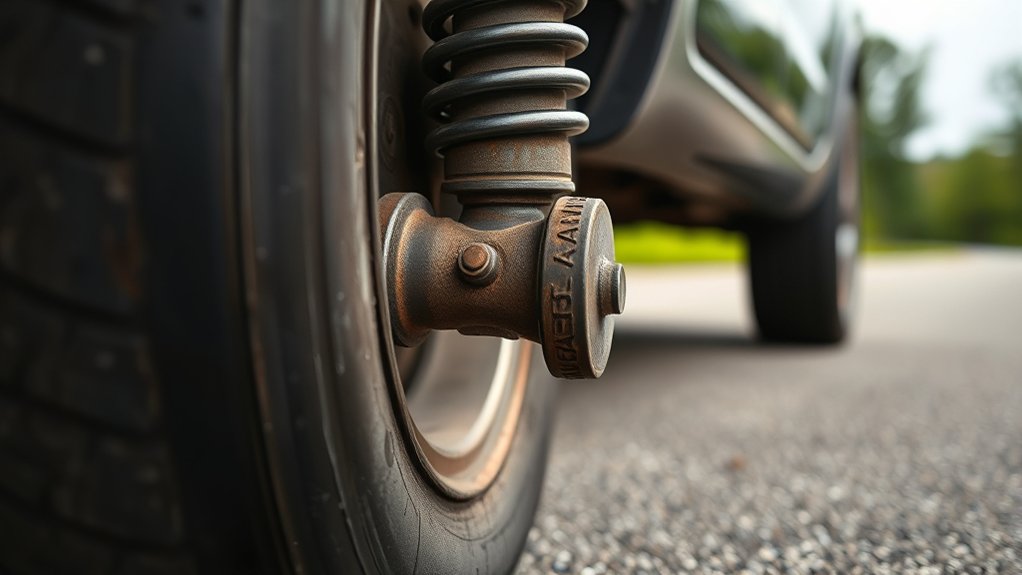
Do Bad Shocks Cause Vehicle Vibration?
Are you tired of feeling every bump and jolt while driving? Vehicle vibration can be frustrating and even nerve-wracking, especially on long trips or highway drives. Many drivers struggle with this issue and wonder what’s causing it. You’re not alone—bad shocks are a common culprit behind those unsettling vibrations.
Bad shocks can indeed cause vehicle vibration, especially over bumps and at highway speeds. When shocks wear out, they don’t absorb impacts properly, leading to increased bouncing and rough rides. This can make your vehicle feel unstable and amplify vibrations that travel through the suspension.
While worn shocks may be a cause, other issues like wheel imbalance or damaged rims could also be responsible. Keep exploring to understand how to identify and fix these problems effectively.
Key Takeaways
- Worn shocks can make your vehicle vibrate more by causing it to bounce excessively and feel unstable while driving.
- They might also contribute to vibrations at higher speeds by letting impacts pass through the suspension more easily.
- If you notice leaks, dents, or damage on your shocks, it’s likely they’re causing or making vibrations worse.
- Persistent vibrations even after you’ve balanced the wheels or aligned them could be a sign of shock issues.
- Keeping your shocks in good shape and replacing them when needed can help improve your ride and cut down on annoying vibrations.
Can Worn Shocks Cause Vibration at Highway Speeds?

Worn shocks can contribute to vehicle vibrations at highway speeds, but they’re rarely the main cause. When shocks are bad, they may cause a rough ride or bouncing, which can indirectly affect stability at high speeds.
Most high-speed vibrations are more often caused by wheel imbalance, bent rims, or drivetrain issues—not shocks alone. Replacing shocks might improve ride comfort if they’re severely leaking or damaged, but it usually won’t fix high-speed vibrations on its own.
Proper diagnosis involves checking suspension components and making sure wheels are properly balanced. Remember, worn shocks typically don’t directly cause high-speed vibrations, so it’s important to look into other possible causes if the problem persists.
How Do Shocks Affect Ride Comfort and Stability?
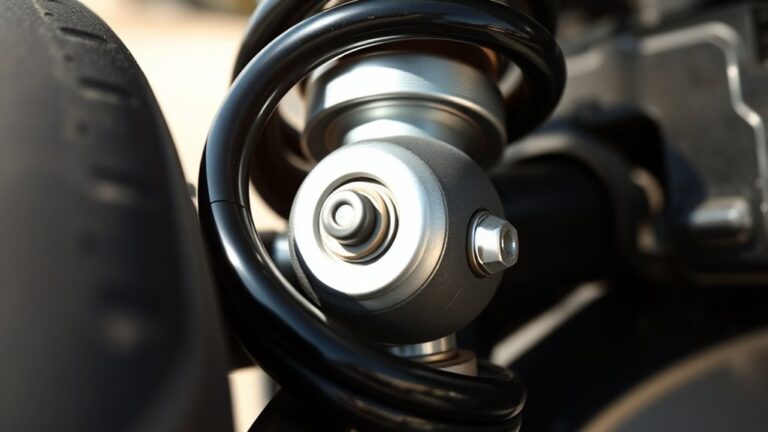
Shocks are key to keeping your ride comfortable and your vehicle stable by soaking up impacts from bumps and uneven roads. When they work properly, they stop most of the vibrations from reaching the inside of your car, making your ride smoother.
If your shocks are worn out or failing, they can’t do this job as well. That means more vibrations, especially on rough terrain or at high speeds, which makes your ride less comfortable. It can also affect how stable your vehicle feels.
Shocks help keep your suspension stable by reducing body roll and sway. When they deteriorate, your car might bounce excessively or feel unsteady, which impacts handling and your confidence behind the wheel.
Having properly working shocks is vital for both comfort and safety. They keep your vehicle stable and absorb shocks from the road, ensuring a smooth and controlled ride.
What Are the Signs That Your Shocks Are Causing Vibration?
If your vehicle handles strangely or feels unstable, your shocks might be the culprit.
Notice if you experience excessive vibrations, especially over bumps or at highway speeds.
These signs often point to worn or damaged shocks causing uncomfortable and unpredictable rides.
Unusual Vehicle Handling
Unusual vibrations while driving often point to suspension issues, especially when your vehicle doesn’t handle as smoothly as it used to. Worn shocks can cause instability, making your vehicle feel bouncy or unpredictable. If your shocks are leaking oil or visibly damaged, they’re more likely to impair vehicle handling and cause vibrations.
You might notice increased vibrations over bumps or at higher speeds, indicating the shocks aren’t absorbing impacts properly. A sudden surge in vibration severity after driving on rough terrain suggests the shocks have lost their damping ability. Persistent vibrations that won’t go away after wheel balancing or alignment can signal faulty shocks affecting how your vehicle handles, making driving uncomfortable and potentially unsafe.
Excessive Ride Vibrations
Excessive ride vibrations often signal that your suspension system, especially your shocks, might be failing. When shocks wear out or get damaged, you’ll notice more bouncing and vibrations, especially over bumps or uneven roads.
Persistent steering wheel vibrations at high speeds can also point to shock failure or worn suspension parts. If your shocks are leaking oil or look visibly worn, your ride will feel rougher and more vibrating.
These vibrations usually get worse over time or as you accelerate, showing that your shocks aren’t dampening vibrations properly. Good shocks absorb road impacts, keeping your ride smooth.
When shocks fail, you’ll experience increased ride instability and vibrations that affect comfort and safety.
How to Diagnose Shock-Related Vibration Problems?
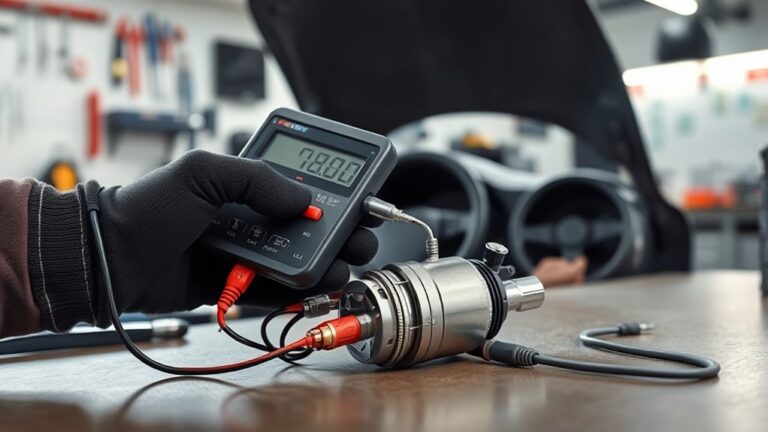
To diagnose shock-related vibration issues, start with a visual inspection for leaks, dents, or damage on your shocks.
Then, take your vehicle for a test drive to see if there’s any excessive bouncing or instability.
Perform a bounce test by pushing down on each corner to check if it keeps bouncing afterward.
Finally, make sure your wheel balance, rims, and suspension parts are all in good shape to rule out other causes.
Visual Inspection Techniques
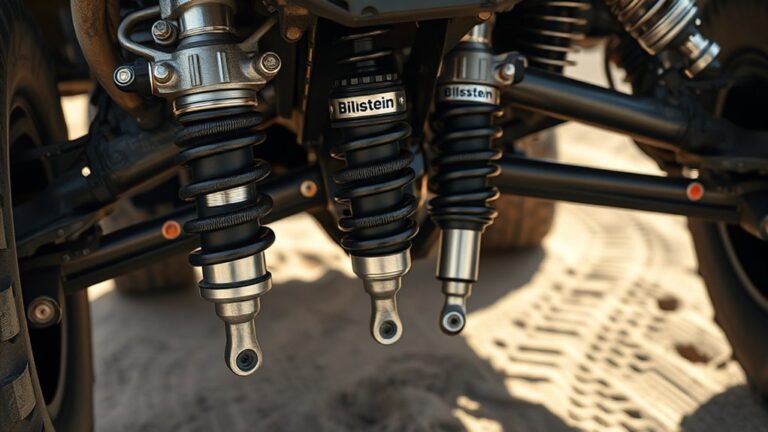
Performing a visual inspection is a key first step in diagnosing shock-related vibration issues. Start by carefully examining the shock absorbers for oil leaks, seepage, or excessive sweating, which can indicate wear or failure.
Check the shock mounts and bushings for cracks, looseness, or damage, as these can affect suspension stability. Look for dents, bends, or corrosion on the shock body and mounting points that might impair function.
Use a flashlight to closely inspect the seals and piston rod for signs of wear, pitting, or contamination. Finally, compare the shocks’ condition with your vehicle’s age and mileage to assess potential deterioration.
This visual inspection helps you spot obvious signs of shock absorber problems that could cause vibrations while driving.
Test Drive Observations
Taking a test drive is a great way to spot shock-related vibration problems because you can see how your vehicle reacts in real driving situations.
Pay attention to vibrations over bumps or potholes; if the shaking gets worse, it might mean your shocks are worn out. Check if vibrations stay at different speeds and on various road surfaces—that can help you tell if shocks are the issue or if something else is causing the problem.
Feel for excessive bouncing or swaying after hitting bumps, as worn shocks can make the suspension respond improperly. During quick lane changes, notice if the vehicle experiences more body roll or vibrations, which can point to poor shock performance.
Also, listen for squeaks or clunks over uneven surfaces, as these sounds can signal shock or strut deterioration. These observations are useful for figuring out if bad shocks are causing your vehicle’s vibrations.
Suspension and Wheel Checks
A thorough suspension and wheel check is essential for diagnosing shock-related vibrations because these components directly influence ride quality. Start by visually inspecting the shocks for leaks, oil sweating, or damage, which may indicate wear but don’t always cause vibrations.
Next, check the wheel balance with a dynamic balancing machine to ensure weights are correctly applied, as unbalanced wheels are a common vibration source. Examine the tires for proper pressure, wear, and damage, and verify that wheels are true, free of bends or cracks.
Additionally, test suspension components like control arms, tie rods, and CV joints for wear or play, since these can indirectly affect ride smoothness. Finally, conduct a road test to see if vibrations persist with the shocks in different modes, helping to identify their role in the issue.
What Other Causes Could Be Responsible for High-Speed Vibration?
High-speed vibrations aren’t always caused by wheel issues; other factors can also play a significant role. Worn shocks can contribute to instability, but problems with wheel balance can do the same.
Even if your rims look true, improper or incomplete wheel balancing, especially if dynamic balancing wasn’t performed, can cause vibrations at high speeds. Sometimes, issues with the differential or driveshaft—like worn U-joints or misaligned pinion angles—produce vibrations above certain speeds.
Worn suspension components such as control arms, bushings, or tie rods can create instability. Additionally, aftermarket wheels with manufacturing defects or improper installation can lead to wobbling and vibration, even if they look straight.
Regularly checking wheel alignment and suspension can help identify these potential causes.
How to Fix or Replace Worn Shocks and Improve Ride Quality?
Worn shocks can really affect your vehicle’s ride quality, making the ride bumpier and less stable. If you notice your ride feels rougher than usual, it’s probably time to replace those shocks.
Swapping out worn shocks with high-quality ones can make a big difference in reducing vibrations and boosting comfort. Just be sure to install them correctly and choose shocks that match your vehicle’s specs for the best results.
Regularly check your shocks for leaks, dents, or uneven wear. Catching issues early can help you avoid worsening ride quality and costly repairs later on.
Upgrading to performance shocks designed for your driving conditions can also help minimize vibrations from rough roads or carrying heavy loads.
For optimal results, consider combining shock replacement with wheel balancing and alignment. That way, your suspension stays healthy, and your ride remains smooth and stable.
Why Prompt Shock Replacement Is Crucial for Safety?
When shocks begin to fail, your vehicle’s stability and safety are compromised, making it more dangerous to drive. Worn or damaged shocks can cause uneven tire contact and excessive bouncing, which reduces your control during sudden maneuvers.
Faulty shocks also impair braking effectiveness, increasing stopping distances and the risk of accidents. Delaying shock replacement allows suspension damage to worsen, leading to costly repairs and more safety hazards.
Properly functioning shocks keep your tires in contact with the road, ensuring better handling and stability. Addressing shock issues promptly is essential for maintaining vehicle control and preventing accidents.
Frequently Asked Questions
What Is the Most Common Cause of Vibration in a Vehicle?
The most common cause of vibration in your vehicle is wheel or tire imbalance, often from uneven weight distribution. When your wheels aren’t properly balanced, the tires don’t contact the road evenly, leading to vibrations at highway speeds.
Regularly checking your tire balance and wheel alignment can make a big difference. Also, make sure your rims aren’t bent or damaged, as this can contribute to vibrations.
Keeping up with these checks helps prevent or reduce vibrations, ensuring your ride stays smooth and comfortable.
Why Does My Car Shudder at 70 Mph?
Your car shudders at 70 mph because something’s out of balance or misaligned. It could be your tires needing balancing, a bent rim, or worn suspension parts like shocks or struts.
Sometimes, an uneven drive shaft or poor wheel alignment causes this unsettling vibration. Don’t ignore it—these issues can worsen or damage your vehicle.
A thorough inspection will reveal the culprit and help you get back to smooth, safe driving at high speeds.
What Does a Car Feel Like With Bad Shocks?
When your shocks are bad, your car feels bouncy and unstable, especially over bumps or rough roads.
You’ll notice increased vibrations through the steering wheel or seats at different speeds, and the ride might not feel as smooth as it should.
You might also feel the car swaying or leaning too much during turns, and sudden dips when braking can make you feel less in control.
Can I Still Drive My Car With Bad Shocks?
You can still drive your car with bad shocks, and many drivers do so safely for a while.
Studies show that worn shocks can increase stopping distances by up to 20%, which can impact safety.
If you notice excessive bouncing, handling issues, or noise, it’s time to replace them.
Continuing to drive without fixing the problem may cause further suspension damage, so it’s best to get it checked out soon.
Prioritize timely repairs to maintain control and comfort on the road.
Conclusion
If your vehicle’s vibrations feel like they’re trying to tell you something, don’t ignore the warning signs. Worn shocks might be the culprit, sneaking behind the scenes to mess with your ride’s comfort and safety.
Think of shocks as the unsung heroes or villains of your car’s stability—either keeping you steady or making every mile a shaky adventure. Bad shocks can cause vibrations that make your drive uncomfortable and even unsafe.
Addressing shock issues promptly helps keep your journey smooth and secure. If you notice persistent vibrations, it’s a good idea to check your shocks—they might be the main cause of your vehicle vibrations.