Can You Reuse an Oil Filter?
Many vehicle owners worry about saving money and cutting corners, especially when it comes to essential parts like oil filters. You’re not alone—most people wonder if they can reuse an oil filter to save a few bucks. But is that really a good idea?
You shouldn’t reuse an oil filter because it’s designed for single use, and reusing it can damage the media, allowing dirt and debris to bypass the filter. Cleaning or reapplying the filter weakens its effectiveness and risks engine damage.
While a quick, temporary reuse might seem tempting, it’s best to replace the filter promptly for proper protection. Stick with new filters, and you’ll better understand how to keep your engine running smoothly.
Key Takeaways
– Oil filters are designed for single use. Reusing them can lead to clogging and reduced filtration efficiency.
Cleaning disposable filters destroys the media, which impairs their ability to trap dirt and debris effectively.
Reusing filters increases the risk of circulating contaminants like metal particles, potentially damaging the engine.
Reusable oil filters are durable and can be maintained through proper cleaning and inspection for extended use.
For optimal engine protection, it’s best to replace filters with new ones and avoid reusing disposable filters.
Why Reusing Oil Filters Is Generally Not Recommended
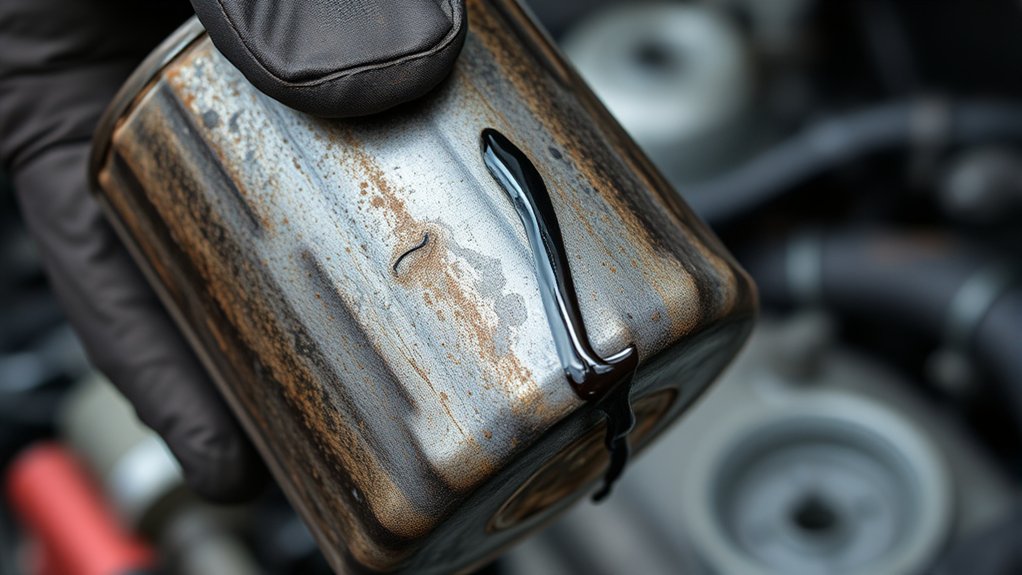
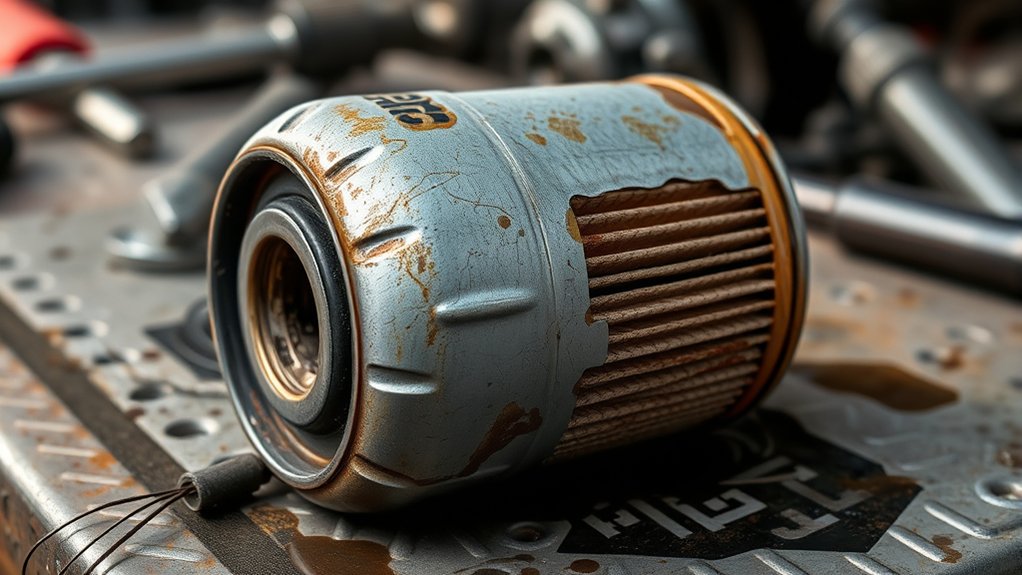
Reusing oil filters is generally not recommended because they’re designed for single use and can be damaged or clogged if reused. When you try to reuse a filter, the paper media can tear or become clogged, which reduces its ability to trap dirt and debris effectively.
This can cause fine particles to bypass the filter, leading to engine contamination. Cleaning disposable filters often destroys the paper medium, further compromising their filtering capacity. The small savings you might get from reusing a filter are overshadowed by the risk of damage that could lead to costly engine repairs.
Most manufacturers advise replacing oil filters during each oil change to keep your engine protected. Reusing a filter might seem economical, but it greatly risks your engine’s health.
How Oil Filters Capture Contaminants and When They Fail
You rely on oil filters to trap dirt, metal particles, and other contaminants using a special filtering medium.
As the filter collects debris, it becomes less effective, and signs of failure, like increased engine wear or dirty oil, may appear.
When filters fail, they let contaminants circulate freely, risking serious engine damage.
Filtration Mechanism Efficiency
Oil filters use a special filter media like cellulose or synthetic fibers to trap tiny particles and keep them out of the engine. The filtration efficiency depends on how well this media catches particles as small as 20-30 microns; high-quality filters can trap even smaller debris.
Over time, the filter media gets clogged with contaminants, which reduces airflow and increases the pressure difference. When the media is saturated or damaged, it can’t effectively remove debris, letting contaminants circulate and potentially harm your engine.
Regularly checking and replacing your oil filter helps keep the media effective, so filtration stays optimal. Once the media degrades or tears, the filter’s ability to trap contaminants drops, risking engine damage.
Signs of Filter Failure
When an oil filter starts to fail, it often shows some clear signs. One of the main indicators is seeing metal particles in the oil, which means contaminants are slipping past the filter media.
You might also notice higher oil pressure or less oil flow during maintenance. This usually suggests the filter is clogged or full of debris.
When the filter gets overwhelmed, the bypass valve opens, letting unfiltered oil circulate. This can lead to increased engine wear.
Spotting these signs early helps prevent filter failure from causing bigger engine problems. Regular inspections and timely replacements keep the filter working well, keeping out metal particles and other contaminants and ensuring proper oil flow.
Risks of Reusing Disposable Oil Filters and How to Avoid Them
Reusing disposable oil filters can damage the filter media, which allows harmful particles to circulate in your engine.
Cleaning them risks tearing the paper and reducing their ability to trap contaminants effectively.
To protect your engine, it’s best to dispose of filters properly after use and avoid reusing them.
Filter Damage Risks
Have you thought about the risks of reusing disposable oil filters? Reusing them can damage the filter and make it less effective at trapping contaminants.
Cleaning disposable filters with compressed air or solvents can weaken the filter media. This increases the chance of dirt and debris passing through.
Handling the filter improperly or cleaning it too much can tear or distort the material, which reduces filtration efficiency. Over time, the gasket and valve parts may also degrade or get damaged.
This deterioration raises the risk of leaks, leading to oil escaping or contaminants bypassing the filter. That can cause engine wear or damage.
Reusing disposable filters isn’t just risky for the filter itself; it also greatly increases contamination risks. This can harm your engine’s performance and longevity.
Particulate Circulation Concerns
Circulating fine particulates pose a significant risk when disposable oil filters are reused, especially if the filter media becomes damaged or clogged. Particulate circulation can allow tiny metal shavings, soot, and debris to bypass the filter and enter your engine.
Reusing an oil filter improperly or cleaning it can tear the paper media, reducing its ability to trap particles effectively. Over time, this increases the likelihood of unfiltered particulates circulating back into the engine, causing wear and potential damage.
Although reusing filters might seem cost-effective, it often leads to more costly repairs due to engine damage caused by circulating debris. To avoid these risks, always replace disposable filters with new ones during each oil change and never attempt to clean or reuse them.
Proper Disposal Importance
Improper disposal of used disposable oil filters can cause serious environmental and engine health issues. Recycling or discarding these filters properly helps prevent harmful debris from contaminating soil and water.
Reusing filters or trying to clean them damages the paper media, which reduces their ability to trap new oil contaminants. This means particles and debris can circulate with fresh oil, leading to increased engine wear.
Since disposable filters are meant for single use, reusing them compromises their integrity and filtration ability. Proper disposal ensures they are handled safely and responsibly, minimizing risks.
Always follow local disposal rules and avoid reusing filters to protect your engine’s health and the environment.
Can Reusing a Filter Temporarily Be Safe? When Is It Okay?
Reusing an oil filter temporarily can be safe if you carefully check its condition and the situation.
Reusing an oil filter temporarily is safe if inspected carefully and under the right conditions.
If the filter was recently replaced and shows no visible damage or clogging, reusing it might be okay. For example, during a short event like a weekend track day, you can consider reusing an oil filter if the oil is still clean and the filter looks good.
Before reusing, do a thorough inspection for metal particles or debris, which could harm your engine. Reusing a filter is more acceptable when the engine oil is fresh and the filter isn’t overdue for replacement.
However, always plan to replace the filter with a new one as soon as possible to ensure maximum engine protection and performance.
Signs That Your Oil Filter Is No Longer Effective
When your oil filter starts to fail, you’ll notice some signs that it’s no longer doing its job properly. A clogged filter reduces oil flow, which can lead to higher engine temperatures and even damage.
You might also see debris or metal particles trapped in the filter media, showing it’s not filtering correctly anymore. If your engine begins rattling or knocking, it’s a sign that contaminants aren’t being captured and debris is circulating freely.
An increase in oil pressure during operation can also be a sign the filter is blocked. Plus, if the bypass valve opens often, it means the filter is bypassing contaminants and losing its effectiveness.
Spotting these signs early can help prevent engine issues and keep your vehicle running smoothly.
How to Properly Replace Your Oil Filter for Engine Safety
Before replacing your oil filter, make sure the engine is cool to prevent burns and make the removal process easier.
Ensure the engine is cool before replacing the oil filter to prevent burns and simplify removal.
If you’re reusing an oil filter, it’s best to replace it with a new one during the oil change to guarantee optimal engine safety.
Remove the old filter carefully, checking for any damage or debris that could indicate engine issues.
Before installing the new filter, apply a thin layer of fresh oil to the gasket to create a proper seal and prevent leaks.
Screw in the new filter by hand, turning clockwise until snug, then tighten an additional ¾ turn if the manufacturer recommends it.
After installation, start the engine and check for leaks. Turn off the engine, verify the oil level, and top off if needed.
Benefits of Using Reusable Oil Filters and How to Maintain Them
Using reusable oil filters offers the benefit of a longer lifespan, saving you money over time.
To keep them effective, you need to clean and inspect them regularly, making sure they work properly.
Proper maintenance with the right techniques helps maximize their performance and protect your engine.
Extended Filter Lifespan
Reusable oil filters are built to last, offering a sustainable alternative to disposable options by capturing particulates with durable steel media and magnets. By regularly cleaning your reusable oil filters, you help maintain their filtration efficiency and extend their lifespan. Proper cleaning removes debris and prevents buildup that can impair performance.
Using high-quality cleaning solutions and methods guarantees the filter stays effective through multiple uses. Routine inspections for damage and checking seals before reinstallation also contribute to longevity. When well-maintained, reusable oil filters can be used for many cycles, reducing the need for frequent replacements.
This not only saves you money over time but also minimizes waste, making reusable filters a smart, eco-friendly choice for vehicle maintenance.
Regular Cleaning Practices
Regular cleaning is essential to keep your reusable oil filter functioning at its best. Proper maintenance guarantees it continues to trap particulates effectively. To do this, follow these steps:
- Remove debris from the filter by rinsing it with appropriate solvents, avoiding harsh chemicals.
- Visually inspect for damage or wear, checking reinforced media and silicone anti-drain valves.
- Dry and reinstall the filter, ensuring all components are secure and free of debris.
Regular cleaning of your reusable filters prevents buildup of contaminants that could bypass the filter and harm your engine. It also helps maintain high filtration efficiency and extends the filter’s lifespan. Consistent maintenance is key to getting the most out of your reusable oil filter and keeping your engine protected.
Proper Maintenance Techniques
Proper maintenance techniques help you get the most out of your oil filter, ensuring it works effectively over time. Regular cleaning with the right solvents removes debris, while inspecting the filter media for wear or damage is essential to prevent engine issues.
If you notice signs of deterioration, it’s time to replace the filter to keep your engine running smoothly. Following the manufacturer’s instructions for cleaning and reinstallation helps the filter function properly and extends its lifespan.
| Step | Action | Frequency |
|---|---|---|
| Cleaning | Use suitable solvents | After every oil change |
| Inspection | Check for wear or damage | During each inspection |
| Replacement | Replace if damaged or deteriorated | When needed |
| Reinstallation | Reinstall carefully | After cleaning |
What Happens During a Dry Start and How a Clean Filter Helps
When an engine starts after sitting without oil circulation, it undergoes a dry start, which can cause significant wear on moving parts. During this time, critical components lack lubrication, increasing engine wear. A clean oil filter plays a crucial role in minimizing this risk.
It guarantees immediate oil flow to essential parts, reducing dry friction. The anti-drain valve in a proper filter retains oil during shutdown, aiding quick lubrication.
A well-maintained, clean filter prevents contaminants from circulating during startup, protecting engine longevity.
Should You Pre-Fill Your Oil Filter? Pros and Cons Explained
Pre-filling your oil filter before installation can really improve engine startup, especially by preventing dry starts and reducing wear on moving parts. When you pre-fill the filter, it ensures oil flows immediately, helping to lubricate the engine right from the get-go.
This is especially helpful for horizontal filters, where dry running can happen during the first startup. Synthetic oil filters with higher capacity and efficiency tend to benefit more from pre-filling compared to conventional filters.
However, some manufacturers advise against pre-filling because of risks like over-pressurization or spillage during installation. While pre-filling can boost startup lubrication and reduce dry start issues, it needs careful handling to avoid mess and ensure proper installation.
Balancing these pros and cons can help you decide if pre-filling is right for your vehicle.
How Often Should You Change Your Oil Filter? Expert Recommendations
Changing your oil filter regularly keeps your engine clean and running smoothly. Most manufacturers suggest replacing it with every oil change, usually between 3,000 to 7,500 miles, depending on your vehicle and driving conditions.
To get the best protection, follow these expert tips:
- Replace the oil filter every time you change your oil, no matter its age.
- If you often drive in dusty areas or heavy traffic, consider changing it more frequently.
- Always check your vehicle owner’s manual for specific interval recommendations.
Using high-quality filters with larger capacity can help extend the time between changes. Still, sticking to expert advice is the safest bet.
Regular filter replacements help prevent clogging, keep filtration efficient, and protect your engine from unnecessary wear.
Common Mistakes to Avoid When Replacing or Reusing Oil Filters
Reusing oil filters without proper inspection can lead to serious engine problems. If you plan to reuse a filter, check for damage or clogging to prevent contamination.
A damaged paper media reduces filtration efficiency, allowing fine particles into your engine. Never forget to replace the gasket, as a failure here causes leaks and oil loss.
Pre-filling or installing the filter incorrectly can lead to dry starts and increased wear. Always follow manufacturer recommendations on filter replacement intervals to avoid engine damage from clogged or contaminated filters.
| Mistake | Consequence |
|---|---|
| Reusing filters without inspection | Engine contamination and wear |
| Installing a damaged gasket | Oil leaks and loss |
| Ignoring replacement intervals | Engine damage from debris |
Always use a new, quality spin-on oil filter for peak performance.
Final Tips to Keep Your Powersports Engine Running Smoothly
To keep your powersports engine running smoothly, it’s important to follow proper maintenance practices regularly. Checking and replacing your oil filter based on the manufacturer’s recommended intervals helps keep your engine performing at its best and lasts longer.
Using high-quality synthetic oil and filters can also extend the time between maintenance. This reduces wear and helps prevent engine damage, saving you time and money in the long run. Always pre-fill or carefully install filters to avoid dry starts, which can stress the engine and shorten its lifespan.
Here are some final tips:
- Stick to the recommended oil change intervals and use quality filters.
- Avoid reusing disposable filters, as their media can tear or clog.
- Dispose of used filters properly to protect the environment and keep your engine healthy.
Frequently Asked Questions
Can You Remove an Oil Filter and Reuse It?
You shouldn’t reuse an oil filter after removing it. When you try to clean and reuse it, you risk damaging the filter media, which reduces its ability to trap contaminants.
Reinstalling a used filter might also cause leaks or improper sealing. Plus, the anti-drain valve can become brittle or stuck over time.
For the best engine performance and protection, it’s always better to replace the oil filter with a new one.
What Kind of Oil Filter Does a Lexus RX 350 Take?
You’ll need a spin-on oil filter for your Lexus RX 350, typically with a steel housing and paper medium. Brands like Toyota, Fram, and K&N are common choices, with part numbers like Toyota 04152-YZZA6.
Make sure it matches the 2.5-inch diameter, 3-4 inch height, and threaded correctly (usually M20x1.5). Proper fit and sealing are essential. Skimping here isn’t just a small mistake; it’s a costly one.
What Oil Filter Does a Toyota Corolla Use?
You should use a spin-on oil filter designed for your Toyota Corolla, like the Toyota 90915-YZZF1 or an equivalent, depending on your model year and engine.
Make sure the filter matches the required size, usually around 64mm or 65mm in diameter, with the appropriate threaded nut.
Always check your owner’s manual or parts catalog to confirm you’re getting the right filter, and replace it regularly for peak engine health.
Can We Wash an Oil Filter and Use It?
You shouldn’t wash an oil filter and reuse it. It’s like trying to put a square peg in a round hole—your filter’s media can get damaged or lose its ability to trap contaminants effectively.
Washing disposable filters isn’t worth the risk because it compromises engine protection. Instead, it’s best to replace the filter with a new one to keep your engine running smoothly and avoid unnecessary headaches.
Conclusion
Reusing oil filters isn’t recommended, as 90% of filter failures happen because people neglect proper replacement.
Regularly changing your filter keeps your engine protected from harmful contaminants and helps it last longer. Some might think about temporarily reusing a filter, but the risks usually outweigh the savings.
Stay proactive by following expert guidelines and watching for signs of wear. A simple, consistent maintenance routine with a new oil filter can prevent costly repairs.
Remember, reusing an oil filter isn’t worth it. For the best engine health, always replace your oil filter as part of your routine maintenance.