Are Jeep Gladiators Reliable?
Are you considering a Jeep Gladiator but worried about its long-term reliability? Many folks share your concerns, especially when investing in a vehicle that needs to keep up with both adventure and daily driving. You’re not alone—reliability is often top of mind for potential owners.
The Jeep Gladiator is generally reliable if you keep up with regular maintenance and address issues promptly. Many owners report it performs well over high mileage with minimal repairs, especially when caring for parts like the engine, axles, and electrical systems.
Early models had some problems, but improvements have been made.
To get the most out of your Gladiator, staying proactive with care is key—discover more tips that can help it last even longer.
Key Takeaways
- Jeep Gladiator has an overall reliability rating of 85/100, outperforming some competitors like the Toyota Tacoma.
- Proper maintenance and prompt repairs can really make a difference. They significantly extend the vehicle’s lifespan and help avoid bigger issues down the road.
- Early models had more problems, but things have improved over the years thanks to manufacturing updates. Reliability is better now than it was when the truck first launched.
- Common issues include transmission failures, electrical glitches, and water leaks. Luckily, these problems are often covered under warranty.
- Regular inspections, using quality parts, and timely repairs are key. They help keep your Gladiator durable and performing well for the long haul.
Is the Jeep Gladiator a Reliable Pickup for Long-Term Use?
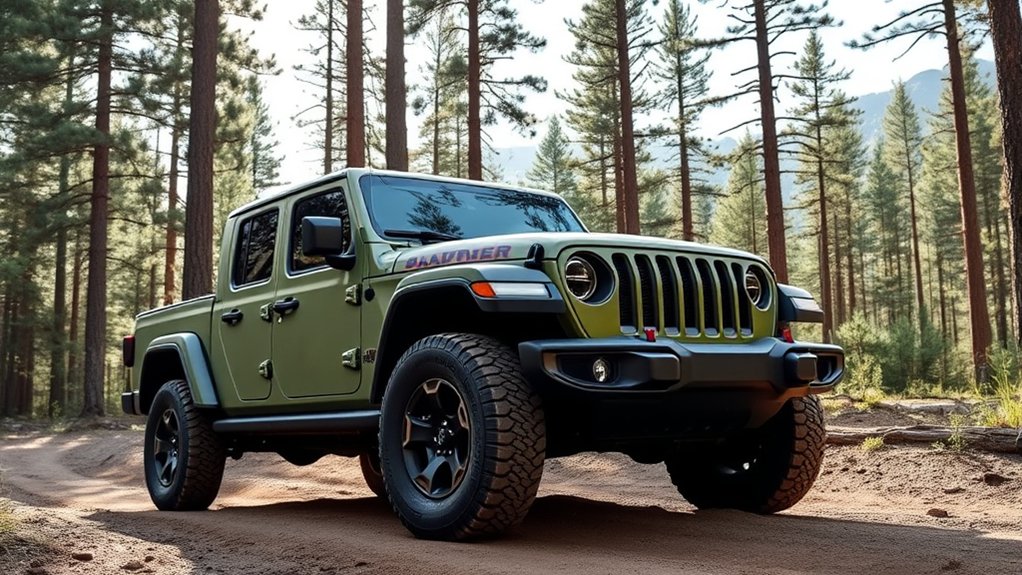
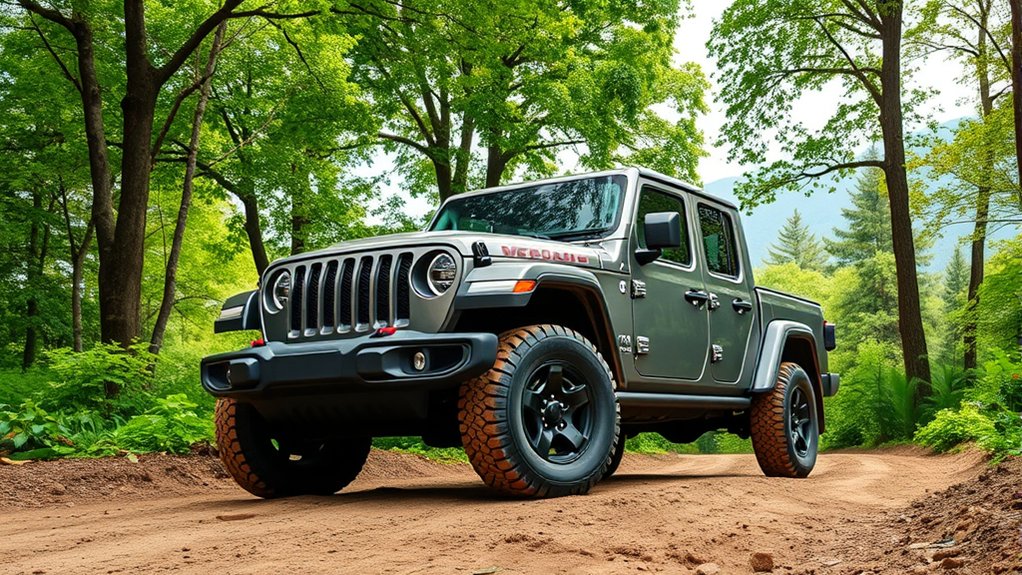
The Jeep Gladiator is generally considered a reliable pickup for long-term use, especially when properly maintained. With a reliability rating of 85/100, it beats some competitors like the Toyota Tacoma.
Many owners find that with regular upkeep, the Gladiator performs well over time, despite occasional mechanical issues such as water leaks, electrical glitches, and transmission concerns. Proper maintenance and proactive inspections are key, especially given its off-road capabilities and exposure to tough conditions.
While early models like the 2020 had more problems, improvements in later years boost confidence in its durability. Overall, if you stay on top of maintenance, the Jeep Gladiator can be a dependable vehicle for the long haul.
It’s a solid choice for those looking for a durable pickup that can handle tough conditions and still keep going year after year.
Factors That Affect Jeep Gladiator Reliability Over Time
Several factors influence how reliable your Jeep Gladiator remains over time, from manufacturing processes to external conditions. These include variations in build quality and manufacturing updates that can impact consistency.
- Manufacturing variations can lead to differences in reliability ratings across model years.
- External factors like EPA regulations and manufacturing location also affect build quality and durability.
- Mechanical issues such as steering vibrations and electrical glitches can emerge, impacting dependability.
- Regular dealer service and owner community feedback suggest many problems are manageable, helping to keep overall reliability high.
Understanding these factors helps you anticipate potential issues and see how manufacturing updates and external influences shape your Gladiator’s long-term performance.
What Do Owner Experiences Say About Gladiator Durability?
Owner experiences offer valuable insight into the long-term durability of the Jeep Gladiator. Many owners report minimal or minor issues even after extensive mileage, which shows strong durability.
Reliability seems solid, especially for mechanical parts like the 3.6L V-6 engine and axles, when properly maintained. Common problems such as paint bubbling or electrical glitches are usually covered under warranty and aren’t widespread.
Social media and forums show mixed opinions, but overall, owner feedback suggests durability comparable to other mid-size trucks. Regular maintenance and quick attention to recall issues have helped many owners reach high mileage without major reliability problems.
Your own experience might mirror these positive reports if you focus on proper care and timely repairs.
Common Mechanical Problems That Impact Gladiator Longevity
Although the Jeep Gladiator is generally a tough and durable truck, some mechanical issues can affect how long it lasts. You might face problems like:
While the Jeep Gladiator is known for durability, certain mechanical issues can impact its long-term reliability.
- Transmission failures, with some cases needing a full replacement as early as 8,424 miles.
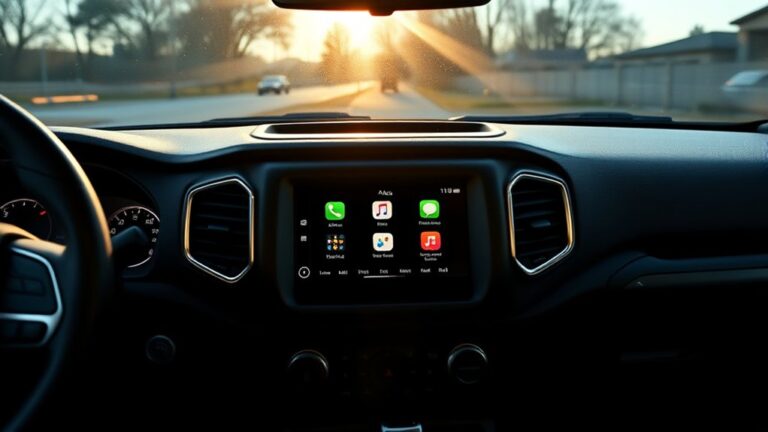
- Electrical glitches, which can affect electronic lockers and the infotainment system, causing disruptions.
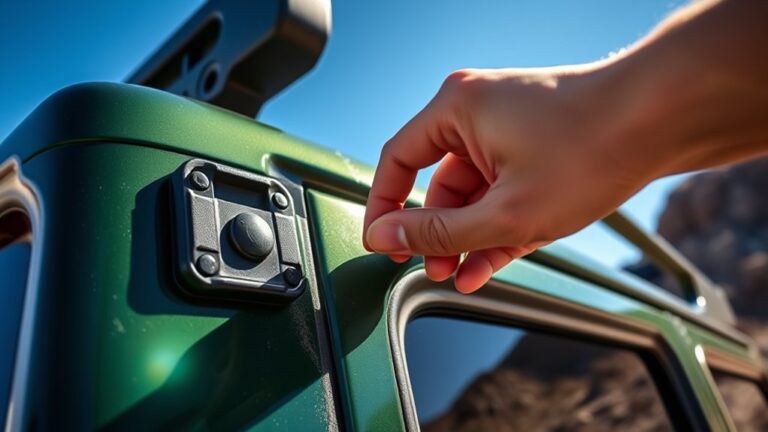
- Water leaks around the removable top and seal issues, potentially leading to long-term damage.
- Other mechanical problems such as overheated clutch pressure plates and too much flywheel play, sometimes requiring costly repairs.
These issues can impact the truck’s reliability over time. Staying alert and fixing problems quickly is key to keeping your Gladiator running well and lasting longer.
Repair Costs and How Often You Might Need Them
Your Jeep Gladiator usually costs less than $900 for repairs and maintenance over several years. Common issues like oil changes and tire replacements are pretty straightforward and affordable.
But, mechanical problems such as transmission failures or axle issues can get expensive if they happen. Regular maintenance helps keep these costs in check and cuts down on how often you’ll need repairs.
Typical Repair Expenses
Regular maintenance and occasional repairs are essential to keep a Jeep Gladiator running smoothly, but costs can vary depending on the issue. Typical repair expenses include a $66 oil change around 27,000 miles and a $176 service at about 16,600 miles.
Mechanical issues like transmission failure can be costly, with some owners reporting over $900 in total maintenance costs over the years. Common repairs involve replacing electrical components, rear axle assemblies, or fixing water leaks around removable tops—often covered by warranty.
You might also face minor repairs for rattles, shifter imprecision, or software glitches, usually costing a few hundred dollars per incident. Staying on top of maintenance costs and fixing mechanical issues early helps keep expenses in check.
Common Mechanical Failures
Are common mechanical failures in the Jeep Gladiator frequent enough to impact ownership? While occasional transmission failures and rear axle assembly issues have been reported, they’re not widespread. Some owners faced transmission problems around 8,400 miles, and rear axle concerns showed up at about 24,500 miles, often needing warranty repairs.
Software glitches, especially affecting electronic lockers and other electronic systems, are also common. These can cause temporary malfunctions. They’re frustrating but don’t happen often. Repair costs for routine things like oil changes stay under $900, but major repairs like transmission replacements can be expensive.
Maintenance Frequency and Costs
Maintaining a Jeep Gladiator involves scheduled upkeep and occasional repairs that can vary in cost. You’ll need regular maintenance like oil changes every 5,000 to 7,500 miles, which costs between $66 and $286 per service.
Routine maintenance, including oil changes, typically totals less than $900 annually. Repair costs for common issues like tire replacements can be around $276 per tire.
Electrical or mechanical problems may lead to substantial repair bills. Mechanical failures, such as transmission swaps around 8,400 miles, can be costly and time-consuming.
Because of off-road use and harsh conditions, frequent inspections are essential to prevent expensive damages. While routine maintenance keeps costs predictable, unexpected repairs can raise expenses considerably.
How Maintenance and Care Influence the Gladiator’s Durability
Consistent maintenance and careful care greatly boost the Gladiator’s durability, ensuring it performs reliably over time. Regular oil changes every 5,000-7,500 miles keep the engine running smoothly and help extend its lifespan.
Checking fluids and seals is crucial for water fording, preventing leaks around the removable top, and maintaining off-road performance. Inspections of suspension and off-road components help catch early signs of wear before they turn into costly repairs.
Address electrical glitches promptly through software updates to improve reliability. Routine upkeep of the drivetrain and brakes reduces mechanical issues and improves overall durability.
How Does the Gladiator Compare to Other Pickups for Reliability?
Compared to other pickups in its class, the Jeep Gladiator has a solid reputation for reliability. It often outperforms or matches competitors like the Toyota Tacoma.
Its high J.D. Power reliability rating of 85/100 shows it’s a dependable choice. Many owners report few issues even after driving extensive miles, which speaks to its consistent performance.
Common problems like electrical glitches and minor failures are similar to what you might see in other trucks. Sharing components with the Jeep Wrangler makes repairs easier and can boost reliability.
Tips to Keep Your Jeep Gladiator Reliable for Years to Come
To keep your Jeep Gladiator running reliably for years, proactive maintenance is key, especially after off-road adventures. Regularly check seals and fluids to prevent water leaks and electrical problems.
Follow the manufacturer’s recommended schedule, including oil changes every 5,000-7,500 miles and tire rotations. This helps ensure your engine and drivetrain stay in top shape.
Address any software glitches or recalls quickly through authorized service centers. That way, your electronic systems will continue functioning smoothly.
Use high-quality replacement parts and tires, like Falken WildPeak A/T3W, to maintain off-road capability and reduce the chances of mechanical issues.
Keep an eye on common problems like rattling plastics and shifter imprecision. Fixing these early can prevent more extensive wear later on.
Sticking with regular maintenance will help preserve your Jeep Gladiator’s reliability and performance over time.
Frequently Asked Questions
What Are the Biggest Complaints With the Jeep Gladiator?
The biggest complaints with the Jeep Gladiator include paint bubbling, especially on the 2020 model. Owners also report electrical system glitches like rear locker issues and infotainment problems.
Some drivers have experienced transmission failures and rear axle replacements. Inside the vehicle, there are complaints about rattles, cheap plastics, and poor ergonomics.
Wind noise and handling issues such as lane wandering are common frustrations. Long stopping distances also impact driver confidence and satisfaction with the vehicle’s reliability and build quality.
Do Jeep Gladiators Last a Long Time?
Yes, Jeep Gladiators can last a long time if you keep up with regular maintenance.
Many owners report their trucks reaching over 200,000 miles, thanks to the durability of the 3.6L V-6 engine and shared components with the Jeep Wrangler.
By addressing common issues early and caring for your vehicle, you can extend its lifespan considerably.
This makes the Gladiator a reliable choice for years to come.
Which Jeep Gladiator to Stay Away From?
You should steer clear of the 2020 Jeep Gladiator. It’s like a ticking time bomb, with electrical faults, rear axle issues, and mechanical failures that could leave you stranded.
Early models suffered from teething problems and software glitches, making them less dependable.
If you want a reliable ride, avoid these initial-year issues, especially if you’re considering higher trims or special editions with complex electronics that might turn into headaches.
What Are the Worst Years for the Jeep Gladiator?
The worst years for the Jeep Gladiator are 2020 and early models. You’ll notice more electrical glitches, fit-and-finish issues, and mechanical problems like transmission failures and rear axle troubles in these years.
As an owner, you might experience rattles, electrical glitches, and minor component failures more often. The 2020 model especially struggles with reliability.
If you’re considering a Gladiator, it’s a good idea to look at later years like 2021 and 2022. These models tend to have better durability and fewer issues overall.
Conclusion
In the end, the Jeep Gladiator is like a sturdy ship ready to weather the storms of daily life. While it has its quirks and occasional hiccups, with proper maintenance and care, it can serve you reliably for years.
Think of it as your trusty sidekick on adventures, capable of handling rough waters if you keep it well-maintained. Many owners find that with a little effort, their Gladiator remains dependable mile after mile.
Overall, the Jeep Gladiator can be a reliable choice if you stay on top of regular upkeep. With proper care, it’s built to be a dependable companion for many miles to come.