How Do Tonneau Covers Improve Fuel Economy
If you own a pickup truck, you probably know the struggle of balancing utility with fuel efficiency. Many people want to save money at the pump but worry that adding accessories might hurt their mpg.
Tonneau covers are a popular solution that can help you get the most out of your truck.
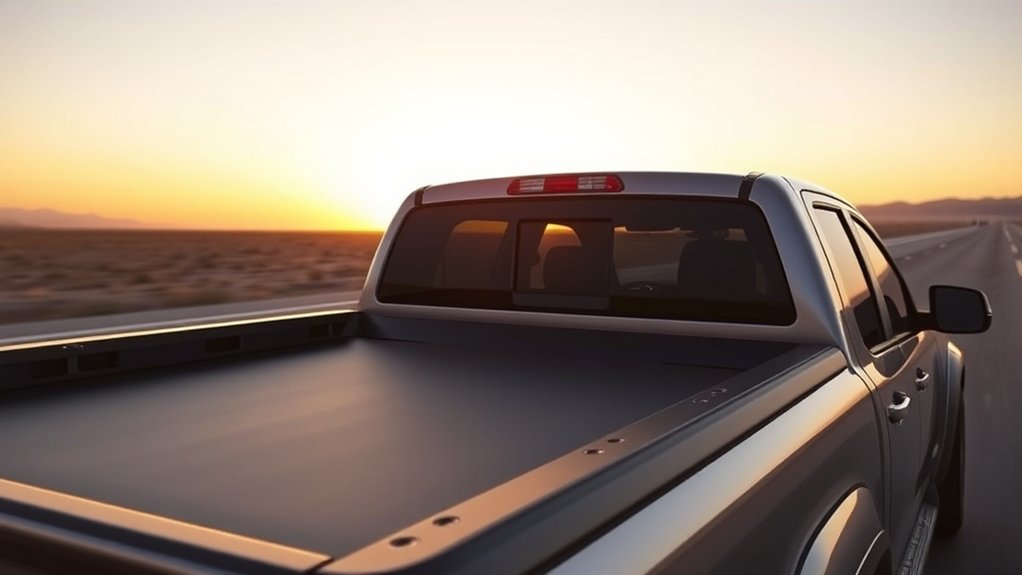
Tonneau covers can help improve your truck’s fuel economy by reducing air resistance and drag, especially when they create a smooth, slim profile over the bed.
Hard, low-profile covers offer better aerodynamics, cutting turbulence and airflow disruption, which can boost efficiency slightly—around 2%.
However, heavier or poorly fitted covers might offset these benefits.
To learn more about how different covers and materials influence fuel savings, keep exploring the details below.
Key Takeaways
- Tonneau covers help streamline airflow over the truck bed, which reduces turbulence and air resistance.
- Hard, low-profile covers tend to provide better aerodynamics compared to soft covers, lowering drag.
- Because of this, they can increase fuel efficiency by around 2%.
- Keep in mind, the weight of the cover might cancel out some of those aerodynamic benefits, especially if the cover is heavier.
- Overall, the fuel savings from using a tonneau cover are pretty small—usually around 2% or less. This is because of the balance between improved aerodynamics and the added weight.
Do Tonneau Covers Really Save Gas?
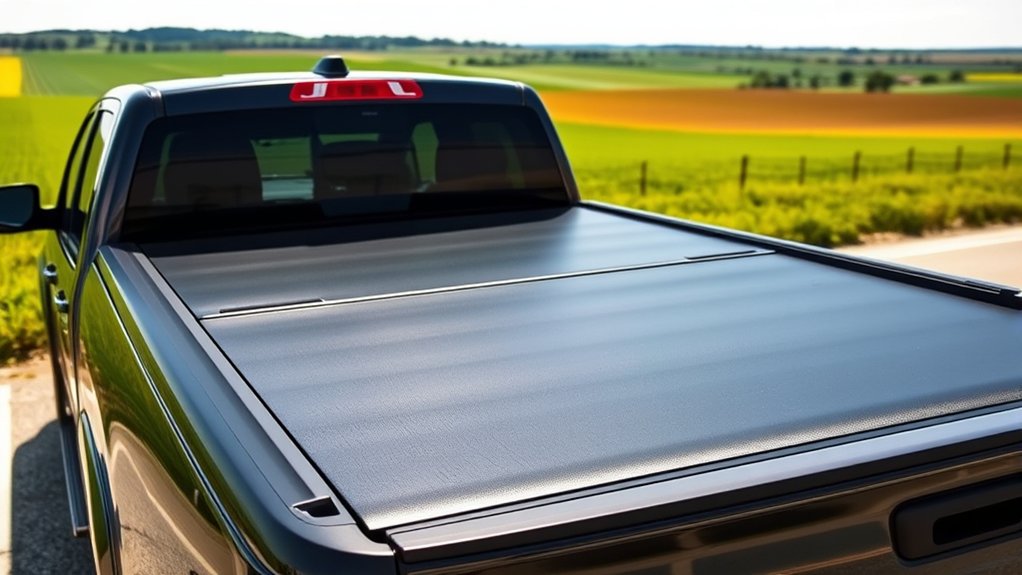
Do tonneau covers really save gas? When it comes to fuel efficiency and gas mileage, the answer is usually modest. Most studies show that truck bed covers can improve fuel economy by around 2% or less.
While they’re designed to be aerodynamic, the actual benefits are often minimal, especially with soft covers that lack the rigidity to create a significant aerodynamic advantage. Hard, fiberglass, or aluminum truck bed covers may offer slightly better airflow, but the difference is still small.
Keep in mind, heavier covers can add weight, which might offset any potential savings. Overall, tonneau covers can improve fuel efficiency a bit, but don’t expect huge gains. Costs often outweigh the savings for most drivers.
How Tonneau Covers Reduce Air Resistance and Drag
Tonneau covers help streamline the airflow over your truck bed, reducing turbulence and air resistance.
This makes your truck more aerodynamic, which means less drag. As a result, it’s easier for your vehicle to move through the air.
Because of that, your truck uses less energy to maintain highway speeds. This can actually boost your fuel efficiency.
Streamlining Airflow Over Bed
When a truck is moving, air naturally flows over its surface, but an open bed disrupts this flow, creating turbulence that increases drag. Tonneau covers help streamline airflow by providing a smooth surface over the bed, which reduces airflow disruption and turbulence.
By improving the truck’s aerodynamic profile, these covers lower the coefficient of drag (Cd), making the vehicle more efficient. Studies show that streamlining airflow with a tonneau cover can lead to about a 5% reduction in drag.
This decrease means the engine doesn’t have to work as hard to maintain speed, directly boosting fuel efficiency. Rigid, solid tonneau covers are especially effective at streamlining airflow compared to soft covers, making a noticeable difference in reducing air resistance.
Reducing Turbulence Behind Truck
Reducing turbulence behind your truck is key to improving its aerodynamic efficiency. When airflow gets turbulent behind your vehicle, it causes drag that makes your engine work harder and uses more fuel.
Tonneau covers help streamline airflow over the truck bed, cutting down on disruptions and preventing the formation of turbulent air pockets. This smoother airflow reduces drag, making it easier for your truck to maintain speed with less effort.
By lowering turbulence behind your truck, a tonneau cover helps cut down on air resistance, especially at higher speeds. This change improves aerodynamics, so your vehicle uses less fuel to overcome drag forces.
Enhancing Overall Aerodynamics
Enhancing the overall aerodynamics of your truck involves reducing air resistance that opposes its movement. Tonneau covers help streamline airflow over the truck bed, cutting down turbulence and drag.
By smoothing the airflow, these covers lower the truck’s coefficient of drag (Cd), leading to effective drag reduction. At highway speeds, this improvement can decrease overall drag by about 5%, making your vehicle more efficient.
Less air resistance means the engine doesn’t have to work as hard, which directly boosts fuel efficiency. Studies suggest that a well-designed tonneau cover can increase fuel economy by roughly 2%.
Which Cover Materials and Designs Are Best for Fuel Efficiency?
Choosing the right cover material and design can significantly impact your truck’s fuel efficiency. Hard covers made of aluminum or fiberglass provide better aerodynamic benefits than soft vinyl or cloth covers, helping to reduce drag.
Rigid, form-fitting designs like flush-mounted or low-profile options further cut down airflow disruption. Soft roll-up or foldable covers are lightweight, meaning they add less weight and help maintain better fuel economy.
The key is finding a balance between aerodynamic performance and practicality. Heavier or poorly fitted covers can actually negate any savings you gain from better design.
Real-World Results: Do Tonneau Covers Save Gas?
While choosing the right tonneau cover materials and designs can affect aerodynamics, real-world results tell a different story. Studies show that tonneau covers usually only improve fuel economy by about 2% or less.
In fact, some tests find that covering your truck bed can even reduce fuel savings because of added weight or airflow changes. Comparing trucks with and without covers under similar conditions often shows little to no difference in miles per gallon.
Keep these points in mind:
- Real-world results often show tiny fuel savings from tonneau covers.
- Extra weight and airflow changes may cancel out any benefits.
- Overall, fuel savings from tonneau covers are inconsistent and usually minimal when you drive normally.
How to Balance Aerodynamics, Weight, and Practical Benefits
Balancing aerodynamics, weight, and practical benefits is key when choosing a tonneau cover for your truck. Lightweight soft covers help improve aerodynamics, reducing drag by about 5%, which can boost fuel efficiency by around 2%.
Heavier covers, like painted or hard options, add weight that can offset these gains, decreasing your overall fuel economy. To get the best fuel savings, look for a cover that offers good aerodynamic benefits without adding unnecessary weight.
Practical benefits like cargo security and weather protection are also important. You need to weigh these against the aerodynamic and weight considerations. A lighter cover may boost fuel efficiency and be easier to use, while sturdier covers could offer better security.
Finding the right balance helps you maximize benefits without sacrificing fuel economy or practicality.
Common Myths About Tonneau Covers and Fuel Economy?
Many people think that tonneau covers improve fuel economy by reducing air drag, but real-world tests often tell a different story.
In reality, the weight of some covers and accessories can cancel out any aerodynamic benefits.
Aerodynamics Overstated Benefits
Despite popular belief, the aerodynamic benefits of tonneau covers in improving fuel economy are often overstated. Many studies and real-world tests show that any gains are minimal—typically less than 2%.
Early theories suggesting large fuel savings from drag reduction didn’t account for real driving conditions or added weight. Consumer Reports’ 2013 testing even found that covering truck beds sometimes decreased fuel efficiency.
The perceived aerodynamics benefit is exaggerated because soft covers and certain designs only modestly reduce drag, leading to negligible savings. Additionally, the extra weight of heavier covers, such as hard or painted models, can offset any aerodynamic gains.
Ultimately, the myth that tonneau covers significantly boost fuel economy isn’t supported by real-world data.
Weight Negates Gains
While lightweight tonneau covers are designed to boost fuel economy through better aerodynamics, their extra weight can sometimes cancel out those benefits. Heavier or painted covers add to your truck’s weight, which can reduce gas mileage and overall efficiency.
Studies show that soft, lightweight covers cause minimal weight gain, so they help improve fuel economy by improving aerodynamics. On the other hand, rigid, heavy covers might negate those gains or even lower your MPG.
Consumer Reports found that some tonneau covers actually decreased gas mileage because of their weight and design. So, when choosing a cover, it’s important to consider its weight. Heavier options can outweigh the aerodynamic benefits and make your vehicle less fuel-efficient.
Frequently Asked Questions
Do Tonneau Covers Improve Gas Mileage?
Tonneau covers can give you a small bump in gas mileage, usually around 0.3 miles per gallon, especially on trucks that get about 15 MPG. You might notice a slight improvement in fuel efficiency because they cut down on aerodynamic drag.
That said, the actual difference is often pretty tiny or even barely noticeable in real-world driving. Things like your driving style and road conditions play a big role too.
Still, they’re great for protecting your cargo and keeping it secure.
What Are the Disadvantages of Tonneau Covers?
Tonneau covers can have drawbacks. They might add extra weight, especially heavier-duty or painted ones, which can cut into your fuel efficiency.
Some designs like hard or bulky covers can get in the way when you’re doing maintenance or cleaning, making it harder to service your truck.
Plus, if the cover isn’t lightweight or aerodynamic, you might not see the fuel savings you’re hoping for.
Always think about the material and design to avoid these issues.
What Bed Cover Is Best for Mpg?
You should choose a lightweight, soft tonneau cover for the best MPG. These covers reduce drag effectively without adding much weight, which can offset fuel savings.
They’re also easier to install and handle, making them practical for daily use. While hard covers might offer better aerodynamics, their added weight can negate fuel benefits.
Which Pickup Truck Saves the Most Gas?
You’ll find that a lightweight, soft roll-up or folding tonneau cover on a smaller, aerodynamic pickup saves the most gas.
These trucks benefit from minimized weight and streamlined shapes, boosting fuel efficiency markedly. If you choose a vehicle with a sleek design and an easy-to-use cover, you’ll maximize miles per gallon.
Conclusion
Imagine your truck cruising smoothly down the highway, its sleek tonneau cover slicing through the air like a knife. By reducing drag and weight, you’ll notice better gas mileage with less effort.
Think of it as giving your vehicle lightweight armor that not only shields your cargo but also whispers efficiency into every mile. With the right cover, you’ll feel the road beneath you, confident you’re making smarter, more economical choices every time you hit the gas.
Overall, a tonneau cover helps improve fuel economy by cutting down on air resistance and keeping your load secure. It’s a simple upgrade that makes a real difference on your fuel savings.