
How Long Can Diesel Fuel Be Stored Safely
Are you tired of worrying about your diesel fuel going bad or losing its effectiveness too quickly? You’re not alone—many people struggle with storing diesel safely and keeping it fresh for longer periods. Proper storage is key, and understanding how to extend its lifespan can save you money and hassle.
You can generally store diesel fuel safely for 6 to 12 months if you keep it in sealed, cool, dry tanks away from sunlight and heat. Proper storage conditions, like maintaining around 70°F and using stabilizers, help extend its freshness.
Regular inspections for water, sludge, or leaks and adding biocides can prevent microbial growth and degradation. To learn more about keeping your diesel in top shape, investigate the essential tips and best practices next.
Key Takeaways
- Properly stored diesel typically remains safe for 6 to 12 months in sealed, cool, dry tanks away from sunlight.
- Keeping storage temperatures around 70°F can help extend the diesel’s shelf life and prevent it from degrading quickly.
- Regular inspections, adding stabilizers, and using biocides can help prevent microbial growth, water contamination, and fuel deterioration.
- Water getting in from condensation or leaks can lower the quality of your diesel and shorten how long it stays safe to use.
- Look out for signs of deterioration like cloudiness, sediment, or engine problems, which mean the fuel might no longer be good.
How Long Can Diesel Fuel Stay Fresh in Storage?
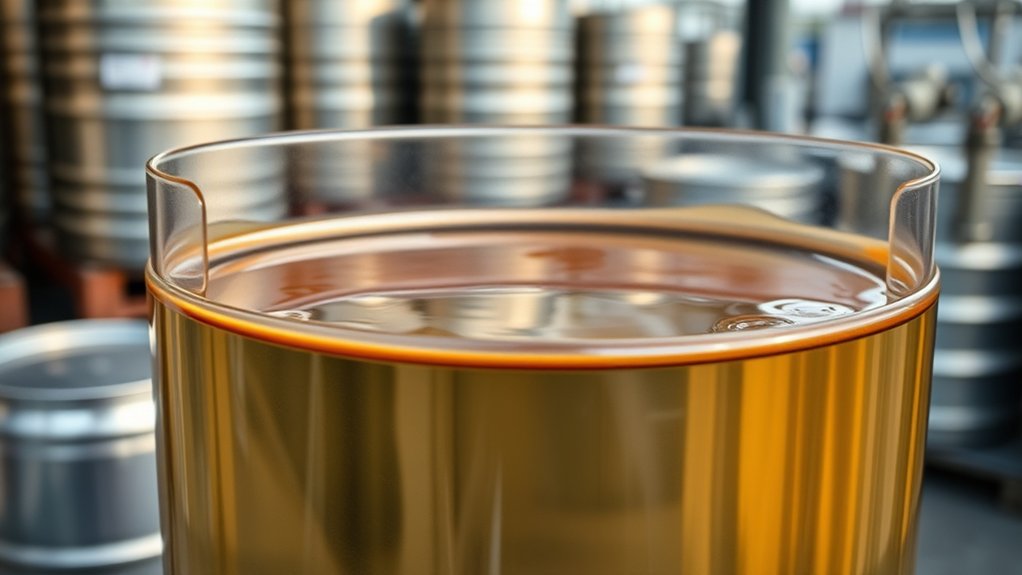
Diesel fuel can typically stay fresh for about 6 to 12 months when stored properly. Keeping the fuel in a sealed, cool, and dry tank, away from sunlight and heat, helps extend its shelf life.
Proper storage in a sealed, cool, and dry tank extends diesel’s freshness up to a year.
Fuel stability is maintained during this time if microbial growth and water contamination are controlled. These factors can speed up fuel degradation, so it’s important to prevent them.
Microbial activity can develop if water is present, leading to spoilage. Using fuel stabilizers and biocides is recommended for longer storage periods.
Regularly inspecting and treating your diesel with fuel stability treatments can help prevent oxidation, which causes fuel breakdown over time. Proper storage conditions are key to keeping your diesel fresh and minimizing microbial growth and oxidation.
What Factors Affect Diesel Shelf Life and Quality?
Your diesel’s shelf life depends largely on storage temperature and water presence. Higher temperatures speed up chemical breakdown and microbial growth.
Water encourages fuel degradation, so keeping your storage dry is key. Using stabilizers and regularly checking for water and microbial activity can help maintain quality longer.
Storage Temperature Impact
How temperature fluctuations impact diesel storage is a key factor in keeping fuel quality over time. Changing temperatures can speed up chemical reactions like oxidation, which breaks down fuel and creates gums and sludge.
Storing diesel in cooler temperatures around 70°F or lower helps slow down fuel degradation and microbial growth, keeping the fuel stable longer. On the other hand, higher temperatures above 85°F accelerate oxidation, increasing the chance of fuel breakdown.
Temperature swings inside tanks can cause condensation, bringing in water that promotes microbial contamination and corrosion. Using underground tanks or proper insulation helps keep temperatures steady and moderate, which extends the diesel’s shelf life.
Consistent, stable temperatures reduce how quickly chemical reactions happen, ensuring the fuel stays cleaner and more reliable for longer periods. Managing storage temperature is really important for keeping diesel fresh and in good condition.
Water and Microbial Growth
Water contamination is a major factor that can significantly reduce diesel’s shelf life and affect its quality.
When water gets into your diesel tank through condensation, rainwater, or leaks, it creates a perfect environment for microbial growth, especially at the water-diesel interface.
Bacteria and fungi thrive in this moisture, producing acids that speed up fuel degradation and cause corrosion inside the tank.
This microbial activity can lead to sludge buildup, clogged filters, and even damage to your engine.
Regularly removing water and maintaining your tank is crucial to prevent these problems.
Monitoring water levels and getting rid of excess moisture helps stop microbial growth, keeping your diesel stable and high quality.
Keeping water out of your tank is key to extending storage life and ensuring your engine runs smoothly.
How Can You Tell If Your Diesel Has Gone Bad?
Determining if diesel fuel has gone bad can be tricky, but certain signs can alert you to its condition. Look for cloudy, dark, or thick fuel with visible sludge or sediment, which indicates fuel degradation.
Cloudy, dark, or thick diesel with sediment signals fuel deterioration and potential engine issues.
A sour or rotten smell often signals microbial contamination and deteriorating fuel quality. Clogged filters and difficulty starting your engine are common signs of bad diesel, while excessive smoke during operation suggests poor fuel stability.
Keep in mind, visual inspection alone may not reveal microbial growth, so lab testing is recommended for confirmation. Recognizing these signs of bad diesel helps prevent engine issues and keeps your operation safe and dependable.
Staying vigilant about these indicators allows you to catch fuel problems early, helping maintain peak performance.
Simple Ways to Extend Your Diesel’s Storage Life
To extend your diesel’s storage life, using stabilizers properly can make a big difference. It can often double how long the fuel stays good.
Regularly inspecting your tanks for water buildup helps prevent microbial growth that can spoil the fuel.
Use Stabilizers Effectively
Adding diesel stabilizers is one of the most effective ways to extend the storage life of your fuel. Proper use of fuel additives, like diesel stabilizers, helps prevent oxidation and microbial growth.
Stabilizers that contain metal deactivators protect against corrosion caused by metal catalysts in tanks, keeping your fuel in good shape for longer. Antioxidants break chain reactions that cause gum and sludge buildup, helping maintain fuel cleanliness and stability.
To get the best results, use the right dosage—usually one treatment per 500 gallons of fuel—and mix or agitate the fuel after adding stabilizers. This ensures even distribution and maximum effectiveness.
These treatments keep your diesel in great condition, reduce degradation, and help ensure your engine runs reliably during extended storage periods.
Regular Tank Inspections
Have you thought about how regular tank inspections can really help extend the shelf life of your diesel fuel? Routine checks catch issues early, saving you from costly problems later on.
During visual inspections, look for rust, sediment buildup, or sludge—that’s a sign of fuel degradation. Keep an eye out for water accumulation, as it promotes microbial growth and contaminates the fuel.
Pay attention to filter clogging, which could mean microbial activity or particulate buildup. Also, regularly check tank seals and fittings to prevent moisture from getting in and weakening the tank’s structure.
Set up a maintenance schedule every 3 to 6 months. Staying proactive with inspections helps you protect your diesel’s quality and extend its storage life effectively.
Best Practices for Proper Diesel Tank Storage
Proper diesel tank storage starts with keeping conditions ideal to maintain fuel quality and safety. Keep your tanks cool, around 70°F, to help the fuel stay stable and slow down chemical breakdown.
Use airtight, sealed tanks and fill them up close to capacity. This limits oxygen exposure and reduces water condensation, both of which can lead to microbial growth.
Regularly check your tanks for signs of water buildup, rust, or sludge. Clean them as needed to protect the tank’s integrity and prevent issues.
Adding diesel stabilizers and biocides can extend the shelf life of your fuel and stop microbial contamination from developing.
Proper maintenance also means preventing leaks, corrosion, and physical damage to your tanks.
Following these best practices helps safeguard your diesel, keeps the fuel quality high, and ensures safety and environmental compliance.
In the long run, this approach prolongs storage life and reduces potential risks.
What Are the Regulations for Long-Term Diesel Storage?
Ensuring your diesel storage complies with regulations is essential for safety and avoiding penalties. Storage rules can vary depending on your state and the type of tank you’re using.
Underground tanks tend to be more tightly regulated than above-ground ones. Federal standards from agencies like the EPA and NFPA focus on leak prevention, corrosion control, and spill containment to protect both the environment and fuel quality.
Regular monitoring and inspections are a must to stay in compliance and keep safety standards high. This helps you catch issues early and reduces the risk of costly violations.
Key considerations include following federal and local regulations for both above-ground and underground tanks. You should also implement leak prevention and corrosion control measures.
Maintaining proper documentation for environmental and safety compliance is equally important. Staying on top of these regulations not only keeps everyone safe but also helps you avoid legal troubles and environmental damage.
Why Regular Testing and Maintenance Save Your Diesel Investment
Regular testing and maintenance are key to protecting your diesel investment because they help catch potential problems early before they turn into costly repairs or engine failures.
Fuel testing can reveal microbial contamination, water buildup, and fuel degradation that might harm fuel quality. Routine tasks like tank cleaning and fuel filtration keep sludge and sediment from clogging filters and injectors.
Monitoring fuel quality through lab analysis lets you apply biocides or stabilizers, which can extend the storage life of your diesel. Regular inspections also ensure you stay compliant with regulations and avoid emergency repairs or generator failures.
Frequently Asked Questions
Is 2 Year Old Diesel Fuel Still Good?
Your 2-year-old diesel fuel might still be usable, but it’s risky without proper testing and treatment. Over time, diesel can develop sludge, gum, and even microbial growth that can clog filters and damage your engine.
To be safe, test the fuel for contaminants and consider adding stabilizers or biocides. Regular maintenance can help extend its shelf life, but after two years, the quality usually declines quite a bit without proper care.
How Long Can You Store Diesel Fuel Without It Going Bad?
You can typically store diesel fuel safely for 6 to 12 months under ideal conditions.
If you add stabilizers and biocides, it can last up to 18-24 months.
To keep it from going bad, store it in a cool, dry place. Avoid exposure to oxygen and moisture.
It’s also a good idea to test the fuel regularly.
Proper storage and maintenance help ensure your diesel stays effective and safe for longer.
Can You Use 20 Year Old Fuel?
Using 20-year-old diesel is like trying to revive a long-forgotten, decayed treasure. It’s risky and likely to cause damage.
Over time, the fuel breaks down, forming sludge and losing its ability to burn properly. You might think it’s still good, but it’s more like a dried-out, brittle relic.
Running old fuel can clog your engine and lead to costly repairs. It’s best to replace it with fresh, properly stored diesel.
Can I Store Diesel for 10 Years?
Storing diesel for 10 years isn’t recommended without special measures. You can extend its shelf life with advanced stabilization, proper sealing, and consistent testing, but it’s costly and not typical.
Over time, diesel degrades, and microbial growth, oxidation, and other issues become significant. For long-term storage, plan regular maintenance, tank cleaning, and consider additives.
However, after a decade, the fuel may be unsuitable for engine use without extensive treatment.
Conclusion
To keep your diesel in prime condition, stay attentive to its care and storage. Regular checks and proper techniques serve as gentle guardians, helping you avoid the quiet disappointment of compromised fuel.
By giving your diesel the attention it deserves, you’re safeguarding your investment and ensuring reliable performance when you need it most. Proper storage plays a key role in maintaining fuel quality over time.
Remember, a little care goes a long way in preserving your fuel’s importance for the moments that matter. Well-maintained diesel can be stored safely for several months with the right practices.