How Does a Fuel Pressure Regulator Work Step by Step
Many car owners find themselves frustrated when their engine isn’t running smoothly or stalls unexpectedly. You’re not alone—fuel pressure issues are a common cause. Understanding how a fuel pressure regulator works can help you troubleshoot and maintain your vehicle better.
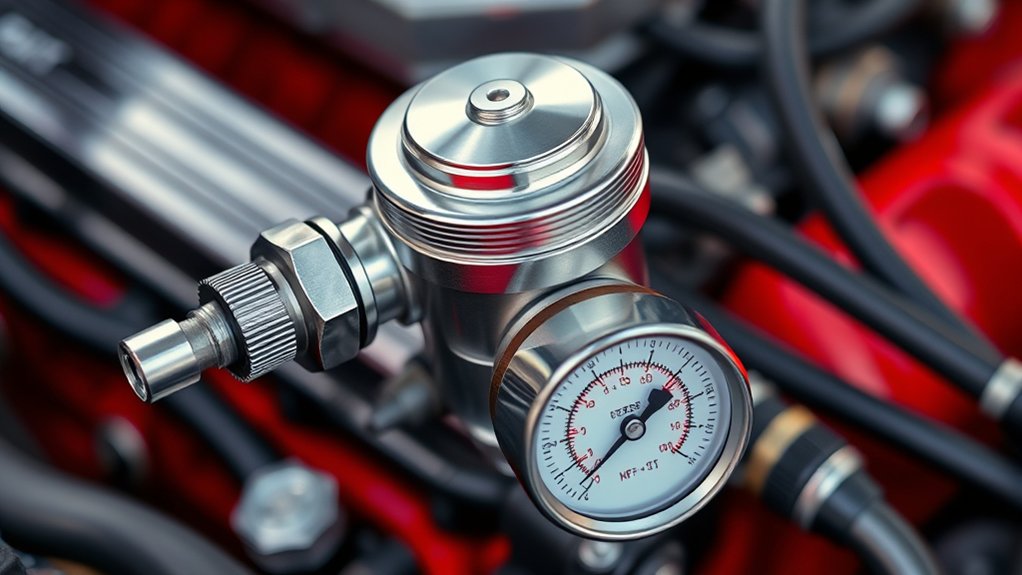
A fuel pressure regulator keeps your engine running smoothly by adjusting fuel flow based on pressure changes. It reacts to fuel pressure increases by pushing a diaphragm against a spring, opening a bypass to release excess fuel.
Vacuum and boost lines send pressure signals that help the diaphragm respond quickly during different engine conditions. If you want to understand how each component works together to maintain perfect fuel pressure, there’s more to investigate.
Key Takeaways
- The regulator uses a diaphragm that responds to fuel pressure and manifold or vacuum signals to control flow.
- When fuel pressure increases, the diaphragm moves against a spring. This movement opens the bypass, allowing excess fuel to be released.
- Lines carry pressure signals from the manifold or boost to the regulator. These signals help adjust the diaphragm’s position in real-time.
- As the diaphragm moves, it changes the fuel pressure to keep it steady and at the optimal level for engine performance.
- If the pressure gets too high or too low, the regulator adjusts the diaphragm’s position to restore proper fuel flow.
How Does a Fuel Pressure Regulator Maintain Proper Fuel Pressure?
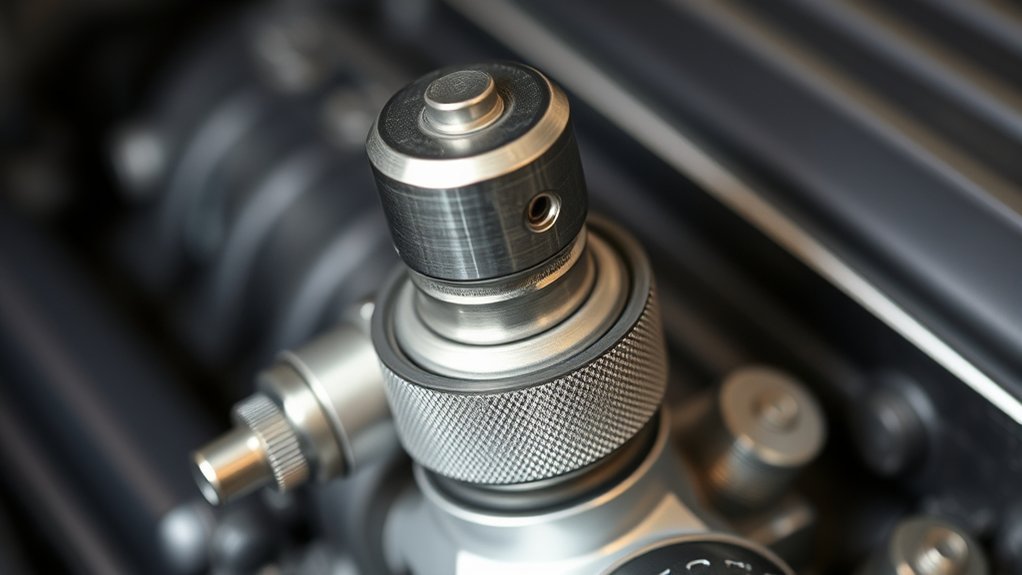
A fuel pressure regulator keeps the right fuel pressure by adjusting how much fuel flows through the system. It responds to pressure changes to make sure everything stays balanced.
Inside, a diaphragm reacts to fuel pressure changes. When pressure gets too high, it pushes against a bypass valve, letting excess fuel flow back to the tank. This lowers the pressure.
When the pressure drops, the diaphragm relaxes and closes the bypass. This allows more fuel to reach the engine, maintaining steady pressure.
It also monitors the pressure difference between the fuel rail and the intake manifold, which varies with engine demand. The spring and diaphragm work together to keep the fuel pressure consistent.
This way, your engine always gets a reliable fuel supply, no matter the driving conditions.
Key Components of a Fuel Pressure Regulator and How They Work
The key components of a fuel pressure regulator work together to keep the fuel delivery just right.
You’ll find a diaphragm that moves in response to pressure changes, helping to regulate fuel flow.
There’s also a spring that sets the baseline pressure, making sure everything stays steady.
And a bypass valve that adjusts how much fuel is allowed to flow through.
Understanding how these parts work together helps you see how the regulator keeps your engine running smoothly under different conditions.
Diaphragm Functionality and Movement
At the heart of a fuel pressure regulator is the diaphragm, a flexible membrane that responds to pressure changes in the system. When fuel pressure increases, the diaphragm gets pushed against a spring, compressing it and opening the bypass valve to send excess fuel back to the tank.
On the other hand, during vacuum or boost conditions, the diaphragm moves to keep the pressure steady across the injectors. This movement helps ensure consistent fuel delivery and prevents fluctuations during engine operation.
The diaphragm’s quick response to pressure changes is crucial for keeping the system balanced. Its precise motion, influenced by pressure differences and spring tension, is essential for proper fuel regulation.
| Condition | Diaphragm Movement |
|---|---|
| High fuel pressure | Moves against spring, opens bypass |
| Vacuum or boost | Adjusts position to maintain pressure |
| Normal operation | Balances pressure for steady flow |
| Excess pressure | Compresses diaphragm to release fuel |
Bypass Valve Operation
How does the bypass valve in a fuel pressure regulator control excess fuel flow? When fuel pressure gets too high, the diaphragm moves, pushing against the spring. This opens the bypass valve to let excess fuel flow back to the tank, preventing pressure from rising further.
When the pressure drops below the target, the spring pushes the bypass valve closed. This helps keep the pressure steady and consistent. The main components work together smoothly to regulate fuel flow efficiently.
Fuel pressure pushes on the diaphragm, making it move. That movement compresses or releases the spring, depending on the pressure. The bypass valve then opens or closes based on these pressure changes.
Excess fuel flows back through the valve, which helps stabilize the system. This process keeps the fuel pressure steady and ensures the engine runs optimally.
Spring and Pressure Regulation
Inside a fuel pressure regulator, the spring and diaphragm work together as key components to keep the fuel pressure steady. The spring applies a specific force against the diaphragm, which reacts to the fuel pressure in the system.
When fuel pressure goes up, it pushes against the diaphragm, compressing the spring and controlling the opening of the bypass valve. This allows excess fuel to flow back to the tank, stopping pressure from getting too high.
Adjusting the spring tension changes the baseline fuel pressure. This helps you fine-tune the regulator’s settings to match your engine’s needs.
The balance between the spring’s tension and the fuel pressure ensures consistent regulation, no matter the engine demand. This precise interaction keeps your engine running smoothly by maintaining the ideal fuel pressure at all times.
How the Diaphragm Responds to Fuel Pressure Changes
The diaphragm in a fuel pressure regulator reacts to changes in fuel pressure and manifold conditions by moving in proportion to the pressure difference. When fuel pressure goes up, the force pushes the diaphragm upward, opening the bypass valve to lower the pressure.
If fuel pressure drops or vacuum increases, the diaphragm moves downward, closing the bypass valve to keep the pressure steady. Your system depends on this precise movement to maintain consistent fuel pressure.
So, when fuel pressure rises, the diaphragm pushes up, opening the bypass valve. When it decreases or vacuum increases, it moves down, closing the bypass. The diaphragm’s movement directly matches the pressure difference.
This quick response helps ensure stable fuel pressure, preventing fluctuations and boosting engine performance.
The Role of Vacuum and Boost Lines in Fuel Regulation
Your fuel pressure regulator uses vacuum and boost lines to keep the fuel delivery just right.
The vacuum line helps adjust pressure during idle and low load conditions. Meanwhile, the boost line ramps up pressure when you’re under high boost.
Together, they make sure your engine gets the right amount of fuel no matter what kind of driving you’re doing.
Manifold Pressure Influence
Ever wonder how a fuel pressure regulator adjusts to different engine conditions? It depends on manifold pressure to control the fuel delivery.
When manifold pressure drops during idle or vacuum conditions, the vacuum hose connected to the regulator diaphragm causes it to reduce fuel pressure slightly. This helps ensure proper atomization.
On the flip side, during boost conditions, increased pressure in the line pushes against the diaphragm and raises fuel pressure. This prevents the engine from running too lean.
Here’s how it works: the regulator’s diaphragm reacts to changes in manifold pressure. Vacuum in the manifold pulls the diaphragm, lowering fuel pressure. Boost pressure pushes against the diaphragm, increasing fuel pressure.
The vacuum hose and boost line transmit these pressure changes to the regulator. This dynamic adjustment keeps fuel pressure aligned with engine load, ensuring peak performance.
Vacuum Line Functionality
Vacuum and boost lines are key pathways that send pressure signals to the fuel pressure regulator, helping it adjust fuel delivery based on engine load.
The vacuum line connects the regulator to the intake manifold, letting it sense pressure changes during idle or low-throttle conditions. When the intake manifold is under vacuum, it pulls on the diaphragm inside the regulator, reducing fuel pressure.
During boost conditions, the boost line supplies positive pressure, which increases fuel pressure to match what the engine needs. These lines work together to keep the right pressure difference, ensuring optimal fuel delivery across different engine loads.
Making sure the vacuum line is properly connected and working is crucial for consistent fuel pressure regulation in response to intake manifold pressure changes.
Boost Adjustment Mechanism
The boost adjustment mechanism in a fuel pressure regulator uses the boost line to accurately increase fuel pressure when boost levels go up. When boost pressure rises, the boost line sends this increased pressure to the diaphragm inside the regulator.
This causes the diaphragm to move and adjust the fuel pressure accordingly. Here’s how it works:
- The boost line connects to the intake manifold, carrying boost pressure to the regulator.
- As boost increases, the pressure difference across the diaphragm shifts.
- The diaphragm responds by moving, which prompts the regulator to raise fuel pressure proportionally.
- This adjustment helps ensure the right amount of fuel during high boost conditions, maintaining efficient combustion and preventing fuel starvation.
This system allows the regulator to adapt fuel pressure dynamically based on engine load and boost levels.
How Fuel Pressure Is Adjusted During Engine Operation
Have you ever wondered how the fuel pressure regulator adapts during different engine conditions? It does this by responding to changes in manifold vacuum or boost pressure through its reference line.
When engine load increases or boost rises, the diaphragm inside the regulator moves, increasing fuel pressure to meet demand. Conversely, when vacuum decreases at higher speeds or under boost, the diaphragm allows more fuel to flow, raising pressure accordingly.
The spring tension inside sets the base pressure, but the diaphragm’s movement adjusts it based on manifold pressure. The bypass valve continuously opens or closes to modulate fuel flow, ensuring consistent fuel pressure regardless of engine conditions.
This dynamic adjustment keeps your engine running smoothly under varying loads and speeds.
Common Signs of a Faulty Fuel Pressure Regulator
When your fuel pressure regulator isn’t working properly, you might notice a few warning signs that something’s off. First, a strong fuel smell or visible leaks around the regulator or fuel lines often indicate a problem.
Second, inconsistent fuel pressure can lead to engine misfires, rough idling, or trouble starting your vehicle.
You might also see fluctuating or unusually high fuel pressure readings during diagnostics, which suggests the regulator is failing.
Finally, engine performance can suffer, showing signs like stalling, poor acceleration, or black smoke from the exhaust due to improper fuel delivery.
All these signs are connected to the regulator’s inability to maintain proper fuel pressure, which directly impacts your engine’s performance and safety.
Getting it checked out quickly can help prevent more serious damage down the line.
Troubleshooting Tips for Fuel Pressure Regulation Problems
To troubleshoot fuel pressure regulation issues effectively, start by checking the fuel pressure with a reliable gauge. Make sure it falls within the manufacturer’s specified range, usually between 30 and 70 PSI.
If the pressure is too high or too low, inspect the vacuum and fuel lines connected to the regulator. Look for cracks, leaks, or blockages, as these can cause pressure to increase or drop.
Fluctuating fuel pressure often points to a faulty or stuck diaphragm in the regulator. Listen for hissing or whining sounds, which can indicate internal damage or vacuum leaks.
If you notice signs of wear, leaks, or erratic pressure, replacing the regulator is usually the best move to restore proper fuel system function.
| Fuel Pressure | Possible Cause |
|---|---|
| Pressure goes up | Regulator stuck or diaphragm failure |
| Pressure drops | Vacuum leak or clogged lines |
| Fluctuates | Faulty regulator or diaphragm |
| Unusual sounds | Internal damage or leaks |
| Worn regulator | Age or wear signs |
Choosing the Right Fuel Pressure Regulator for Your Setup
Choosing the right fuel pressure regulator is key for your engine’s performance, especially since it needs to match your horsepower and fuel flow needs. A good regulator keeps your fuel pressure steady, preventing problems like drops or surges.
Think about these factors: first, match the regulator’s fuel pressure and flow capacity to your fuel pump’s output to avoid issues in your fuel system. If you have forced induction, go for a rising rate regulator with a 1:1 boost to fuel pressure ratio to handle boost pressure effectively.
Also, make sure the regulator is compatible with your fuel type, whether it’s ethanol or race fuels, by choosing a model made from suitable materials. Lastly, check the adjustable range, usually 30 to 70 PSI, so you can fine-tune your setup for top performance.
Frequently Asked Questions
How to Tell if Your Fuel Pressure Regulator Is Working?
You can tell if your fuel pressure regulator is working by checking the fuel pressure with a gauge. It should stay steady within the specified range during both idle and acceleration.
Look for any fuel leaks or strong odors around the unit. Also, make sure there are no fluctuations in pressure when the engine’s demands change.
Consistent readings and no leaks are good signs that your regulator is functioning properly.
How Much Fuel Pressure Is Needed for TBI?
Think of your TBI system like a delicate dance, needing just the right rhythm. You want between 9 and 13 PSI of fuel pressure for it to work properly.
If the pressure drops too low, your engine will hesitate, like a dancer missing a beat. Too high, and it can flood, like stepping out of sync.
Keeping the pressure in this range helps ensure smooth idling, good fuel atomization, and overall engine performance.
What Is the Fuel Pressure for KTM 1290?
The fuel pressure for your KTM 1290 should be around 58 PSI at idle. You want to keep it close to this level to ensure the best engine performance, proper fuel atomization, and smooth running.
Make sure to check the pressure regularly because deviations can cause misfires or rough idling. Keeping the correct fuel pressure helps your bike run efficiently and avoids problems caused by inconsistent fuel delivery.
How Works a Fuel Pressure Regulator?
Think of your fuel pressure regulator as a skilled conductor, keeping everything in harmony. It uses a diaphragm that reacts to fuel pressure and engine load, adjusting the bypass valve to release excess fuel.
When boost rises, it tugs the diaphragm down, reducing flow. The spring sets the base pressure, and the vacuum or boost port helps it adapt on the fly.
This ensures your engine runs smoothly and efficiently.
Conclusion
Understanding how a fuel pressure regulator works helps you appreciate the delicate balance that keeps your engine running smoothly. It’s a crucial component that maintains the right fuel pressure in your system.
The regulator works by using a spring and diaphragm to control fuel flow. When pressure gets too high, it opens a valve to release excess fuel back to the tank. When pressure drops, it closes the valve to allow more fuel in.
Fuel is pushed from the fuel pump into the regulator. The regulator then adjusts the fuel pressure based on engine demands, ensuring consistent delivery to the injectors.
This process happens quietly in the background, supporting your driving experience with steady power and efficiency. When everything functions well, it’s like a well-orchestrated symphony under your hood.
But if the regulator starts to fail, you might notice issues like poor acceleration, rough idling, or fuel leaks. Paying attention to these signs and keeping up with maintenance can help keep your fuel pressure regulator in good shape.
A well-maintained fuel pressure regulator is essential for optimal engine performance. When it works properly, it supports a smooth, efficient ride—highlighting the importance of this vital component for your vehicle’s health.