Does Lucas Fuel Injector Cleaner Work?
Are you tired of your engine sputtering, rough idling, or struggling to accelerate? You’re not alone—many drivers face these frustrating issues caused by carbon buildup and clogged fuel injectors.
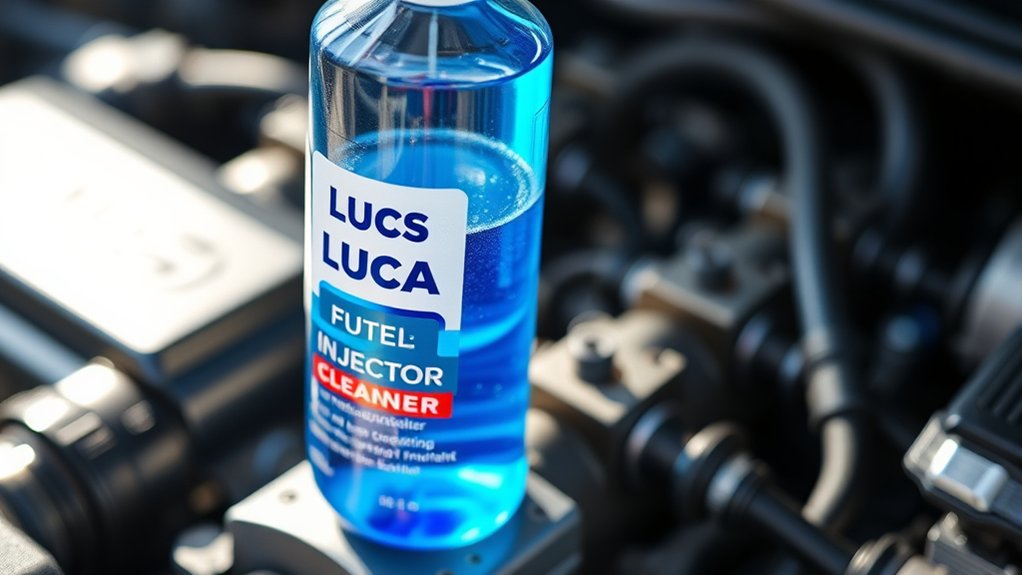
Luckily, Lucas Fuel Injector Cleaner promises to help you get back to smooth, reliable engine performance.
Lucas Fuel Injector Cleaner can help dissolve carbon buildup and improve fuel delivery, leading to smoother engine operation and better fuel efficiency. It works best for routine maintenance and prevents deposits from causing rough idling or poor acceleration.
However, it isn’t as effective for severe carbon buildup or heavy deposits.
If you want to understand how to maximize its benefits and keep your engine running smoothly, there’s more to uncover below.
Key Takeaways
- It dissolves carbon deposits and restores proper spray patterns, which helps improve fuel atomization and engine performance.
- It’s most effective for routine maintenance and mild deposits. If your engine has severe carbon buildup, it might not make as much of a difference.
- Users often notice smoother idling, better throttle response, and even some slight gains in fuel economy.
- The best time to use it is every 3,000 to 5,000 miles as a preventative measure. It’s not really meant for fixing serious engine problems.
- The product mainly contains petroleum-based solvents. These focus on cleaning and lubricating rather than removing heavy deposits.
How Do Fuel Injector Cleaners Like Lucas Improve Engine Performance?
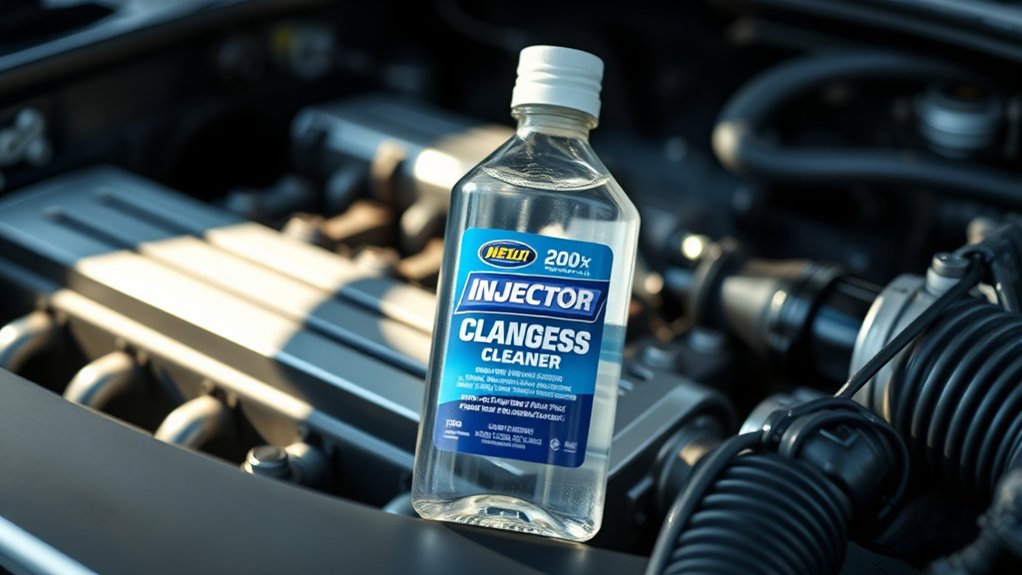
Fuel injector cleaners like Lucas improve engine performance by targeting deposits that clog your injectors. These cleaners contain detergents that dissolve carbon buildup inside the injectors, helping to restore proper spray patterns for efficient fuel delivery.
Fuel injector cleaners like Lucas dissolve carbon buildup, restoring optimal spray patterns for better engine performance.
When your injectors are clean, fuel atomizes properly, leading to more complete combustion. That means smoother engine operation, better throttle response, and more power.
Using fuel injector cleaners regularly can also help reduce engine surging, rough idling, and misfires caused by dirty injectors. Cleaner injectors help maintain the quality of the fuel spray, boosting overall engine efficiency.
Plus, keeping your injectors clean with these additives can improve fuel economy and lower emissions. This helps your engine run cleaner and more efficiently over time.
Does Lucas Fuel Injector Cleaner Really Work?
Many users have noticed improvements in engine performance after using Lucas Fuel Injector Cleaner, especially smoother idling and better fuel economy. It contains cleaning agents that effectively remove deposits from injectors and fuel system parts.
This cleaning can improve fuel flow and combustion, which might boost mileage by about 1-2.5 mpg, especially in high-mileage engines. However, how well it works really depends on your fuel system’s current state.
It’s best used as preventative maintenance rather than a fix for badly neglected systems. While many users see positive results, scientific studies and manufacturer data suggest the impact varies based on engine health and usage.
Can It Boost Your Vehicle’s Fuel Economy?
Wondering if Lucas Fuel Injector Cleaner can actually boost your vehicle’s fuel economy? The answer is yes. With regular use, you might see an improvement of about 1-2.5 mpg, which means more miles per tank.
Personal tests show that adding Lucas to nearly a full tank can increase mileage by 10-24 miles. This cleaner helps keep your fuel injectors performing at their best, preventing restrictions and optimizing combustion.
For high-mileage vehicles or those with carbon buildup, Lucas can help reduce engine strain, leading to better miles per gallon. Results can vary depending on your vehicle’s condition, but consistent use of fuel additives like Lucas supports sustained improvements over time.
How Often Should You Use Fuel System Cleaners?
You should use fuel system cleaners like Lucas every 3,000 to 5,000 miles to keep your engine running smoothly.
If you notice rough idling or decreased performance, it might be time for a clean. Just be careful not to overuse additives.
Regular maintenance helps prevent deposit buildup and can extend your vehicle’s lifespan.
Recommended Usage Intervals
Regularly using fuel system cleaners like Lucas is important for keeping your engine running smoothly, but how often you should use them depends on your driving habits and the quality of your fuel.
In general, it’s a good idea to apply fuel system cleaners every 3,000 to 5,000 miles to prevent deposits from building up. If you often drive in tough conditions, like short trips or with poor-quality fuel, more frequent use—every 1,500 to 2,000 miles—can help.
Many manufacturers suggest adding fuel additives during regular fill-ups or oil changes to keep the fuel system clean. After heavy engine loads or extended periods of bad fuel, using a cleaner can prevent deposit buildup.
Sticking to these intervals helps your vehicle maintain optimal fuel efficiency and engine responsiveness over time.
Signs of Deposit Buildup
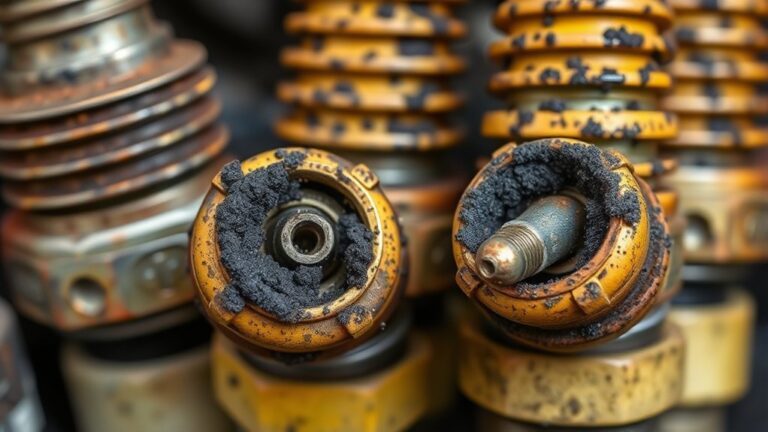
When deposit buildup happens, your engine will usually give you some clear signals that it’s time to take action. You might notice rough idling, trouble accelerating, or even difficulty starting the engine.
Other common signs include reduced fuel economy and engine knocking. These indicate that deposits are impacting your engine’s performance and efficiency. Keeping an eye on how your vehicle runs can help you know when it’s time for a clean-up.
| Sign | Effect of Deposit Buildup | Action Needed |
|---|---|---|
| Rough idling | Deposits clog injectors | Use cleaner sooner |
| Reduced mileage | Intake valves get dirty | Schedule cleaning |
| Engine knocking | Carbon builds up in chambers | Increase cleaning frequency |
| Hard starting | Fuel system gets obstructed | Consider more frequent use |
Preventative Maintenance Benefits
Using fuel system cleaners like Lucas at the right intervals can really help prevent deposit buildup and keep your engine running smoothly. Regular use every 3,000 to 5,000 miles helps maintain optimal fuel injector performance and engine efficiency, which can save you from costly repairs.
If your vehicle is high mileage or has known deposits, more frequent applications—every 1,500 to 2,000 miles—are recommended. Consistently using fuel additives as part of preventative maintenance can also extend the life of your fuel system components and improve fuel economy.
But be careful not to overuse fuel system cleaners or ignore manufacturer guidelines. Doing so might lead to unnecessary expenses without providing extra benefits.
Sticking to the recommended intervals ensures you get the most out of your fuel system cleaners and keeps your engine running at its best.
What Results Can You Expect From Using Lucas?
Expect to notice some positive changes in your vehicle’s performance after using Lucas Fuel Injector Cleaner. Many users report an increase of 1-2.5 mpg, which can help extend their vehicle’s range.
Using Lucas Fuel Injector Cleaner can boost your MPG by 1-2.5 and improve engine smoothness.
Consistent use of this injector cleaner often results in smoother engine idling and fewer surges, indicating cleaner fuel delivery components. Lucas claims it cleans fuel injectors and intake valves to reduce carbon buildup and improve combustion efficiency.
While results can vary, many owners find it effective as a preventative maintenance product rather than a fix for severe injector problems. You might also notice a more responsive throttle and overall better engine performance.
Keep in mind, these benefits are usually seen without changing your driving habits. It’s a simple step to help keep your engine running smoothly.
When Should You Avoid Using Fuel Additives?
Have you considered that fuel additives might do more harm than good if your vehicle already has serious mechanical issues? If your engine has internal damage or needs professional repair, using fuel system cleaners can be ineffective or even make things worse.
Don’t rely on additives to fix problems caused by neglecting regular maintenance or heavily clogged fuel systems. Always check your vehicle’s owner manual; if it advises against chemical treatments, steer clear of fuel system cleaners altogether.
Refrain from adding additives right after engine repairs or when your engine is acting up without a proper diagnosis. If your fuel injectors are faulty or your fuel system is heavily contaminated, additives might not help and could cause further damage.
How Does Lucas Compare to Other Fuel Injector Cleaners?
When comparing Lucas to other fuel injector cleaners, you’ll notice differences in chemical makeup and cleaning power. Some brands rely on cheaper solvents, but Lucas uses proprietary agents that target carbon buildup more effectively.
Considering price and value, Lucas often costs more but provides added lubrication and protection for your fuel system. So, it might be worth the extra investment in the long run.
Chemical Composition Differences
Lucas Fuel Injector Cleaner mainly relies on petroleum-based solvents and lubricants, which are designed to dissolve carbon deposits and keep fuel system components lubricated. Its chemical composition emphasizes cleaning and lubrication rather than aggressive deposit removal.
Unlike PEA-based additives like Techron, which contain proprietary polyether amine compounds proven to clean injectors and intake valves effectively, Lucas’s formula is less aggressive on heavy carbon buildup. Instead, it focuses on routine maintenance, helping prevent future deposits by maintaining lubrication.
Many other cleaners incorporate stronger, PEA-based formulas for stubborn deposits, but Lucas’s approach prioritizes gentle, ongoing cleaning. This difference in chemical composition makes Lucas more suited for minor deposits and regular use rather than intensive cleaning of heavily fouled injectors.
Cleaning Effectiveness Variability
While Lucas Fuel Injector Cleaner can help keep your fuel system clean, its effectiveness really depends on how bad the engine deposits are. It tends to work better for routine maintenance and preventive care but isn’t as reliable for heavy carbon buildup.
Compared to PEA-based cleaners like Techron or Gumout, Lucas often has lower concentrations of proven cleaning agents. This can limit its ability to remove stubborn deposits effectively.
Studies and user reports show that Lucas may improve fuel economy and engine performance in mild cases. However, it’s less effective at cleaning severe varnish or heavy carbon deposits.
For systems that are heavily soiled, you might need more frequent treatments or higher doses. As deposits get worse, Lucas’s cleaning power tends to diminish.
Price and Value Comparison
Considering the varying effectiveness of Lucas Fuel Injector Cleaner, many consumers also weigh its cost against other brands. At around $8–$10 for a 32 oz bottle, Lucas offers a budget-friendly option compared to premium brands.
Buying in bulk, like a gallon on Amazon, cuts the price per treatment considerably, making it economical for regular use. When compared to brands like Techron or Gumout, Lucas usually has a lower upfront cost but may contain different chemical formulations, which can influence perceived value.
Some users notice clear improvements with Lucas, while others find that higher-priced, PEA-based formulas provide more consistent cleaning. Overall, Lucas fuel injector cleaner delivers good value for budget-conscious drivers, especially when used regularly as part of ongoing vehicle maintenance.
Should You Make Lucas a Part of Your Regular Maintenance?
Incorporating a fuel injector cleaner like Lucas into your regular maintenance routine can be a smart way to keep your engine running smoothly. Regular use helps maintain ideal fuel system performance and prevents deposit buildup that can cause rough idling or poor acceleration.
Adding Lucas every 10,000 miles supports fuel economy and improves engine responsiveness, making your vehicle more efficient. Consistent application also helps extend the lifespan of injectors and other critical components, especially in high-mileage vehicles.
While it’s not a substitute for mechanical repairs, making Lucas a regular part of your maintenance aligns with best practices for vehicle health. By proactively caring for your fuel system, you can prevent issues before they become costly.
This way, you ensure your engine stays reliable over time and avoid unexpected breakdowns.
Frequently Asked Questions
What Is Considered the Best Fuel Injection Cleaner?
The best fuel injection cleaners contain polyether amines (PEA), which effectively remove carbon deposits. Brands like Techron, Regane, and Gumout are highly recommended because they deliver proven cleaning power and are trusted by automotive experts.
You should expect to pay at least $8–$10 per bottle for quality products. Regular use of these cleaners improves your engine’s performance, boosts fuel economy, and helps reduce emissions.
All these benefits help keep your vehicle running smoothly.
Can Fuel Cleaner Help P0420?
Yes, fuel cleaner like Lucas Fuel Injector Cleaner can help with P0420 issues, especially if caused by deposit buildup. It improves fuel combustion and engine efficiency, which can positively affect oxygen sensor readings and catalyst performance.
However, it’s not a guaranteed fix for all P0420 problems. Regular use can prevent deposits and help keep your catalyst healthy.
For persistent issues, you’ll need a thorough diagnosis and potential repairs.
Can You Use Too Much Lucas Fuel Injector Cleaner?
You can definitely use too much Lucas Fuel Injector Cleaner, and it’s like pouring too much syrup on your pancakes—things get sticky and messy.
Overdoing it risks diluting your fuel, which can cause rough running or misfires, and even damage your engine.
Stick to the recommended amount—usually 3 ounces per tank—and let your engine breathe easy.
Too much can clog filters or foul spark plugs, so always follow the instructions for smooth sailing.
Can Injector Cleaner Fix a Misfire?
Yes, injector cleaner can fix a misfire if the problem is caused by clogged or deposit-covered fuel injectors. It helps improve fuel spray and combustion, which can restore smooth engine operation.
But if your misfire is due to ignition or compression issues, cleaner won’t do much. You need to figure out the root cause first. If deposits are the culprit, using injector cleaner like Lucas can effectively fix the problem.
Conclusion
In the end, whether Lucas fuel injector cleaner works for you depends on your car’s needs. It can improve performance and fuel economy if used correctly and regularly.
Remember, “A stitch in time saves nine.” Staying on top of maintenance helps prevent bigger issues down the road. So, consider adding Lucas to your routine.
Always listen to your vehicle’s signals. When in doubt, consult a professional and keep your engine running smoothly.