How Long Do Bilstein Shocks Last and How to Maintain Them
Are you tired of replacing your shocks sooner than you expected? Many people struggle with their shocks wearing out quickly, especially if they’re not sure how to maintain them properly. If you want your Bilstein shocks to last longer and perform better, you’re not alone.
Bilstein shocks typically last between 50,000 and 100,000 miles if you maintain them properly and drive under normal conditions. Heavy loads, rough terrains, aggressive driving, and exposure to extreme temperatures can shorten their lifespan.
To keep them in top shape, regularly inspect for leaks, damage, and rust, and keep them clean. Proper installation and cautious driving help extend their durability.
Want to uncover more tips for maximizing your shocks’ lifespan? Keep going for detailed advice.
Key Takeaways
- Bilstein shocks usually last between 50,000 and 100,000 miles if you take good care of them.
- It’s a good idea to regularly check for leaks, rust, or any damage. This helps catch issues early and extend their life.
- Try to avoid rough terrains and aggressive driving, as these can cause them to wear out faster.
- Keep your shocks clean and free of dirt and debris. This helps them perform at their best.
- If possible, consider rebuilding your shocks instead of replacing them. It can save you money and help them last longer.
How Long Do Bilstein Shocks Usually Last?
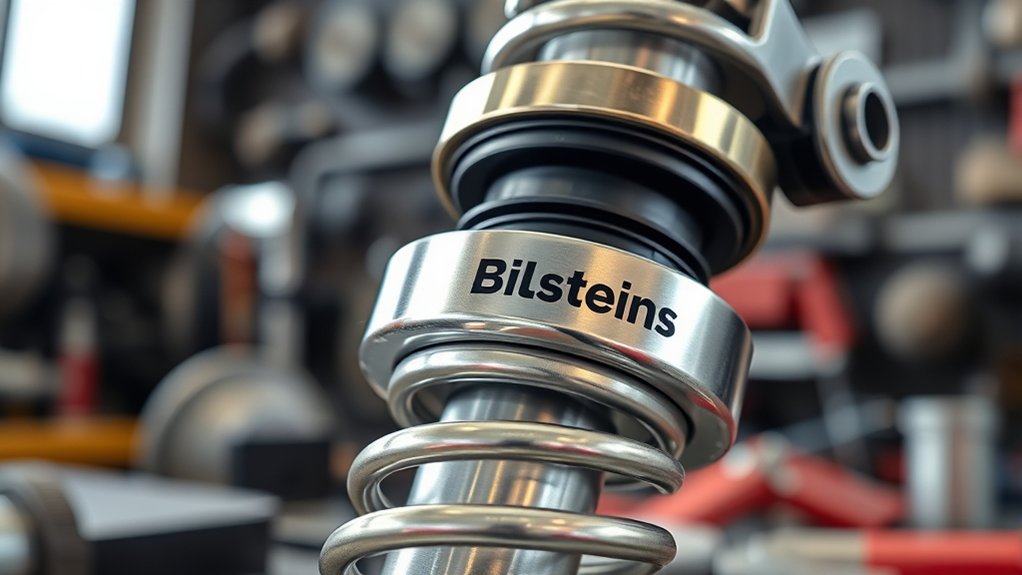
Bilstein shocks typically last between 50,000 and 100,000 miles under normal driving conditions. They perform best when you take care of them and steer clear of rough terrains.
If you stick to smooth roads and do regular inspections, your shocks can last beyond 100,000 miles. Heavy towing, off-road adventures, or rough terrains put extra stress on shocks, which can cut their lifespan.
Watch for signs of wear like leaks, increased bouncing, or a rougher ride. These mean it’s probably time to replace your Bilstein shocks. Remember, since they are sealed, they can’t be repaired once damaged.
Timely replacement is key to keeping your ride smooth and safe.
What Factors Most Affect the Lifespan of Your Bilstein Shocks?
Several key factors can significantly impact how long your Bilstein shocks last. Heavy loads and towing put extra stress on your shocks, causing them to wear out faster and need replacement sooner.
Rough terrain, potholes, and off-road adventures also speed up deterioration because impacts strain the shocks beyond normal use. Aggressive driving like hard braking, sharp turns, and quick acceleration can lead to shock fatigue as well.
Environmental conditions such as extreme temperatures, moisture, and road salt promote corrosion and seal degradation, reducing shock lifespan. Additionally, neglecting regular inspections for leaks, damage, or rust can let small issues turn into bigger problems.
How Do Driving Terrain and Usage Impact Shock Durability?
Driving on tough terrains or going off-road can really shorten your shocks’ lifespan. They take more impacts, hit debris, and shake more, which speeds up wear.
Rough terrain makes shocks hit impacts often, which can damage seals and internal parts faster. Heavy towing or loads also put extra stress on shocks, causing them to wear out sooner.
To see how terrain and usage influence shock life, check out this:
| Terrain Type | Impact on Shock Wear | Recommended Action |
|---|---|---|
| Rough terrain | Speeds up shock wear because of impacts | Regular inspections, pick shocks suited for terrain |
| Smooth highway | Helps shocks last longer | Drive carefully and maintain shocks |
| Heavy loads | Makes shocks wear out faster | Use heavy-duty shocks and lighten loads |
Choosing the right shocks and driving carefully can help your shocks last longer.
How Can You Tell When Your Bilstein Shocks Are Worn Out?
Knowing the signs of worn-out shocks is key to keeping your vehicle safe and performing well. When your Bilstein shocks aren’t working properly, you’ll notice certain warning signs.
Look for visible oil leaks or fluid around the shock body. That’s a clear sign the shock is wearing out. You might also experience excessive bouncing or instability while driving.
If your vehicle nose-dives during braking or handles poorly, it’s time to check your shocks. A quick hand compression test can help—if the car compresses easily and springs back fast, the shocks may be worn.
Unusual noises like clunking or rattling while driving point to internal damage. You might also notice uneven tire wear or increased body roll during turns, which indicates the shocks aren’t damping properly.
How Do You Properly Inspect and Test Your Bilstein Shocks for Wear?
To make sure your Bilstein shocks are still in good shape, it’s important to do regular inspections and tests. Start by visually checking the shocks for leaks, dents, cracks, and rust. Oil leaks are a clear sign that the shock might be worn out.
Next, feel the shocks during your inspection. Warm shocks usually mean they’re working well, while cold or stiff shocks could be a sign of wear or failure. Conduct a hand compression test by pushing down on the vehicle’s corner.
Warm shocks indicate good condition; cold or stiff shocks may signal wear or failure. Conduct a hand compression test.
If the shock compresses easily and bounces a lot, it’s probably worn out. Take your vehicle for a quick road test to see if you notice more bouncing, instability, or a rough ride, which all suggest the shocks aren’t performing properly.
Also, don’t forget to check the rubber bushings and mounts for cracks or excessive wear, as these can affect how well the shocks work.
When Is the Right Time to Replace Your Bilstein Shocks?
Recognizing the right time to replace your Bilstein shocks is key to keeping your vehicle safe and riding smoothly. Shocks are designed to last between 50,000 and 100,000 miles, but harsh driving conditions can shorten that lifespan.
You should consider replacing them if you notice leaks, a bumpier ride, uneven tire wear, or excessive bouncing. Regular inspections for oil leaks, physical damage, or testing shock compression can help you figure out if they’re worn out.
If your shocks have over 50,000 miles and show signs of wear, it’s a good idea to replace them to stay safe and maintain performance. Remember, Bilstein offers a limited lifetime warranty, which might cover your shocks if they need replacing.
Don’t wait until safety becomes a concern. Act as soon as you notice signs of trouble to keep your ride in top shape.
What Maintenance Tips Help Extend the Life of Your Bilstein Shocks?
Maintaining your Bilstein shocks properly can greatly extend their lifespan and guarantee ideal performance. Regular inspection is key—look for leaks, cracks, or rust so you can catch wear early.
Keep shocks clean and free of debris, especially in salty or muddy environments, to prevent corrosion. Follow the manufacturer’s recommended maintenance intervals and avoid aggressive driving to reduce wear.
Periodically check and tighten mounting bolts and bushings to keep everything performing at its best. Also, keep an eye on your ride quality and handling—sudden changes can mean it’s time for maintenance or replacement.
How Do You Choose the Best Replacement or Upgrade for Your Needs?
Choosing the right replacement or upgrade for your shocks depends on understanding your vehicle’s specific needs and how you use it.
Shocks are designed to match your vehicle’s make, model, and driving conditions, whether for off-road adventures, daily commuting, or heavy towing.
Consider upgrade options like Bilstein 5100 series or OME BP-51, which offer better durability, adjustability, and performance tailored to your terrain.
Think about the expected lifespan and maintenance needs. Premium shocks may cost more upfront but can save you money in the long run through longer service intervals and rebuildability.
Assess your typical load and terrain to ensure your shocks can handle demanding conditions without premature wear.
Always check manufacturer specs and reviews to make sure your shocks are compatible and safe.
Why Is Professional Installation and Proper Alignment Important for Bilstein Shocks?
Proper installation and alignment are crucial to making sure your Bilstein shocks perform their best and last longer.
When you have them installed professionally, certified technicians use specialized tools to mount the shocks correctly. This helps prevent misalignment and uneven wear that can shorten their lifespan.
Getting the proper alignment after installation keeps your handling, steering, and tire contact with the road or trail at their ideal levels. That’s really important for safety and overall performance.
If the shocks aren’t installed correctly or aren’t aligned properly, it can lead to early failure and negatively affect your ride quality. Plus, proper alignment helps keep your warranty intact and makes sure the shocks work as they should over time.
Investing in professional installation and proper alignment means you’ll get the most durability, performance, and value from your Bilstein shocks.
What Are Typical Costs for Rebuilding or Replacing Bilstein Shocks?
Rebuilding Bilstein shocks usually costs between $150 and $275 per unit. The price depends on the shop and the specific shock model.
Rebuilding Bilstein shocks typically costs $150 to $275 per unit, depending on the shop and model.
Rebuilds involve replacing seals, fluid, and internal parts. This can significantly extend the life of your original shock body.
If your shocks are beyond repair, replacement costs can range from around $400 to over $600. High-performance or specialized models tend to be more expensive.
Choosing between rebuilds and replacement depends on your shocks’ condition, usage, and whether they can be rebuilt.
Rebuilding restores performance without needing a full replacement. It’s usually quicker and more cost-effective for minor issues.
It also ensures your shocks continue to perform reliably and offers peace of mind with professional service.
FAQs: How Durable Are Bilstein Shocks and How Can You Care for Them?
Bilstein shocks are known for their durability, often lasting between 50,000 to 100,000 miles with proper care. Regular inspections for leaks, damage, and corrosion can help you spot when shocks are nearing the end of their lifespan.
Worn-out shocks can cause increased body roll, uneven tire wear, and a rough ride. Proper installation, avoiding aggressive driving, and keeping shocks clean can help extend their lifespan.
| Care Tips | Benefits |
|---|---|
| Regular inspections | Detect issues early and prevent damage |
| Keep shocks clean and debris-free | Maintain peak performance |
| Avoid aggressive driving | Reduce stress and wear on shocks |
Frequently Asked Questions
Do Bilstein Shocks Need Maintenance?
Yes, Bilstein shocks need some maintenance, but it’s minimal. You should regularly check them for leaks, corrosion, or damage, and keep them clean to prevent debris buildup.
Replacing worn bushings or mounts can help extend their lifespan. Keep an eye on your ride quality during routine vehicle checkups, and address any issues promptly.
This proactive approach ensures your shocks perform at their best and last longer, even with their low-maintenance design.
How Much Does Bilstein Charge to Rebuild Shocks?
Bilstein typically charges between $150 and $275 to rebuild shocks, depending on the model and extent of internal damage. You might pay less for minor repairs or more if the shock requires extensive work. Rebuilding includes replacing seals, fluid, and internal parts to restore performance.
Some authorized service centers offer quick turnaround times, sometimes within a few days. This makes rebuilding a cost-effective way to extend your shock’s lifespan.
What Is Better, Fox or Bilstein?
Choosing between Fox and Bilstein really depends on what you need. If you’re into serious off-road adventures and want adjustable shocks, Fox is probably the better choice.
But if you’re looking for something reliable, with good on-road handling and at a more affordable price, Bilstein shocks are solid. They’re known for lasting longer and being easier to maintain.
Ultimately, it comes down to how you use your vehicle and what fits your budget. Think about what matters most for your driving style, and go from there.
Do Bilstein Shocks Wear Out?
Yes, Bilstein shocks can wear out over time. Usually, they last between 50,000 and 100,000 miles. But things like off-road driving, towing, and aggressive handling can speed up their wear.
You might notice leaks, a bumpier ride, or uneven tire wear as signs that it’s time to replace them. Regular inspections and proper maintenance can help extend their lifespan.
With good care, many shocks stay effective longer, and some even come with a lifetime warranty.
Conclusion
On average, Bilstein shocks last between 50,000 to 100,000 miles, but your driving habits and terrain can shorten their lifespan. Regular inspections and maintenance are key to keeping them performing well for years.
Did you know that proper care can extend shock life by up to 30%? Staying proactive about inspection and timely replacements helps keep your ride smooth and safe.
Taking good care of your Bilstein shocks not only improves ride quality but also saves you money in the long run. Proper maintenance is essential to maximize their lifespan and performance.