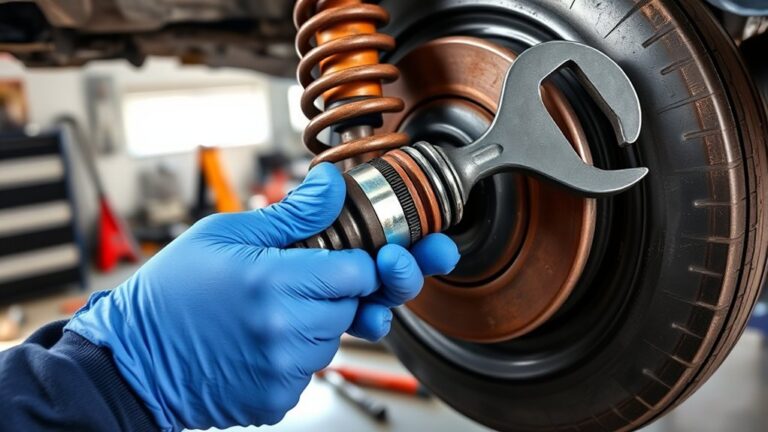

Does My Car Need Alignment After Changing Shocks
Are you tired of dealing with uneven tire wear, poor handling, or a wobbly ride? You’re not alone—many people struggle with knowing when their car needs maintenance. One common question is whether your car needs an alignment after changing shocks.
Yes, you usually need an alignment after changing shocks or struts because they can affect your suspension geometry. This is especially true if your vehicle has adjustable parts or if the shocks were installed improperly.
Skipping an alignment can lead to uneven tire wear, poor handling, and unsafe driving. To keep your vehicle in top shape, it’s best to get a professional check.
Keep going to find out more about when and why an alignment is needed.
Key Takeaways
- Usually, shocks don’t require an alignment unless something in the suspension gets damaged or modified during the replacement.
- Front shocks might need an alignment if they are part of an adjustable or camber-changing system.
- Replacing rear shocks on older vehicles can sometimes affect the alignment, especially if suspension parts get disturbed.
- If you notice pulling, uneven tire wear, or steering issues, it’s a good idea to get an alignment after changing shocks.
- Always check the manufacturer’s guidelines or ask a professional mechanic to see if an alignment is needed.
Do You Need an Alignment After Replacing Shocks or Struts?
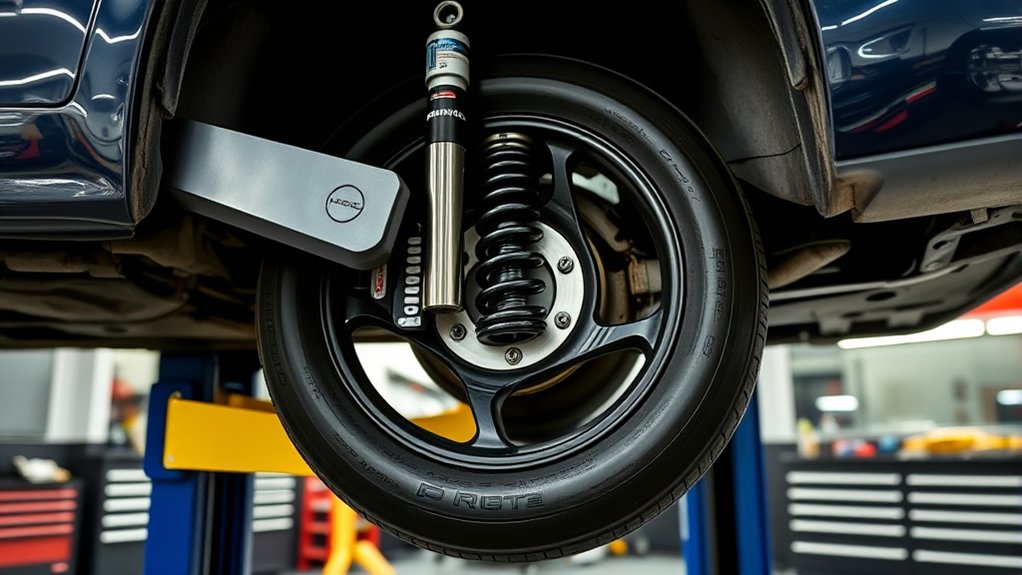
Replacing shocks or struts usually doesn’t need an alignment unless some suspension parts are damaged or changed.
However, when you replace front struts, an alignment is often recommended because the strut bolts are used for adjustment.
Rear shocks generally don’t affect the alignment unless other suspension components are also replaced or affected during the process.
Even new shocks or struts can cause slight misalignments due to play or installation factors, so an alignment is a good idea.
It’s best to check your vehicle’s manufacturer guidelines or ask a professional mechanic to be sure if an alignment is needed after replacing shocks or struts.
Proper alignment helps your vehicle handle correctly, extends tire life, and keeps driving safe.
How Do Different Suspension Types Affect Your Need for Alignment?
The type of suspension system your vehicle has greatly influences whether you’ll need an alignment after replacing shocks or struts. Some systems, like SLA (strut–leaf–arm), have standalone components, so shocks can often be replaced without needing an alignment.
On the other hand, strut suspension systems, which combine shocks and springs, usually require an alignment if the bolts are adjustable or if the suspension has been modified. Vehicles with high-mounted struts and multiple ball joints, like some Hondas, generally don’t need an alignment after replacing struts unless the bolts are adjustable.
If your suspension features slotted adjustment holes, an alignment is typically necessary after shock or strut replacement to ensure proper wheel alignment and handling.
Signs You Should Get an Alignment After Suspension Work
After working on your suspension, pay attention to how your car handles — it can tell you if you need an alignment. If your car pulls to one side or starts drifting, that’s a sign you should get it checked.
A steering wheel that sits off-center when you’re driving straight is another clear indicator. Also, look at your tires — uneven wear or feathered edges often mean your suspension needs realignment.
Finally, if your steering feels unstable or your vehicle wanders without you steering, an alignment is a must. Ignoring these signs can lead to more tire damage and worse handling.
Getting your alignment checked and fixed promptly helps keep your ride safe, smooth, and responsive.
What Happens If You Skip the Alignment?
Skipping an alignment after replacing shocks might seem like a small thing, but it can cause big problems for your car’s performance and safety.
Without proper alignment, you’ll notice uneven tire wear, which shortens your tires’ lifespan and means you’ll need to replace them more often. Misaligned wheels can also cause your car to pull to one side, making steering less stable and handling unpredictable.
Over time, the suspension components take on extra stress from misalignment, leading to early wear and potentially expensive repairs. Ignoring this step can compromise your safety, making driving less predictable and more dangerous.
In the end, skipping the alignment after changing shocks might save you a little money upfront, but it can lead to worse vehicle performance, higher maintenance costs, and early replacement of tires and suspension parts.
When Is an Alignment Especially Important?
An alignment becomes especially important when you replace front struts because these components directly influence your vehicle’s camber, caster, and toe angles—critical factors that affect tire wear and handling.
If your suspension has adjustable parts like eccentric bolts or slotted holes, an alignment is essential to restore proper wheel angles.
Replacing rear struts on older vehicles can cause uneven tire wear and compromise stability, making an alignment necessary.
Post-collision inspections or new tire installations may also misalign your suspension, so a professional alignment is highly recommended.
High-performance cars or those driven on highways benefit from aligning after strut replacement to ensure precise handling and maximize tire life.
Ignoring these situations can lead to unsafe driving and costly repairs.
What to Expect During an Alignment Service
When you get an alignment, the technician will start by inspecting your suspension components to look for any issues.
Then, they’ll adjust the wheel angles—like camber, toe, and caster—using a computerized rack for accuracy.
Once the adjustments are made, they’ll do a quick test drive or re-measure to make sure everything is aligned properly.
This helps improve handling and extends the life of your tires.
Inspection of Suspension Components
During an alignment service, the technician carefully examines your vehicle’s suspension components to ensure everything is in good shape. They start by inspecting parts like control arms, ball joints, and bushings for signs of wear or damage.
Next, they check the condition of the strut mounts, shock absorbers, and related hardware for any deterioration. The technician also takes precise measurements of camber, toe, and caster angles to see if adjustments are needed.
Finally, they visually scan for broken or bent suspension parts that could affect the accuracy of the alignment. If necessary, wheels are removed for a closer look at internal suspension components.
This thorough inspection makes sure your suspension system is healthy and ready for optimal alignment performance.
Adjustment of Wheel Angles
As part of the alignment process, the technician adjusts your vehicle’s wheel angles—camber, caster, and toe—to ensure proper tire contact and steering performance. Specialized equipment measures these angles precisely, matching them to the vehicle manufacturer’s specifications.
If you’ve recently changed suspension components like shocks or notice uneven tire wear, adjustments might be needed to restore ideal handling. Before making any changes, technicians often mark or record the position of eccentric bolts to help achieve accurate settings.
Proper alignment ensures all suspension parts work together smoothly, preventing uneven tire wear and improving steering responsiveness. This process is essential for maintaining your vehicle’s safety, ride quality, and tire life after suspension work or if you experience handling issues.
Test Drive for Alignment
A test drive is an important step in the alignment process because it helps the technician see how your vehicle responds after the initial adjustments. During the test drive, you might notice if your steering feels more responsive or if the car still pulls to one side.
The technician may make additional tweaks based on what they observe during the drive. Expect your vehicle to be driven on a specialized alignment rack that simulates normal driving conditions, which ensures accurate measurements.
Here’s what you can expect:
- They’ll check for pulling or wandering that could indicate misalignment.
- The technician will assess handling and how your steering responds.
- They’ll verify that suspension and steering parts are functioning properly.
- A smooth, straight ride means the alignment is good.
How to Maintain Proper Alignment and Extend Tire Life
Maintaining proper wheel alignment is key to extending your tire life and ensuring your vehicle handles well. Regularly check your tires for uneven wear patterns, which often indicate misalignment and can shorten tire life.
Keep your suspension components in good shape and schedule regular alignment checks to prevent premature tire wear. After replacing shocks or struts, make sure your wheels are properly aligned to improve steering response and vehicle tracking.
Pay attention to how your car responds on the road. Any deviations might mean you need an alignment to prevent uneven tire deterioration. Following your manufacturer’s recommended alignment intervals and fixing issues promptly helps keep your tires in good shape, boosts longevity, and makes your driving safer.
Frequently Asked Questions
Should I Get an Alignment After Getting New Shocks?
Yes, you should get an alignment after installing new shocks, especially if they’re front shocks connected to strut bolts or tie rods. Even if only the shocks are replaced, an alignment helps ensure proper tire contact, handling, and even tire wear.
If you notice any steering issues or uneven tire wear afterward, it’s a good idea to have a professional check and do an alignment. This keeps your vehicle running smoothly and can prevent more costly problems down the road.
Will Changing Front Shocks Affect Alignment?
Yes, changing front shocks can affect your car’s alignment because the shock mounts and bolts are involved in suspension positioning. Even new shocks might introduce slight movement, which can alter camber, caster, or toe angles.
To ensure proper handling and prevent uneven tire wear, you should get an alignment after replacing your shocks. Ignoring this step could lead to steering issues and decreased tire lifespan.
Does the Honda Odyssey Need 4 Wheel Alignment?
Yes, your Honda Odyssey needs a four-wheel alignment after changing shocks or struts. When you replace these parts, it can change the camber and toe angles, which impacts handling and tire wear.
Aligning all four wheels restores factory specs, making sure your vehicle drives smoothly and handles properly. It also helps prevent uneven tire wear.
Getting a four-wheel alignment is an essential step for safety, better performance, and to help your tires last longer.
Can You Replace Struts Without Getting an Alignment?
You can replace struts without needing an alignment if nothing else is disturbed. Usually, if the bolts and mounting points stay intact and the suspension isn’t altered, your car won’t need a wheel alignment afterward.
However, if your vehicle has adjustable mounts or eccentric bolts, an alignment might be necessary to keep things handling properly. Always check your vehicle’s guidelines or ask a mechanic just to be sure.
This way, you can ensure safe, smooth driving without unnecessary adjustments.
Conclusion
In the end, neglecting an alignment after replacing your shocks isn’t just a small oversight. It’s like ignoring a crack in the foundation of your car’s safety.
Proper alignment keeps your vehicle riding smoothly, saving you money and preventing future headaches. Think of it as giving your car a fresh pair of shoes—comfort, control, and peace of mind all depend on it.
Don’t let small issues steer you off course. Stay aligned and drive confidently ahead. If you’ve changed your shocks, getting an alignment is a smart move to keep everything in check.