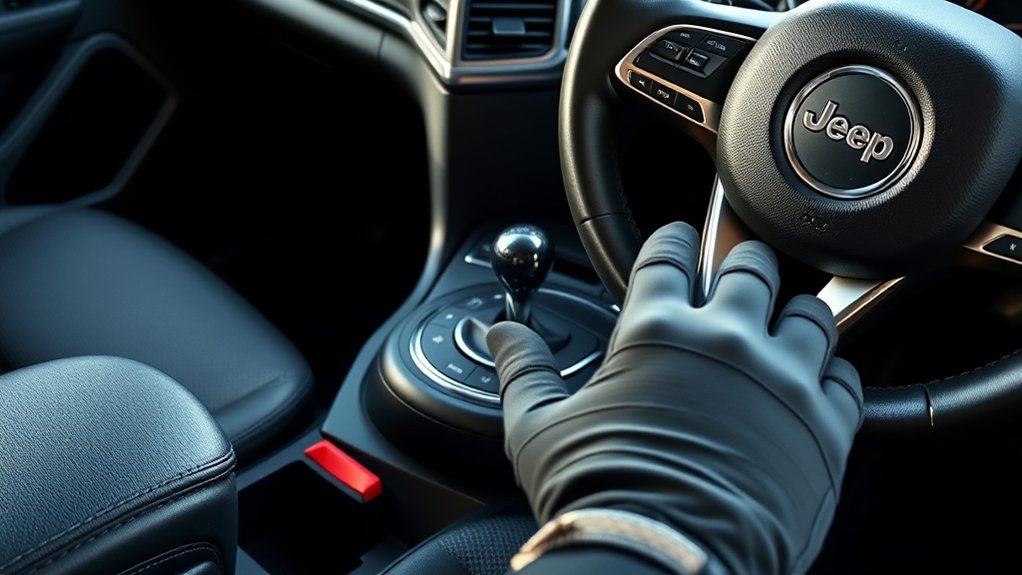
How to Release the Parking Brake on a Jeep Grand Cherokee in 8 Steps
If you’re trying to release the parking brake on your Jeep Grand Cherokee, you’re not alone. Many owners find this task confusing or frustrating, especially when the brake feels stuck or won’t loosen. Don’t worry—most issues can be fixed with a few simple steps.
To release the parking brake on your Jeep Grand Cherokee in 8 steps, first verify the vehicle is on a flat surface and the key is in the ON position. Locate the brake release handle or pedal, then disengage it while pressing the brake pedal firmly.
If the brake feels stuck, you may need to manually retract the brake mechanism by accessing the rear calipers and turning the splined shaft counterclockwise.
You’ll find more detailed steps to safely and effectively release or fix the brake if you continue.
Key Takeaways
- Locate the parking brake release mechanism, usually found inside the vehicle near the center console or footwell area.
- Make sure the vehicle is parked on a flat, stable surface. Engage the parking brake fully to ensure safety.
- Disconnect the vehicle’s battery to prevent any electrical hazards while you’re manually releasing the brake.
- Access the rear brake components by removing any necessary trim or panels. This will help you reach the calipers or the EPB motor.
- Carefully manually retract or release the stuck parking brake using the appropriate tools. Be sure to follow all safety precautions during this process.
How Do You Know Your Jeep Cherokee’s Parking Brake Is Stuck?
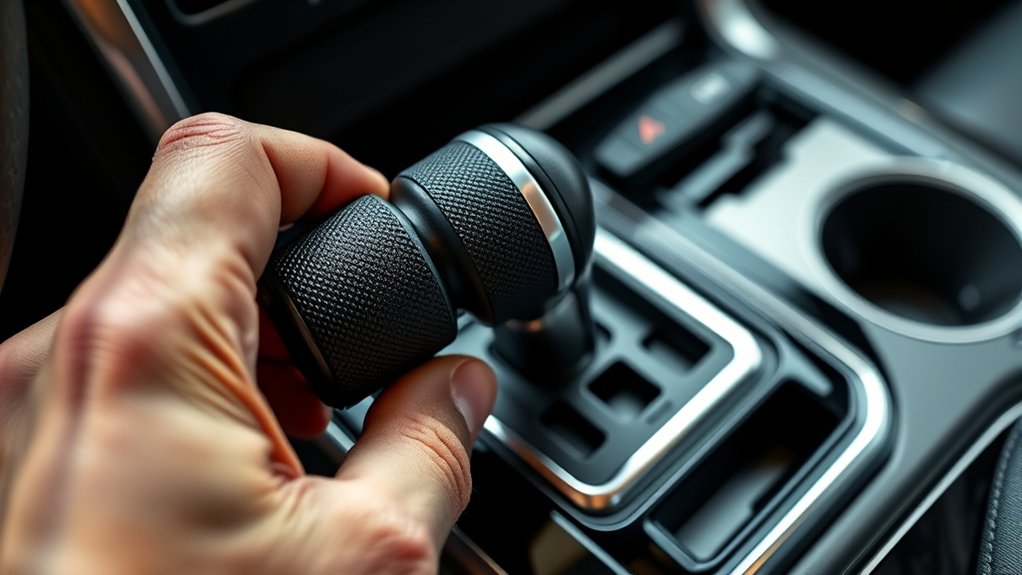
If your Jeep Cherokee’s parking brake is stuck, you’ll notice some clear signs. The parking brake light stays on the dashboard even after you try to release it.
You’ll also find that the vehicle won’t move or drive because the brakes are still engaged. When shifting into Drive or Reverse, the rear wheels don’t turn or roll, confirming the brake is still engaged.
You might hear resistance or noise when trying to manually release the parking brake, which suggests it’s stuck.
A visual inspection can reveal seized brake cables or corroded parts that prevent proper release.
These signs point to a parking brake stuck situation, often caused by seized cables or other mechanical issues that need immediate attention.
How Can You Safely Prepare to Manually Release the Parking Brake
Before attempting to manually release the parking brake on your Jeep Grand Cherokee, it’s important to prepare your vehicle properly. Make sure your Jeep Cherokee is on a flat surface and the ignition is turned off.
Ensure your Jeep Cherokee is on a flat surface and the ignition is off before releasing the parking brake safely.
Next, disconnect the vehicle’s battery to prevent any electrical interference or accidental activation of the parking brake system. Locate the rear brake caliper and the black plastic actuator housing where you’ll perform the troubleshooting steps.
Wear safety gloves and eye protection to guard against brake dust and mechanical movements. Ensure the parking brake is fully engaged and the vehicle is securely stabilized to prevent any unintended movement.
Proper preparation helps you safely access the parking brake components and reduces the risk of injury or damage during manual release.
Where Is the Parking Brake Mechanism Located on Your Jeep Cherokee?
The parking brake mechanism on your Jeep Cherokee is mainly located in the rear brake calipers. It’s part of the electronic parking brake (EPB) system. The EPB motor and actuator are mounted directly onto the rear brake calipers, often hidden behind a black plastic cover.
The EPB module that controls the release is usually found near the rear suspension or inside the trunk, behind trim panels. To get to these parts, you may need to remove interior trim or access panels in the rear of the vehicle.
Knowing where these components are helps you locate the system if you need maintenance or want to manually release the parking brake. The rear brake calipers house the EPB motor and actuator, both of which are concealed by black plastic covers.
How to Check for Water Damage or Mechanical Failures in Your Parking Brake System
You should start by inspecting the rear EPB module and nearby welds for cracks or water leaks, especially around the lift gate.
Look for signs of water pouring out or corrosion on the motor and gears, which can cause failure.
Finally, check the wiring seals and remove the wheel and caliper to spot rust or seizure in the brake components.
Water Intrusion Signs
Ever wonder how to tell if water has compromised your Jeep Grand Cherokee’s parking brake system? Look for signs like corrosion, rust, or water puddles around the brake module or wiring harness. Water getting into the system can cause electrical issues and make the brake release fail.
Check the rear liftgate seam welds for cracks or leaks that might let water seep in. If water leaks out of the EPB module or connectors, it’s a sign of potential ingress and a higher risk of failure. Regularly inspect for moisture, condensation, or corrosion on brake parts to catch early signs of water damage.
Look out for rust or corrosion on the brake components, puddles around the parking brake module, and cracks or leaks in the rear liftgate welds. Also, watch for water leaking from wiring connectors or visible moisture and condensation on parts.
Mechanical Damage Indicators
Inspecting your Jeep Grand Cherokee’s parking brake system for mechanical damage means carefully checking key components for signs of water-related issues. Look for cracks, corrosion, or water intrusion around the rear EPB module and wiring harnesses, especially at seam welds and connectors.
Check for water pooling or water pouring out of the module, which indicates water getting inside and possibly causing corrosion or mechanical problems. Also, examine internal parts like the brake caliper for rust, sticking, or seized components.
Don’t forget to assess the EPB motor and gears for signs of stripping or damage from water or general wear.
| Component | Signs of Damage | Potential Cause |
|---|---|---|
| EPB Module | Cracks, corrosion | Water ingress |
| Brake Caliper | Rust, sticking | Moisture exposure |
| Gears & Motor | Damage, stripping | Mechanical wear |
Inspection and Prevention
Regularly checking your Jeep Grand Cherokee’s parking brake system for water damage and mechanical issues helps prevent costly repairs and keeps it operating safely. Start by inspecting the rear EPB module and surrounding areas for cracks, leaks, or water getting in, especially around seam welds and wiring conduits.
Look for water pouring out or signs of corrosion, which indicate water intrusion that can cause electrical or mechanical failures. Make sure the module is sealed properly, and create drip loops in the wiring to prevent water from reaching sensitive parts. Seal any cracks with waterproof sealant to avoid future leaks.
Jack up each wheel and manually rotate it or test the brake to see if water or debris has caused components to seize or stick. Regular inspections after wet conditions or winter help keep your brakes working safely and reliably.
Check for cracks, leaks, and corrosion around the EPB module. Look for water pouring out or other signs of water ingress. Seal cracks and create drip loops in wiring to prevent leaks.
Manually rotate the wheels to test brake movement and ensure nothing is sticking. Also, inspect wiring and components after driving in wet or winter conditions to catch issues early.
How to Manually Retract a Stuck Parking Brake in Your Jeep Cherokee
To manually retract a stuck parking brake, start by accessing the caliper and finding the black plastic actuator.
Once you have it, turn the splined shaft counterclockwise to release the brake pads from the rotor.
Be sure to follow safety precautions and handle the components carefully during this process.
Accessing the Brake Caliper
When your parking brake is stuck on, you might need to manually retract the brake caliper to free it. Start by disconnecting the power connector from the black plastic actuator on the parking brake assembly.
Next, remove the two screws holding the actuator to the caliper. This will expose the splined shaft behind it. Use a suitable tool, like a large flat-head screwdriver or socket wrench, to turn the splined shaft manually.
Turning the shaft clockwise usually retracts the piston and frees a frozen or stuck caliper. Once you’ve done that, carefully reassemble everything, making sure the actuator is secure and electrical connections are properly reconnected.
Manual Shaft Turning Procedure
If your parking brake is stuck, manually turning the splined shaft behind the caliper can often release it. First, locate the splined shaft on the rear caliper, behind the plastic actuator cover.
Next, disconnect the electrical connector and remove the two screws securing the actuator to access the shaft. Use a suitable tool, like a socket or screwdriver, to turn the shaft clockwise or counterclockwise.
This will disengage the brake pads from the rotor, freeing the brake. Be careful not to damage the actuator or brake components, and only attempt this if you’re comfortable with mechanical repairs.
| Step | Action | Tools Needed |
|---|---|---|
| Locate the shaft | Behind caliper, under plastic cover | None |
| Disconnect connector | Remove electrical connection | Pliers (if needed) |
| Remove actuator screws | Unscrew to access the shaft | Screwdriver or socket |
| Turn the shaft | Rotate to disengage brake pads | Suitable tool |
| Check brake movement | Ensure free movement of components | Visual inspection |
Precautions During Retraction
Before manually retracting a stuck parking brake on your Jeep Cherokee, it’s important to prioritize safety. Disconnect the vehicle’s battery first to prevent electrical hazards.
Carefully remove the screws and disconnect the electrical connector from the black plastic actuator on the rear caliper. When turning the splined shaft, use the right tool and apply gentle force to avoid damaging the actuator or brake components.
Be especially cautious if the brake is frozen or stuck, as forcing it could cause cracks or breaks. Reassemble everything securely once the brake is released, and test the brake operation before driving.
Wear gloves and eye protection for safety. Work on a flat, stable surface. Double-check all connections after reassembly.
Don’t force components if resistance is too high. Proceed only after confirming proper brake function.
When Should You Seek Professional Help for Parking Brake Problems?
Parking brake issues that keep bothering you despite trying to release it or if warning lights stay on are signs you should see a professional.
If you hear strange noises like grinding or clicking, it could mean there’s a mechanical problem that needs expert diagnosis.
When your vehicle gets stuck and can’t be moved safely, it’s time to call in a repair specialist.
Water getting into the brake module or corrosion forming also calls for professional inspection and sealing.
Electrical or sensor problems that prevent your brake from working properly should be checked out by a qualified technician.
| Situation | Recommended Action |
|---|---|
| Warning lights stay on | Seek professional help immediately |
| Unusual noises | Have a mechanic inspect the system |
| Vehicle immobilized | Contact a repair specialist |
How Can You Prevent Future Parking Brake Issues and Water Intrusion
To keep your parking brake working smoothly and avoid water-related problems, regular maintenance and preventative steps are crucial. Start by inspecting and sealing any cracks or gaps around the EPB module and wiring conduits to stop water from getting in.
Create drip loops in wiring harnesses to direct water away from sensitive electronics. Keep the area around the lift gate and rear suspension clean and dry, especially after wet weather.
Applying dielectric grease to electrical connectors helps repel moisture and prevents corrosion. Also, periodically operate the parking brake to ensure it moves freely and check for signs of water buildup or rust.
Staying proactive is the best way to keep your parking brake reliable and extend its lifespan.
What Safety Checks Should You Do After Releasing the Parking Brake
After releasing the parking brake, it’s important to do some quick safety checks to make sure your vehicle is ready to go. First, make sure you’re on a flat, stable surface and that the parking brake warning light has turned off.
Next, check that the brake pedal is fully released so the brake system can reset properly. As you start to move gently, listen for any unusual noises, resistance, or dragging sounds from the wheels or brake components.
Then, inspect the rear brake area for leaks, corrosion, or visible damage, which could indicate ongoing issues. Finally, test the brakes gently to ensure they’re working correctly and stopping smoothly.
These simple checks help make sure your Jeep Grand Cherokee is safe and ready for driving.
Frequently Asked Questions
How to Release Park Brake on Grand Cherokee?
To release the parking brake on your Jeep Grand Cherokee, make sure the ignition is on and press the brake pedal firmly.
If the electronic brake is stuck, turn off the vehicle, wait a few seconds, then restart to reset the system.
You can also manually disengage it through the Uconnect system or, if needed, manually retract the caliper piston by disconnecting power and turning the splined shaft behind the actuator.
How Do I Manually Release the Parking Brake?
To manually release the parking brake on your Jeep Grand Cherokee, start by locating the black plastic actuator behind the wheel caliper.
Disconnect its electrical connector, then remove the two screws holding it in place.
Use a suitable tool to turn the internal splined shaft, which retracts the brake piston from the rotor.
Be cautious, avoid damaging components, and consult your manual for specific guidance.
How to Disengage a Jeep Parking Brake?
Think of your Jeep’s parking brake as a gate blocking your journey. To disengage it, turn on the ignition and press the brake pedal firmly. This acts like opening the gate.
If your Jeep has an electronic parking brake, try resetting the system by turning off the vehicle, then on again, while holding the brake pedal.
If the brake is stuck, you might need to manually retract the caliper piston or disconnect the battery to reset the system. This should free your path forward.
How to Disengage Auto Park on Jeep Grand Cherokee?
To disengage Auto Park on your Jeep Grand Cherokee, make sure your vehicle is fully on with the ignition in the “On” position.
Press the brake pedal firmly, then shift the gear out of “Park” while the vehicle is still stationary.
If electronic systems fail, use the manual release lever or follow the specific steps in your owner’s manual.
You can also disable Auto Park via the Uconnect system or vehicle settings if that option is available.
Conclusion
Now that you know how to release your Jeep Cherokee’s parking brake, you’re almost ready to hit the road again. Just make sure everything checks out before you go.
If you notice any strange sounds or lingering issues, don’t ignore them. These could be signs of more than just a stuck brake. Stay alert and keep safety a priority.
It’s a good idea to perform some quick checks, like inspecting the brake system or listening for unusual noises. If something feels off, consider getting professional help.
Your next adventure depends on it. Being cautious now can save you from bigger problems down the line. Are you prepared for what might come next?