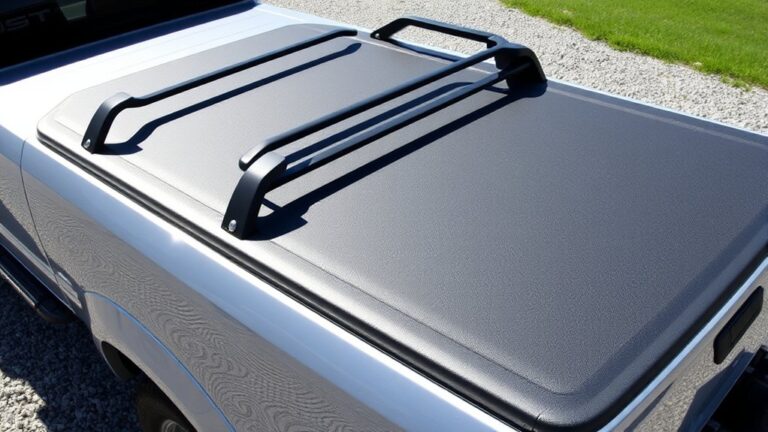
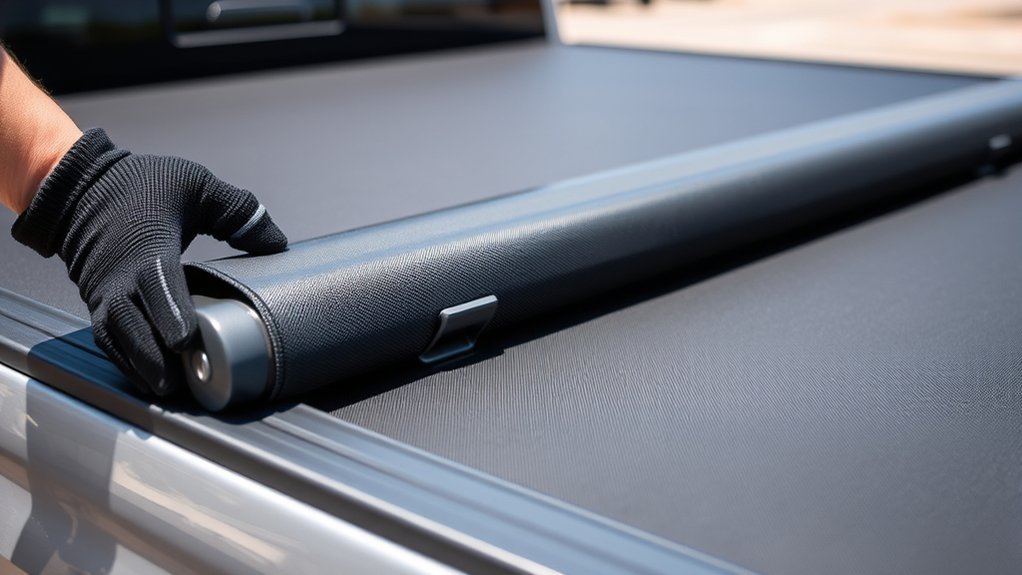
How to Open a Roll Up Tonneau Cover in 7 Easy Steps
Many truck owners find themselves frustrated when trying to open their roll-up tonneau cover, especially if they’re new to it. You’re not alone—getting that cover up and out of the way can feel tricky at first. But with a little guidance, you’ll be able to do it quickly and easily.
To open your roll-up tonneau cover in 7 easy steps, start by identifying its type and features, like built-in straps or locks. Find the release mechanism near the tailgate or side edges, and disengage it carefully by turning the key or releasing latches.
Prepare your truck bed by clearing debris and ensuring all locks are disengaged. Lift the cover straight up, supporting it evenly, and place it on a soft surface.
For more detailed guidance, keep going to learn helpful tips and tricks.
Key Takeaways
- Locate and unlock the latch or lock mechanism near the tailgate or side edges.
- Clear any debris around the latch area to make sure everything moves smoothly.
- Disengage the lock by turning the key or releasing the latch.
- Carefully unroll or slide the cover from the truck bed.
- Support and lift the cover straight up, then place it on a soft surface.
Understand Your Tonneau Cover Type and Features
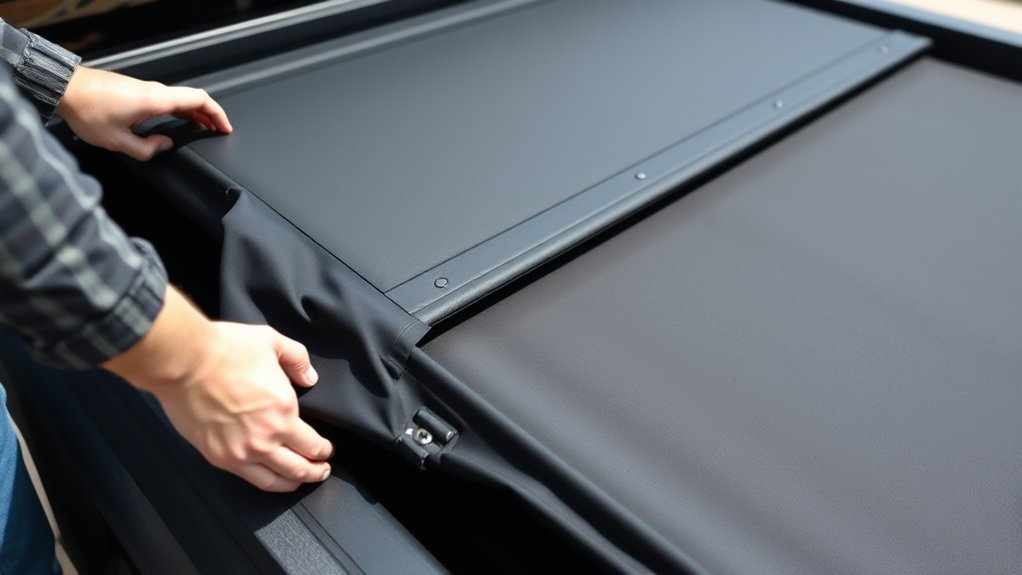
Understanding your tonneau cover type and features is key before you try to open it. For a roll-up tonneau, you’ll see the cover rolls from the tailgate toward the cab, making access quick and easy.
A roll-up tonneau cover rolls from the tailgate toward the cab for quick, easy access.
Many models come with built-in straps or handles to help you roll and unroll the cover smoothly. The cover is usually secured with side clamps or hooks that release easily when you open the tailgate.
Some roll-up covers have tension adjustment bolts, so you can control how tight the rolled cover is for a snug fit. Knowing whether your cover is soft, hard, or retractable helps you handle it properly.
Getting familiar with these features makes opening and closing your roll-up tonneau smoother and helps prevent damage.
Find the Release Mechanism and How It Works
To open a roll-up tonneau cover, start by locating its release mechanism, which is usually near the tailgate or along the side edges of the cover.
The release mechanism often works as a lock, latch, handle, or lever that disengages the cover’s locking system.
Many models need you to pull or lift a handle, sometimes combined with sliding or twisting motions, to unlock it.
Some covers have a central lock that, when released, allows the entire roll-up to come loose smoothly.
How it works depends on the cover’s design, like spring-loaded latches or clip-based systems.
Once you find and operate the release mechanism, the cover should loosen up, making it easier to roll up and access your truck bed.
Prepare Your Truck Bed for Opening (Clear Obstructions)
Before opening your roll-up tonneau cover, make sure the truck bed is free of obstructions that could hinder smooth operation. Remove any debris like leaves, dirt, or small branches from the cover and around the tailgate area.
Use a soft brush or your hands to sweep off loose debris without scratching or tearing the cover material. Check that the truck bed rails and tracks are clear of dirt and obstructions so the cover can slide easily.
Ensure all latches or locks are disengaged and in the unlocked position. Also, make sure the tailgate is fully closed and secured to prevent debris from falling into the bed when you open the cover.
Clearing these obstructions guarantees a hassle-free opening process.
Step-by-Step: How to Unlock and Open Your Cover
Once you’re ready to open your roll-up tonneau cover, start by locating the latch or lock mechanism, usually near the tailgate or along the side edges of the cover. Before proceeding, clear any debris around the latch area with your hand or a soft brush to keep things working smoothly.
If your cover has a lock, gently turn the key to unlock it. Then, carefully lift or slide the latch as designed, avoiding any force that could cause damage.
Make sure to fully open all latches to make rolling up or removing the cover easier. This will ensure everything opens smoothly and safely.
Lift and Remove the Cover Safely From Your Truck Bed
When lifting and removing the cover, make sure all latches or straps are fully released to avoid resistance or damage. Grab the rolled cover with both hands, supporting its weight evenly to prevent tearing or bending.
Carefully lift the cover straight up, keeping it aligned with the truck bed to avoid scratching or damaging the bed rails. If the cover feels heavy or awkward, don’t hesitate to ask for help to prevent injury or dropping it.
Once you’ve lifted the cover clear of the bed, place it on a soft, padded surface. This helps prevent any damage during removal or storage. Remember, supporting the roll evenly and lifting straight up makes the process safe and damage-free.
Troubleshooting Common Opening Problems (Stuck or No Front Clips)
If your roll-up tonneau cover is stuck or won’t open at the front, start by checking the tracks for any debris or dirt that might be blocking the way. Clean out any dirt thoroughly so the cover can slide smoothly.
If your cover doesn’t have front clips, try gently pulling or rolling it from the tailgate side, applying even pressure to help release any tension. Make sure the front latch or lock is fully disengaged before trying to open it.
When there are no front clips, carefully apply force along the edges. Use a soft tool if needed to avoid damage and free the cover. Keep in mind, some models might need twisting or special maneuvers to release and open properly.
Tips for Maintaining and Reinstalling Your Tonneau Cover
Keeping your tonneau cover in top shape means cleaning it regularly with mild soap and water to prevent dirt buildup. Dirt can make it harder to roll smoothly, so a clean cover works better.
Make sure to lubricate hinges, locks, and bolts with silicone spray. This keeps everything working smoothly and makes reinstalling easier.
Before putting it back on, take a close look at the seals and fasteners. Replace any damaged parts to ensure a secure fit.
Finally, follow the manufacturer’s instructions carefully to get your tonneau cover reinstalled properly and confidently.
Regular Cleaning Practices
Regular cleaning is essential for maintaining the longevity and functionality of your tonneau cover. Regularly wash it with mild soap and water to prevent dirt buildup and keep it flexible.
After cleaning, dry the cover thoroughly to avoid mold, mildew, and adhesive deterioration. During maintenance, inspect and lubricate the seals, hinges, and locking mechanisms with silicone spray to ensure smooth operation.
Make sure to remove debris from the rails and drainage channels to prevent water pooling and potential damage. Proper upkeep also involves storing the cover correctly when not in use—rolling it tightly and securing it with straps.
Keeping up with these cleaning practices will extend your cover’s lifespan and make sure it continues to protect your truck effectively.
Proper Reinstallation Techniques
Reinstalling your tonneau cover correctly is key to ensuring it functions properly and provides peak protection. During reinstallation, carefully inspect the bed rails, seals, and clamps for dirt or damage, and clean them to guarantee smooth operation.
Lubricate hinges, locks, and moving parts with silicone spray to keep everything easy to use and extend the cover’s lifespan. When aligning the cover, make sure it sits evenly on the truck bed and the side rails are properly positioned.
Secure all clamps and fasteners tightly but evenly to prevent uneven tension or wind flapping while driving. Store all hardware safely, and double-check the tension of the roll-up mechanism to guarantee it rolls smoothly.
Proper reinstallation techniques keep your tonneau cover secure and functional.
Frequently Asked Questions
How to Open a Foldable Tonneau Cover?
To open a foldable tonneau cover, start by releasing any clamps or latches securing the panels at the sides or near the tailgate.
Next, fold the panels back one at a time, starting from the tailgate toward the cab. Make sure each section is securely folded before moving on to the next.
If your model has quick-release latches, use them for faster access.
Always fold and secure the cover properly before driving.
How to Open Roll and Lock Truck Bed?
To open your roll and lock truck bed, start by finding the latch or lock mechanism near the tailgate or along the sides. Use the key or handle to unfasten it.
Next, lift or slide the latch to disengage the lock. Then, roll the cover evenly from the tailgate, keeping it taut as you go.
Secure the cover with the built-in straps or velcro to hold it in place. If needed, adjust the tension on the roller tube for smooth, effortless opening each time.
How to Use a Roll up Tonneau Cover?
To use a roll-up tonneau cover, start by releasing the latch near the tailgate or side edges with your key or handle.
Then, gently unroll the cover from the tailgate side, guiding it evenly to avoid wrinkles.
Once unrolled, secure it with the built-in straps or Velcro.
Make sure it’s rolled tightly and evenly to keep your truck bed protected and maintain a sleek look.
How to Open a Manual Tonneau Cover?
Opening a manual tonneau cover is like turning the key in a lock—simple but requires attention.
First, find the latch or handle near the tailgate or sides. Then, give it a gentle pull to disengage the lock.
If it’s a roll-up cover, start rolling from the tailgate, making sure it stays even as you go.
Use the built-in straps to secure the cover open. If there’s a lock, remember to turn the key first.
And that’s it—easy does it!
Conclusion
Now that you know how to open your roll-up tonneau cover, you’re all set to keep your truck bed accessible and protected. Think of your cover as a trusty shield, easily pulled back to reveal your cargo like a secret waiting to be uncovered.
With a little practice, opening and closing it becomes second nature. Your truck’s best-kept secret, always ready to disclose itself at your command.
Keep your tonneau cover well-maintained, and it’ll serve you well for miles to come.