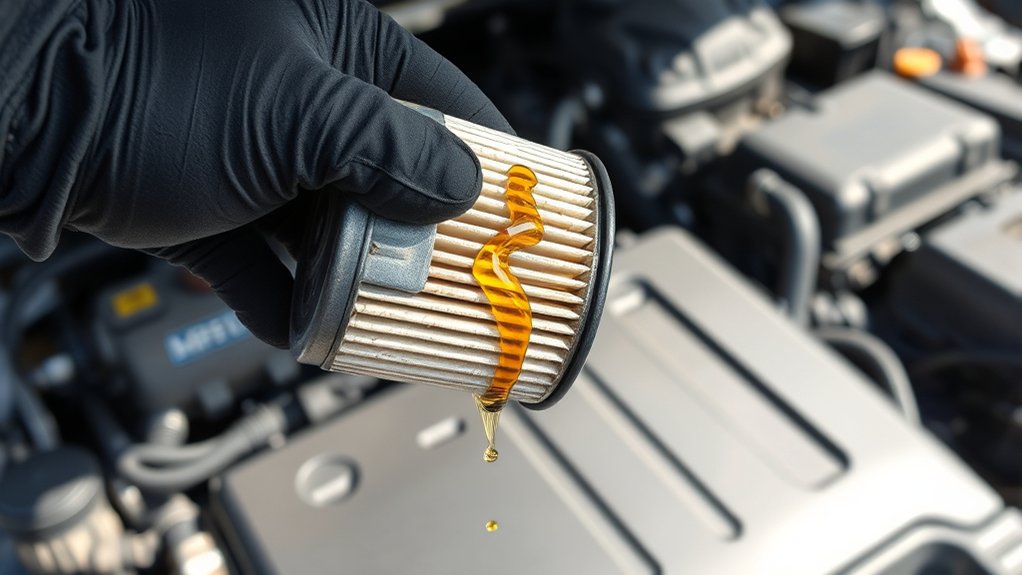
How to Change an Oil Filter Without Tools in 10 Simple Steps
Changing an oil filter without tools can seem like a daunting task, especially if you’re not a seasoned mechanic. Many people struggle with the idea of tackling this job on their own, worried about the right equipment or making a mess. But don’t worry—you’re not alone, and with a few simple steps, you can do it easily and confidently.
To change an oil filter without tools, start by parking on a flat surface and letting the engine cool. Drain the old oil into a pan by removing the drain plug, then carefully loosen the filter by hand—using rubber bands, hoses, or cloth for grip if needed.
Wipe the area clean, install a new filter, and tighten it by hand until snug. Finally, refill the oil and double-check for leaks. Keep going for more tips to make the job easier.
Key Takeaways
- Grip the filter with your hand and turn counterclockwise to loosen it. If it’s hard to get a good grip, try wrapping rubber bands or a cloth around it for better traction.
- Sometimes, filters can be stubborn. In that case, you can use household items like a flat-head screwdriver or pliers wrapped in a cloth. Just be careful not to damage the filter or surrounding parts.
- For extra grip, wrap a rag around the filter. Gently tap the handle of a screwdriver on the rag if it’s really stuck. This can help loosen it without much fuss.
- Once the filter moves, carefully remove it. Before installing the new one, clean the mounting surface thoroughly with a rag. Make sure it’s dry and free of debris.
- When attaching the new filter, hand-tighten it securely. Check that the gasket sits properly in place. Avoid over-tightening to prevent damage or leaks.
How to Prepare Your Car and Gather Household Tools
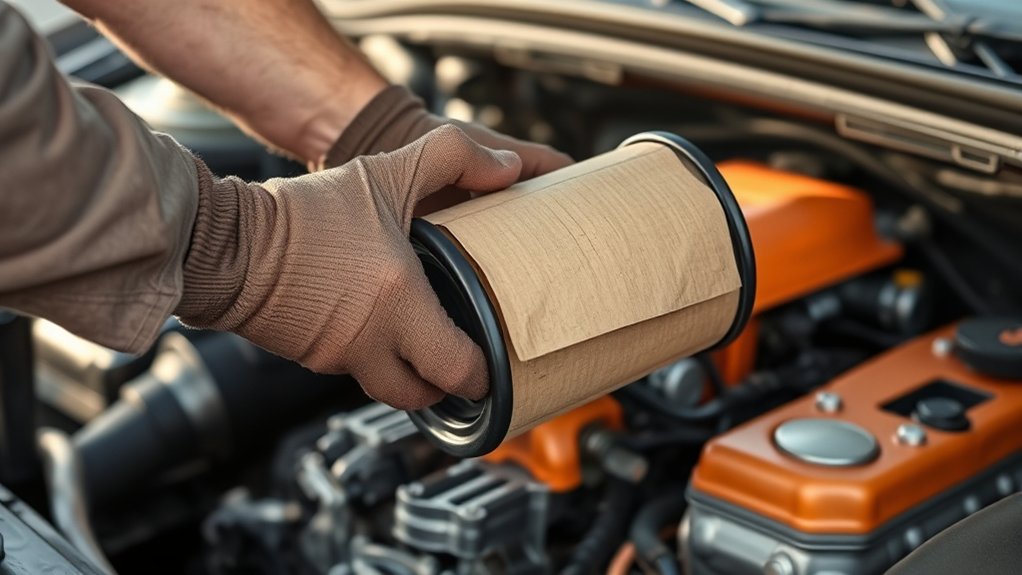
Before you begin, make sure your car is parked on a flat, level surface and the engine is completely cool to prevent burns or accidents.
Gather household tools like channel-lock pliers, adjustable wrenches, or rubber bands—these will help loosen the filter if needed.
Have a drain pan ready to catch any oil that spills during the process. Keep rags or paper towels nearby for quick cleanup of oil drips.
Wear gloves for protection and use a flashlight to improve visibility underneath your vehicle.
Checking that you have everything on hand saves time and reduces frustration. Remember, the key to a smooth oil filter change is preparation.
With the right tools and a clear plan, you’ll be ready to tackle the job safely and efficiently.
How to Safely Drain Old Engine Oil Before Removing the Filter
Start by preparing to drain the old engine oil to prevent spills and messes. Place a drain pan beneath the oil drain plug to catch the oil as it flows out.
Use a wrench or your hand to carefully loosen and remove the drain plug, allowing the oil to drain completely. Be patient; wait several minutes to ensure all oil has fully emptied from the engine.
Once the oil has finished draining, securely reinstall the drain plug to prevent leaks during engine operation. Remember to dispose of the used oil responsibly at a recycling center to protect the environment.
Position the drain pan securely beneath the oil drain plug. Loosen and remove the drain plug carefully to avoid splashing. Wait until the oil stops flowing before reattaching the drain plug.
What Are the Best Methods to Loosen an Oil Filter Without Special Tools?
You can often loosen an oil filter by gripping it with your hand and turning counterclockwise, especially if it’s not too tight. Wrapping a rubber band, a thick hose, or using a cloth can improve your grip and make removal easier.
When these methods aren’t enough, adjustable pliers or a strap wrench can help free a stubborn filter. These tools give you extra leverage to get the job done.
Hand Grip Techniques
When tackling an oil filter without specialized tools, your grip strength can really make a difference. Your hand grip is key to applying enough force to loosen the filter.
Start by wrapping a rubber band or a rubber glove around the filter to improve your grip and prevent slipping. Using a damp cloth or rag, grasp the filter firmly with your hand, applying steady counterclockwise pressure.
This creates friction and helps turn the filter more easily. Wrap a rubber band or glove around the filter for better grip. Use a damp cloth or rag to hold the filter securely.
Apply consistent, steady pressure to loosen it. These hand grip techniques maximize control and force, making filter removal more manageable without tools.
Using Household Items
Using household items can be a great way to loosen an oil filter without special tools. Wrap a thick rubber band or a piece of garden hose around the filter to improve your grip. This makes it easier to turn by hand and helps you remove the filter more safely.
You can also use adjustable pliers or channel-lock pliers for extra leverage when the filter is tight. For stubborn filters, insert a flat-head screwdriver into the side or end to pry or turn it counterclockwise.
Tapping around the filter with a hammer or using a strap wrench made from household materials can help break the seal. Placing a plastic bag or cloth over the filter helps contain oil spills and gives you a better grip during removal.
Alternative Removal Tools
What are some effective alternative tools and techniques for loosening an oil filter without specialized equipment? You can try several household items and methods.
A rubber strap wrench is a popular alternative removal tool because it provides extra grip without damaging the filter. Wrapping a wide rubber band or hose around the filter increases friction, making it easier to turn by hand.
You can also insert a flathead screwdriver through the filter’s body and carefully twist to loosen it. Lightly tapping the filter with a hammer or rubber mallet can break the seal if it’s seized.
Other household items like padded pliers or adjustable pliers can give you the extra grip needed when your hands alone aren’t enough. These methods help you loosen stubborn filters efficiently.
How to Remove a Stuck Oil Filter Safely and Effectively
If you encounter a stuck oil filter that won’t budge by hand, it’s important to approach the removal carefully to avoid damaging your engine or causing spills. To improve your grip on the stuck filter, wrap a rag or cloth around it, making it easier to turn without slipping.
If gripping alone isn’t enough, try using adjustable pliers or a strap wrench to carefully loosen the filter, applying steady, slow pressure. For especially stubborn filters, gently tap around the filter with a screwdriver or similar tool to help break the seal.
How to Clean the Mounting Area and Prepare a New Oil Filter
Start by wiping the mounting area with a clean rag to remove dirt, oil, and debris. Check carefully for any old gasket remnants and remove them to prevent leaks.
Lightly coat the gasket of the new filter with fresh engine oil to guarantee a proper seal.
Wipe Away Dirt Residue
Before installing the new oil filter, it’s important to clean the mounting area thoroughly to ensure a proper seal. Use a clean rag or paper towels to wipe away dirt, oil, and debris.
This step makes sure the surface around the filter mount is dry and free of old oil. It helps the filter seat properly and prevents leaks.
Remember, you want a clean, smooth surface for the filter to seal correctly. Wipe the area thoroughly to remove any residue and make sure it’s completely dry.
Check that no old gasket remains to avoid double sealing. Cleaning the mounting surface with a clean rag is simple and essential for a secure, leak-free installation.
Check for Old Gasket
How can you guarantee the gasket is properly prepared for the new filter? First, inspect the old gasket carefully during gasket removal. Look for any remnants or damage, as an old gasket that sticks or is torn can cause leaks.
Make sure to remove all traces of the old gasket from the mounting surface—wipe it clean with a rag to eliminate oil, dirt, and debris. Gasket inspection is essential; check that the old gasket isn’t cracked or deformed, and replace the filter if it is.
Before installing the new filter, ensure the gasket sits evenly and flush against the mounting surface. Proper gasket inspection and removal help prevent leaks and ensure a secure seal, making your oil change safe and effective.
Coat Gasket Lightly
To guarantee a proper seal, it’s important to lightly coat the gasket of the new filter with fresh engine oil. This helps prevent leaks and makes installing the filter easier.
Use your finger or a clean cloth to apply a thin layer of engine oil around the gasket’s surface, ensuring even coverage. Before installing, confirm the gasket is seated evenly and not pinched or crooked.
Wipe the mounting area with a clean rag to remove dirt, oil, and debris. Make sure the old gasket is completely removed to avoid gasket pinching.
Carefully apply the oil coat to the gasket, avoiding excess. This process ensures the gasket forms a tight, secure seal when you tighten the filter, reducing the risk of leaks and protecting your engine.
How to Properly Install Your New Oil Filter by Hand
When installing your new oil filter by hand, start by turning it clockwise until it feels snug. Make sure the gasket seats properly against the mounting surface.
Hand-tighten the filter until you’re confident it’s secure, then give it an additional ¾ to 1 turn to ensure a firm fit without over-tightening.
Check that the gasket isn’t pinched or crooked, as this can cause leaks later.
To help you remember, here’s a quick guide:
| Step | Details |
|---|---|
| Hand-tighten | Turn until snug, then ¾ to 1 turn more |
| Gasket positioning | Ensure it seats properly against the surface |
| Secure fit | Confirm no pinched or crooked gasket |
| Final check | Look for leaks after the engine runs |
This method guarantees a proper, leak-free installation.
How to Refill Your Engine Oil and Check the Level
After installing the new oil filter, it’s important to refill your engine with fresh oil and check the level to ensure proper lubrication.
Start by removing the engine oil fill cap and pouring in the recommended amount of oil using a funnel. Then, check the oil level with the dipstick, making sure it reaches the “Full” or designated mark.
Reinstall the oil fill cap securely once you’ve confirmed the oil level is correct. Start the engine and let it run for a few minutes to circulate the oil, then turn it off.
After the engine cools down for a few minutes, recheck the oil level and add more oil if needed. This process helps keep your engine properly lubricated and prevents potential damage.
What Are Common Causes of Oil Leaks After Filter Replacement?
Oil leaks after replacing the filter often happen because the gasket wasn’t installed properly or got damaged during installation.
Over-tightening or not tightening enough can also cause leaks by compromising the seal.
Using the wrong filter or having dirt and old gasket material on the mounting surface can prevent a proper seal and lead to leaks.
Improper Gasket Installation
Improper gasket installation is a common reason for oil leaks after changing a filter. If the gasket isn’t properly aligned or if you use the wrong size, it won’t seal correctly, which can cause leaks.
Reusing an old gasket or damaging the new one during installation can also ruin the seal. Plus, not removing old gasket remnants from the surface prevents proper seating of the new gasket.
Lubricating the gasket with oil before installing helps it seat properly and reduces the risk of deformation. To avoid these issues, make sure the gasket is aligned correctly, use the right size, and check for damage beforehand.
Taking these simple steps helps ensure a good seal and keeps your engine oil where it belongs.
Over-tightening or Under-tightening
Over-tightening or under-tightening your oil filter are common mistakes that can lead to leaks. Over-tightening can deform the gasket, which prevents a proper seal and causes leaks.
Under-tightening, on the other hand, may result in an inadequate seal, leading to oil leaks during engine operation. Using excessive force when tightening can damage the gasket or threads, increasing leak risk.
To avoid these issues, aim for proper hand-tightening—about ¾ to 1 turn after the filter is snug. The table below highlights key points:
| Issue | Cause | Consequence |
|---|---|---|
| Over-tightening | Excessive force during installation | Damaged gasket or threads |
| Under-tightening | Insufficient tightening | Oil leaks during engine use |
| Proper seal | Correct hand-tightening | Leak-free, secure fit |
Contaminated or Damaged Seals
Damaged or torn seals are a common cause of leaks after replacing an oil filter. This often happens because of improper handling or installation.
If the old gasket isn’t properly removed before installing the new filter, it can cause poor sealing and lead to leaks. Over-tightening the new filter can deform the gasket, creating gaps that let oil escape.
Using an incompatible or incorrect filter size may prevent the gasket from sealing properly, increasing the risk of leaks. Dirt or debris left on the mounting surface can also interfere with the gasket’s seal, causing leaks.
Reusing old seals or gaskets instead of replacing them can weaken the seal and lead to oil leaks. Always make sure to remove old gaskets properly, avoid over-tightening, and check the mounting surface for debris to prevent damaged seals and leaks.
Troubleshooting: What to Do If the Oil Filter Won’t Come Off
If the oil filter refuses to budge, don’t panic—there are simple tricks you can try before reaching for tools.
If it’s stuck, wrap a rubber strap wrench or a thick rubber band around the filter to help loosen it. Wrapping a rag or cloth around the filter can also give you extra traction for turning it by hand.
Gently tapping around the base with a rubber mallet or screwdriver handle can help loosen the stuck filter. For added ease, loosen the filter while the engine is warm, as heat causes the oil inside to expand, making removal easier.
If it’s extremely tight, carefully applying penetrating lubricant around the seal and letting it sit for a few minutes can loosen the bond.
Tips for Making Future Oil Changes Easier Without Special Tools
To make future oil changes smoother and reduce the need for tools, start by choosing filters designed for easy removal. Look for filters with built-in nuts or grips, like K&N filters, to make the process simpler without special tools.
Hand-tighten the filter just enough so it’s snug. Avoid over-tightening, as this can make future removal difficult. Wrapping a rubber band, hose, or cloth around the filter can give you a better grip when removing it by hand.
Keep your workspace clean and accessible to prevent dirt contamination and make the filter change easier. Regularly check the filter’s tightness after installation to prevent over-tightening.
These simple steps help you maintain an efficient filter change, saving time and effort without needing special tools.
Frequently Asked Questions
What Can I Use to Get the Oil Filter off Without a Tool?
You can use your hands to grip and turn the filter counterclockwise if it’s not too tight. Wrapping a rubber band or a thick hose around it can improve your grip and make loosening easier.
For extra friction, use a clean cloth or rag. If it’s stubborn, carefully insert a flat screwdriver or pry tool around the edge, but be careful not to damage the gasket.
What Size Is the Oil Filter on a BMW k100?
The oil filter on a BMW K100 is usually a spin-on type that you can unscrew by hand or with a 17mm wrench.
The filter itself is typically around 60mm in diameter.
However, it’s a good idea to double-check your owner’s manual or the existing filter to make sure you get the right replacement.
Using the correct size tools will make the removal and installation easier and help prevent damage.
Does the Pulsar 150 Have an Oil Filter?
Yes, your Pulsar 150 may have an oil filter, but it often uses a screen or paper element instead of a traditional filter.
This component helps trap debris, and you typically clean or replace it during oil changes. Access can be tricky, and some models require professional help.
Always check your owner’s manual to see if your bike has a replaceable filter or just a cleaning screen.
How to Get an Oil Filter off Easily?
To get an oil filter off easily, grip it firmly with your hand and turn counterclockwise. If it’s tight, wrap a rubber band or hose around it for extra grip.
Use a clean cloth to prevent slipping, or carefully insert a screwdriver through the center hole to pry it loose. For stubborn filters, a strap wrench offers extra advantage without damaging the filter.
Keep patience and apply steady force.
Conclusion
So, next time you find yourself without tools, remember—you’ve already mastered the art of improvisation. Changing your oil without special tools might seem like a hassle, but it’s a reminder that sometimes, you don don’t need fancy gadgets to get the job done.
Ironically, the real skill lies in patience and resourcefulness. Who needs tools when your ingenuity is your best tool?
Happy driving—and maybe keep a spare filter handy to make future oil changes even easier.